















































































































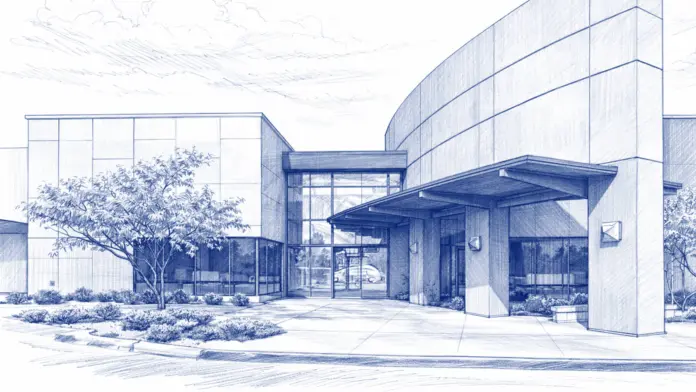
About Neu Hope
Neu Hope is a SAMHSA certified outpatient addiction treatment center in Hazel Park, Michigan, specializing in substance use disorders and co-occurring mental health conditions. The facility offers outpatient counseling, intensive outpatient programs (IOP) and partial hospitalization programs (PHP) for adults and adolescents struggling with alcohol and drugs.
Neu Hope provides you with personalized, evidence based care that combines medical treatment, behavioral therapies and ongoing support to help clients achieve lasting recovery.
Medication Assisted Treatment for Opioid Addiction
Neu Hope offers comprehensive medication assisted treatment (MAT) services, pairing FDA cleared medications like buprenorphine, naltrexone and Vivitrol with counseling and behavioral therapies. As a SAMHSA certified opioid treatment program (OTP), the center provides specialized care that addresses both the physical and psychological aspects of addiction.
MAT sessions combine medication management with therapies like cognitive behavioral therapy (CBT) and dialectical behavior therapy (DBT) to prevent relapse and support your long term recovery. Treatment targets cravings and withdrawal symptoms, while helping clients build coping skills, address underlying triggers and develop strategies for sustained sobriety.
Dual Diagnosis and Co-Occurring Disorder Care
Neu Hope treats co-occurring mental health disorders such as anxiety, depression and PTSD alongside addiction through integrated dual diagnosis services. Their compassionate team uses trauma informed care approaches and offers specialty programs for veterans, first responders, women and LGBTQ+ individuals to ensure inclusive, personalized treatment.
Access and Payment Information
Neu Hope serves clients, with services available 7 days a week. The facility is licensed by the State of Michigan and certified by multiple regulatory agencies, including the DEA and state health departments. Insurance options include private health insurance, Medicare, Medicaid, TRICARE, state financed plans and self pay.

Rehab Score
 Our Methodology


Location
Other Forms of Payment
Medicaid is a state based program that helps lower-income individuals and families pay for healthcare. Medicaid covers addiction treatment so those enrolled can use their coverage to pay for rehab. When a program accepts Medicaid the client often pays very little or nothing out of their own pocket.
Medicare is a federal program that provides health insurance for those 65 and older. It also serves people under 65 with chronic and disabling health challenges. To use Medicare for addiction treatment you need to find a program that accepts Medicare and is in network with your plan. Out of pocket costs and preauthorization requirements vary, so always check with your provider.
Military members, veterans, and eligible dependents have access to specific insurance programs that help them get the care they need. TRICARE and VA insurance can help you access low cost or no cost addiction and mental health treatment. Programs that accept military insurance often have targeted treatment focused on the unique challenges military members, veterans, and their families face.
Private insurance refers to any kind of healthcare coverage that isn't from the state or federal government. This includes individual and family plans offered by an employer or purchased from the Insurance Marketplace. Every plan will have different requirements and out of pocket costs so be sure to get the full details before you start treatment.
Self-pay involves paying for treatment out of your own pocket. You can use savings or credit, get a personal loan, or receive help from family and friends to fund your treatment. If you don't have insurance or your insurance plan doesn't cover a specific program, self-pay can help ensure you still get the care you need.
Addiction Treatments
Levels of Care
While many people know it as "day treatment", a partial hospitalization program (PHP) offers treatment during the day and allows you to live at home. PHP treatment typically requires a commitment of at least 20 hours of treatment every week, with a program duration that spans approximately 90 days. While commuting is necessary, some programs offer telehealth options. PHP treatment plans usually include relapse prevention, medication management, and behavioral therapy.
Clients receiving care in an intensive outpatient program (IOP) typically have completed inpatient treatment, but some choose to enroll in IOP immediately following detox. Intensive outpatient rehabs offer high-level support for clients in early recovery and those at an increased risk of relapse. Most programs provide between nine and 20 hours of treatment per week, with services ranging from addiction counseling to recovery education to medication assisted treatment (MAT). Holistic therapies, such as acupuncture, are common.
Clients receiving care at an outpatient rehab remain in their own homes and attend treatment as often as daily, depending on the level of need. Outpatient care generally consists of psychotherapy, addiction education, life skills training, and community reintegration support. Many outpatient treatment centers provide step-down care, including partial hospitalization (PHP), intensive outpatient (IOP), sober living, and standard outpatient services. Some outpatient rehabs also offer ambulatory medical detox and medication assisted treatment (MAT).
Treatments
Alcoholism is characterized by the excessive or compulsive use of alcohol, which does not stop despite negative consequences. This compulsive use leads to psychological and physical dependence. To break this dependence, alcohol rehab in Michigan is necessary. Treatment is available from a range of services, including residential programs, outpatient treatment, AA, medical detox, and evidence-based counseling. Support systems are also a crucial part of long-term recovery.
 Opioid Addiction
Drug rehab in Michigan provides personalized treatment to help individuals break this cycle and regain control of their lives. Treatment methods are used in various levels of care, including inpatient rehab, partial hospitalization programs, intensive outpatient programs, and standard outpatient treatment.
In Michigan, specialized substance abuse treatment programs are available for individuals struggling with drug and alcohol use. These programs utilize evidence-based therapies such as cognitive-behavioral therapy (CBT), dialectical behavior therapy (DBT), and motivational interviewing. Treatment options usually include outpatient, inpatient, and residential programs, offering individuals a comprehensive approach to recovery. Through a combination of therapy, counseling, and support, treatment can help individuals regain control of their lives and achieve long-term sobriety.
Inpatient addiction treatment includes mental health services designed to help you succeed in recovery or avoid relapse. Standard treatments include individual and group therapy sessions, relapse prevention education, and coping skills training. One of the main goals of therapy in rehab is to help you improve your mental health, eliminate patterns of unhealthy thinking that tend to drive or support self-destructive behaviors, and replace unhealthy patterns with healthy and rational thought patterns.
Michigan's dual-diagnosis addiction treatment programs provide specialized treatment for individuals with co-occurring substance use disorders and mental health conditions. Levels of care include outpatient, inpatient, and partial hospitalization options. Using a combination of evidence-based therapies, trauma-informed care, group therapy, and psychoeducation, clinicians can help you address the underlying cause of your addiction, treat both disorders, and promote overall mental health and well-being. You'll also develop a support network and enhance your coping skills.
Programs
Teen programs are designed to address the unique pressures teens face, pressures that can drive them to experiment with dangerous, addictive substances. They need programs that meet them exactly where they are and give them tools for long-term recovery. Therapy can help teenagers understand and work through underlying issues so they can reclaim the life ahead of them.
Adult rehab programs include therapies tailored to each client's specific needs, goals, and recovery progress. They are tailored to the specific challenges adult clients may face, including family and work pressures and commitments. From inpatient and residential treatment to various levels of outpatient services, there are many options available. Some facilities also help adults work through co-occurring conditions, like anxiety, that can accompany addiction.
Recovery is most successful when clients feel accepted and validated by their peers and treatment providers. Facilities that offer LGBTQ-inclusive programming are committed to creating a safe space where everyone can grow and recover without fear of judgment or discrimination. They will have dedicated policies in place to create a safe and supportive environment that fosters free expression.
Serving in the military is both mentally and physically challenging, and can result in trauma that persists even after combat ends. Military programs are tailored to the specific and often complex needs of active duty personnel, veterans, and military families. Clients often access these programs through the U.S. Department of Veterans Affairs (VA).
Rehabs for women provide a safe, nurturing space for female clients to heal. These treatment programs consider the specific obstacles that women can face during recovery and place a special emphasis on mental, social, physical, and reproductive health. They explore how each woman's experience has shaped the trajectory of their substance use, addressing issues such as sexual abuse and past trauma.
Clinical Services
Cognitive behavioral therapy in Michigan helps participants view challenges more clearly so they can respond to them in healthy ways. During a limited number of structured sessions, clients learn about and practice these changes to effectively address substance use and mental health disorders.
Addiction often involves intense situations and emotions. Dialectical behavior therapy helps you understand and regulate your emotions and better manage the situations that evoke those feelings. You'll receive mindfulness training and stress management training to cope more effectively with difficult emotions.
Group therapy sessions in Michigan allow you to share responsibility with your peers in a group setting. This fosters a collective commitment to achieve sobriety and learn coping skills that are essential to improving your relationships and reducing your stress levels.
Personalized therapy sessions for drug addiction emphasize understanding your background and behavioral triggers for substance use. Your therapist will collaborate with you to create an effective coping strategy and address underlying issues that clear the way for lasting change.
Accreditations

State Licenses are permits issued by government agencies that allow rehab organizations to conduct business legally within a certain geographical area. Typically, the kind of program a rehab facility offers, along with its physical location, determines which licenses are required to operate legally.
State License: Michigan

The Substance Abuse and Mental Health Services Administration (SAMHSA) is a branch of the U.S. Department of Health and Human Services. Established in 1992 by congress, SAMHSA's mission is to reduce the impact of substance abuse and mental illness on American's communities.
SAMHSA Listed: Yes
Contact Information


704 E 9 Mile Rd, Hazel Park, MI 48030
Sponsored Helpline
