















































































































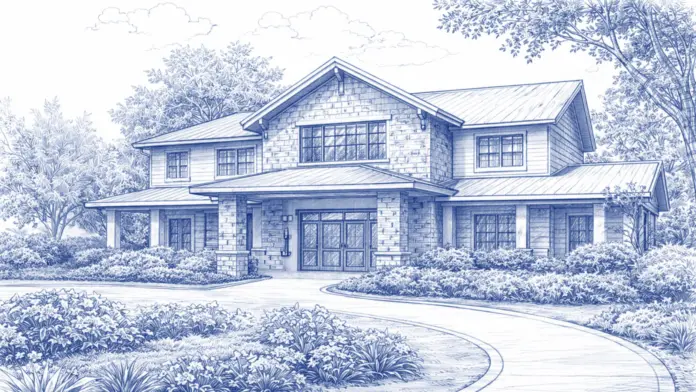
About New Horizon Drug Rehab
New Horizon Drug Rehab in Omaha, Nebraska is a center that offers residential treatment for individuals struggling with substance use disorders. They provide dual diagnosis care to address addiction alongside co-occurring mental health conditions. The program uses proven therapies and a personalized approach to help clients build a strong foundation for lasting recovery.
Medically Supervised Detox
Clients may begin with medically supervised detox before transitioning into structured residential treatment. The center offers 30 day and 90 day rehab programs designed to provide intensive support based on individual needs.
The center does not rush recovery and bases care that targets each person’s goals rather than using a generic approach. The supervision helps guests remain comfortable and safe throughout the detox process.
Therapeutic Intervention
The program include therapies such as eye movement desensitization and reprocessing to address the root causes of addiction. Dual diagnosis treatment ensures that mental health conditions are treated alongside substance use. Telehealth options are available for remote support.
Therapy sessions help target root causes of addiction while guests learn to develop coping skills for life stressors and recognize specific substance use triggers to avoid after treatment. The goal is to establish a strong foundation for sustained sobriety.
The center offers amenities like private rooms, a fitness center, yoga and art therapy.
Facility Overview
 15 - 30
Rehab Score
 Our Methodology


Location
Accepted Insurance

Other Forms of Payment
Private insurance refers to any kind of healthcare coverage that isn't from the state or federal government. This includes individual and family plans offered by an employer or purchased from the Insurance Marketplace. Every plan will have different requirements and out of pocket costs so be sure to get the full details before you start treatment.
Self-pay involves paying for treatment out of your own pocket. You can use savings or credit, get a personal loan, or receive help from family and friends to fund your treatment. If you don't have insurance or your insurance plan doesn't cover a specific program, self-pay can help ensure you still get the care you need.
Addiction Treatments
Levels of Care
Medical detox is the process of removing alcohol and drugs from your body in a medically supervised environment and helping manage withdrawal symptoms. If you've become dependent on alcohol and some drugs (like benzodiazepines and opioids), quitting on your own can be uncomfortable and even dangerous. In an inpatient environment, you will be monitored by a team of medical professionals who will help keep you as safe and comfortable as possible throughout the process.
Inpatient rehabs primarily serve clients who are transitioning out of detox and those who are at a heightened risk of relapse, including those with a history of recurrence. Clients in inpatient treatment receive multiple counseling sessions per week using a variety of psychotherapeutic approaches, including CBT, DBT, RBT, and motivational interviewing. Relapse prevention is also prioritized and many programs feature recovery-focused life skills training. Some facilities also offer holistic therapies, such as meditation and yoga.
Telehealth offers multiple benefits for patients and healthcare providers. It offers convenience, increased access, and cost savings. Telehealth services in Nebraska range from public broadcast messaging to one-on-one sessions with a mental health professional.
Treatments
Alcoholism is typically characterized by an inability to control alcohol consumption, withdrawal symptoms when drinking stops, and impairment in the ability to socialize and work. Recovering from alcohol addiction is a long process that begins with alcohol rehab in Nebraska. It requires applying techniques that are learned through evidence-based counseling, mutual-support groups, and other related therapies.
 Opioid Addiction
During drug rehab in Nebraska, you'll participate in therapies that address the many issues that contribute to addiction. Treatment includes physical, mental, emotional, and relational aspects. These methods provide the tools you need to achieve long-term recovery.
In Nebraska, substance abuse treatment programs are available to individuals struggling with addiction, and those with co-occurring mental health disorders. These programs utilize evidence-based therapies such as cognitive-behavioral therapy (CBT), dialectical behavior therapy (DBT), and mindfulness-based interventions. With various treatment options, including outpatient, inpatient, and residential programs, you'll receive expert and personalized care that can help you overcome addiction and meet your unique needs.
It's common to see people struggling with mental health disorders like depression, anxiety, or post-traumatic stress disorder, and treating each of these is just as important as treating the addiction. But even for those who do not have a dual diagnosis, mental health plays an essential role in the long-term success of recovery because it can affect people's emotional, psychological, and social makeup, influencing their experiences, stress level, and life choices.
Dual-diagnosis addiction treatment programs in Nebraska offer specialized care for individuals with co-occurring substance use disorders and mental health conditions. Outpatient, inpatient, and partial hospitalization levels of care are available. Clinicians offer a robust treatment plan encompassing evidence-based therapies, like cognitive behavioral therapy, or dialectical behavioral therapy, or motivational interviewing, together with family counseling, educational groups, and recovery meetings, to address both disorders and enhance mental health and well-being.
Clinical Services
Cognitive behavioral therapy in Nebraska is often the preferred method of treatment for substance use. In just a few sessions, clients can learn how to identify challenges and start to develop healthy coping methods to manage them.
The premise of dialectical behavior therapy is that many problems are due to a lack of skills to properly handle them. This therapy aims to give you the skills to manage your emotions and challenging situations so you can live a healthier, productive life.
 Eye Movement Desensitization And Reprocessing
Group therapies are a safe place for people to express their feelings and openly discuss their problems and issues as they relate to addiction, relationships, work, and other challenges associated with drug and alcohol addiction. Within a group therapy environment, you can share each other's responsibility for recovery, creating a network of mutual support.
Collaboration is key during individual therapy. This requires a trusting relationship between the therapist and the patient so that personal experiences and emotional struggles can be addressed in a nonjudgmental environment, building the patient's resilience and providing a foundation for sustainable recovery.
Amenities
-
 Art Activities
 -
 Gym
Gym -
 Private Rooms
 -
 Yoga Studio
Contact Information


1910 S 72nd St #277, Omaha, NE 68124
Sponsored Helpline
