Get Help Now
Question iconSponsored Helpline

Phone icon 800-641-8351

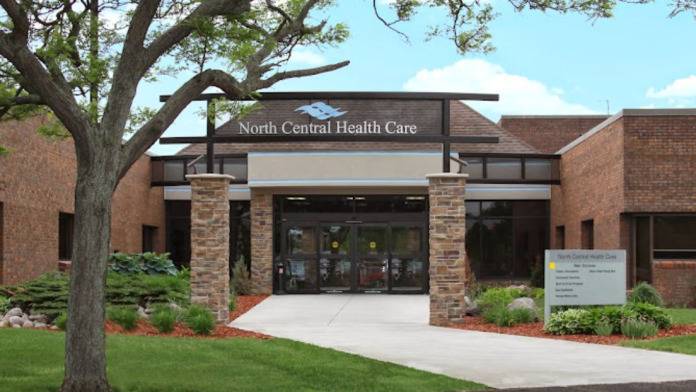
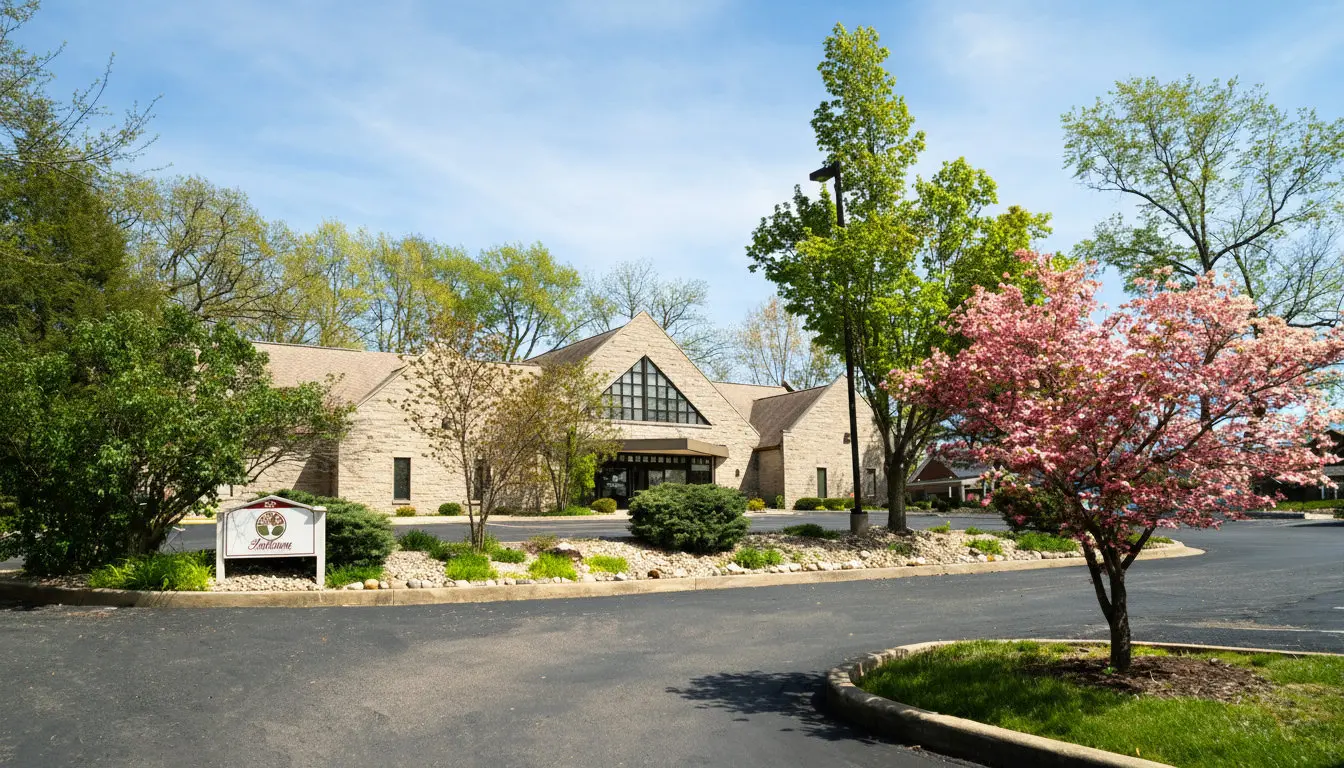
North Central Healthcare

1100 Lake View Drive
Wausau, WI 54403
Claim Profile
North Central Healthcare WI 54403

About North Central Healthcare

NCHC treats any form of addiction, from smoking and alcohol to drugs and gambling. They will make you a specialized treatment plan that helps you identify the root causes for your addiction. Through group and individual therapy led by trained experts, you’ll be able to move towards long-term recovery. They offer treatment for both youth and adults.

Your treatment plan will include all areas of your well being including your physical health. The team will help you improve your nutrition and exercise. They will also help you expand your support network.

NCHC also provides mental health support. These services can take place at their clinic or at home or work. They offer individual, group, family or couples therapy. For pressing concerns, they have a crisis line as well as inpatient programs.

NCHC has dedicated patient financial services staff to help you figure out the billing and financial aspects of getting care for yourself or a loved one. They also offer a price transparency tool so you can get a lot of information about healthcare costs.

Similar Rehab Centers

Fact checked and written by:
Mari Mendoza, BS
Edited by:
Anna Spooner

Facility Overview

Bed icon 16
Number of Available Beds
Calendar icon 1 - 4
Avg Length of Stay in Days
Dollar icon $70
Avg Cost per Day

Latest Reviews

Chloe Brooks
2 weeks ago on Google
1
NCHC lacks quality inpatient and outpatient psychiatrists, they’re not good communicators, and have unethical practices. They act out of ignorance and prejudice towards those struggling with mental health. Their inpatient unit does not consider the mental impact of isolation and stress, which only exacerbates the current issues someone is facing. They do not look at patients holistically and push meds. Overall, the experience was extremely traumatic and only worsened my conditions. I was not listened to, the environment was dehumanizing, and they do not help patients move forward towards attainable healing.
Lori Coffman
1 month ago on Google
1
Nurse practitioner, Mandy, was rude during appointment. Asked me nothing about symptoms experienced. Nursing staff refused to return calls when sought advice for my condition. Threatened to withhold any treatment if neighbor, whom they sought release of information called again expressing concern for my untreated condition. When I asked what to do for untreated condition, ignored question and referred to medication for another condition . I was told, and recorded their message, threatening if I again requested advice, they would discharge me for expressing mental health concerns! I hope condition doesn’t continue to deteriorate, or I have nobody to call for help! In follow-up of my review, the owner of the facility suggested I further discuss my concerns with department that handles complaints. However, on the date of the incident, I had left 2 messages on the number listed and received no response. I still have the threatening message left on my voicemail and will be following up at the state level. With many patients seeking help at this facility being in vulnerable situations, I would think they would be extra cautious about turning away patients without an appropriate support system in place.
Response from the owner1 week ago
Thank you for sharing your feedback. We’re sorry to hear that your experience did not meet expectations and that you left feeling unheard and unsupported. We take concerns like this seriously, as respectful communication and quality care are very important to us. Because we want to protect your privacy, we’re unable to discuss specific details here, but we would appreciate the opportunity to learn more and address your concerns directly. Please contact our patient relations quality & compliance team at 715.848.4422 so we can review your experience and follow up appropriately.
E. Greth
4 months ago on Google
1
The negative stigma of mental health facilities are because of places like this. This is the only facility I've ever been to, but they do a great job at making you feel uncomfortable. I was there in the crisis unit for just a brief period but my experience was traumatic. I had my body insulted by one of the older male nurses during strip search. They are horrible at giving you your medications. They received my records and still never gave me my pills on time and refused to give me some of the pills I needed. I was told by both the doctor and the social workers that this was intentional. One of the doctors I saw (Dr. Hoppe) stopped in for about 5 minutes to see me each day and provided very minimal input on my situation. He claimed that the advice my providers were giving about my medications were very wrong. He also made a side comment that girls mainly self harm for attention, which I found to be very inappropriate. He was also a bit intimidating. It also takes a long time to get anything to happen there. Communication between staff is horrible and it takes forever to get anything you want. I asked for activities to do and it took an entire day for someone to print off a single worksheet. There are a few techs and nurses there that have good intentions, but they aren't enough to make a positive change happen. This place is extremely isolating and made me feel worse than when I went in. I was surrounded by people who were so much worse than I was and I feel bad that this is the place they have to live in everyday. I've been waiting to post this because I really want to communicate my thoughts in a way that really tells you NOT to go here. I'm posting it now, so the message can be further spread. I'm still trying to move on mentally but all I can think of is the sounds of locking doors, sounds of screams, and the complete mismanaging of medications and situations. These are PEOPLE you're dealing with. We aren't animals. Show some empathy and put yourself in our shoes - maybe you'll treat us with a little more decency.
Response from the owner1 week ago
Thank you for taking the time to share your experience. We are deeply sorry to hear that your time with us felt uncomfortable and that your needs were not met in the way you expected. Your experience is very important to us, and we would like the opportunity to review what happened and work toward a resolution.

Please call our confidential Patient Rights & Complaints line at 715.848.4422 so we can look into this further and ensure your concerns are thoroughly addressed. Feedback like this helps us improve the experience for all those we serve.
Rehab.com icon

Rehab Score

Question iconOur Methodology
Scoring is assigned by a proprietary system which helps surface key metrics that determine quality. The 10-point scale factors in categories such as operations, customer satisfaction, and trust metrics. Read Full MethodologyCaret icon
Gauge icon
7.1 / 10

Accepted Insurance

Please contact to verify your specific insurance provider.

North Central Healthcare works with several private insurance providers, please contact to verify your specific insurance provider.

Other Forms of Payment

Medicaid is a state based program that helps lower-income individuals and families pay for healthcare. Medicaid covers addiction treatment so those enrolled can use their coverage to pay for rehab. When a program accepts Medicaid the client often pays very little or nothing out of their own pocket.

Private insurance refers to any kind of healthcare coverage that isn't from the state or federal government. This includes individual and family plans offered by an employer or purchased from the Insurance Marketplace. Every plan will have different requirements and out of pocket costs so be sure to get the full details before you start treatment.

Self-pay involves paying for treatment out of your own pocket. You can use savings or credit, get a personal loan, or receive help from family and friends to fund your treatment. If you don't have insurance or your insurance plan doesn't cover a specific program, self-pay can help ensure you still get the care you need.

Financial aid can take many forms. Centers may have grants or scholarships available to clients who meet eligibility requirements. Programs that receive SAMHSA grants may have financial aid available for those who need treatment as well. Grants and scholarships can help you pai for treatment without having to repay.

Sliding scale payments are based on a client's income and family size. The goal is to make treatment affordable to everyone. By taking these factors into account, addiction recovery care providers help ensure that your treatment does not become a financial burden to you or your family, eliminating one barrier to care.

Medicare is a federal program that provides health insurance for those 65 and older. It also serves people under 65 with chronic and disabling health challenges. To use Medicare for addiction treatment you need to find a program that accepts Medicare and is in network with your plan. Out of pocket costs and preauthorization requirements vary, so always check with your provider.

Military members, veterans, and eligible dependents have access to specific insurance programs that help them get the care they need. TRICARE and VA insurance can help you access low cost or no cost addiction and mental health treatment. Programs that accept military insurance often have targeted treatment focused on the unique challenges military members, veterans, and their families face.

Private insurance refers to any kind of healthcare coverage that isn't from the state or federal government. This includes individual and family plans offered by an employer or purchased from the Insurance Marketplace. Every plan will have different requirements and out of pocket costs so be sure to get the full details before you start treatment.

Addiction Treatments

Levels of Care

Outpatient Programs (OP) are for those seeking mental rehab or drug rehab, but who also stay at home every night. The main difference between outpatient treatment (OP) and intensive outpatient treatment (IOP) lies in the amount of hours the patient spends at the facility. Most of the time an outpatient program is designed for someone who has completed an inpatient stay and is looking to continue their growth in recovery. Outpatient is not meant to be the starting point, it is commonly referred to as aftercare.

Residential treatment programs are those that offer housing and meals in addition to substance abuse treatment. Rehab facilities that offer residential treatment allow patients to focus solely on recovery, in an environment totally separate from their lives. Some rehab centers specialize in short-term residential treatment (a few days to a week or two), while others solely provide treatment on a long-term basis (several weeks to months). Some offer both, and tailor treatment to the patient's individual requirements.

Drug and alcohol addiction often takes a heavy toll on one's body. Over time, a physical dependence can develop, meaning the body physiologically needs the substance to function. Detox is the process of removing drugs and/or alcohol from the body, a process that can be lethal if mismanaged. Medical detox is done by licensed medical professionals who monitor vital signs and keep you safe, healthy, and as comfortable as possible as you go through detox and withdrawal.

12-step programs are addiction recovery models based on Alcoholics Anonymous (AA). A number of substance abuse programs (including some drug and alcohol rehab centers) use the 12 steps as a basis for treatment. Beginning steps involve admitting powerlessness over the addiction and creating a spiritual basis for recovery. Middle steps including making direct amends to those who've been hurt by the addiction, and the final step is to assist others in addiction recovery in the same way. 12-Step offshoots including Narcotics Anonymous (NA), Cocaine Anonymous (CA), Dual Recovery Anonymous (DRA), Sex and Love Addicts Anonymous (SLAA) and Gamblers Anonymous (GA).

Completing a drug or alcohol rehab program shouldn't spell the end of substance abuse treatment. Aftercare involves making a sustainable plan for recovery, including ongoing support. This can include sober living arrangements like halfway houses, career counseling, and setting a patient up with community programs like Alcoholics Anonymous (AA) or Narcotics Anonymous (NA).

Intensive outpatient programs (IOP) support clients' return to their community following inpatient treatment and may also offer an alternative to hospitalization for clients who are relatively stable following detox. Many intensive outpatient rehabs require clients to participate in a minimum of nine and a maximum of 20 treatment hours weekly. IOP services are also highly customizable and typically include a combination of addiction counseling, recovery-focused life skills training, medication assisted treatment (MAT), and holistic therapies such as meditation.

A partial hospitalization program (PHP) offers short-term intensive care for drug and alcohol addiction. Often part of a step-down service, PHP treatment allows you to attend treatment on-site during the day, then return home during non-treatment hours. Plans of care typically include relapse prevention, medication management, and behavioral therapy services. Depending on your progress, the duration of a PHP can average 90 days with daily sessions running 4-8 hours per week. Most insurance providers fully or partially cover PHP treatment.

Treatments

The goal of treatment for alcoholism is abstinence. Those with poor social support, poor motivation, or psychiatric disorders tend to relapse within a few years of treatment. For these people, success is measured by longer periods of abstinence, reduced use of alcohol, better health, and improved social functioning. Recovery and Maintenance are usually based on 12 step programs and AA meetings.

The goal of drug rehab in Wisconsin is to address drug addiction as a complex issue that involves physical, mental, and relational aspects. During rehab, treatment focuses on each of these areas and gives you the tools you need to achieve and maintain sobriety.

Many of those suffering from addiction also suffer from mental or emotional illnesses like schizophrenia, bipolar disorder, depression, or anxiety disorders. Rehab and other substance abuse facilities treating those with a dual diagnosis or co-occurring disorder administer psychiatric treatment to address the person's mental health issue in addition to drug and alcohol rehabilitation.

A combined mental health and substance abuse rehab has the staff and resources available to handle individuals with both mental health and substance abuse issues. It can be challenging to determine where a specific symptom stems from (a mental health issue or an issue related to substance abuse), so mental health and substance abuse professionals are helpful in detangling symptoms and keeping treatment on track.

Opioid rehabs specialize in supporting those recovering from opioid addiction. They treat those suffering from addiction to illegal opioids like heroin, as well as prescription drugs like oxycodone. These centers typically combine both physical as well as mental and emotional support to help stop addiction. Physical support often includes medical detox and subsequent medical support (including medication), and mental support includes in-depth therapy to address the underlying causes of addiction.

Dual-diagnosis treatment programs in Wisconsin can provide substance abuse treatment for individuals facing addiction and co-occurring mental health disorders. You can usually find treatment to suit your individual needs, whether that is inpatient, outpatient, or day treatment. These programs utilize evidence-based therapies such as cognitive-behavioral therapy (CBT), dialectical behavior therapy (DBT), and mindfulness-based interventions to help you relearn new thought patterns, develop new coping strategies, and learn the skills to maintain recovery.

Programs

Adult rehab programs include therapies tailored to each client's specific needs, goals, and recovery progress. They are tailored to the specific challenges adult clients may face, including family and work pressures and commitments. From inpatient and residential treatment to various levels of outpatient services, there are many options available. Some facilities also help adults work through co-occurring conditions, like anxiety, that can accompany addiction.

Young adulthood can be an exciting, yet difficult, time of transition. Individuals in their late teens to mid-20s face unique stressors related to school, jobs, families, and social circles, which can lead to a rise in substance use. Rehab centers with dedicated young adult programs will include activities and amenities that cater to this age group, with an emphasis on specialized counseling, peer socialization, and ongoing aftercare.

Teen programs are designed to address the unique pressures teens face, pressures that can drive them to experiment with dangerous, addictive substances. They need programs that meet them exactly where they are and give them tools for long-term recovery. Therapy can help teenagers understand and work through underlying issues so they can reclaim the life ahead of them.

Clinical Services

Cognitive Behavioral Therapy (CBT) is a therapy modality that focuses on the relationship between one's thoughts, feelings, and behaviors. It is used to establish and allow for healthy responses to thoughts and feelings (instead of unhealthy responses, like using drugs or alcohol). CBT has been proven effective for recovering addicts of all kinds, and is used to strengthen a patient's own self-awareness and ability to self-regulate. CBT allows individuals to monitor their own emotional state, become more adept at communicating with others, and manage stress without needing to engage in substance abuse.

Whether a marriage or other committed relationship, an intimate partnership is one of the most important aspects of a person's life. Drug and alcohol addiction affects both members of a couple in deep and meaningful ways, as does rehab and recovery. Couples therapy and other couples-focused treatment programs are significant parts of exploring triggers of addiction, as well as learning how to build healthy patterns to support ongoing sobriety.

They offer a Family Program for family members and significant others of Day Treatment individuals. This three-hour program helps friends and family develop a better understanding of their loved ones addiction, treatment and life after treatment. Attendance in not mandatory but is highly encouraged.

Group therapy is any therapeutic work that happens in a group (not one-on-one). There are a number of different group therapy modalities, including support groups, experiential therapy, psycho-education, and more. Group therapy involves treatment as well as processing interaction between group members.

In individual therapy, a patient meets one-on-one with a trained psychologist or counselor. Therapy is a pivotal part of effective substance abuse treatment, as it often covers root causes of addiction, including challenges faced by the patient in their social, family, and work/school life.

Nutrition therapy, aka medical nutrition therapy (MNT), is a way of treating physical, emotional, and medical conditions through diet. Specific dietary plans are designed by professional nutritionists or registered dietitians, and patients follow them in order to positively affect their physical and mental health.

Rational Behavior Therapy (RBT) is a form of cognitive behavioral therapy meant to be short-term and comprehensive. It was intended to help clients become more self-sufficent and move forward without the need for expensive, ongoing therapy. It includes an emotional self-help method called “rational self-counseling,” the purpose of which is to give clients all the skills needed to handle future emotional issues by themselves, or with significantly less professional help.

The word dialectical describes the foundation of dialectical behavior therapy (DBT). Meaning "opposite," the word refers to the treatment's focus on both acceptance and change. While learning to accept where you are and the emotions you're feeling, you also learn to grow and change to establish healthier patterns in your life.

Amenities

  • home-setting iconResidential Setting
  • lake iconLakeside
  • private-room iconPrivate Rooms

Staff & Accreditations

Staff

Gary Olsen

Executive Director

Marnie Bredlau

Director of Human Resources

Vicki Tylka

Managing Director of Community Programs

Jason Hake

Managing Director of Finance & Administration

Dr. Waqas Yasin, MD

Medical Director

Accreditations

The Joint Commission, formerly known as JCAHO, is a nonprofit organization that accredits rehab organizations and programs. Founded in 1951, the Joint Commision's mission is to improve the quality of patient care and demonstrating the quality of patient care.

Joint Commission Accreditation: Yes

The Commission on Accreditation of Rehabilitation Facilities (CARF) is a non-profit organization that specifically accredits rehab organizations. Founded in 1966, CARF's, mission is to help service providers like rehab facilities maintain high standards of care.

CARF Accreditation: Yes

The Substance Abuse and Mental Health Services Administration (SAMHSA) is a branch of the U.S. Department of Health and Human Services. Established in 1992 by congress, SAMHSA's mission is to reduce the impact of substance abuse and mental illness on American's communities.

SAMHSA Listed: Yes

State Licenses are permits issued by government agencies that allow rehab organizations to conduct business legally within a certain geographical area. Typically, the kind of program a rehab facility offers, along with its physical location, determines which licenses are required to operate legally.

State License: Wisconsin

Contact Information

Building icon

1100 Lake View Drive
Wausau, WI 54403

Explore Other Centers Near Wausau

Reviews of North Central Healthcare

2.09/5 (77 reviews)
0
Staff
0
Amenities
0
Meals
0
Value
0
Cleanliness
5
17
4
5
3
1
2
3
1
57

Reviews

1

They have terrible customer service, and their excuse is that it is due to an overbooking. Also, if you have great insurance, they will keep you here as long as possible.

Reviewed on 2/25/2019
1

I didn't learn anything new, the food is not quite the quality you'd get at a public school in the area, you get 10 minutes of phone time per night in front of a staff member, no cell phones at any time, no internet access, no electronic devices besides a clock radio. There' ... Read More

Reviewed on 8/24/2018
Overall Experience
Date Submitted
Reviewer

Google Reviews

2.12 (75 reviews)
Chloe Brooks
2 weeks ago
1

NCHC lacks quality inpatient and outpatient psychiatrists, they’re not good communicators, and have unethical practices. They act out of ignorance and prejudice towards those struggling with mental health. Their inpatient unit does not consider the mental impact of isolation and stress, which only exacerbates the current issues someone is facing. They do not look at patients holistically and push meds. Overall, the experience was extremely traumatic and only worsened my conditions. I was not listened to, the environment was dehumanizing, and they do not help patients move forward towards attainable healing.

Lori Coffman
1 month ago
1

Nurse practitioner, Mandy, was rude during appointment. Asked me nothing about symptoms experienced. Nursing staff refused to return calls when sought advice for my condition. Threatened to withhold any treatment if neighbor, whom they sought release of information called again expressing concern for my untreated condition. When I asked what to do for untreated condition, ignored question and referred to medication for another condition . I was told, and recorded their message, threatening if I again requested advice, they would discharge me for expressing mental health concerns! I hope condition doesn’t continue to deteriorate, or I have nobody to call for help! In follow-up of my review, the owner of the facility suggested I further discuss my concerns with department that handles complaints. However, on the date of the incident, I had left 2 messages on the number listed and received no response. I still have the threatening message left on my voicemail and will be following up at the state level. With many patients seeking help at this facility being in vulnerable situations, I would think they would be extra cautious about turning away patients without an appropriate support system in place.

Response from the owner
Thank you for sharing your feedback. We’re sorry to hear that your experience did not meet expectations and that you left feeling unheard and unsupported. We take concerns like this seriously, as respectful communication and quality care are very important to us. Because we want to protect your privacy, we’re unable to discuss specific details here, but we would appreciate the opportunity to learn more and address your concerns directly. Please contact our patient relations quality & compliance team at 715.848.4422 so we can review your experience and follow up appropriately.
E. Greth
4 months ago
1

The negative stigma of mental health facilities are because of places like this. This is the only facility I've ever been to, but they do a great job at making you feel uncomfortable. I was there in the crisis unit for just a brief period but my experience was traumatic. I had my body insulted by one of the older male nurses during strip search. They are horrible at giving you your medications. They received my records and still never gave me my pills on time and refused to give me some of the pills I needed. I was told by both the doctor and the social workers that this was intentional. One of the doctors I saw (Dr. Hoppe) stopped in for about 5 minutes to see me each day and provided very minimal input on my situation. He claimed that the advice my providers were giving about my medications were very wrong. He also made a side comment that girls mainly self harm for attention, which I found to be very inappropriate. He was also a bit intimidating. It also takes a long time to get anything to happen there. Communication between staff is horrible and it takes forever to get anything you want. I asked for activities to do and it took an entire day for someone to print off a single worksheet. There are a few techs and nurses there that have good intentions, but they aren't enough to make a positive change happen. This place is extremely isolating and made me feel worse than when I went in. I was surrounded by people who were so much worse than I was and I feel bad that this is the place they have to live in everyday. I've been waiting to post this because I really want to communicate my thoughts in a way that really tells you NOT to go here. I'm posting it now, so the message can be further spread. I'm still trying to move on mentally but all I can think of is the sounds of locking doors, sounds of screams, and the complete mismanaging of medications and situations. These are PEOPLE you're dealing with. We aren't animals. Show some empathy and put yourself in our shoes - maybe you'll treat us with a little more decency.

Response from the owner
Thank you for taking the time to share your experience. We are deeply sorry to hear that your time with us felt uncomfortable and that your needs were not met in the way you expected. Your experience is very important to us, and we would like the opportunity to review what happened and work toward a resolution.

Please call our confidential Patient Rights & Complaints line at 715.848.4422 so we can look into this further and ensure your concerns are thoroughly addressed. Feedback like this helps us improve the experience for all those we serve.
Annie Link
5 months ago
1

I was recommended to try the call this place but seeing the reviews I don't think I want to. I've been there done that and I'm definitely not trying the Kool-Aid. Sounds like Winnebago all over again.

Response from the owner
Thank you for sharing your feedback. We understand that choosing a healthcare provider is an important decision, and it’s normal to have concerns when considering new services. If you’d like, we’re happy to provide more information about the care and programs we offer so you can see if they might be a good fit for your needs. Please feel free to reach out to us at 715.848.4600
Overall Experience
Date Submitted
No reviews matching the selected filter!
Get Help Now
Question iconSponsored Helpline

Phone icon 800-641-8351

Left arrow iconBack

Write a review for North Central Healthcare

Sharing your insights and experiences can help others learn more about this rehab center.

Title of Your Review
This is a required field
Your Review

Reviews comments must comply with our Review Policy Content Standards. Please do not use names (job titles / positions are acceptable) of any individual or identifying features, abusive remarks, or allegations of negligence or criminal activity.

A minimum of 200 characters and max of 2,000 characters required.
This is a required field
How would you rate the facility on the following?*
Overall Experience
Must select a star rating
Accomodations & Amenities
Must select a star rating
Meals & Nutrition
N/A
Must select a star rating
Treatment Effectiveness
Must select a star rating
Admissions Process
Must select a star rating
Staff & Friendliness
Must select a star rating
Cleanliness
Must select a star rating
Value for Cost
Must select a star rating
What is your connection to this facility?
This is a required field
Your Name*
This is a required field
Your Email*
This is a required field
Spinner icon Submitting your review...
Thumbs up icon Your review was successfully submitted.

Nearby Featured Providers

Get Help Today Phone icon 800-847-1418
Question iconSponsored Helpline