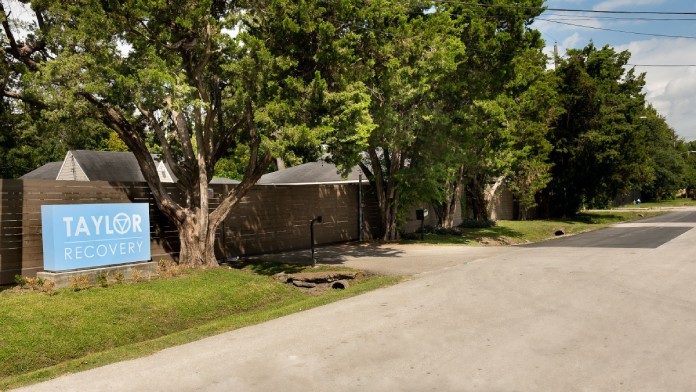
Taylor Recovery Sober Living Center
6
Top 10 Rehab In Houston


































































































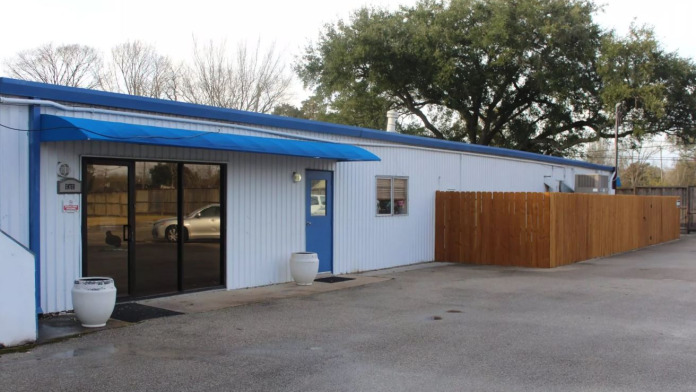
PDAP Houston, located in Houston, Texas, provides outpatient programs to young adults and adolescents experiencing substance use disorders. With a history of serving the Houston community for over 50 years, their mission is to help families avoid or recover from addiction. What strikes us most about them is the way they foster connections with others through their Monkey Fist intervention.
The programs at PDAP Houston are paid for by donations from the community so they won’t ask for your insurance when you seek their help. Every service there is 100% free. All you have to do is show up and participate.
While you’re in the area, you’ll be near major roadways of Houston and close to vibrant resources that you can use to complement your recovery path. If you enjoy being outside, you won’t be far from Memorial Park, a great place for walking and meditating. There’s also Edith L. Moore Nature Sanctuary, a beautiful 18-acre wooded preserve along Rummel Creek.
A monkey fist is a knot that ships use when docking. PDAP Houston sees this as a powerful symbol in recovery. They will give you a necklace symbolizing a monkey knot to remind you that you have dear friends in their PDAP Houston community. This will be a great source of comfort for you especially during your first 30 days of recovery.
Through accessing services with PDAP Houston, you’ll also have access to recovery coaching from skilled staff who will walk alongside you as you heal. The staff also has family programs that can help strengthen relationships. Their after school socials are a fun way your child can be supported through activities like laser tag and outings to the zoo.
Additionally, you’ll be invited to various workshops and retreats designed to help you uncover strengths that you can carry with you as you move forward.

 Our Methodology


After completing some form of inpatient care, many clients transition or step down to an outpatient rehab, while some choose to transition from detox directly into outpatient care. High-intensity outpatient programming, including partial hospitalization (PHP) and intensive outpatient (IOP) is widely available for clients in early recovery, those leaving detox, and those at an elevated relapse risk. Clients in outpatient care generally engage in robust addiction counseling and recovery education, and some also receive medication assisted treatment (MAT).
Substance abuse treatment is available in Texas for anyone who's struggling with drug or alcohol addiction. These programs usually provide a comprehensive assessment and individualized treatment plan, and include evidence-based treatments, like therapies such as cognitive-behavioral therapy (CBT) to reframe unhelpful coping strategies, and dialectical behavior therapy (DBT) to help with emotional regulation and stress.
Teen programs are designed to address the unique pressures teens face, pressures that can drive them to experiment with dangerous, addictive substances. They need programs that meet them exactly where they are and give them tools for long-term recovery. Therapy can help teenagers understand and work through underlying issues so they can reclaim the life ahead of them.
Young adulthood can be an exciting, yet difficult, time of transition. Individuals in their late teens to mid-20s face unique stressors related to school, jobs, families, and social circles, which can lead to a rise in substance use. Rehab centers with dedicated young adult programs will include activities and amenities that cater to this age group, with an emphasis on specialized counseling, peer socialization, and ongoing aftercare.
Peer support is an important aspect of group therapy sessions for drug and alcohol addiction. As you and your peers share stories and encourage each other, it fosters a sense of community and belonging that helps you process your feelings and reduces the sense of isolation that is associated with addiction.
The purpose of family therapy is to create a supportive and understanding family dynamic within the family unit. Therapists help individual members to identify and change harmful behavior patterns and improve communication. This provides a stable foundation for the family and their loved one's recovery.

3730 Kirby Drive
Suite 1200
Houston, TX 77098
Sponsored Helpline
 Back
Back
Sharing your insights and experiences can help others learn more about this rehab center.