





























































































About Peniel Residential Drug and Alcohol Treatment Center
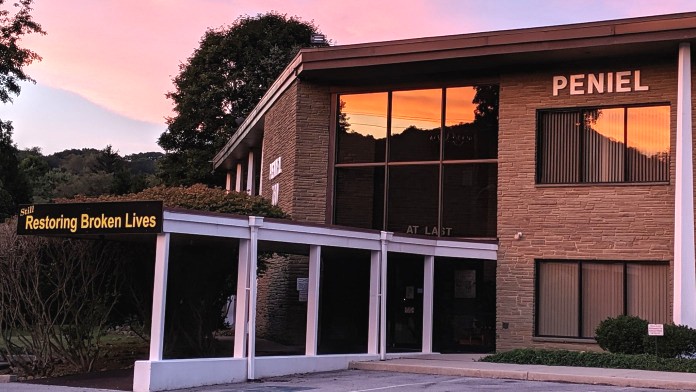
Peniel Residential Drug and Alcohol Treatment Center has been operating 40+ years. They offer comprehensive care so adults can overcome addiction and have lasting freedom through sobriety. They’re located in Johnstown, Pennsylvania.
Structured Focus for Recovery
Peniel requires a commitment of 13 months so guests can immerse themselves in recovery and focus on their sobriety. The program doesn’t rush residents, but includes four phases of treatment to address the underlying causes of substance use. There are also options for drug awareness and spiritual guidance classes.
The program includes individual and group therapy, which balances privacy and time with others who understand your unique journey. Your peers can provide helpful insights and interaction that reduce feelings of isolation.
One standout feature is the emphasis on spiritual growth. Guests learn biblical principles they can apply to life during and after treatment. It may help them develop healthy coping skills and recognize substance use triggers that help them avoid relapse issues.
Treatment is separated for men and women in separate tracks. This allows them to work on recovery without distractions. The center includes laundry facilities, a barbershop, and recreational areas for fitness.
Services After Treatment
Peniel doesn’t only treat residents during the program. They provide aftercare services that help ensure guests have access to resources and tools for continued treatment. One of the former residents praised the program for changing his life, while another mentioned the caring staff.
Their aftercare support includes six months of care following completion of the program. It helps them integrate into their community successfully and maintain ongoing sobriety. You might want to explore Cambria County War Memorial Arena and Point Stadium to explore your interests.
They work with various health insurance plans, including TRICARE.
Latest Reviews



Rehab Score
 Our Methodology


Gallery
Other Forms of Payment
Private insurance refers to any kind of healthcare coverage that isn't from the state or federal government. This includes individual and family plans offered by an employer or purchased from the Insurance Marketplace. Every plan will have different requirements and out of pocket costs so be sure to get the full details before you start treatment.
Self-pay involves paying for treatment out of your own pocket. You can use savings or credit, get a personal loan, or receive help from family and friends to fund your treatment. If you don't have insurance or your insurance plan doesn't cover a specific program, self-pay can help ensure you still get the care you need.
Military members, veterans, and eligible dependents have access to specific insurance programs that help them get the care they need. TRICARE and VA insurance can help you access low cost or no cost addiction and mental health treatment. Programs that accept military insurance often have targeted treatment focused on the unique challenges military members, veterans, and their families face.
Addiction Treatments
Levels of Care
Residential treatment programs are those that offer housing and meals in addition to substance abuse treatment. Rehab facilities that offer residential treatment allow patients to focus solely on recovery, in an environment totally separate from their lives. Some rehab centers specialize in short-term residential treatment (a few days to a week or two), while others solely provide treatment on a long-term basis (several weeks to months). Some offer both, and tailor treatment to the patient's individual requirements.
Completing a drug or alcohol rehab program shouldn't spell the end of substance abuse treatment. Aftercare involves making a sustainable plan for recovery, including ongoing support. This can include sober living arrangements like halfway houses, career counseling, and setting a patient up with community programs like Alcoholics Anonymous (AA) or Narcotics Anonymous (NA).
Treatments
The goal of treatment for alcoholism is abstinence. Those with poor social support, poor motivation, or psychiatric disorders tend to relapse within a few years of treatment. For these people, success is measured by longer periods of abstinence, reduced use of alcohol, better health, and improved social functioning. Recovery and Maintenance are usually based on 12 step programs and AA meetings.
Drug rehab in Pennsylvania is devoted to the treatment of addiction. Levels of care, treatment methods, and settings differ, but the aim of each program is to end drug dependency and empower participants to achieve long-term recovery.
Opioid rehabs specialize in supporting those recovering from opioid addiction. They treat those suffering from addiction to illegal opioids like heroin, as well as prescription drugs like oxycodone. These centers typically combine both physical as well as mental and emotional support to help stop addiction. Physical support often includes medical detox and subsequent medical support (including medication), and mental support includes in-depth therapy to address the underlying causes of addiction.
Substance rehabs focus on helping individuals recover from substance abuse, including alcohol and drug addiction (both illegal and prescription drugs). They often include the opportunity to engage in both individual as well as group therapy.
Programs
Adult rehab programs include therapies tailored to each client's specific needs, goals, and recovery progress. They are tailored to the specific challenges adult clients may face, including family and work pressures and commitments. From inpatient and residential treatment to various levels of outpatient services, there are many options available. Some facilities also help adults work through co-occurring conditions, like anxiety, that can accompany addiction.
Young adulthood can be an exciting, yet difficult, time of transition. Individuals in their late teens to mid-20s face unique stressors related to school, jobs, families, and social circles, which can lead to a rise in substance use. Rehab centers with dedicated young adult programs will include activities and amenities that cater to this age group, with an emphasis on specialized counseling, peer socialization, and ongoing aftercare.
Clinical Services
Cognitive Behavioral Therapy (CBT) is a therapy modality that focuses on the relationship between one's thoughts, feelings, and behaviors. It is used to establish and allow for healthy responses to thoughts and feelings (instead of unhealthy responses, like using drugs or alcohol). CBT has been proven effective for recovering addicts of all kinds, and is used to strengthen a patient's own self-awareness and ability to self-regulate. CBT allows individuals to monitor their own emotional state, become more adept at communicating with others, and manage stress without needing to engage in substance abuse.
Research clearly demonstrates that recovery is far more successful and sustainable when loved ones like family members participate in rehab and substance abuse treatment. Genetic factors may be at play when it comes to drug and alcohol addiction, as well as mental health issues. Family dynamics often play a critical role in addiction triggers, and if properly educated, family members can be a strong source of support when it comes to rehabilitation. Peniel believes that because addictions affect more than just the abuser, and that the majority of the time it’s the families hurt most, they should have a role in their loved one’s treatment. Because of this philosophy, family counseling sessions are incorporated.
Group therapy is any therapeutic work that happens in a group (not one-on-one). There are a number of different group therapy modalities, including support groups, experiential therapy, psycho-education, and more. Group therapy involves treatment as well as processing interaction between group members.
In individual therapy, a patient meets one-on-one with a trained psychologist or counselor. Therapy is a pivotal part of effective substance abuse treatment, as it often covers root causes of addiction, including challenges faced by the patient in their social, family, and work/school life. Individual counseling is scheduled on a weekly basis between the primary counselor and the counselee. In these sessions patients express their personal issues and how they are feeling. Counselors convey wisdom and insight and develop a healthy, Christian analysis for treatment.
Trauma therapy addresses traumatic incidents from a client's past that are likely affecting their present-day experience. Trauma is often one of the primary triggers and potential causes of addiction, and can stem from child sexual abuse, domestic violence, having a parent with a mental illness, losing one or both parents at a young age, teenage or adult sexual assault, or any number of other factors. The purpose of trauma therapy is to allow a patient to process trauma and move through and past it, with the help of trained and compassionate mental health professionals.
Staff
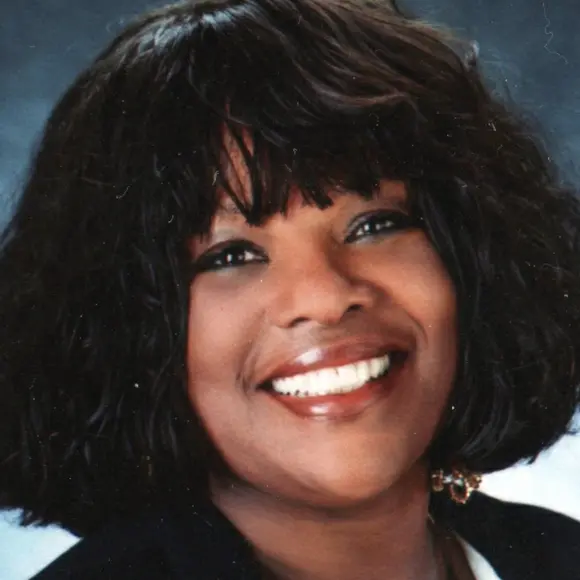
Dr. Marion Mattie Spellman
Founder
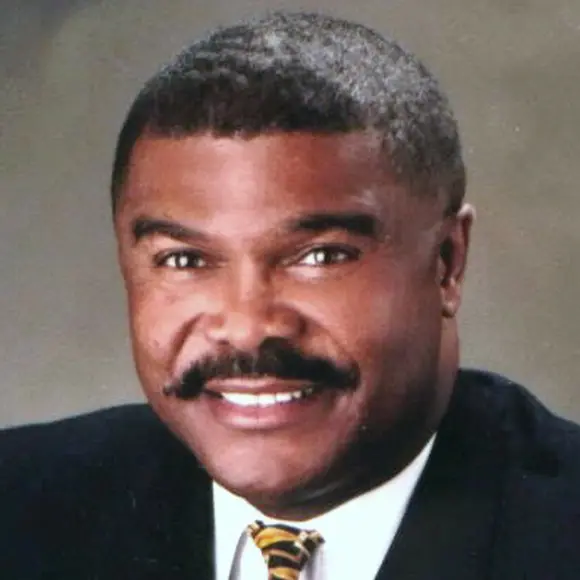
Bishop Harold Spellman
Facility Director / Co-Founder
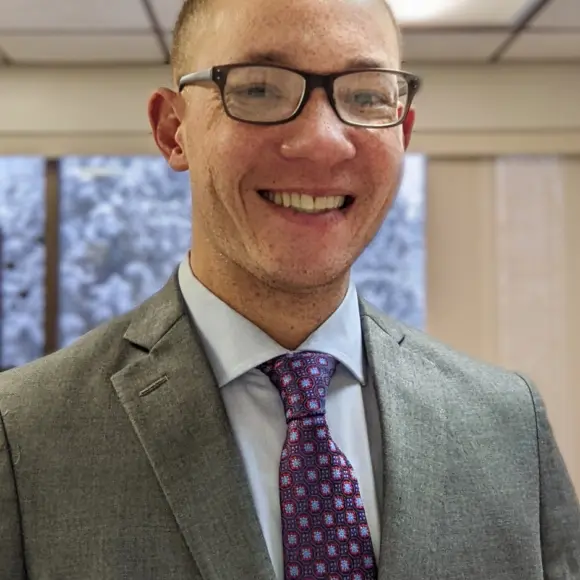
Durean Coleman, BS
Executive Director

Dr. Henry M. Davis
Music Therapy Director
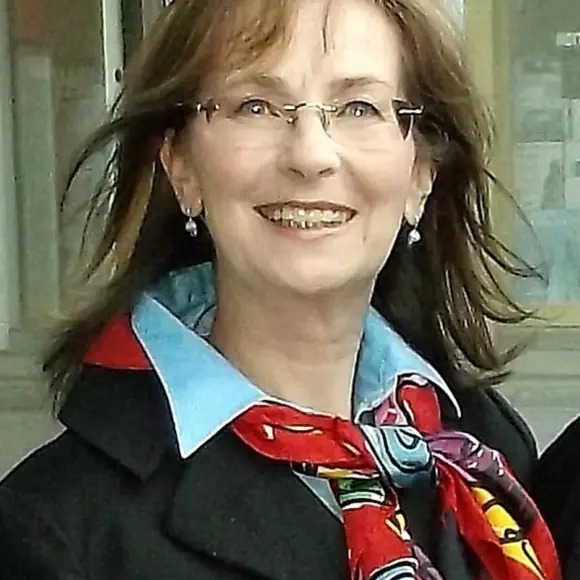
Susan Henry
Secretary to the Executive Director
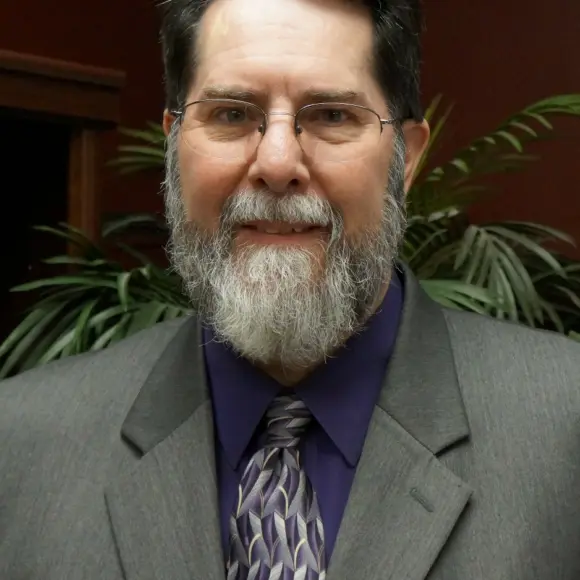
Jeffrey Shaffer, BA
Fiscal Manager
Rehab.com regularly reviews this listing for accuracy but changes may occur between updates. For the most up-to-date information, please contact Peniel Residential Drug and Alcohol Treatment Center.
Contact Information


760 Cooper Avenue
Johnstown, PA 15906
Sponsored Helpline



