










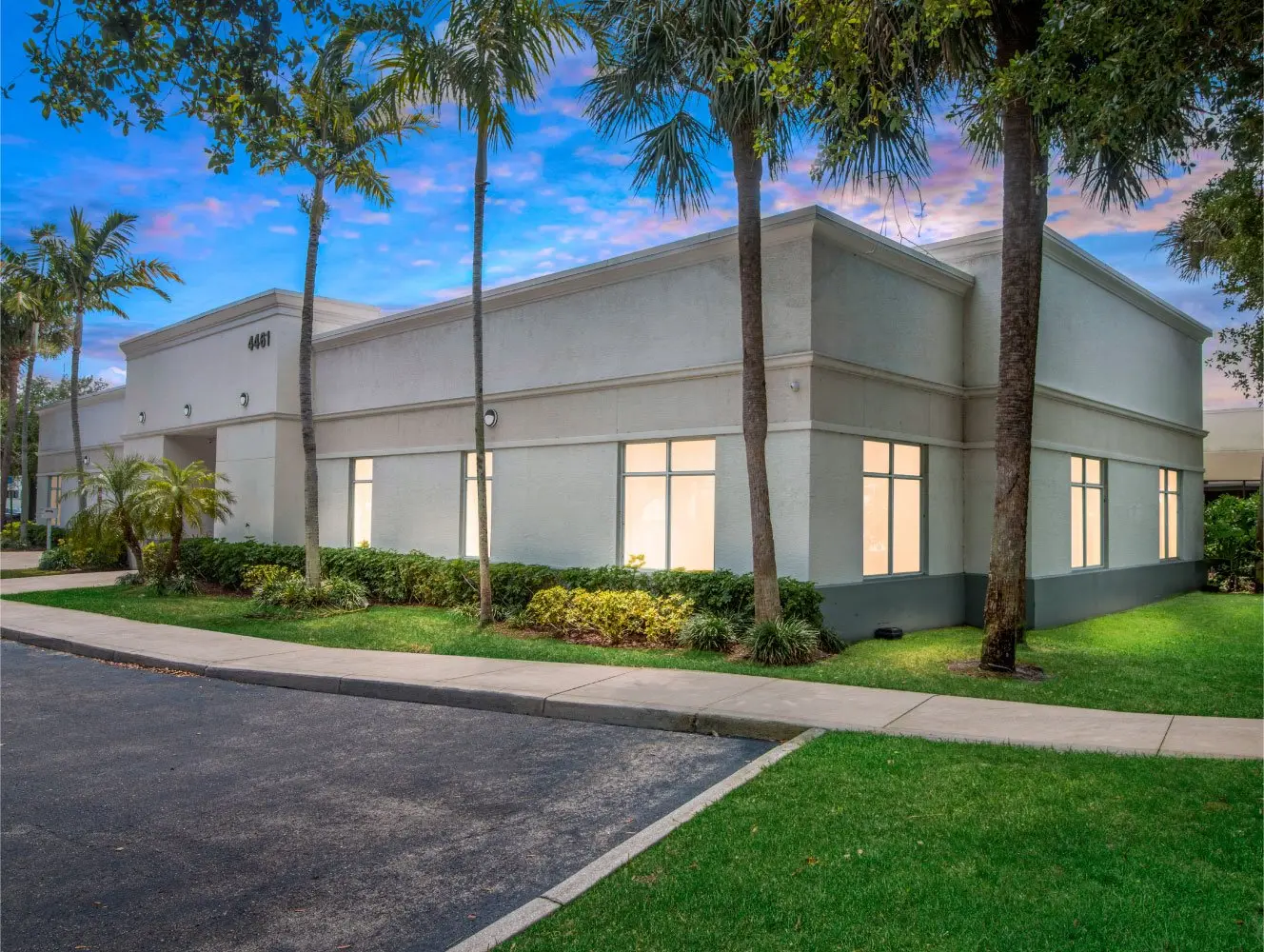
All In Solutions Wellness Center
1
Top 10 Rehab Centers In West Palm Beach



















































































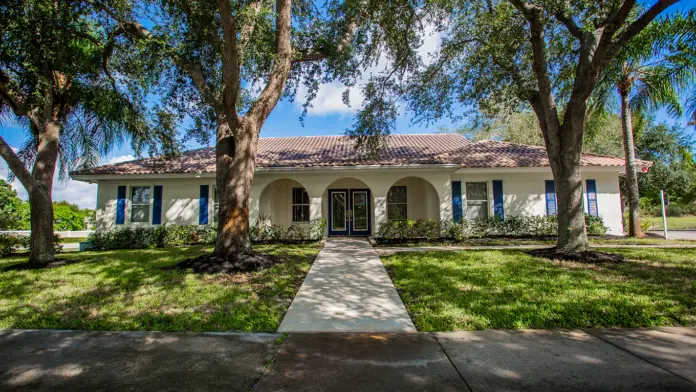
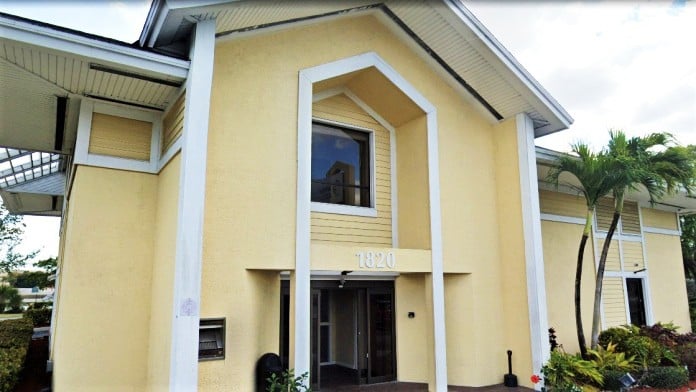
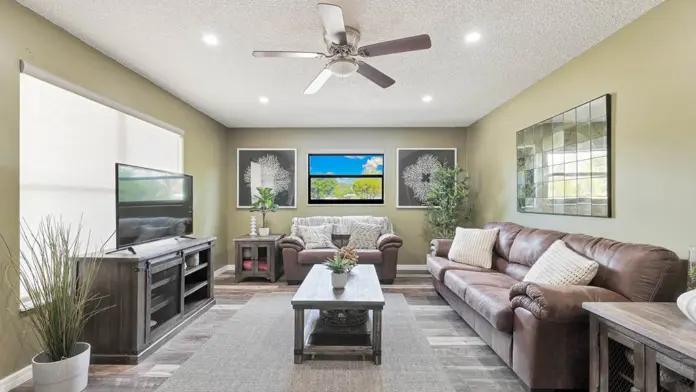
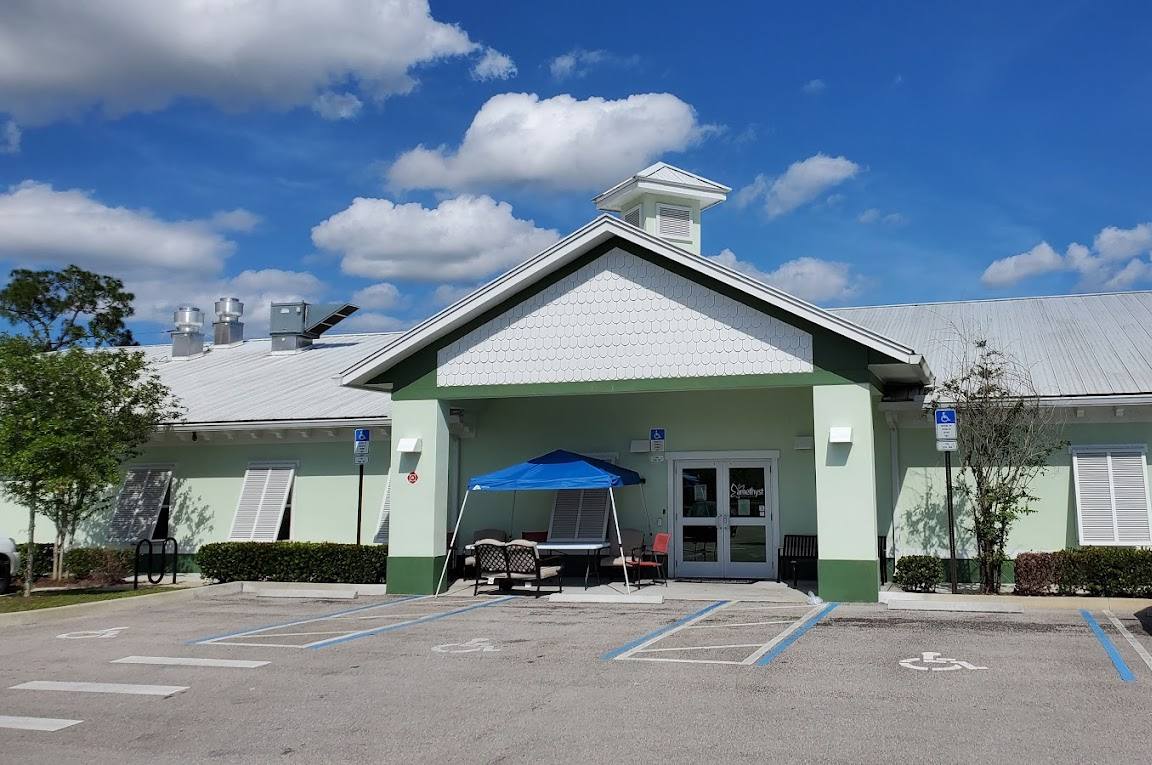
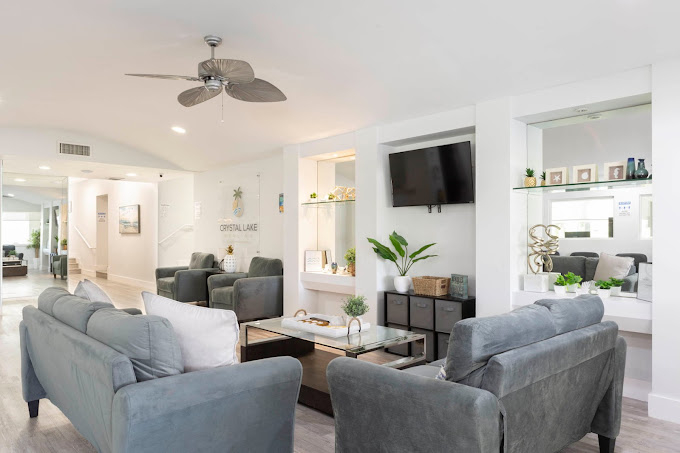
Recreate Life Counseling is located on Seacrest Boulevard in Boynton Beach, Florida. They are located in a home-like setting with ample onsite parking. They offer both inpatient and outpatient behavioral health services for those struggling with substance abuse disorders or mental health conditions.
The community that surrounds the facility is largely residential, with access to Route 1 and near several businesses and churches near the Delray Public Beach. They are also accessible via I-95 and located in close proximity to the Atlantic Ocean.
When you first arrive at Recreate Life, they will evaluate your current mental health state and any addiction issues you may be facing. If you require immediate care, they will provide you with overnight stabilization treatment that typically lasts between 24-48 hours.
Stabilization may include MAT if you are struggling with opioid or alcohol addiction. These medications may assist you with managing cravings and ease your withdrawal symptoms, providing for a more comfortable detoxification experience.
I find it encouraging to know that they offer multiple levels of care that will help you in your recovery, including a partial hospitalization program, day and evening treatment, sober living housing, inpatient rehab and an intensive outpatient program. All of their programs provide supportive therapy and counseling services with medically supervised medication management to support your recovery.
In addition to traditional therapy, I like that they offer several alternative therapy programs that may add a unique method of healing during your recovery. Programs include Reiki healing, art therapy, equine therapy, yoga and adventure therapy, among others. All of these are holistic and relaxing methods to heal your body and mind.

 Our Methodology


Private insurance refers to any kind of healthcare coverage that isn't from the state or federal government. This includes individual and family plans offered by an employer or purchased from the Insurance Marketplace. Every plan will have different requirements and out of pocket costs so be sure to get the full details before you start treatment.
Self-pay involves paying for treatment out of your own pocket. You can use savings or credit, get a personal loan, or receive help from family and friends to fund your treatment. If you don't have insurance or your insurance plan doesn't cover a specific program, self-pay can help ensure you still get the care you need.
12-step programs are addiction recovery models based on Alcoholics Anonymous (AA). A number of substance abuse programs (including some drug and alcohol rehab centers) use the 12 steps as a basis for treatment. Beginning steps involve admitting powerlessness over the addiction and creating a spiritual basis for recovery. Middle steps including making direct amends to those who've been hurt by the addiction, and the final step is to assist others in addiction recovery in the same way. 12-Step offshoots including Narcotics Anonymous (NA), Cocaine Anonymous (CA), Dual Recovery Anonymous (DRA), Sex and Love Addicts Anonymous (SLAA) and Gamblers Anonymous (GA).
Drug and alcohol addiction often takes a heavy toll on one’s body. Over time, a physical dependence can develop, meaning the body physiologically needs the substance to function. Detox is the process of removing drugs and/or alcohol from the body, a process that can be lethal if mismanaged. Medical detox is done by licensed medical professionals who monitor vital signs and keep you safe, healthy, and as comfortable as possible as you go through detox and withdrawal.
Completing a drug or alcohol rehab program shouldn't spell the end of substance abuse treatment. Aftercare involves making a sustainable plan for recovery, including ongoing support. This can include sober living arrangements like halfway houses, career counseling, and setting a patient up with community programs like Alcoholics Anonymous (AA) or Narcotics Anonymous (NA).
Intensive Outpatient programs are for those who want or need a very structured treatment program but who also wish to live at home and continue with certain responsibilities (such as work or school). IOP substance abuse treatment programs vary in duration and intensity, and certain outpatient rehab centers will offer individualized treatment programs. The Intensive Outpatient Program gives patients the chance to participate in a structured treatment plan part-time while they transition back to home and work or other responsibilities.
Outpatient Programs (OP) are for those seeking mental rehab or drug rehab, but who also stay at home every night. The main difference between outpatient treatment (OP) and intensive outpatient treatment (IOP) lies in the amount of hours the patient spends at the facility. Most of the time an outpatient program is designed for someone who has completed an inpatient stay and is looking to continue their growth in recovery. Outpatient is not meant to be the starting point, it is commonly referred to as aftercare.
A partial hospitalization program (PHP) is a short-term form of intensive rehab, usually for those with acute symptoms that are hard to manage but don’t require 24-hour care. PHPs have structured programming (i.e. individual and/or group therapy), and usually meet 3-5 days a week for around 6 hours (i.e. 9am-3m). Some PHPs are residential (patients sleep on site) and some are not, so patients sleep at home. PHPs can last from 1-6 months, and some offer transportation and meals.
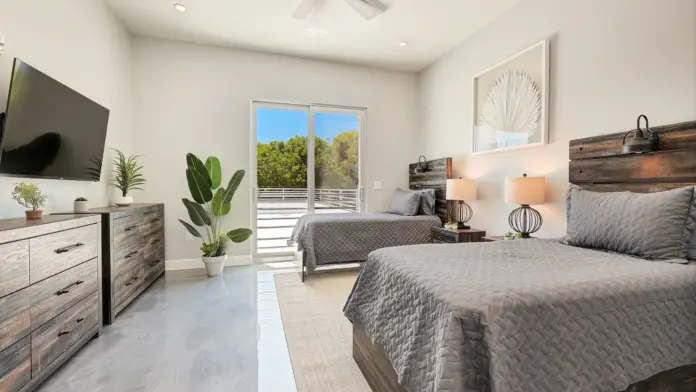
Sober Living Houses (SLHs), aka sober homes or halfway houses, are safe, substance-free, supportive living facilities for those recovering from substance abuse. Ideal for those who've just been through inpatient or outpatient treatment, SLHs are supervised environments with rules that support sobriety, such as curfews, shared chores, and therapeutic meetings. Residents are also often trained on life skills and coping skills to make it easier to transition into society. SLHs also provide a strong sense of community that can lead to the kind of deep and lasting connections with other sober individuals that supports a new, healthy lifestyle.
Residential treatment programs are those that offer housing and meals in addition to substance abuse treatment. Rehab facilities that offer residential treatment allow patients to focus solely on recovery, in an environment totally separate from their lives. Some rehab centers specialize in short-term residential treatment (a few days to a week or two), while others solely provide treatment on a long-term basis (several weeks to months). Some offer both, and tailor treatment to the patient's individual requirements.
Adult rehab programs include therapies tailored to each client's specific needs, goals, and recovery progress. They are tailored to the specific challenges adult clients may face, including family and work pressures and commitments. From inpatient and residential treatment to various levels of outpatient services, there are many options available. Some facilities also help adults work through co-occurring conditions, like anxiety, that can accompany addiction.
Individual therapy often includes Cognitive Behavioral Therapy. This is a structured approach to identifying and changing negative thought patterns. During therapy you learn how what you think drives your actions so you can develop healthier coping strategies to manage addiction triggers and reduce drug use.
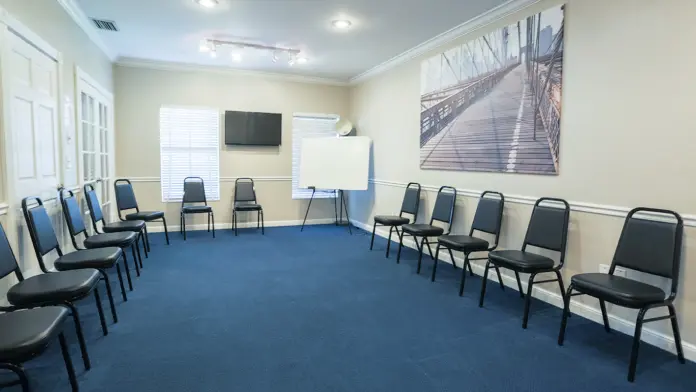
Group therapy provides a safe and supportive environment for people in Florida who are struggling with drug addiction. There you can openly discuss the challenges and progress you're making without fear of judgment from your peers who experience many of the same things you are.
CEO
Medical Director
COO
CCO
Rehab.com regularly reviews this listing for accuracy but changes may occur between updates. For the most up-to-date information, please contact Recreate Life Counseling.

3652 S Seacrest Blvd
Boynton Beach, FL 33435
Sponsored Helpline

this place changed my life 7 years ago. i was eighteen. i met many incredible people who i still keep in touch with to this day. i went for marijuana addiction. to anyone reading this who may be in a similar situation: do not be ashamed to ask for help. weed addiction is serious and can be extremely debilitating. Recreate was amazing with helping me achieve and maintain sobriety. i honestly miss the place sometimes lol

The admissions team is so disrespectful I was thinking about doing treatment there when one of the admissions employee was being very disrespectful towards me & even hung up in my face. This was July 30th @2:40pm I called back to get a name & the other employee simply rushed me off the phone. I highly recommend not coming here.

To the staff of Recreate , thank you from the bottom of my heart . I walked into Recreate in a rough space , and broken, I was allowed to say and get a lot off my mind at recreating without judgement. The staff and Techs were so respectful and professional. My case manager and therapist played a Huge part in my recovery. Lamar , Troy , Rollie , Aisilinn & Peter Thank You

It was the best treatment center i been too i recommend it to anyone needs help I'm thankful this place they help me get sober
 Back
Back
Sharing your insights and experiences can help others learn more about this rehab center.
 Written By: Camille Sylvain
