


























































About Sacred Circle Healthcare
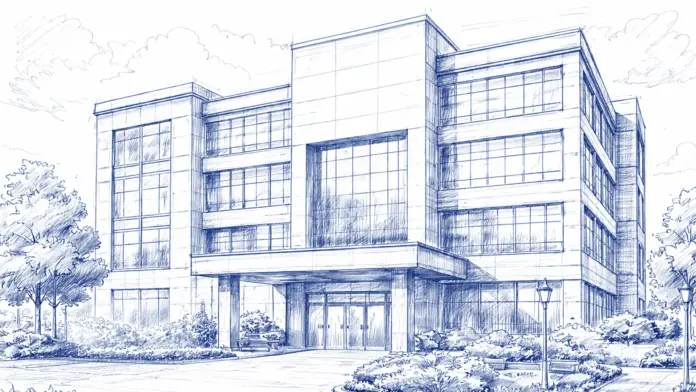
Sacred Circle Healthcare is located in Salt Lake City, Utah. They provide multiple services including behavioral health for co-occurring mental health issues and substance use disorder. They also offer wellness services, physical therapy, primary care services and pain management.
They are located close to hotels, restaurants and local businesses, all within walking distance. Nearby, there are many natural landmarks you can visit including Taufer Park, 4th East Community Garden, Richmond Park and Gallacher Park.
Psychiatric and SUD Treatment for Co-Occurring Disorders
Services work together to help treat co-occurring BHS disorders you may be experiencing. I find it good to know that they offer addiction treatment and therapy through outpatient care. They recognize that addiction is a disease and should be treated with a whole person approach looking at your mental, emotional and physical health conditions that may be affected by SUD.
Medicaid Accepted for All Services
I like that they also accept Medicaid for treatment to address your conditions which may include ADHD, alcohol addiction, depression, smoking, PTSD and other substance use disorders. They provide individual therapy to address and treat the root cause of your addiction along with medication management to treat your co-occurring mental health conditions when needed.
Latest Reviews

Arlene Holland APRN, is part of a specific program with strict safety rules and regulations. This program is highly inclusive of each individual's long-standing history and experience, and we know that in the treatment of complex conditions we have to consider the impact of someone's life, which means that life history may be documented for complete interdisciplinary treatment approaches. Research shows this approach to be very impactful on quality of life for people that suffer from long standing conditions. Due to the uniqueness of this program, we understand that it is not always the right fit for everyone and we strive to make sure that people are allowed the opportunity to be referred out to a program that might be more suitable.



Rehab Score
 Our Methodology


Location
Accepted Insurance
Other Forms of Payment
Medicaid is a state based program that helps lower-income individuals and families pay for healthcare. Medicaid covers addiction treatment so those enrolled can use their coverage to pay for rehab. When a program accepts Medicaid the client often pays very little or nothing out of their own pocket.
Medicare is a federal program that provides health insurance for those 65 and older. It also serves people under 65 with chronic and disabling health challenges. To use Medicare for addiction treatment you need to find a program that accepts Medicare and is in network with your plan. Out of pocket costs and preauthorization requirements vary, so always check with your provider.
Private insurance refers to any kind of healthcare coverage that isn't from the state or federal government. This includes individual and family plans offered by an employer or purchased from the Insurance Marketplace. Every plan will have different requirements and out of pocket costs so be sure to get the full details before you start treatment.
Self-pay involves paying for treatment out of your own pocket. You can use savings or credit, get a personal loan, or receive help from family and friends to fund your treatment. If you don't have insurance or your insurance plan doesn't cover a specific program, self-pay can help ensure you still get the care you need.
Addiction Treatments
Levels of Care
Addiction treatment at an inpatient rehab center is significantly more intensive than outpatient and community-based care. Clients remain at the facility for the duration of their program, though many centers offer supervised group excursions. Inpatient treatment typically consists of extensive psychotherapy, often including group and family counseling. Many programs also prioritize addiction education and recovery-focused life skills training. Holistic therapies, such as yoga, art therapy, EMDR, and meditation, are commonly available as well.
Outpatient rehab programs enable clients to integrate addiction treatment with their routine work and home life. Many facilities offer virtual services and evening, night, and weekend sessions to accommodate clients' schedules. Outpatient care typically includes rigorous psychotherapy, including group and family counseling. Most programs also prioritize addiction education and recovery-focused life skills training. Medication assisted treatment (MAT) is common for clients with alcohol and/or opioid dependency.
Medical detox is the safest way to remove addictive substances from your body under the care of medical professionals. In an inpatient environment, you'll be monitored 24/7 by doctors, nurses, and clinical experts, who will help keep you as safe and comfortable as possible and administer medication if needed to treat any withdrawal symptoms. The process may take up to a week or longer depending on your needs, and is often at least partially covered by insurance.
Treatments
Professional addiction treatment at an alcohol rehab in Utah can help people struggling with alcohol use disorder. This disorder occurs when someone becomes psychologically or physically dependent on alcohol. During treatment, individuals undergo detox to safely withdraw from alcohol. Then, they participate in a customized treatment plan that uses behavioral therapies and support systems to help them move forward in recovery.
In Utah, individuals looking for substance abuse treatment can find several inpatient and outpatient treatment programs. Typically, you can expect the program to include evidence-based therapies such as cognitive-behavioral therapy (CBT), dialectical behavior therapy (DBT), psychoeducation, skills development groups, and experiential therapies, like equine therapy, and adventure therapy. By receiving expert addiction treatment and learning new coping strategies, you'll drastically improve your mental health and the ability to achieve long-term sobriety.
Clinical Services
Therapists may use cognitive behavioral therapy (CBT) in Utah to address substance use and mental health disorders. The main focus is to change thinking patterns, which leads to behavioral change. Subtypes of CBT include exposure therapy, dialectical behavior therapy, and acceptance commitment therapy.
During dialectical behavior therapy in Utah, you'll work on developing four main skills. Interpersonal effectiveness helps you manage your relationships. Mindfulness keeps you present in the current moment rather than worry or regret. Distress tolerance helps you accept emotions. Emotional regulation gives you the tools you need to successfully manage intense emotions.
Contact Information


660 S 200 E Suite 250, Salt Lake City, UT 84111
Sponsored Helpline


