
























































































About Skypoint Recovery Addiction & Mental Health Treatment
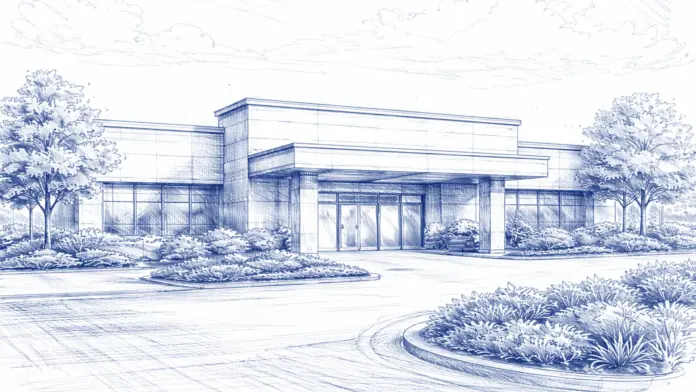
Skypoint Recovery provides substance abuse and mental health treatment in Richmond, Virginia. Clients can expect a complete continuum of care and a compassionate expert team to support their recovery.
They work with most health insurance companies, including Medicaid. The admissions team also helps verify benefits before starting treatment.
Treating With Medications
Skypoint uses medication to help guests struggling with opioid or alcohol addiction. The FDA-approved medicines help lessen symptoms and reduce drug cravings so clients can focus on recovery without uncomfortable distractions. In combination with medication, you’ll receive counseling to learn the cause of your addiction and develop healthy coping mechanisms.
Skills for Life
One of the unique features Skypoint offers is the employment and job skills training programs. Guests learn their strengths and have assistance developing resumes and preparing for job interviews.
Case management provides personalized guidance and connections with other agencies or resources for ongoing care. This service may involve finding safe housing, coordinated healthcare and transportation.
The outpatient treatment allows clients the time to visit nearby attractions that may promote healing, such as the James River. You can enjoy green spaces for walking and hiking.
Facility Overview
 91+
91+ Latest Reviews


We also appreciate your honesty and feedback regarding housing. Hearing directly from our clients is how we continue to grow and improve, and we will make sure your comments are shared with our leadership team so we can address training and support where it’s needed.
Thank you again for taking the time to leave a review. We wish you continued success and strength in your recovery journey.

Hearing that you’re leaving with gratitude and a renewed sense of purpose means the world to us. Miss B, MJ, Jessie, Mike, Anna, the RA team, and our medical staff will be moved by your shout-out and grateful to know the impact they had.
Thank you for trusting us, for doing the hard work, and for allowing us to walk alongside you. We’re excited for the new story ahead of you — keep going, stay connected, and remember you always have a family here at Skypoint. 🌟

Rehab Score
 Our Methodology


Location
Accepted Insurance

Other Forms of Payment
Medicaid is a state based program that helps lower-income individuals and families pay for healthcare. Medicaid covers addiction treatment so those enrolled can use their coverage to pay for rehab. When a program accepts Medicaid the client often pays very little or nothing out of their own pocket.
Private insurance refers to any kind of healthcare coverage that isn't from the state or federal government. This includes individual and family plans offered by an employer or purchased from the Insurance Marketplace. Every plan will have different requirements and out of pocket costs so be sure to get the full details before you start treatment.
Self-pay involves paying for treatment out of your own pocket. You can use savings or credit, get a personal loan, or receive help from family and friends to fund your treatment. If you don't have insurance or your insurance plan doesn't cover a specific program, self-pay can help ensure you still get the care you need.
Addiction Treatments
Levels of Care
Known as the first step of the addiction recovery process, medical detox is the removal of addictive drugs and alcohol from your body and helping manage physical withdrawal. Medically assisted detox takes place in an inpatient setting where you will be closely monitored by a team of medical professionals to ensure your maximum health and safety. Medications like Suboxone or Vivitrol may be administered if needed to alleviate any potential withdrawal symptoms. This process is typically at least partially covered by most insurance plans.
Clients who are in early recovery, leaving detox, or experiencing a crisis often require the intensive treatment of an inpatient rehab facility. Clients in inpatient care receive robust clinical supervision, housing, and meals, allowing them to focus exclusively on their recovery while they stabilize. The primary treatment modalities used in most inpatient centers include extensive addiction counseling and recovery-focused life skills training. Many drug rehabs also offer holistic therapies, such as music, art, fitness, and experiential therapies.
A partial hospitalization program (PHP) offers a structured environment for intensive treatment of behavioral and substance use disorders. PHP treatment can consist of sessions ranging from 6-8 hours per day for an average of 90 days. You can often expect to engage in behavioral therapies, such as cognitive-behavioral therapy (CBT) and dialectical behavior therapy (DBT), and receive medication. PHP treatment is often covered either fully or partially by insurance providers.
Clients in an intensive outpatient rehab (IOP) benefit from robust support but often do not require the high-level supervision and round-the-clock clinical care provided in an inpatient setting. Clients engage in multiple therapeutic sessions weekly, with most programs requiring between nine and 20 treatment hours per week. Intensive outpatient rehabs provide a wide array of evidence-based services, including addiction counseling, recovery-focused life skills training, holistic therapies, and medication assisted treatment (MAT).
Outpatient rehabs offer community-based addiction treatment, enabling clients to remain in their homes while in recovery. Their levels of care typically include partial hospitalization (PHP), intensive outpatient (IOP), standard outpatient, and sober living programming. Most outpatient facilities offer addiction counseling and recovery-focused life skills training. Integrative programs include evidence-based holistic therapies, such as meditation, music therapy, and massage. Facilities specializing in alcohol and/or opioid addiction may also provide medication assisted treatment (MAT).
A sober living home in Vermont offers a balance between monitored structure and living in mainstream society. No alcohol or drugs are allowed on the premises, and residents must participate in 12-step meetings. Residents of the halfway house also agree to submit to random drug screenings, pay rent, and participate in household activities such as meetings, meals, and chores.
Treatments
Alcohol use disorder, which is often used interchangeably with the term alcoholism, is a chronic, relapsing condition. While it is characterized by harmful patterns of alcohol use and physical dependence on the substance, the condition can be managed and treated. Effective alcohol rehab in Virginia is available in a variety of formats, including inpatient, outpatient, medication-assisted therapy, and mutual-support groups.
When you enroll in drug rehab in Virginia, a treatment plan is designed by professional staff in order to help you overcome drug addiction and modify addictive behaviors. This may include evidence-based treatments, group and individual therapy, and relapse prevention.
 Opioid Addiction
In Virginia, dual-diagnosis addiction treatment programs focus on providing integrated care for individuals with co-occurring substance use disorders and mental health conditions. Specialized programs offer medically monitored detox, outpatient, inpatient, and partial hospitalization. Therapies such as cognitive-behavioral therapy (CBT), dialectical behavior therapy (DBT), trauma-informed therapy, and family therapy help to address both disorders simultaneously while promoting mental health and well-being.
Programs
Men face specific challenges and concerns when seeking addiction treatment. Gender-specific recovery programs help them tackle these issues head-on in an environment that's focused, targeted, and distraction-free. It also gives them the opportunity to connect with and learn from other men who have been through a similar journey and can offer support for the next step.
Rehabs for women provide a safe, nurturing space for female clients to heal. These treatment programs consider the specific obstacles that women can face during recovery and place a special emphasis on mental, social, physical, and reproductive health. They explore how each woman's experience has shaped the trajectory of their substance use, addressing issues such as sexual abuse and past trauma.
Clinical Services
Cognitive behavioral therapy in Virginia is a short term form of talk therapy. Participants usually have homework between sessions, which may include journaling, self talk, and setting SMART goals. The aim is to transform negative thought patterns into positive ones.
For those experiencing mental health challenges, including substance use disorder, dialectical behavior therapy in Virginia offers an evidence based method of treatment. This therapy teaches skills for emotional regulation and interpersonal relations so you can break free from negative patterns.
When men and women in Virginia participate in group therapy sessions, they learn to freely express their emotions in a non judgmental setting. This helps you process your feelings and begin to understand the link between your thoughts, feelings, and behaviors that are associated with addictive behavior.
Men and women in Virginia use individual therapy to focus on addiction related challenges as a necessary part of their drug and alcohol addiction treatment. Your therapist guides you in developing coping strategies, setting realistic goals, and building a strong foundation for an improved quality of life.
 Eye Movement Desensitization And Reprocessing
Contact Information


3751 Nine Mile Rd, Richmond, VA 23223
Sponsored Helpline

