





























































































About Spring Lake Ranch
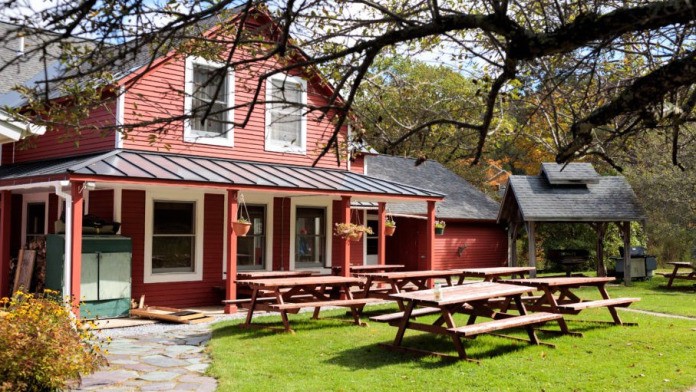
This ranch really piqued my interest because of their vast array of services. Their property has several homes that house anywhere between two to eight residents per household. They also have four crews that you can be assigned to. These include Farm Crew, Gardens Crew, Shop Crew, and Woods Crew.
Each of these crews will give you specific tasks throughout the day. You would be working five hours a day. For example, the Farm Crew will tend to the cows, sheep, chickens, goats and pigs, while the Gardens Crew will tend to the vegetable gardens, help in the kitchen, and more. The Shop Crew helps repair furniture and fix tools. The Woods Crew will spend their time in the 700-acre forest, gathering wood for different tasks around the property.
I thought this was such a cool and interesting way to connect with nature while you recover. I also like that they focus on your strengths rather than your weaknesses.
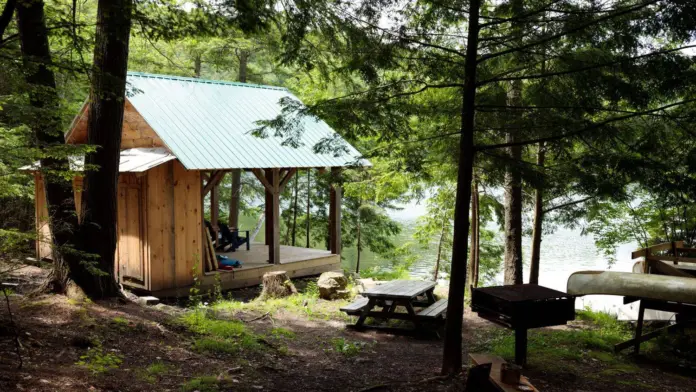
They also have great recreational activities such as hiking, skiing, swimming, camping, and canoeing. Their property also has a fully functional gym and fitness center, a basketball court, a tennis court, and a game room with billiards and table tennis. They even have indoor activities like pottery, yoga, music, sewing, knitting, and art.
Facility Overview
 50
50 Latest Reviews



Rehab Score
 Our Methodology


Gallery
Other Forms of Payment
Private insurance refers to any kind of healthcare coverage that isn't from the state or federal government. This includes individual and family plans offered by an employer or purchased from the Insurance Marketplace. Every plan will have different requirements and out of pocket costs so be sure to get the full details before you start treatment.
Self-pay involves paying for treatment out of your own pocket. You can use savings or credit, get a personal loan, or receive help from family and friends to fund your treatment. If you don't have insurance or your insurance plan doesn't cover a specific program, self-pay can help ensure you still get the care you need.
Financial aid can take many forms. Centers may have grants or scholarships available to clients who meet eligibility requirements. Programs that receive SAMHSA grants may have financial aid available for those who need treatment as well. Grants and scholarships can help you pai for treatment without having to repay.
Medicare is a federal program that provides health insurance for those 65 and older. It also serves people under 65 with chronic and disabling health challenges. To use Medicare for addiction treatment you need to find a program that accepts Medicare and is in network with your plan. Out of pocket costs and preauthorization requirements vary, so always check with your provider.
Medicaid is a state based program that helps lower-income individuals and families pay for healthcare. Medicaid covers addiction treatment so those enrolled can use their coverage to pay for rehab. When a program accepts Medicaid the client often pays very little or nothing out of their own pocket.
Addiction Treatments
Levels of Care
Residential treatment programs are those that offer housing and meals in addition to substance abuse treatment. Rehab facilities that offer residential treatment allow patients to focus solely on recovery, in an environment totally separate from their lives. Some rehab centers specialize in short-term residential treatment (a few days to a week or two), while others solely provide treatment on a long-term basis (several weeks to months). Some offer both, and tailor treatment to the patient's individual requirements.
Rehab aftercare programs approach recovery as a life-long process that requires robust, individualized, and ongoing care. Clients in drug rehab aftercare have typically completed detox and intensive inpatient treatment and are weeks or months into their recovery journey. These programs are designed to promote clients' continued sobriety through a comprehensive portfolio of services aligned with the clients' evolving needs. Peer coaching, career counseling, and relapse prevention services are standard in these continuing care programs.
Medical detox is the process of weaning your body off addictive drugs like alcohol, benzodiazepines, or opioids, under the 24/7 care of medical professionals. Often the first step in the recovery process, medically assisted detox takes place in an inpatient setting, where you will be closely monitored to ensure your maximum health and safety. Medications, like Suboxone or Vivitrol, may be administered if needed to alleviate any potential withdrawal symptoms.
Treatments
The goal of treatment for alcoholism is abstinence. Those with poor social support, poor motivation, or psychiatric disorders tend to relapse within a few years of treatment. For these people, success is measured by longer periods of abstinence, reduced use of alcohol, better health, and improved social functioning. Recovery and Maintenance are usually based on 12 step programs and AA meetings.
A person with substance dependence can achieve recovery through drug rehab in Vermont. Professional staff provide a combination of interventions that are designed to help you attain and maintain abstinence from drugs.
Many of those suffering from addiction also suffer from mental or emotional illnesses like schizophrenia, bipolar disorder, depression, or anxiety disorders. Rehab and other substance abuse facilities treating those with a dual diagnosis or co-occurring disorder administer psychiatric treatment to address the person's mental health issue in addition to drug and alcohol rehabilitation.
A combined mental health and substance abuse rehab has the staff and resources available to handle individuals with both mental health and substance abuse issues. It can be challenging to determine where a specific symptom stems from (a mental health issue or an issue related to substance abuse), so mental health and substance abuse professionals are helpful in detangling symptoms and keeping treatment on track.
Programs
Adult rehab programs include therapies tailored to each client's specific needs, goals, and recovery progress. They are tailored to the specific challenges adult clients may face, including family and work pressures and commitments. From inpatient and residential treatment to various levels of outpatient services, there are many options available. Some facilities also help adults work through co-occurring conditions, like anxiety, that can accompany addiction.
Young adulthood can be an exciting, yet difficult, time of transition. Individuals in their late teens to mid-20s face unique stressors related to school, jobs, families, and social circles, which can lead to a rise in substance use. Rehab centers with dedicated young adult programs will include activities and amenities that cater to this age group, with an emphasis on specialized counseling, peer socialization, and ongoing aftercare.
Clinical Services
During cognitive behavioral therapy in Vermont, you may set SMART goals, engage in guided discovery, journal, and participate in cognitive restructuring. These activities help change patterns of thinking and behavior to address substance use and mental health disorders effectively.
Group therapy is any therapeutic work that happens in a group (not one-on-one). There are a number of different group therapy modalities, including support groups, experiential therapy, psycho-education, and more. Group therapy involves treatment as well as processing interaction between group members.
In individual therapy, a patient meets one-on-one with a trained psychologist or counselor. Therapy is a pivotal part of effective substance abuse treatment, as it often covers root causes of addiction, including challenges faced by the patient in their social, family, and work/school life.
The core principles of motivational interviewing are acceptance, compassion, partnership, and evocation. This collaborative process offers a nonjudgmental environment where the therapist expresses sympathy, highlights the client's strengths, and empowers them to explore necessary change.
During nutrition therapy in Vermont, you'll learn food related skills that will help you in the recovery process. This might include learning what to eat, how to shop for groceries, how to cook nutritious meals, and how addiction affects your nutrition.
Amenities
-
 Private Setting
 -
 Yoga Studio
 -
 Residential Setting
 -
 Private Rooms
Staff & Accreditations
Staff

Rachel Stark
Executive Director

Kevin Molloy
Director of Operations & Admissions

Lynn J. Pilcher
Director of Quality Assurance

Heather Hildebrant, LICSW
Program Director

Rose McCracken
Development & Communications Director

Jill Lober
Finance Manager

Jackie Osborne
Admissions & Transitions Manager

Rita Francisco
Outreach Manager
Accreditations

The Commission on Accreditation of Rehabilitation Facilities (CARF) is a non-profit organization that specifically accredits rehab organizations. Founded in 1966, CARF's, mission is to help service providers like rehab facilities maintain high standards of care.
CARF Accreditation: Yes
Rehab.com regularly reviews this listing for accuracy but changes may occur between updates. For the most up-to-date information, please contact Spring Lake Ranch.
Contact Information


1169 Spring Lake Rd
Shrewsbury, VT 05738
Sponsored Helpline



