






























































































It's good to know that a person is getting help but not suppose to earn money for 6 months is isn't teaching them its hurting there families pocket. Plus $695 fee to get in. They work them only for extra money in the foundries pocket. The process of how they do stuff is weir ...
About The Foundry Ministries
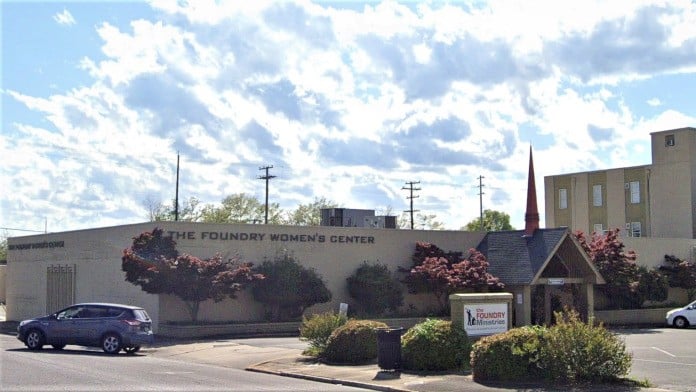
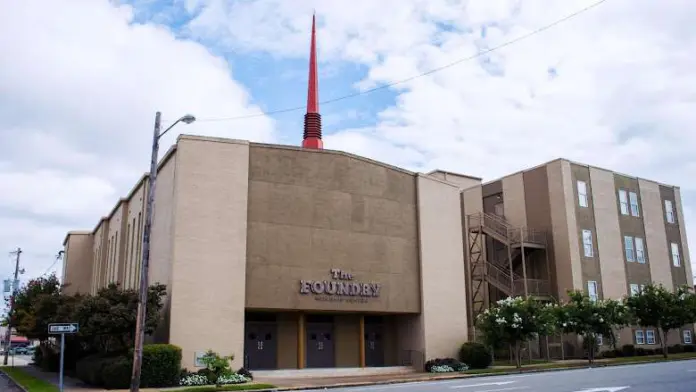
The Foundry Ministries is a faith based recovery program in Bessemer, Alabama, offering long-term residential treatment for men and women struggling with drug and alcohol addiction. The program integrates Christ centered discipleship with counseling, recovery education and life skills development to address addiction and other life controlling issues. The Foundry provides structured, supportive care designed to help residents break free from addiction and build a foundation for lasting recovery.
Long Term Faith-Based Addiction Recovery in Bessemer
The Foundry’s core specialty is its residential recovery program combining biblical counseling, recovery meetings and spiritual formation. Men and women live on campus in a structured environment where they participate in classes, individual and group counseling, relapse prevention and daily chapel services. The program is no cost and mission supported, made possible through donations and thrift store revenue.
Treatment addresses the root causes of addiction while equipping residents with practical tools for recovery. Sessions include recovery education, spiritual development through Bible study and discipleship and ongoing support designed to foster long-term change. The program emphasizes time and structure, giving participants the space needed to heal and rebuild.
Work Therapy and Life Skills Development
Beyond traditional counseling, The Foundry incorporates work therapy and life skills classes as key elements of recovery. Residents engage in work assignments, including thrift store operations, that provide structure, accountability and practical job readiness. This hands-on approach prepares individuals for independent living and successful reintegration into the community.
No Cost for Individuals with Recovery
The Foundry serves men and women across the Birmingham and Bessemer area through on-campus residential programming. Separate recovery centers are available for men and women, with transitional housing options to support the move toward independence.
The program is offered at no cost to participants through mission support and community partnerships.
Latest Reviews
I have so appreciated the gentle loving care they have shown my family.
Wolf Loves his foundry family they are my family they are there when i need them.They have been a great addition to my family.You can get what you want only if you want it dont worry about what others do or think find yourself. LOVE ANTHONY
⭐⭐⭐⭐⭐

Rehab Score
 Our Methodology
Scoring is assigned by a proprietary system which helps surface key metrics that determine quality. The 10-point scale factors in categories such as operations, customer satisfaction, and trust metrics. Read Full Methodology

6.5 / 10
Gallery
Other Forms of Payment
Private insurance refers to any kind of healthcare coverage that isn't from the state or federal government. This includes individual and family plans offered by an employer or purchased from the Insurance Marketplace. Every plan will have different requirements and out of pocket costs so be sure to get the full details before you start treatment.
Self-pay involves paying for treatment out of your own pocket. You can use savings or credit, get a personal loan, or receive help from family and friends to fund your treatment. If you don't have insurance or your insurance plan doesn't cover a specific program, self-pay can help ensure you still get the care you need.
Financial aid can take many forms. Centers may have grants or scholarships available to clients who meet eligibility requirements. Programs that receive SAMHSA grants may have financial aid available for those who need treatment as well. Grants and scholarships can help you pai for treatment without having to repay.
Medicare is a federal program that provides health insurance for those 65 and older. It also serves people under 65 with chronic and disabling health challenges. To use Medicare for addiction treatment you need to find a program that accepts Medicare and is in network with your plan. Out of pocket costs and preauthorization requirements vary, so always check with your provider.
Medicaid is a state based program that helps lower-income individuals and families pay for healthcare. Medicaid covers addiction treatment so those enrolled can use their coverage to pay for rehab. When a program accepts Medicaid the client often pays very little or nothing out of their own pocket.
Addiction Treatments
Levels of Care
Inpatient rehab is designed primarily for clients exiting detox, people in early recovery, and those at an elevated risk of relapse. Participants reside at the rehab facility until they complete their treatment program. This allows them to focus solely on their recovery, away from outside distractions, stressors, and addiction triggers. Inpatient drug rehab typically involves extensive addiction counseling, recovery-focused life skills training, and complementary therapies.
Rehab aftercare programs are designed to provide support to you after completing an addiction treatment program. These programs are highly customized and evolve with your changing needs. You'll partner with staff at the treatment center to identify any specific medical, behavioral, and social services needed to support your sustained sobriety. Aftercare services may include peer coaching, career counseling, and other personalized support.
Sober Living Houses (SLHs), aka sober homes or halfway houses, are safe, substance-free, supportive living facilities for those recovering from substance abuse. Ideal for those who've just been through inpatient or outpatient treatment, SLHs are supervised environments with rules that support sobriety, such as curfews, shared chores, and therapeutic meetings. Residents are also often trained on life skills and coping skills to make it easier to transition into society. SLHs also provide a strong sense of community that can lead to the kind of deep and lasting connections with other sober individuals that supports a new, healthy lifestyle.
At certain points in the recovery process, it's important to have medical support available around the clock, and 24-hour clinical care in Alabama offers a safe environment in which you can begin your recovery journey. This feature offers constant supervision in situations like medical detox, where a team of professionals are on hand to ensure the withdrawal processs is performed safely and comfortably.
Treatments
The goal of treatment for alcoholism is abstinence. Those with poor social support, poor motivation, or psychiatric disorders tend to relapse within a few years of treatment. For these people, success is measured by longer periods of abstinence, reduced use of alcohol, better health, and improved social functioning. Recovery and Maintenance are usually based on 12 step programs and AA meetings.
Drug rehab in Alabama provides medical or psychotherapeutic treatment for drug dependency. Methods of treatment often include a combination of medication, counseling, and recreational therapies.
Opioid rehabs specialize in supporting those recovering from opioid addiction. They treat those suffering from addiction to illegal opioids like heroin, as well as prescription drugs like oxycodone. These centers typically combine both physical as well as mental and emotional support to help stop addiction. Physical support often includes medical detox and subsequent medical support (including medication), and mental support includes in-depth therapy to address the underlying causes of addiction.
Substance rehabs focus on helping individuals recover from substance abuse, including alcohol and drug addiction (both illegal and prescription drugs). They often include the opportunity to engage in both individual as well as group therapy.
Programs
Adult rehab programs include therapies tailored to each client's specific needs, goals, and recovery progress. They are tailored to the specific challenges adult clients may face, including family and work pressures and commitments. From inpatient and residential treatment to various levels of outpatient services, there are many options available. Some facilities also help adults work through co-occurring conditions, like anxiety, that can accompany addiction.
Young adulthood can be an exciting, yet difficult, time of transition. Individuals in their late teens to mid-20s face unique stressors related to school, jobs, families, and social circles, which can lead to a rise in substance use. Rehab centers with dedicated young adult programs will include activities and amenities that cater to this age group, with an emphasis on specialized counseling, peer socialization, and ongoing aftercare.
Recovery is most successful when clients feel accepted and validated by their peers and treatment providers. Facilities that offer LGBTQ-inclusive programming are committed to creating a safe space where everyone can grow and recover without fear of judgment or discrimination. They will have dedicated policies in place to create a safe and supportive environment that fosters free expression.
Rehabs for women provide a safe, nurturing space for female clients to heal. These treatment programs consider the specific obstacles that women can face during recovery and place a special emphasis on mental, social, physical, and reproductive health. They explore how each woman's experience has shaped the trajectory of their substance use, addressing issues such as sexual abuse and past trauma.
Men face specific challenges and concerns when seeking addiction treatment. Gender-specific recovery programs help them tackle these issues head-on in an environment that's focused, targeted, and distraction-free. It also gives them the opportunity to connect with and learn from other men who have been through a similar journey and can offer support for the next step.
Clinical Services
Group therapy provides men and women in Alabama a supportive environment where they can share experiences, build connections, and receive encouragement from their peers who are facing similar challenges with drug addiction and co occurring mental health conditions.
In individual therapy, a patient meets one-on-one with a trained psychologist or counselor. Therapy is a pivotal part of effective substance abuse treatment, as it often covers root causes of addiction, including challenges faced by the patient in their social, family, and work/school life.
Life skills trainings involve all the skills a person must have in order to function successfully in the world. These include time management, career guidance, money management, and effective communication. Truly successful addiction recovery is based on the ability to not only live substance-free, but to thrive. Life skills teaches the practical necessities of functioning in society, which sets clients up for success in life, and therefore sobriety.
Recreational therapy in Alabama integrates sports, art, and outdoor adventures into drug and alcohol addiction treatment. This promotes physical, mental, and emotional health alongside improving social skills, offering a holistic approach to sobriety. Recreational therapy can help you rebuild your life within a supportive and engaging environment.
The goal of cognitive behavioral therapy in Alabama is to lessen the symptoms of certain mental health conditions, including substance abuse and co occurring mental health disorders. It is known as one of the most effective means of treatment for these conditions.
Amenities
-
 Residential Setting
 -
 Private Rooms
Staff
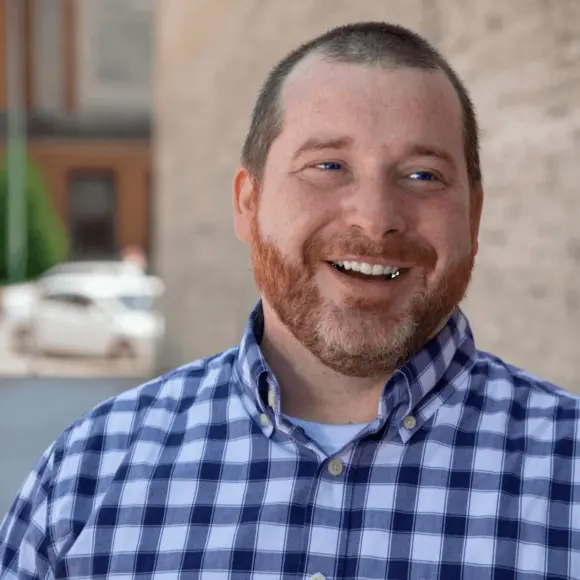
brandon Lackey
Chief of program Officer
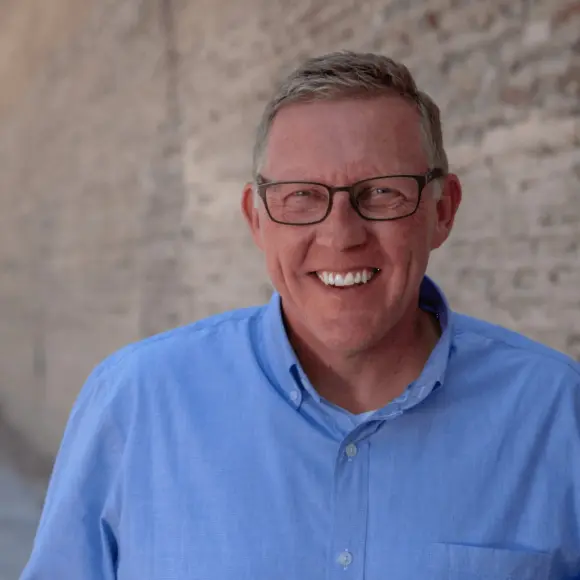
Darrell Garrett
Chief operating manager
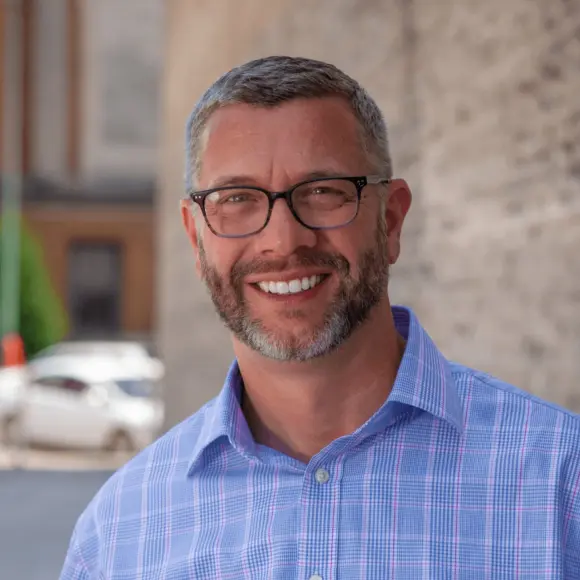
Micah Andrew
CEO
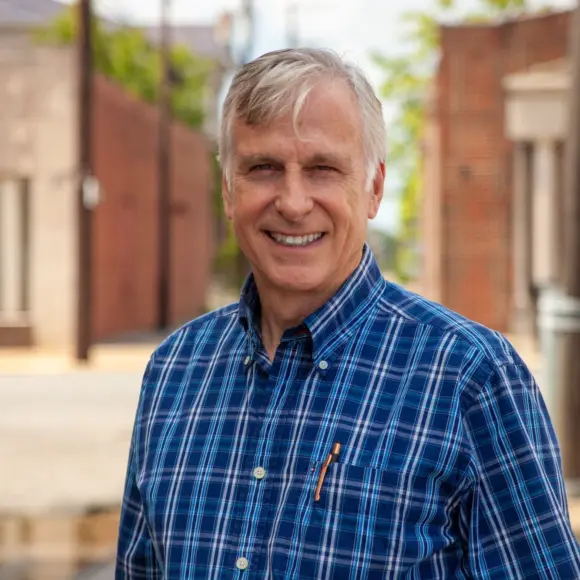
Paul Barber
chief financial officer
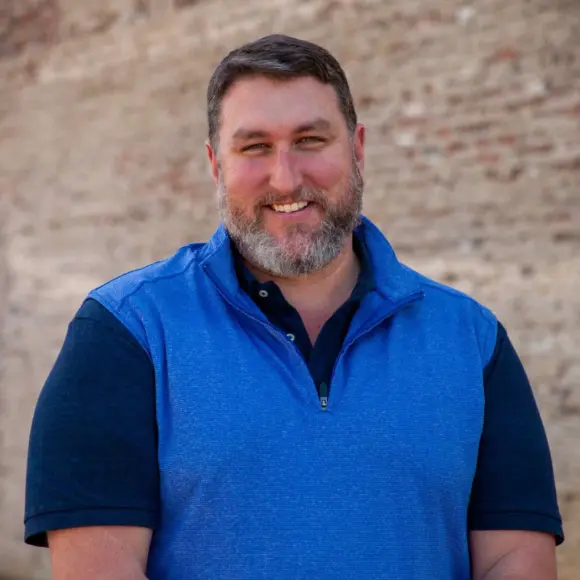
Joey Daly
Chief Development Officer
Rehab.com regularly reviews this listing for accuracy but changes may occur between updates. For the most up-to-date information, please contact The Foundry Ministries.
Contact Information

1800 4th Avenue North
Bessemer, AL 35020
Get Help Now - 334-316-9774
Sponsored Helpline
Sponsored Helpline


