Symetria — Hurst Outpatient Rehab & Suboxone Clinic
1
Top 10 Rehab Centers In Hurst



















































































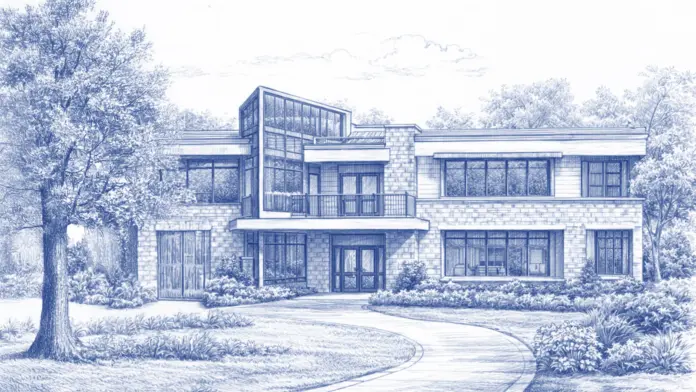
Waterford Academy LLC is a Joint Commission accredited addiction treatment provider in Frisco, Texas, offering intensive outpatient care for teens and adults navigating substance use disorders.
The program combines cognitive behavioral therapy with individual, family and group counseling to support meaningful, lasting recovery.
Waterford Academy aims to deliver structured, professional care that meets clients where they are while keeping families closely involved in the healing process.
Waterford Academy specializes in intensive outpatient treatment for substance use, providing flexible care that allows clients to maintain daily responsibilities while engaging in recovery.
The average length of stay ranges from 15 to 30 days, with programs tailored to both adolescent and adult needs.
Sessions draw on cognitive behavioral therapy to help clients identify thought patterns that fuel substance use and build healthier coping strategies.
Group and family therapy work alongside individual sessions to strengthen accountability, communication and long-term recovery skills.
A clear differentiator at Waterford Academy is its dedicated teen program, which addresses adolescent-specific challenges around substance use.
By involving families in therapy and creating a structured outpatient environment, the program supports young people in building stability while staying connected to school and home life.
Waterford Academy provides in-person intensive outpatient services from its location on Preston Road in Frisco, Texas and holds Joint Commission accreditation.
The program works with BlueCross BlueShield, Cigna, Medicaid, private insurance and self-pay options, with verification of specific benefits available by contacting the facility.
 15 - 30
 Our Methodology


Medicaid is a state based program that helps lower-income individuals and families pay for healthcare. Medicaid covers addiction treatment so those enrolled can use their coverage to pay for rehab. When a program accepts Medicaid the client often pays very little or nothing out of their own pocket.
Private insurance refers to any kind of healthcare coverage that isn't from the state or federal government. This includes individual and family plans offered by an employer or purchased from the Insurance Marketplace. Every plan will have different requirements and out of pocket costs so be sure to get the full details before you start treatment.
Self-pay involves paying for treatment out of your own pocket. You can use savings or credit, get a personal loan, or receive help from family and friends to fund your treatment. If you don't have insurance or your insurance plan doesn't cover a specific program, self-pay can help ensure you still get the care you need.
Intensive outpatient programs offer high-level care for clients as an increased risk of relapse, including those in early recovery, those with a strong history of relapse, and those experiencing a crisis. Intensive outpatient treatment typically requires clients to engage in nine to 20 hours of care weekly, with treatment modalities that combine psychotherapy and recovery education, and holistic therapies, such as acupuncture and animal therapy. Medication assisted treatment (MAT) is also common in alcohol and/or opioid recovery.
Substance abuse treatment is available in Texas for anyone who's struggling with drug or alcohol addiction. These programs usually provide a comprehensive assessment and individualized treatment plan, and include evidence-based treatments, like therapies such as cognitive-behavioral therapy (CBT) to reframe unhelpful coping strategies, and dialectical behavior therapy (DBT) to help with emotional regulation and stress.
Teen programs are designed to address the unique pressures teens face, pressures that can drive them to experiment with dangerous, addictive substances. They need programs that meet them exactly where they are and give them tools for long-term recovery. Therapy can help teenagers understand and work through underlying issues so they can reclaim the life ahead of them.
Adult rehab programs include therapies tailored to each client's specific needs, goals, and recovery progress. They are tailored to the specific challenges adult clients may face, including family and work pressures and commitments. From inpatient and residential treatment to various levels of outpatient services, there are many options available. Some facilities also help adults work through co-occurring conditions, like anxiety, that can accompany addiction.
The goal of cognitive behavioral therapy (CBT) in Texas is to change thought patterns, which leads to changes in behavior. Specific techniques during CBT can include self talk, SMART goals, journaling, and positive activities.
Individual therapy offers you a confidential space to address the complexities of your drug or alcohol addiction. Your therapist guides these personalized sessions to help develop self awareness and manage stress. This promotes sustained sobriety and overall well being.
The purpose of family therapy is to create a supportive and understanding family dynamic within the family unit. Therapists help individual members to identify and change harmful behavior patterns and improve communication. This provides a stable foundation for the family and their loved one's recovery.
Peer support is an important aspect of group therapy sessions for drug and alcohol addiction. As you and your peers share stories and encourage each other, it fosters a sense of community and belonging that helps you process your feelings and reduces the sense of isolation that is associated with addiction.

The Joint Commission, formerly known as JCAHO, is a nonprofit organization that accredits rehab organizations and programs. Founded in 1951, the Joint Commision's mission is to improve the quality of patient care and demonstrating the quality of patient care.
Joint Commission Accreditation: Yes
Rehab.com regularly reviews this listing for accuracy but changes may occur between updates. For the most up-to-date information, please contact Waterford Academy LLC.

5899 Preston Rd, Frisco, TX 75034
Sponsored Helpline

I would avoid this treatment center. The owner, Todd Orme, has ceased making payments to his backers, and has stated his bankruptcy is imminent. You could be in treatment and the doors could be closed the next day. Beware of any "restructuring" too - former employees of Mr. Orme, purporting to be interested in continuing to operate under the Waterford Academy name, have contacted multiple creditors attempting to settle at discounted rates but have not followed through.

Helped me with my drug abuse and taught me many things. All of the staff is amazing and it was a very friendly experience.

Waterford Academy was fantastic for me and my family. The staff members were first class and always professional with a genuine smile. The academy proved to be as much as, and even more, all the referrals said it would be. Thank You Waterford!

From the moment i made the first voice contact with someone at Waterford, I felt like they loved their job. Every step of the way, from phone calls, emails, counseling sessions as well as face to face interactions, that became the norm. This isn't encountered on a daily basis with all the companies we come in contact with and it was quite surprising for me to actually witness the interaction with the staff and clients. The main takeaway is that my son looked forward to his days there. It was his place and he loved the staff as well as developed a bond with his fellow class mates, all of which I could never get that sort of interaction. It changed him. For the better. Today he is a kid that sees a future and knows what to do and what not to do to make that happen. The entire staff, no matter the position is amazing, extremely professional, knowledgeable, helpful, supportive, to both the parent and client and just extraordinary in interacting with clients. It made a difference where previously that never happened. Couldn't be more thankful to Waterford Academy. Thank you.
 Back
Back
Sharing your insights and experiences can help others learn more about this rehab center.