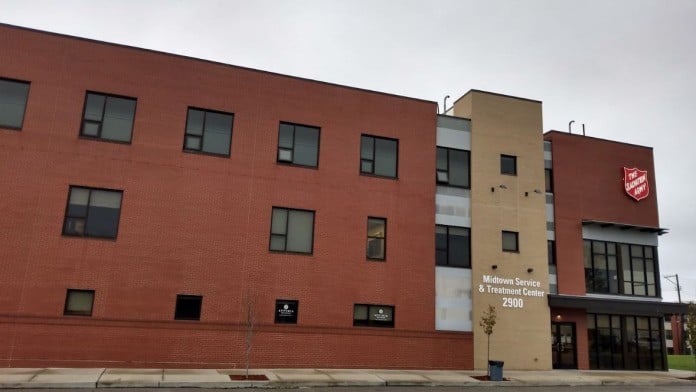
The Salvation Army Midtown Service and Treatment Center
1
Top 10 Rehab Centers In Saint Louis




















































































 Our Methodology


Self-pay involves paying for treatment out of your own pocket. You can use savings or credit, get a personal loan, or receive help from family and friends to fund your treatment. If you don't have insurance or your insurance plan doesn't cover a specific program, self-pay can help ensure you still get the care you need.
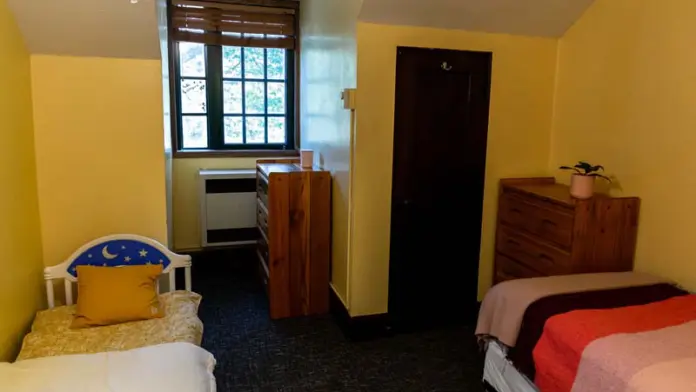
Residential treatment programs are those that offer housing and meals in addition to substance abuse treatment. Rehab facilities that offer residential treatment allow patients to focus solely on recovery, in an environment totally separate from their lives. Some rehab centers specialize in short-term residential treatment (a few days to a week or two), while others solely provide treatment on a long-term basis (several weeks to months). Some offer both, and tailor treatment to the patient's individual requirements. Linden Oaks' Residential Stay Program offers additional support for those who may benefit from a structured living environment. A patient's stay may vary from a few days to 30 days ago. The program includes group, family and individual counseling.
Outpatient Programs (OP) are for those seeking mental rehab or drug rehab, but who also stay at home every night. The main difference between outpatient treatment (OP) and intensive outpatient treatment (IOP) lies in the amount of hours the patient spends at the facility. Most of the time an outpatient program is designed for someone who has completed an inpatient stay and is looking to continue their growth in recovery. Outpatient is not meant to be the starting point, it is commonly referred to as aftercare.
Adult rehab programs include therapies tailored to each client's specific needs, goals, and recovery progress. They are tailored to the specific challenges adult clients may face, including family and work pressures and commitments. From inpatient and residential treatment to various levels of outpatient services, there are many options available. Some facilities also help adults work through co-occurring conditions, like anxiety, that can accompany addiction.
Young adulthood can be an exciting, yet difficult, time of transition. Individuals in their late teens to mid-20s face unique stressors related to school, jobs, families, and social circles, which can lead to a rise in substance use. Rehab centers with dedicated young adult programs will include activities and amenities that cater to this age group, with an emphasis on specialized counseling, peer socialization, and ongoing aftercare.
People benefit from group therapy sessions that offer them the chance to learn and practice conflict resolution skills with their peers. This helps you recognize your strengths and capabilities, which boosts your self confidence as you work toward overcoming addiction and building a healthier lifestyle.
Qualified therapists in Minnesota offer individual therapy to men and women so they can receive customized care tailored to their needs. Your therapist works to understand your unique circumstances and provide you with targeted interventions and coping skills essential for long term recovery.
Families in Minnesota use family therapy to understand the roles they play in addiction. Each member plays a role and contributes to a pattern of behavior. Families learn to interact in healthier ways that support each other and contribute to their loved one's journey to recovery.
 Private Rooms
President & CEO

Director of Training

CFO

Director of Operations
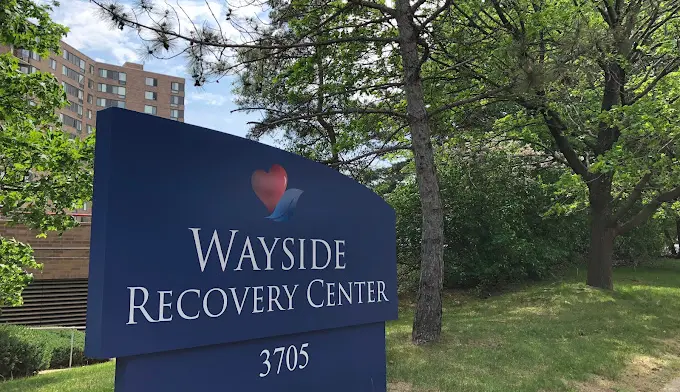
Rehab.com regularly reviews this listing for accuracy but changes may occur between updates. For the most up-to-date information, please contact Wayside Women’s Treatment Center.

3705 Park Center Boulevard
Saint Louis Park, MN 55416
Sponsored Helpline

I had 5 different counselors while I was here. There aren't any clients or staff that sick around. Nobody graduates the program they either leave or are kicked out. The food is nasty and you can't have your own. I only stayed to get it over with. Outpatient has like 4 clients which makes the groups really boring. There was a fun staff but she not there anymore so it's even more boring. Go somewhere else.

This place is awful. The staff turnover is insane and the food is disgusting and they dont let you have your own food which i have never had before at any center ive ever been to. I been here before and it wasnt bad but now id rather be in jail. The clients leave constantly because they hate it so nych and even the staff talk about how terrible the place is and they quit to. I talk to clients and staff at the other wayside locations and there just as bad as this location. It is so obvious they dont care about the clients or the staff. Some staff are really nice but some are just mean and they will kick people out for the smallest reason. And their isn't barely any clients or staff here and they wonder why. I bet they go out of business soon. Which is so sad because Wayside used to be incredible. And I dont need the owner to make some fake apology and talk about how they are committed to blah blah blah. Your actions speak louder than words. Heartless people who have no clue what you're doing. Your driving this center into the ground.

Very transparent on rules not diverse, staff are very inconsistent and short. If you are serious about Treatment, Eosis Tapestry St paul where it's at! #Graduate of #Lattitude Program. Good Luck

My daughter needed a residential treatment. We had a referral & i reached out to this facility multiple times asking for help because my daughter had just went through detox and she needed to get placed somewhere that could help her. They never once called her back. We're going on day 9 of me trying to place her in this facility ,said they were waiting on their clinical team to find out if she could be a resident there. Well, thanks for NEVER getting back to her!!! My 22 year old was begging for help! After research & this reading the reviews, Thank goodness this happened. I would never ever recommend this place. It's pretty dumpy looking too.
 Back
Back
Sharing your insights and experiences can help others learn more about this rehab center.