






























































































Really great place with amazing staff
About McNabb Center — CenterPointe
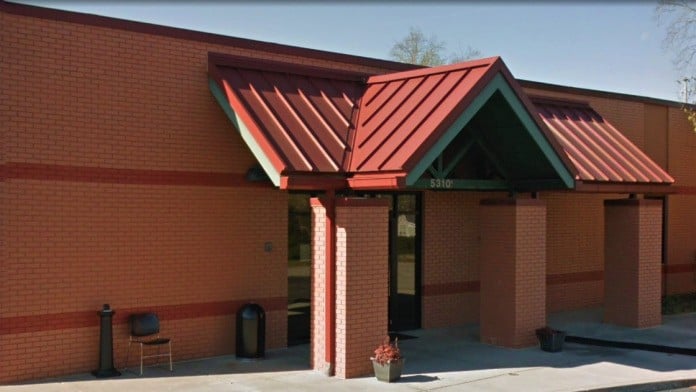
CenterPointe is a substance abuse treatment facility for adults in Knoxville, Tennessee. As part of the McNabb Center, the team provides gender-specific programs for opioid use disorder and integrated mental health support for co-occurring conditions. CenterPointe emphasizes compassionate care that fosters lasting recovery through therapeutic community, peer support, and practical life skills training.
Long-Term Residential Recovery
CenterPointe’s core offering is gender-specific residential treatment for men and women including a specialized Women and Children’s Residential Program that supports mothers in recovery alongside their children. The center uses a therapeutic community model where residents actively participate in one another’s healing while working toward shared recovery goals.
Treatment integrates structured daily programming, individual and group counseling and coordinated medical and behavioral health care. Residents build relapse prevention skills, address underlying trauma and co-occurring mental health challenges, and develop vocational and life skills to support long-term sobriety and successful reintegration into the community.
Integrated Care for Co-Occurring Disorders
CenterPointe treats substance use alongside co-occurring mental health conditions, recognizing that lasting recovery requires addressing both. The center offers medication-assisted treatment for opioid use disorder and coordinates behavioral health services to support holistic healing and reduce barriers to sustained wellness.
Edited by:
Patti Croft, MBA
Facility Overview
 16
16 Number of Available Beds
Latest Reviews
I had a non epileptic seizure, put me in an ambulance and I woke up in a ward at St. Mary's for people with mental health problems, put in a police van, then to Lakeshore Hospital, my parents were lied to about my whereabouts, got me out because I was given Halidol which nearly killed me, and I thought that I would ever recover, but I have. Don't trust facilities that don't care about you. I still drool sometimes and I have a towel that helps keep it off of my pillow(s). I don't remember the date I was there.
A joke of a place. They really let anybody into the mental health field.. Bryan was my counselor and looked me dead in my eyes when I was wanting to sign myself out and said "if you leave, you will kill yourself." As I was already suicidal. I recently just found out my old friend ended up there too at one point and he said the EXACT same thing to her. Do better people. That is sick. Do not recommend.
Response from the owner3 months ago
Hey Alejandra, we appreciate you sharing your experience and invite you to speak with our quality improvement department about any concerns you have. Please call us at 865-637-9711, x3083 if you would like to discuss your experience.
My brother visited McNabb Center — CenterPointe, two years ago. He entered once for alcohol rehabilitation. They kept him approximately 7 days if that long. He was not ready to leave. A few days after being discharged he got back with his toxic girlfriend who introduced my brother to Pinnacle vodka. Her name is Ashley Huskins. She drink steadily as well but I never saw her experience withdrawals like my brother. He would sweat from every single pore on his body, from head to toe. He would vomit profusely. He couldn't hold anything down. He would be so tired. Anyway I called the McNabb Center — CenterPointe, non-stop for 3days The day before my little brother started withdrawals I called the center constantly and left messages about the situation and th the urgency of the situation. The day passed,,my brother called me for help this day about 9am. He had been awake drinking for two days. The toxic girlfriend left him there ,, what I know now to die. The day passed and morning came early at 5an my brother got up throwing up. By about 11 he was jerking uncontrollably and pouring sweat. I would wipe him down with a cold wet rag and he would jerk and he was freezing. I continue to try to make contact with a person at McNabb Center — CenterPointe,, instead of just the answering machine. Around 3pm my brother was still vomiting.. no relief. He was so embarrassed to go to ER due to something that happened the day prior to assume that he had no place at an Emergency room for withdrawals. He was already embarrassed. He would not go to emergency room. So I gave him medicine that I had on hand to try to at least give him a little relief. Finally someone answered the phone at the center and I explained the issue and severe withdrawals. I was told to have him call the next morning at 9am. In my mind I just had to try to get him by until the next morning. I was going to give him just a little bit of alcohol to help with withdrawals but he couldn't even tolerate that. I called 911because my brother had a seizure that put him into cardiac arrest. I watched him look right past me,as the life left my little brother's eyes. I begin CPR which I have never had to do on an actual person only a dummy in practicing for my certification for CPR and first aid. He tried to take a breathe as an officer entered the room where we was. My mom was explaining the situation as I continued CPR. He saw my brother tried to breathe so this idiot narcans him. I also begged him not to because my brother was on Suboxone for approximately 10years. I feel the narcan assisted in my brother's death. In my opinion if the EMS came sooner than 20-30 minutes after CPR began and the officer would not have narcan d him,he probably would have survived. He was fighting so hard. About 3or4 days McNabb Center — CenterPointe, called finally after my baby brother passed. This place McNabb Center — CenterPointe of Knoxville do not truly care about the patients or take their messages seriously.
Response from the owner5 months ago
Hi Stephanie, we appreciate you sharing your experience and invite you to speak with our quality improvement department about any concerns you have. Please call us at 865-637-9711, x3083 if you would like to discuss your experience. 
Rehab Score
 Our Methodology
Scoring is assigned by a proprietary system which helps surface key metrics that determine quality. The 10-point scale factors in categories such as operations, customer satisfaction, and trust metrics. Read Full Methodology

7.1 / 10
Gallery
Accepted Insurance
Other Forms of Payment
Private insurance refers to any kind of healthcare coverage that isn't from the state or federal government. This includes individual and family plans offered by an employer or purchased from the Insurance Marketplace. Every plan will have different requirements and out of pocket costs so be sure to get the full details before you start treatment.
Self-pay involves paying for treatment out of your own pocket. You can use savings or credit, get a personal loan, or receive help from family and friends to fund your treatment. If you don't have insurance or your insurance plan doesn't cover a specific program, self-pay can help ensure you still get the care you need.
Financial aid can take many forms. Centers may have grants or scholarships available to clients who meet eligibility requirements. Programs that receive SAMHSA grants may have financial aid available for those who need treatment as well. Grants and scholarships can help you pai for treatment without having to repay.
Medicare is a federal program that provides health insurance for those 65 and older. It also serves people under 65 with chronic and disabling health challenges. To use Medicare for addiction treatment you need to find a program that accepts Medicare and is in network with your plan. Out of pocket costs and preauthorization requirements vary, so always check with your provider.
Military members, veterans, and eligible dependents have access to specific insurance programs that help them get the care they need. TRICARE and VA insurance can help you access low cost or no cost addiction and mental health treatment. Programs that accept military insurance often have targeted treatment focused on the unique challenges military members, veterans, and their families face.
Medicaid is a state based program that helps lower-income individuals and families pay for healthcare. Medicaid covers addiction treatment so those enrolled can use their coverage to pay for rehab. When a program accepts Medicaid the client often pays very little or nothing out of their own pocket.
Addiction Treatments
Levels of Care
Residential Rehabilitation is a twenty-one to twenty-eight day residential program designed to educate, inform and provide substance abuse treatment in a group format with some individual sessions. Overseen by a medical director, the program provides a team of clinicians (program counselors), milieu counselors and nurses to interact with those who are seeking assistance with substance abuse issues.
Clients in intensive outpatient programs (IOP) receive robust, personalized care to support their reintegration into their community. Clients stepping down from inpatient treatment frequently enroll in IOP before entering standard outpatient care or community-based recovery programs, such as AA. Intensive outpatient treatment generally involves between nine and 20 therapeutic hours weekly, with the frequency and duration of sessions decreasing as clients stabilize. IOP services commonly include counseling, recovery education, holistic therapies, and medication assisted treatment (MAT).
Clients receiving support in a rehab aftercare program typically have abstained from drugs or alcohol for a period of weeks or months and have completed high-level (often inpatient) treatment. Drug rehab aftercare is designed to support clients in maintaining their sobriety as they re-engage with their ordinary lives at home, in the workplace, and in the community. Services are highly individualized and evolve with clients' changing needs, but generally include peer coaching and relapse prevention.
At certain points in the recovery process, it's important to have support available 24/7. 24-hour clinical care offers a safe environment in which to recover from drug or alcohol addiction in peace, knowing medical detox and other treatment will happen with professionals on hand.
Medical Detoxification is a short-term program designed to safely manage the withdrawal signs and symptoms of someone who has been using one or more substances. The protocol for medical detoxification typically lasts 6-12 days. Detox is the process of removing drugs and/or alcohol from the body, a process that can be lethal if mismanaged. Medical detox is done by licensed medical professionals who monitor vital signs and keep you safe, healthy, and as comfortable as possible as you go through detox and withdrawal.
Treatments
The goal of treatment for alcoholism is abstinence. Those with poor social support, poor motivation, or psychiatric disorders tend to relapse within a few years of treatment. For these people, success is measured by longer periods of abstinence, reduced use of alcohol, better health, and improved social functioning. Recovery and Maintenance are usually based on 12 step programs and AA meetings.
When your day-to-day life is taken over by drug use, this is known as substance use disorder. If you abruptly stop using your drug of choice, you experience withdrawal symptoms. To overcome this cycle, professional drug rehab in Tennessee is usually needed.
Many of those suffering from addiction also suffer from mental or emotional illnesses like schizophrenia, bipolar disorder, depression, or anxiety disorders. Rehab and other substance abuse facilities treating those with a dual diagnosis or co-occurring disorder administer psychiatric treatment to address the person's mental health issue in addition to drug and alcohol rehabilitation.
A combined mental health and substance abuse rehab has the staff and resources available to handle individuals with both mental health and substance abuse issues. It can be challenging to determine where a specific symptom stems from (a mental health issue or an issue related to substance abuse), so mental health and substance abuse professionals are helpful in detangling symptoms and keeping treatment on track.
Opioid rehabs specialize in supporting those recovering from opioid addiction. They treat those suffering from addiction to illegal opioids like heroin, as well as prescription drugs like oxycodone. These centers typically combine both physical as well as mental and emotional support to help stop addiction. Physical support often includes medical detox and subsequent medical support (including medication), and mental support includes in-depth therapy to address the underlying causes of addiction.
Programs
Adult rehab programs include therapies tailored to each client's specific needs, goals, and recovery progress. They are tailored to the specific challenges adult clients may face, including family and work pressures and commitments. From inpatient and residential treatment to various levels of outpatient services, there are many options available. Some facilities also help adults work through co-occurring conditions, like anxiety, that can accompany addiction.
Young adulthood can be an exciting, yet difficult, time of transition. Individuals in their late teens to mid-20s face unique stressors related to school, jobs, families, and social circles, which can lead to a rise in substance use. Rehab centers with dedicated young adult programs will include activities and amenities that cater to this age group, with an emphasis on specialized counseling, peer socialization, and ongoing aftercare.
Clinical Services
Typical cognitive behavioral therapy in Tennessee involves recognizing negative thinking and learning techniques to change that thinking and create new, positive behaviors. Strategies may include SMART goals, journaling, and situation exposure.
Group therapy is any therapeutic work that happens in a group (not one-on-one). There are a number of different group therapy modalities, including support groups, experiential therapy, psycho-education, and more. Group therapy involves treatment as well as processing interaction between group members.
Therapy services are an integral part of the integrated services provided by the Center's outpatient clinics. Clients are identified for therapy services after a psychosocial assessment is conducted at an intake appointment or at any other time during their treatment process. Therapy clients demonstrate a need to work out their life problems in a one-on-one relationship with a helping professional. Each therapy session is tailored to the needs of each client.
If you participate in motivational interviewing in Tennessee, your therapist will focus on four key strategies: open questions, affirmation, reflections, and summarizing. Rather than confront or warn you to change, the clinician will allow you to explore your own motivations and decide what changes you may need to make in your life.
Trauma therapy addresses traumatic incidents from a client's past that are likely affecting their present-day experience. Trauma is often one of the primary triggers and potential causes of addiction, and can stem from child sexual abuse, domestic violence, having a parent with a mental illness, losing one or both parents at a young age, teenage or adult sexual assault, or any number of other factors. The purpose of trauma therapy is to allow a patient to process trauma and move through and past it, with the help of trained and compassionate mental health professionals.
Research clearly demonstrates that recovery is far more successful and sustainable when loved ones like family members participate in rehab and substance abuse treatment. Genetic factors may be at play when it comes to drug and alcohol addiction, as well as mental health issues. Family dynamics often play a critical role in addiction triggers, and if properly educated, family members can be a strong source of support when it comes to rehabilitation.
Amenities
-
 Residential Setting
 -
 Private Setting
Staff & Accreditations
Staff
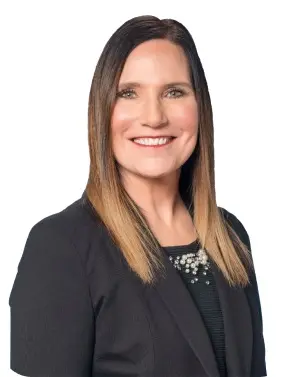
Mona Blanton-Kitts
President & CEO
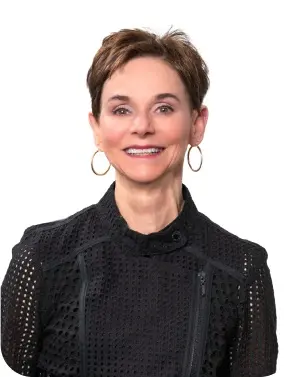
Candace Allen
Clinica VP
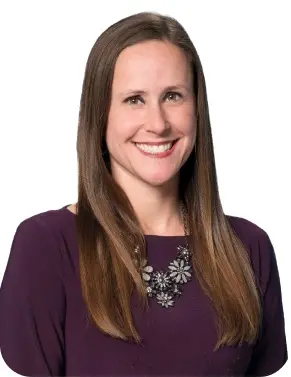
Stephanie Carter
Senior VP of Operations
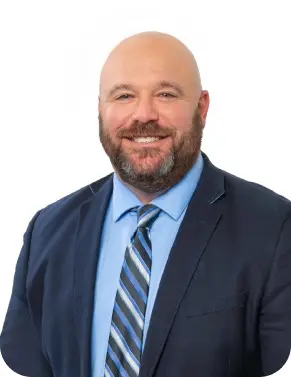
Jason Lay
CFO & VP
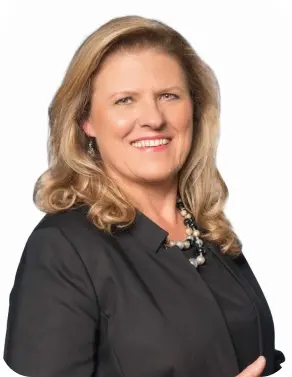
Dr. Dovile Paulauskas
Chief Medical Officer
Accreditations

The Commission on Accreditation of Rehabilitation Facilities (CARF) is a non-profit organization that specifically accredits rehab organizations. Founded in 1966, CARF's, mission is to help service providers like rehab facilities maintain high standards of care.
CARF Accreditation: Yes
Contact Information

5310 Ball Camp Pike
Knoxville, TN 37921
Get Help Now - 865-855-6975
Sponsored Helpline
Sponsored Helpline

