















































































































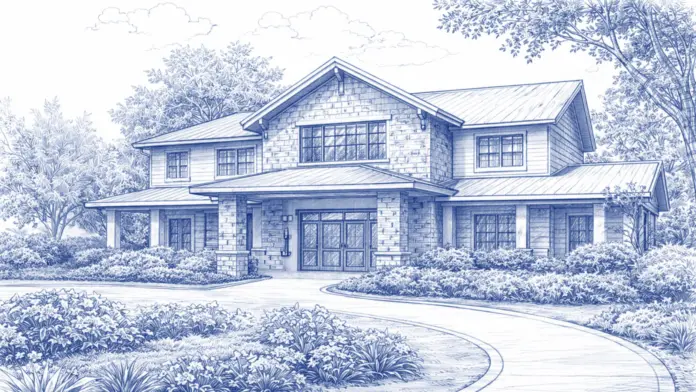
About Alliant
Alliant is a substance use treatment center in Shaker Heights, Ohio offering flexible outpatient services and recovery housing for adults seeking freedom from addiction. Located on Lee Rd, the program provides partial hospitalization, intensive outpatient and outpatient care along with telehealth options and medication assisted treatment.
Accredited by The Joint Commission, Alliant delivers personalized care that addresses co-occurring mental health conditions and supports long term recovery.
Addiction Treatment Programs
Clients can begin with an assessment to determine the most appropriate level of care, whether that is a partial hospitalization program for intensive daily support or an intensive outpatient program that allows for work or family commitments. Alliant also offers traditional outpatient counseling and recovery housing as part of a complete continuum designed to meet clients wherever they are in their journey.
Treatment includes cognitive behavioral therapy and group therapy, peer support and holistic modalities such as meditation and art therapy.
Alliant specializes in treating substance use disorders involving alcohol, opioids and other drugs while also addressing co-occurring conditions like depression, anxiety and PTSD through dual diagnosis care and MAT.
Quick Facts
- Levels of care: PHP and IOP, outpatient services, recovery housing and telehealth options
- Who they treat: Adults 18 and over, co ed and gender specific tracks, veterans and first responders
- Approach: Evidence based therapies including CBT, holistic care and medication assisted treatment
- Languages: Services available in English and Spanish
- Payment options: Medicaid and most major insurance plans, self pay and flexible payment plans.
- Accreditation: Accredited by The Joint Commission for quality and safety

Rehab Score
 Our Methodology


Location
Other Forms of Payment
Medicaid is a state based program that helps lower-income individuals and families pay for healthcare. Medicaid covers addiction treatment so those enrolled can use their coverage to pay for rehab. When a program accepts Medicaid the client often pays very little or nothing out of their own pocket.
Self-pay involves paying for treatment out of your own pocket. You can use savings or credit, get a personal loan, or receive help from family and friends to fund your treatment. If you don't have insurance or your insurance plan doesn't cover a specific program, self-pay can help ensure you still get the care you need.
Financing your treatment can make treatment more accessible. You'll work with your care provider to set up payment plans, including interest rates and repayment timelines. Financing options vary widely and not all programs offer them, so be sure to get the full details before enrolling in treatment. If you have insurance or other benefits, financing may help you cover your remaining out of pocket expenses.
Addiction Treatments
Levels of Care
Designed for individuals with moderate to severe addictions, a partial hospitalization program (PHP) provides a more intensive form of outpatient therapy. PHP treatment can serve as an alternative to inpatient hospitalization or as a step-down option after being discharged from a hospital or residential program. A partial hospitalization program typically requires a minimum of 20 hours weekly for an average of 90 days. Depending on your care plan, PHPs can include relapse prevention, medication management, and behavioral therapy services.
Intensive outpatient programs (IOP) are designed for clients who need frequent, high-level care but do not require, or choose to forgo, inpatient treatment. Most intensive outpatient rehabs offer a minimum of nine hours of treatment weekly, though clients may receive up to 20 hours of care as needed. These programs typically combine various treatment modalities, including individual, group, and family counseling, medication assisted treatment (MAT), addiction and recovery education, and evidence-based complementary therapies, such as acupuncture and massage.
Outpatient rehabs offer robust wraparound care for clients who are stepping down from intensive inpatient care, with many facilities providing multiple levels of care, including partial hospitalization (PHP), intensive outpatient (IOP), sober living/halfway housing, and standard outpatient programming. Clients may also elect to enroll in outpatient care immediately after completing inpatient detox. Those who are at lower risk of withdrawal complications may also choose to receive ambulatory medical detox from an outpatient facility. Outpatient programs typically involve addiction counseling, recovery education, and/or medication assisted treatment (MAT). Holistic therapies, such as art and music therapy, are commonly available.
A sober living home in Ohio is often recommended for those completing a drug rehab program. When you leave the structured setting of rehab, returning home can trigger relapse due to the abrupt change in environment. Men's and women's sober living homes act as transitional spaces to continue developing tools for recovery before fully re-entering society. It gives you time to adjust to the demands of life, in a setting that is free from substances.
When in-person visits aren't feasible, telehealth in Ohio can allow you to get the support you need remotely. Telehealth services are provided via text messaging, video conferencing, or other telecommunication technology, so you can access care from anywhere.
Treatments
An alcohol use disorder (AUD), also commonly called alcoholism, can range from mild to severe. It involves compulsive consumption of alcohol and maladaptive patterns of drinking that lead to negative physical, social, and relational consequences. Diverse treatment programs are available for people with AUD. Mutual-support groups, medications, and behavioral treatments are provided through alcohol rehab in Ohio. If co-occurring disorders are present, it is important to receive treatment for both disorders.
 Opioid Addiction
Drug rehab in Ohio provides comprehensive treatment to address the physical and psychological needs of those struggling with substance use disorders. This may involve inpatient and/or outpatient care.
Ohio's substance abuse treatment programs can support individuals struggling with drug and alcohol use. Typically available on an outpatient or inpatient basis, these programs employ evidence-based therapies such as cognitive-behavioral therapy (CBT), dialectical behavior therapy (DBT), and holistic approaches to provide effective addiction treatment. This comprehensive approach ensures long-term sobriety, improved mental health, and coping skills to overcome risk of relapse.
Treatment for drug and alcohol addiction addresses both the physical and the mental health impacts caused by a consistent supply of addictive substances. When addressing both an addiction and a mental health disorder simultaneously, a dual diagnosis treatment center is required. Staff are certified to deal with these complex conditions and equipped to deal with mental health emergencies that may occur.
In Ohio, dual-diagnosis addiction treatment programs provide specialized care for individuals with co-occurring substance use disorders and mental health conditions. These programs offer outpatient, residential drug and alcohol rehab, and intensive outpatient options. Treatment usually includes a thorough mental health assessment, tailored treatment plan, various types of therapy, and education to equip you with the tools to achieve and maintain your sobriety.
Programs
Adult rehab programs include therapies tailored to each client's specific needs, goals, and recovery progress. They are tailored to the specific challenges adult clients may face, including family and work pressures and commitments. From inpatient and residential treatment to various levels of outpatient services, there are many options available. Some facilities also help adults work through co-occurring conditions, like anxiety, that can accompany addiction.
Serving in the military is both mentally and physically challenging, and can result in trauma that persists even after combat ends. Military programs are tailored to the specific and often complex needs of active duty personnel, veterans, and military families. Clients often access these programs through the U.S. Department of Veterans Affairs (VA).
Clinical Services
Cognitive behavioral therapy in Ohio may occur in individual, group, or family sessions. It involves focusing on specific thought and behavior problems. Participants learn coping techniques and are asked to practice them as homework between sessions.
Creative arts therapy can be an effective tool for recovery. It can relieve depression and anxiety and help you feel more in control of your life. Through creative expression, it can help you explore difficult emotions and process challenging situations.
Participants of group therapy sessions typically learn coping skills, communication techniques, and relapse prevention strategies. This unique set of skills helps you to navigate the challenges you find in the community and supports your long term sobriety.
Accreditations

The Joint Commission, formerly known as JCAHO, is a nonprofit organization that accredits rehab organizations and programs. Founded in 1951, the Joint Commision's mission is to improve the quality of patient care and demonstrating the quality of patient care.
Joint Commission Accreditation: Yes
Contact Information


3535 Lee Rd, Shaker Heights, OH 44120
Sponsored Helpline
