










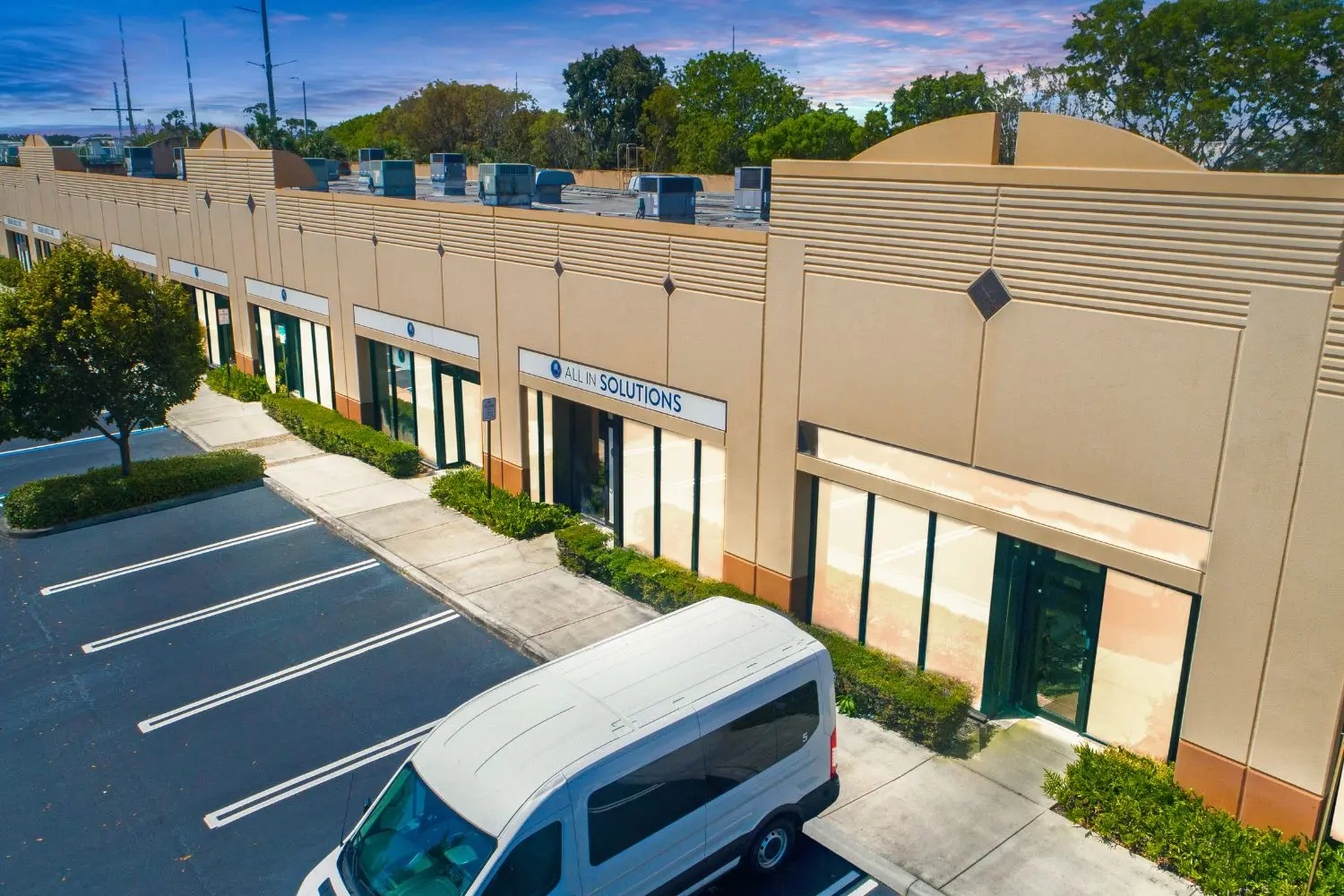
All In Solutions Counseling Center
1
Top 10 Rehab Centers In Boynton Beach



















































































Recovery begins with an assessment to help them determine your needs. They will evaluate symptoms and history to get a complete picture of the necessary treatment plan.
Medical detox focuses on stabilization. Medication-assisted treatment (MAT) is available to lessen withdrawal symptoms and reduce drug cravings. The process is supervised for safety and comfort.
Their residential program provides round-the-clock medical care. You have a controlled setting to keep you engaged in recovery. They use proven therapy methods like cognitive behavioral therapy (CBT) or dialectical behavior therapy (DBT) to examine thinking patterns and behaviors. Sessions can help you change unhealthy actions into positive behaviors conducive to a life of sobriety.
You may uncover the root causes of your addiction and work on developing healthy coping skills, recognizing substance use triggers and learning relapse prevention methods. Peer support helps reduce feelings of isolation that are often typical with addiction issues.
They also have acupuncture, which helps reduce pain, stress, and anxiety. It can promote relaxation and positive energy. Massage therapy helps you relax and stimulate blood flow. Massage assists with pain and stress reduction. It can also be beneficial for withdrawal symptoms.
Aftercare is available through their alumni program. It provides continued support with group therapy, meetings and community events. Guests retain connections with peers and have a community of support to help hem maintain long-term sobriety.

 $230
$230 
 Our Methodology



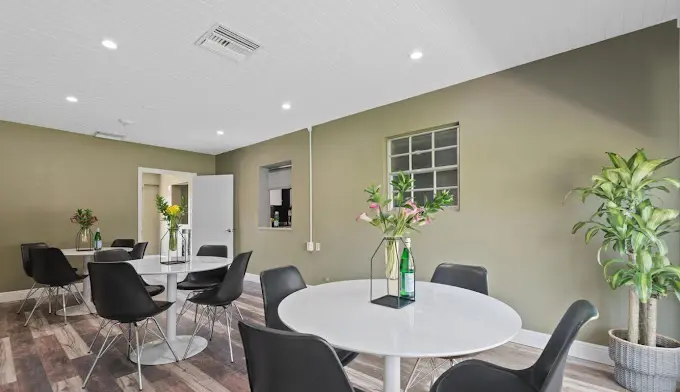
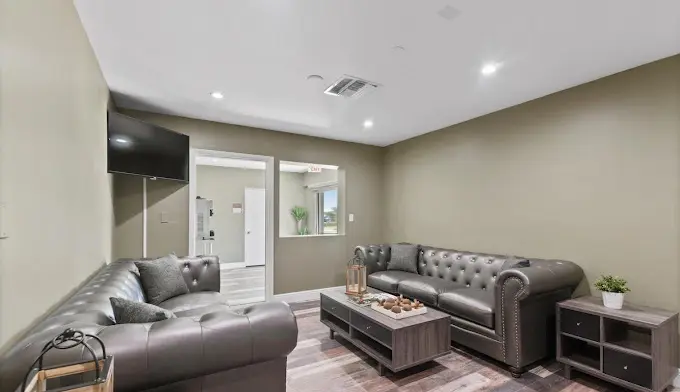
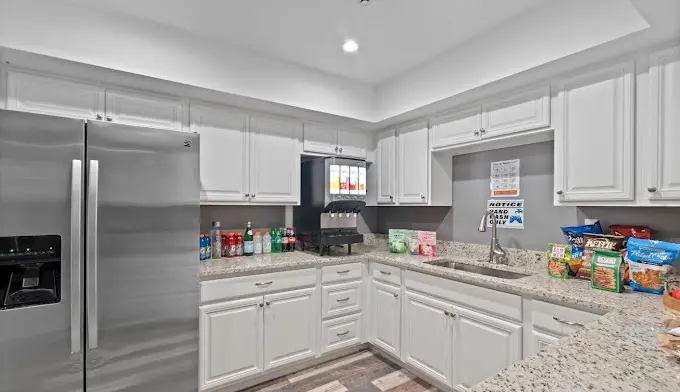
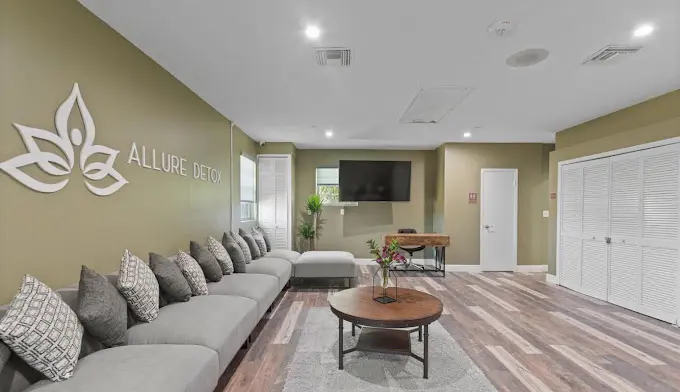
Self-pay involves paying for treatment out of your own pocket. You can use savings or credit, get a personal loan, or receive help from family and friends to fund your treatment. If you don't have insurance or your insurance plan doesn't cover a specific program, self-pay can help ensure you still get the care you need.
Private insurance refers to any kind of healthcare coverage that isn't from the state or federal government. This includes individual and family plans offered by an employer or purchased from the Insurance Marketplace. Every plan will have different requirements and out of pocket costs so be sure to get the full details before you start treatment.
Military members, veterans, and eligible dependents have access to specific insurance programs that help them get the care they need. TRICARE and VA insurance can help you access low cost or no cost addiction and mental health treatment. Programs that accept military insurance often have targeted treatment focused on the unique challenges military members, veterans, and their families face.
Outpatient Programs (OP) are for those seeking mental rehab or drug rehab, but who also stay at home every night. The main difference between outpatient treatment (OP) and intensive outpatient treatment (IOP) lies in the amount of hours the patient spends at the facility. Most of the time an outpatient program is designed for someone who has completed an inpatient stay and is looking to continue their growth in recovery. Outpatient is not meant to be the starting point, it is commonly referred to as aftercare.
Clients typically choose inpatient rehab when they are in early recovery or are experiencing a crisis that puts them at an increased risk of relapse. They reside at the treatment center for the length of their program, which may range from two weeks to more than 18 months, depending on the program design. Intensive psychotherapy is often the primary treatment modality, but clients in inpatient care may also receive holistic treatment and recovery-focused life skills training.
The first step of the recovery process involves the removal of all drugs and alcohol from your system while under 24/7 medical supervision. Known as a medically assisted detox, you are closely monitored by medical staff who can provide medications, if necessary, to help alleviate any potential withdrawal symptoms. Medical detox is usually followed by a period of inpatient addiction treatment.
12 step programs support recovery through emotional, psychological, and spiritual development to address the root causes of addiction. These programs are peer directed, with participants regularly attending 12 step meetings, which are anonymous, free, and accessible day and night, year-round. Recovery is based on "working the steps" to understand the source of addiction, take accountability for one's life choices, and relinquish control for that which cannot be changed. Age-specific, gender-separate, and other specialized programs are widely available.
Adult rehab programs include therapies tailored to each client's specific needs, goals, and recovery progress. They are tailored to the specific challenges adult clients may face, including family and work pressures and commitments. From inpatient and residential treatment to various levels of outpatient services, there are many options available. Some facilities also help adults work through co-occurring conditions, like anxiety, that can accompany addiction.
Serving in the military is both mentally and physically challenging, and can result in trauma that persists even after combat ends. Military programs are tailored to the specific and often complex needs of active duty personnel, veterans, and military families. Clients often access these programs through the U.S. Department of Veterans Affairs (VA).
Therapists who apply cognitive behavioral therapy in Florida believe patient thoughts and behaviors are closely linked. They use this treatment method to help clients change their thought patterns so they can also change behaviors and break free from substance abuse.
Dialectical behavior therapy in Florida consists of individual therapy and group instruction. This structured program is a form of psychotherapy that incorporates the development of skills for managing emotions and relationships.
Individual therapy often includes Cognitive Behavioral Therapy. This is a structured approach to identifying and changing negative thought patterns. During therapy you learn how what you think drives your actions so you can develop healthier coping strategies to manage addiction triggers and reduce drug use.
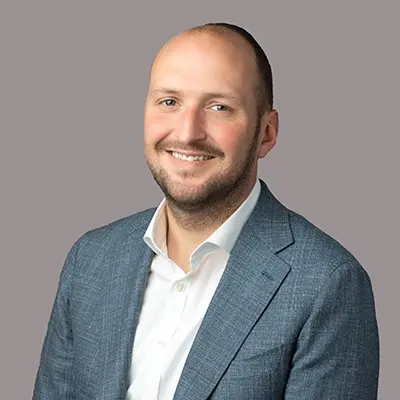
CEO
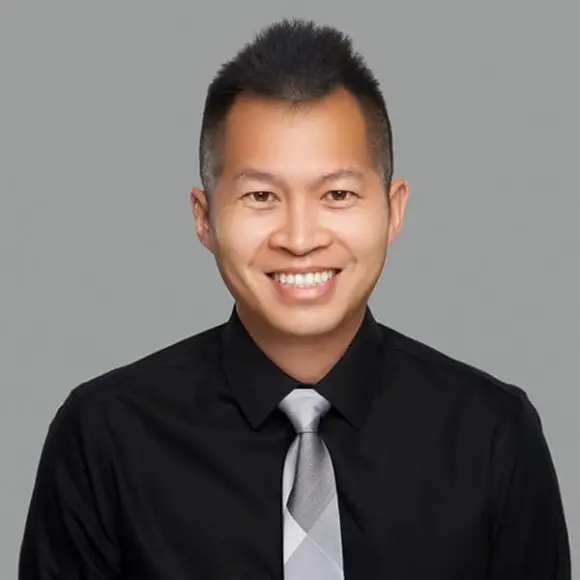
Medical Director
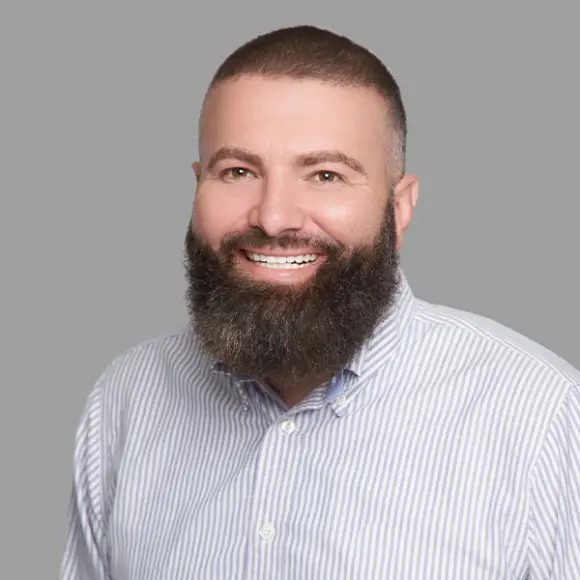
COO
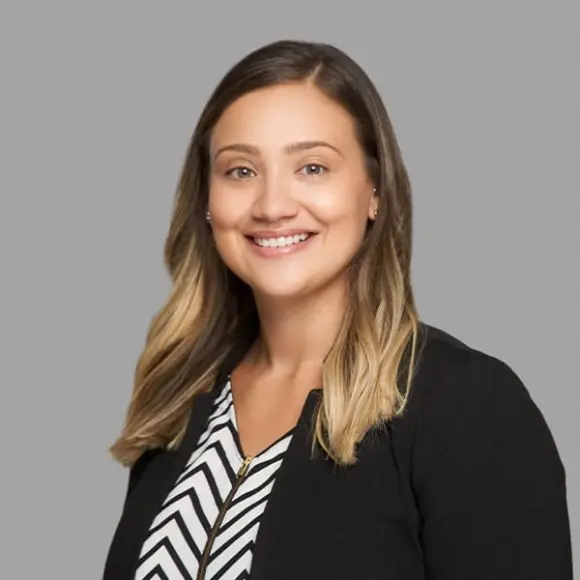
Chief Clinical Officer
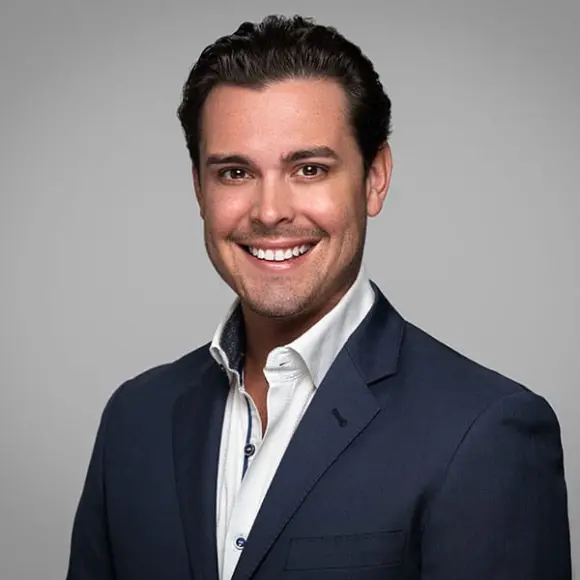
CMO
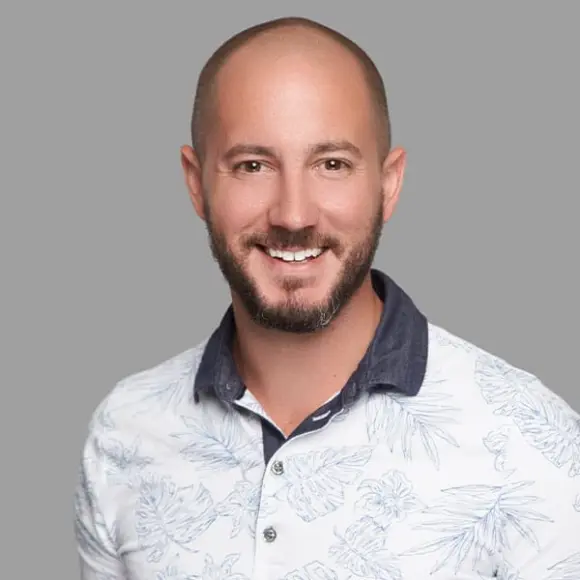
Chief Revenue Officer
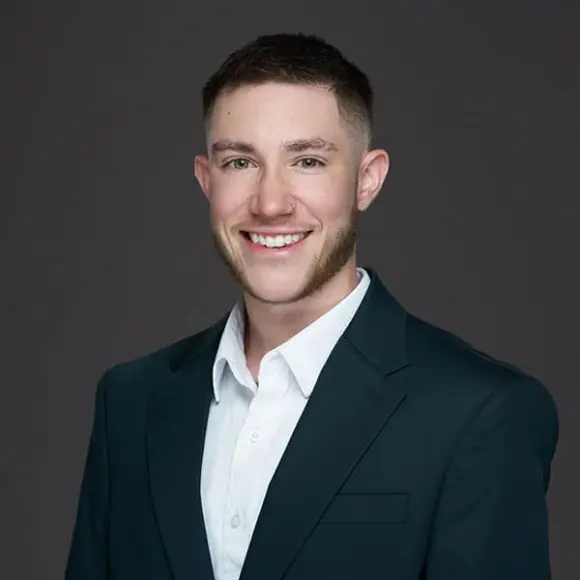
Director of Operations

LegitScript has reviewed Allure Detox as part of their certification program, and has determined that it meets the LegitScript standards for legality, safety and transparency.
LegitScript verified in

The Joint Commission, formerly known as JCAHO, is a nonprofit organization that accredits rehab organizations and programs. Founded in 1951, the Joint Commision's mission is to improve the quality of patient care and demonstrating the quality of patient care.
Joint Commission Accreditation: Yes
Rehab.com regularly reviews this listing for accuracy but changes may occur between updates. For the most up-to-date information, please contact Allure Detox.

900 54th St
West Palm Beach, FL 33407
Sponsored Helpline

This place saved my life. Great BHTs like Chris, Phil, and Larry will help 👍 thanks for giving me another chance 👦

Coming into another detox and rehab was not what I wanted to go through again. I was 3 1/2 hours away from home and just lost my job. Allure ending up being the best thing for me. I was able to focus on my sobriety and get the help I needed. The techs, counselors and nurses are very understanding and can relate to what we all were going through. With their strength and hope I left there ready to give this program 100% on a daily basis.

Allure was an amazing place, and I'm truly grateful for my time there. The entire staff was caring, supportive, and professional, and I especially want to thank Ava and Brooke for their kindness and encouragement throughout my journey. I highly recommend Recreate Life Counseling to anyone looking for compassionate, high quality care.

 Back
Back
Sharing your insights and experiences can help others learn more about this rehab center.
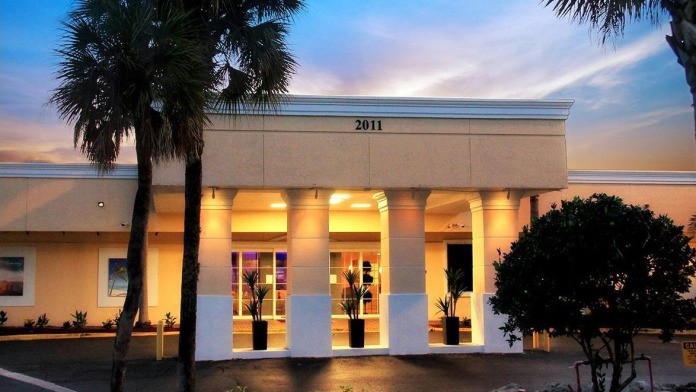
 Written By: Patti Croft
MBA
Written By: Patti Croft
MBA
