






























































































Had an outpatient surgery cancelled. Then was told if I do not have the surgery I could lose my kidney. The surgery that they cancelled.
About Arrowhead Regional Medical Center
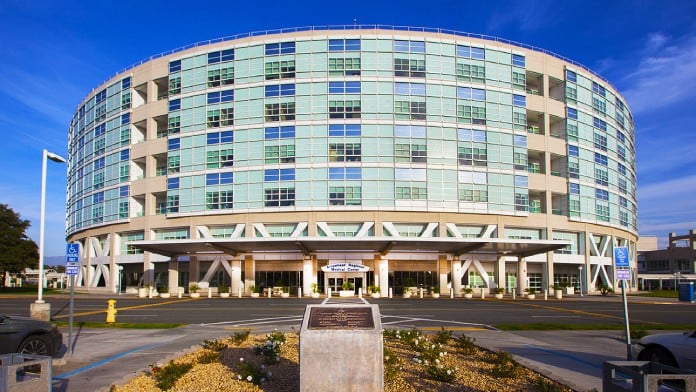
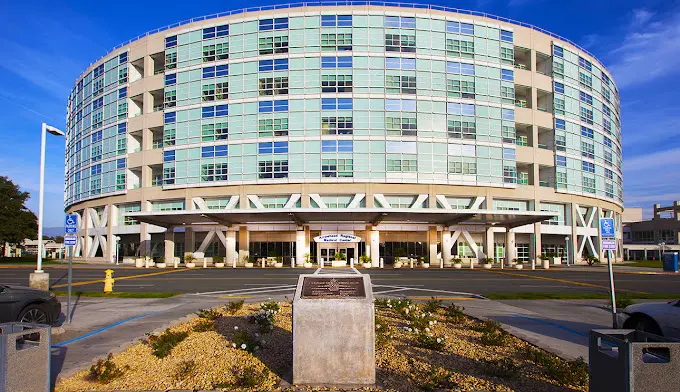
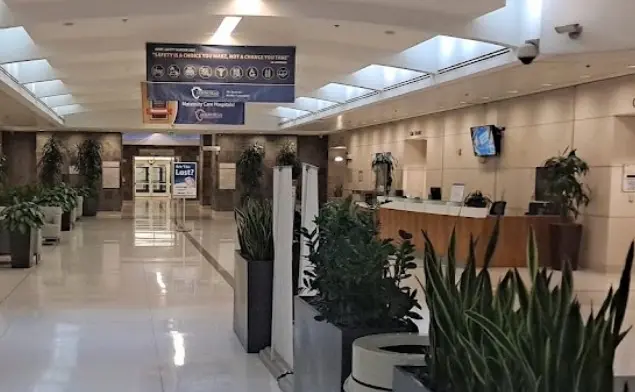
Arrowhead Regional Medical Center is a San Bernardino County hospital in Colton, California offering hospital-based behavioral health services alongside inpatient and outpatient medical care.
The Behavioral Health Center provides psychiatric emergency services, inpatient psychiatric treatment and care for co-occurring substance use conditions, serving adults, young adults, men and women.
Patients receive interdisciplinary, hospital-level care designed to stabilize acute psychiatric needs in a secure, supportive environment.
Hospital Behavioral Health and Co-Occurring Care
Arrowhead’s Behavioral Health Center includes four units with 90 licensed beds dedicated to psychiatric evaluation and inpatient stabilization.
Patients are cared for by an interdisciplinary team of psychiatrists, clinical therapists, nurses and occupational therapists, with services tailored to acute mental health emergencies and co-occurring substance use needs.
Treatment approaches may include 1-on-1 counseling, group work, cognitive behavioral therapy, dialectical behavior therapy, medication-assisted treatment and nutrition counseling.
The secure setting is designed for individuals managing serious mental illness, trauma, PTSD and related conditions requiring hospital-level support.
Integrated Substance Use and Mental Health Support
Along with psychiatric stabilization, the program addresses substance use through options that may include medically assisted detox, intensive outpatient care and outpatient services.
This integrated model can be ideal for patients whose addiction concerns are intertwined with significant mental health challenges.
Facility Overview
 90
90 Number of Available Beds
Latest Reviews
I want to take a moment to express my family's sincere gratitude for the incredible care and kindness we received after giving birth to my beautiful baby on September 20, 2026. From the delivery room to the postpartum department, every person who cared for us made such a meaningful impression on my family.
My OB PA, Kayla Witcik, demonstrated exceptional professionalism, patience, and compassion. From the very first day I met Kayla I was a mess! So much neglect that I experienced catalyzed a rough start to my prenatal care including uncertainty created by my previous OB. Kayla stepped up the the plate and she was more than amazing! She took the time to explain what was happening throughout the delivery and made sure I understood each step. I was treated with dignity, gentleness, and respect, and I could see that the safety and well-being of both myself and my baby were truly a priority.
I also want to give a special thank-you to Lauren from the anesthesia team. She was incredibly kind, professional, and reassuring throughout the experience. She took the time to explain everything clearly and made me feel comfortable and at ease during an important and emotional moment. Her gentle approach and compassion meant so much to me. Thank you, Lauren, for taking such wonderful care of me!
I also want to recognize the nurses who cared for us: Rosa, Michelle, Jessica C., Phebe, Stephanie, Martha and Heidi. Each nurse brought something special to our care. They were professional, patient, compassionate, gentle, and incredibly attentive. They took the time to explain things thoroughly, answer questions, and make sure we understood what was happening instead of ever making us feel rushed or overlooked.
What touched us most was the genuine care they showed not only toward myself but toward my newborn baby. Each nurse handled my baby with such tenderness, warmth, and love. It was obvious that they understood how precious and emotional this time was for our family. Their kindness went far beyond simply performing their nursing duties.
I would also like to recognize the volunteers who assisted us during our stay. Their friendliness, willingness to help, and positive attitudes made the environment feel more welcoming. Even the smallest gestures of kindness made a difference during a time when our family was tired, emotional, and adjusting to having a new baby.
The cleaning and environmental services staff also deserve recognition. They were respectful, professional, and considerate whenever they entered the room. They worked hard to keep the environment clean and comfortable while being mindful of my recovery and the needs of my newborn. A clean and safe environment is extremely important for mothers and babies, and we truly appreciated their hard work.
Overall, our family felt cared for, respected, and supported. Everyone we encountered played a part in making such an important and emotional experience a positive one. The professionalism, compassion, gentleness, patience, and genuine kindness shown to our family will always be remembered.
Thank you to the doctor, nurses, volunteers, cleaning staff, and everyone else who contributed to our experience. You may do this work every day, but for families like ours, the care you provide becomes part of a memory we will carry with us forever. We are truly grateful for each and every one of you.
Jessica C. was an incredible postpartum nurse, and our family is so thankful for the care she gave my sister and her newborn baby. From the beginning, Jessica displayed an outstanding level of professionalism while also being warm, approachable, and compassionate.
One of the things my sister appreciated most was how thoroughly Jessica explained everything. She never simply did something without making sure my sister understood what was happening. She took the time to answer questions, explain procedures, provide helpful information, and make sure my sister felt comfortable and informed.
Jessica was also extremely gentle and attentive. She paid attention to the little things and made my sister feel like her concerns mattered. Her interactions with the baby were equally heartwarming. She handled the baby with such tenderness and care, and it was clear that she genuinely loved what she did.
Jessica's combination of knowledge, professionalism, patience, kindness, and compassion made a stressful and emotional time much easier. She went above and beyond what we expected, and our family sincerely appreciates everything she did. Thank you, Jessica C., for providing such exceptional care to both mom and baby.
Mi enfermera Heather
Mi OB PA Kayla . Mi experiencia con mi enfermera fue muy buena le quiero dar las gracias por ser un buen soporte para mi en el momento de estar sola sin un familiar en ese momento de la anestecia,y todo el transcurso de mi parto. Y gracias a mi doctora kayla por todo el trayecto en mi embarazo muy buena doctora y muy amable y pasiente y muy pendiete de todas mis necesidades muchas gracias 🥰🥰

Rehab Score
 Our Methodology
Scoring is assigned by a proprietary system which helps surface key metrics that determine quality. The 10-point scale factors in categories such as operations, customer satisfaction, and trust metrics. Read Full Methodology

8.4 / 10
Gallery

Accepted Insurance
Other Forms of Payment
Medicaid is a state based program that helps lower-income individuals and families pay for healthcare. Medicaid covers addiction treatment so those enrolled can use their coverage to pay for rehab. When a program accepts Medicaid the client often pays very little or nothing out of their own pocket.
Private insurance refers to any kind of healthcare coverage that isn't from the state or federal government. This includes individual and family plans offered by an employer or purchased from the Insurance Marketplace. Every plan will have different requirements and out of pocket costs so be sure to get the full details before you start treatment.
Self-pay involves paying for treatment out of your own pocket. You can use savings or credit, get a personal loan, or receive help from family and friends to fund your treatment. If you don't have insurance or your insurance plan doesn't cover a specific program, self-pay can help ensure you still get the care you need.
Financial aid can take many forms. Centers may have grants or scholarships available to clients who meet eligibility requirements. Programs that receive SAMHSA grants may have financial aid available for those who need treatment as well. Grants and scholarships can help you pai for treatment without having to repay.
Medicare is a federal program that provides health insurance for those 65 and older. It also serves people under 65 with chronic and disabling health challenges. To use Medicare for addiction treatment you need to find a program that accepts Medicare and is in network with your plan. Out of pocket costs and preauthorization requirements vary, so always check with your provider.
Military members, veterans, and eligible dependents have access to specific insurance programs that help them get the care they need. TRICARE and VA insurance can help you access low cost or no cost addiction and mental health treatment. Programs that accept military insurance often have targeted treatment focused on the unique challenges military members, veterans, and their families face.
Private insurance refers to any kind of healthcare coverage that isn't from the state or federal government. This includes individual and family plans offered by an employer or purchased from the Insurance Marketplace. Every plan will have different requirements and out of pocket costs so be sure to get the full details before you start treatment.
Addiction Treatments
Levels of Care
Clients receiving treatment at an outpatient rehab typically do not require hospitalization or intensive supervision and support. Outpatient addiction counseling and recovery education are often offered during the morning, evening, night, and weekend, allowing clients to tailor treatment to their own schedule. Partial hospitalization (PHP) and intensive outpatient (IOP) programs are the most time-intensive and are designed for clients who are at an increased relapse risk and/or who need more robust therapeutic support.
Residential treatment programs are those that offer housing and meals in addition to substance abuse treatment. Rehab facilities that offer residential treatment allow patients to focus solely on recovery, in an environment totally separate from their lives. Some rehab centers specialize in short-term residential treatment (a few days to a week or two), while others solely provide treatment on a long-term basis (several weeks to months). Some offer both, and tailor treatment to the patient's individual requirements.
Intensive outpatient programs (IOP) support a client's sustained sobriety as they exit detox or step down from an inpatient program. IOPs are also designed for clients who are at an elevated risk of relapse. Intensive outpatient treatment typically requires clients to engage in a minimum of nine hours of therapy per week, but clients may receive up to 20 therapeutic hours weekly. IOP treatment modalities often combine psychotherapy, recovery-focused life skills training, and medication assisted treatment (MAT).
Rehab aftercare programs offer clients in addiction recovery a robust continuum of care after clients have completed active treatment. These services address recovery as a life-long process and are designed to evolve with clients' changing needs. Clients may partner with their case managers and/or addiction recovery team to identify the rehab aftercare services that are right for them. They may receive career counseling, housing assistance, peer coaching, 12 step program induction, among many other services.
When an individual is in denial about their substance use disorder, their loved ones may organize a drug intervention in California. This effort involves gently but assertively confronting the individual about their substance use and sharing how it has affected those who care about them. A professional interventionist may also attend this gathering. Their expertise with intervention services can prove helpful in guiding the conversation to a positive result.
During the first phase of recovery – detox – it is crucial to have 24-hour clinical care in California. This care provides constant monitoring in order to ensure your safely and comfort as you progress through the withdrawal process for drug or alcohol addiction. Licensed professionals prescribe medications to treat withdrawal symptoms and provide frequent monitoring to ensure your safely as addictive toxins leave your system.
When addicted, quitting your drug of choice suddenly can be dangerous. That's why experts agree a medically assisted detox is the safest way to remove addictive substances from the body. Usually done in an inpatient setting, your vitals signs and overall well being are consistently monitored and rechecked in order to keep you safe and ensure the detox is successful.
Treatments
Mental health rehabs focus on helping individuals recover from mental illnesses like bipolar disorder, clinical depression, anxiety disorders, schizophrenia, and more. Mental health professionals at these facilities are trained to understand and treat mental health issues, both in individual and group settings.
Alcoholism, or alcohol use disorder (AUD), is defined by alcohol dependence. This is a state the body reaches when it experiences withdrawal symptoms in the absence of alcohol. A person who has AUD craves alcohol and continues to drink despite adverse consequences. Because withdrawing from alcohol can pose health risks, individuals with AUD should seek professional alcohol rehab in California to overcome their alcohol addiction. This process typically involves medical detox, rehabilitation, and maintenance.
Drug rehab in California teaches participants constructive ways to stay clean and sober. Treatment revolves around helping individuals stop using the substance they are addicted to and learn healthy habits to avoid relapse.
 Opioid Addiction
In California, substance abuse treatment programs can help individuals with any type of substance use disorders and co-occurring conditions. These rehab programs typically encompass various levels of care, including medically assisted detox, intensive outpatient, outpatient, residential rehab, and partial hospitalization. You can expect clinicians to utilize evidence-based therapies like cognitive behavioral therapy (CBT), dialectical behavioral therapy (DBT), and mindfulness to help you achieve and sustain your recovery. The rehab's clinical team can provide a comprehensive assessment to determine the appropriate level of care and medical support you may need.
Programs
Adult rehab programs include therapies tailored to each client's specific needs, goals, and recovery progress. They are tailored to the specific challenges adult clients may face, including family and work pressures and commitments. From inpatient and residential treatment to various levels of outpatient services, there are many options available. Some facilities also help adults work through co-occurring conditions, like anxiety, that can accompany addiction.
Young adulthood can be an exciting, yet difficult, time of transition. Individuals in their late teens to mid-20s face unique stressors related to school, jobs, families, and social circles, which can lead to a rise in substance use. Rehab centers with dedicated young adult programs will include activities and amenities that cater to this age group, with an emphasis on specialized counseling, peer socialization, and ongoing aftercare.
Clinical Services
Cognitive Behavioral Therapy (CBT) is a therapy modality that focuses on the relationship between one's thoughts, feelings, and behaviors. It is used to establish and allow for healthy responses to thoughts and feelings (instead of unhealthy responses, like using drugs or alcohol). CBT has been proven effective for recovering addicts of all kinds, and is used to strengthen a patient's own self-awareness and ability to self-regulate. CBT allows individuals to monitor their own emotional state, become more adept at communicating with others, and manage stress without needing to engage in substance abuse.
Whether a marriage or other committed relationship, an intimate partnership is one of the most important aspects of a person's life. Drug and alcohol addiction affects both members of a couple in deep and meaningful ways, as does rehab and recovery. Couples therapy and other couples-focused treatment programs are significant parts of exploring triggers of addiction, as well as learning how to build healthy patterns to support ongoing sobriety.
Dialectical Behavior Therapy (DBT) is a modified form of Cognitive Behavioral Therapy (CBT), a treatment designed to help people understand and ultimately affect the relationship between their thoughts, feelings, and behaviors. DBT is often used for individuals who struggle with self-harm behaviors, such as self-mutilation (cutting) and suicidal thoughts, urges, or attempts. It has been proven clinically effective for those who struggle with out-of-control emotions and mental health illnesses like Borderline Personality Disorder.
Experiential therapy is a form of therapy in which clients are encouraged to surface and work through subconscious issues by engaging in real-time experiences. Experiential therapy departs from traditional talk therapy by involving the body, and having clients engage in activities, movements, and physical and emotional expression. This can involve role-play or using props (which can include other people). Experiential therapy can help people process trauma, memories, and emotion quickly, deeply, and in a lasting fashion, leading to substantial and impactful healing.
Research clearly demonstrates that recovery is far more successful and sustainable when loved ones like family members participate in rehab and substance abuse treatment. Genetic factors may be at play when it comes to drug and alcohol addiction, as well as mental health issues. Family dynamics often play a critical role in addiction triggers, and if properly educated, family members can be a strong source of support when it comes to rehabilitation.
Group therapy is any therapeutic work that happens in a group (not one-on-one). There are a number of different group therapy modalities, including support groups, experiential therapy, psycho-education, and more. Group therapy involves treatment as well as processing interaction between group members.
In individual therapy, a patient meets one-on-one with a trained psychologist or counselor. Therapy is a pivotal part of effective substance abuse treatment, as it often covers root causes of addiction, including challenges faced by the patient in their social, family, and work/school life.
Nicotine Replacement Therapy (NRT) is a way of getting nicotine into the bloodstream without smoking. It uses products that supply low doses of nicotine to help people stop smoking. The goal of therapy is to cut down on cravings for nicotine and ease the symptoms of nicotine withdrawal.
Nutrition therapy, aka medical nutrition therapy (MNT), is a way of treating physical, emotional, and medical conditions through diet. Specific dietary plans are designed by professional nutritionists or registered dietitians, and patients follow them in order to positively affect their physical and mental health.
Trauma therapy addresses traumatic incidents from a client's past that are likely affecting their present-day experience. Trauma is often one of the primary triggers and potential causes of addiction, and can stem from child sexual abuse, domestic violence, having a parent with a mental illness, losing one or both parents at a young age, teenage or adult sexual assault, or any number of other factors. The purpose of trauma therapy is to allow a patient to process trauma and move through and past it, with the help of trained and compassionate mental health professionals.
Amenities
-
 Private Rooms
 -
 Hiking
 -
 Mountain Views
 -
 Gardens
 -
 Walking Trails
Staff & Accreditations
Staff
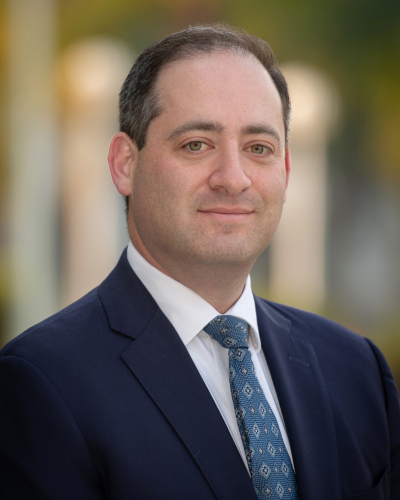
Andrew Goldfrach
Chief Executive Officer

Nanette R. Buenavidez
Chief Operating Officer

Arvind Oswal
Chief Financial Officer
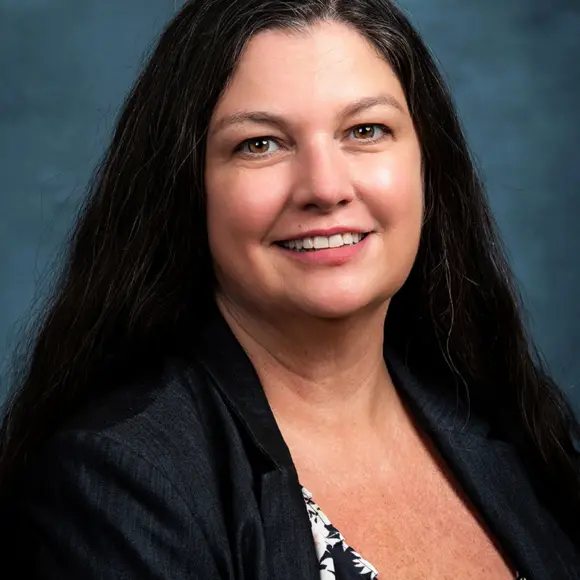
Sharon Brown
Chief Nursing Officer

John H. Brill, M.D.
Chief Medical Officer
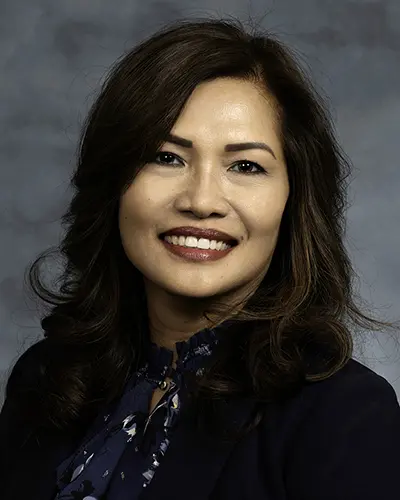
MariJane Aquino
Associate Chief Nursing Officer
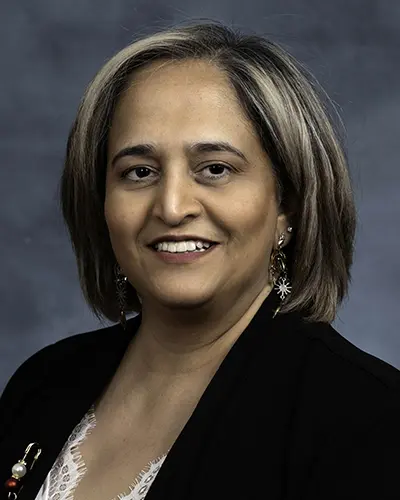
Ravneet Mann
Associate Chief Nursing Officer
Accreditations

The Joint Commission, formerly known as JCAHO, is a nonprofit organization that accredits rehab organizations and programs. Founded in 1951, the Joint Commision's mission is to improve the quality of patient care and demonstrating the quality of patient care.
Joint Commission Accreditation: Yes

State Licenses are permits issued by government agencies that allow rehab organizations to conduct business legally within a certain geographical area. Typically, the kind of program a rehab facility offers, along with its physical location, determines which licenses are required to operate legally.
State License: California
Rehab.com regularly reviews this listing for accuracy but changes may occur between updates. For the most up-to-date information, please contact Arrowhead Regional Medical Center.
Contact Information

400 North Pepper Avenue
Colton, CA 92324
Get Help Now - 916-314-3331
Sponsored Helpline
Sponsored Helpline


