



























































































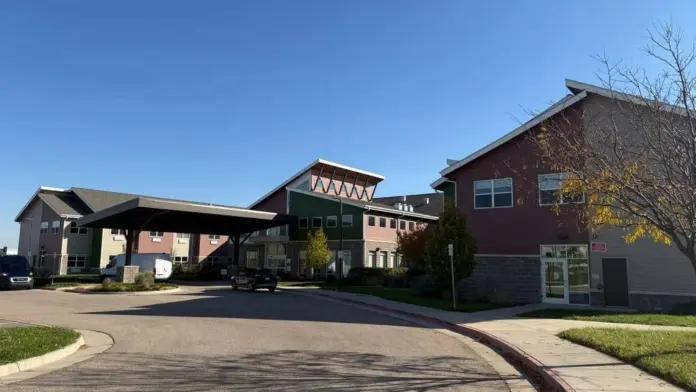
About Avenues Recovery Center at Fort Collins
Customized, Compassionate Care
Avenues Recovery Center at Fort Collins offers compassionate, evidence-based addiction treatment for northern Colorado and beyond. Our newest location provides safe detox with customizable MAT options, residential and outpatient programs, and a team of experienced professionals—all in a restorative setting designed to support healing, growth, and lasting recovery.
The Avenues Experience
At Avenues, we view addiction as a chronic but treatable disease. Our holistic approach heals the whole person—body, mind, and spirit—treating causes, not symptoms. With consistent, high-quality care across all centers and a strong alumni network, we ensure lifelong connection, support, and lasting recovery.
Our Mission
Avenues’ mission is to enable individuals with addictions to redefine their lives as they journey through recovery with a dedicated team, individualized tools, and a supportive community.
Facility Overview
 160
160  31 - 60
Rehab Score
 Our Methodology


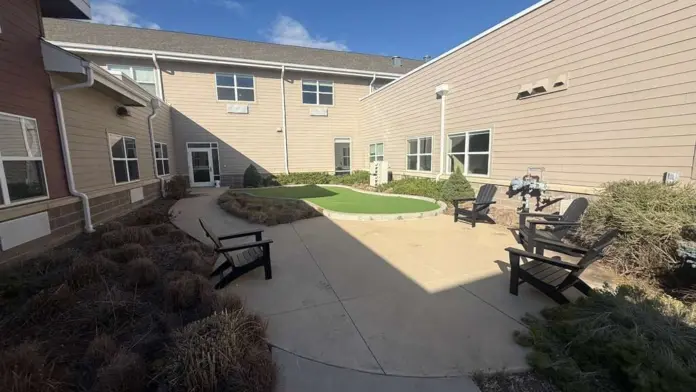
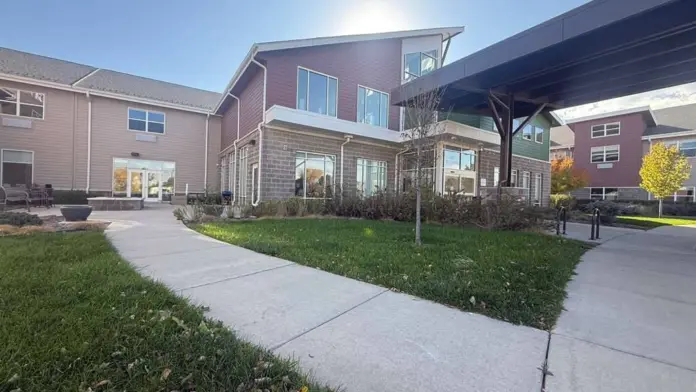
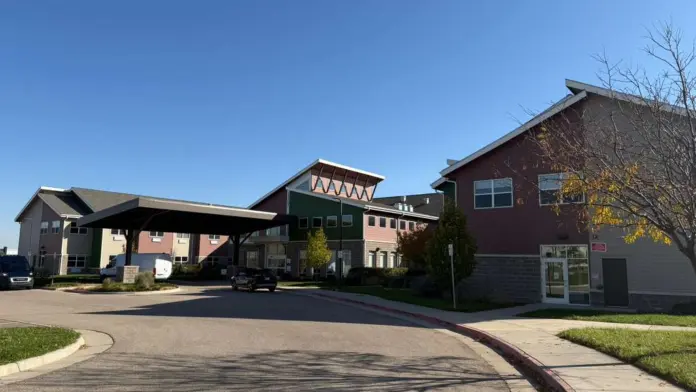
Gallery
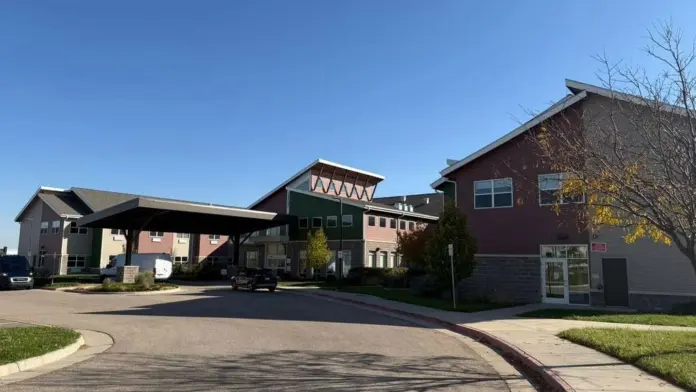
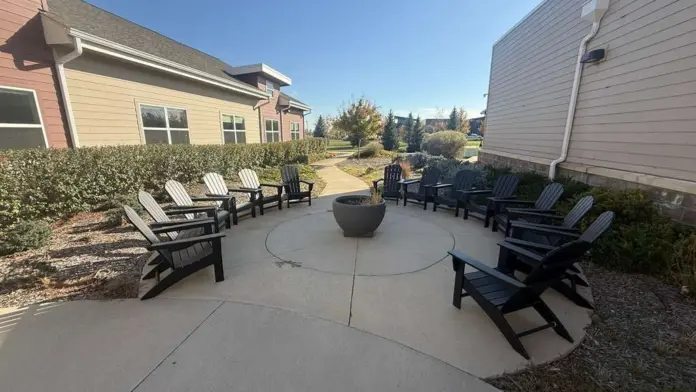
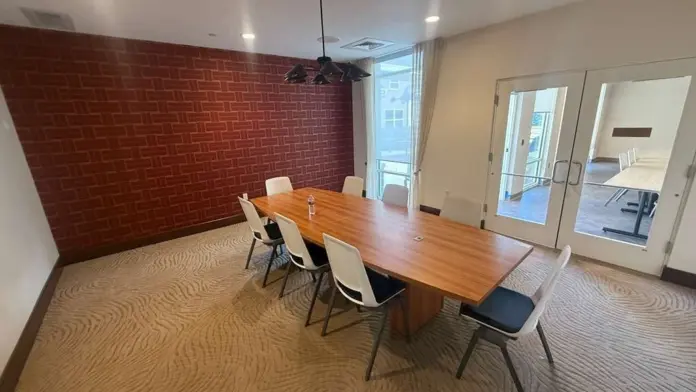
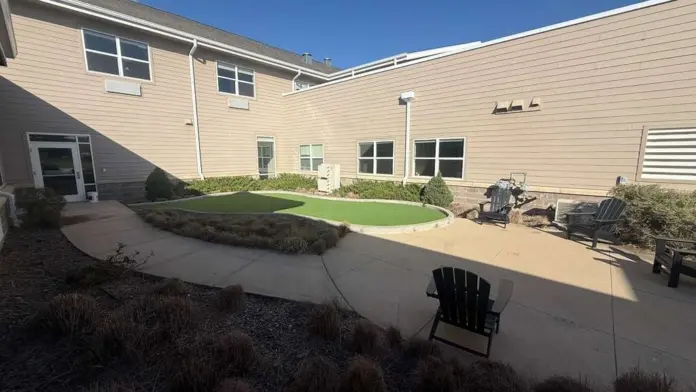
Accepted Insurance

Other Forms of Payment
Medicaid is a state based program that helps lower-income individuals and families pay for healthcare. Medicaid covers addiction treatment so those enrolled can use their coverage to pay for rehab. When a program accepts Medicaid the client often pays very little or nothing out of their own pocket.
Military members, veterans, and eligible dependents have access to specific insurance programs that help them get the care they need. TRICARE and VA insurance can help you access low cost or no cost addiction and mental health treatment. Programs that accept military insurance often have targeted treatment focused on the unique challenges military members, veterans, and their families face.
Private insurance refers to any kind of healthcare coverage that isn't from the state or federal government. This includes individual and family plans offered by an employer or purchased from the Insurance Marketplace. Every plan will have different requirements and out of pocket costs so be sure to get the full details before you start treatment.
Self-pay involves paying for treatment out of your own pocket. You can use savings or credit, get a personal loan, or receive help from family and friends to fund your treatment. If you don't have insurance or your insurance plan doesn't cover a specific program, self-pay can help ensure you still get the care you need.
Addiction Treatments
Levels of Care
Detox can be dangerous if not properly supervised, making 24-hour clinical care in Colorado an essential tool in the recovery process. The constant monitoring by medical professionals helps individuals through critical stages of recovery. Medical professionals and addiction specialists are available 24/7 to provide medications that ease withdrawal symptoms and to treat any other issues that arise.
The process of medically assisted detox usually takes place in an inpatient setting while under the 24/7 care of a team of licensed medical professionals. It's considered the safest way to rid the body of all addictive substances and prepare you for a transition into either an inpatient program or various forms of outpatient rehab. The program length varies depending on your needs, but it typically takes about 5-7 days.
Clients entering an inpatient rehab typically require more intensive treatment than those in outpatient care. Clients often start inpatient treatment immediately after completing a detox program. Upon admission, they engage in extensive psychotherapy, receive recovery-focused life skills training, and participate in evidence-based complementary therapies, such as meditation, massage, acupuncture, and/or animal, creative arts, recreational, and experiential therapy.
Addiction recovery based on a 12 step program model is rooted in peer support and spiritual development. Participants regularly attend 12 step meetings, which are free, anonymous, peer-led, and available throughout the day and night in most communities. Clients' recovery is achieved progressively as they work through the 12 steps, which teach them to understand and address the root causes of their addiction, become accountable for their choices, and relinquish control over that which cannot be changed.
Clients engaged in a rehab aftercare program have completed active addiction treatment and are receiving services designed to promote their sustained sobriety. Drug rehab aftercare typically encompasses a wide variety of medical, mental health, and social services meant to facilitate clients' reintegration into their home, workplace, and community. Clients typically collaborate with their case manager and/or recovery team to identify and access the services they need, often including peer coaching, career counseling, and care referrals.
Treatments
Alcoholism is defined as a physical dependence on alcohol. In this state, the body experiences withdrawal symptoms in the absence of alcohol. Over time, a person with alcohol use disorder also must drink greater amounts of alcohol to achieve the same effects. To overcome alcohol use disorder, alcohol rehab in Colorado is usually necessary, a process which includes supervised medical detox. This is followed by intensive rehab, then a maintenance program that may include 12-step support.
Professional services are often necessary to recover from addiction. Drug rehab in Colorado provides the expert services needed to address the complex issues of addiction and help individuals start their recovery journey.
 Mental Health And Substance Abuse
 Opioid Addiction
Colorado offers a range of substance abuse treatment programs that encompass various levels of care to meet your specific needs. These addiction treatment programs often encompass medical detox, outpatient, inpatient, and partial hospitalization programs. You'll find each program includes individual and group therapy, and educational groups to provide you with the tools to achieve and sustain your recovery.
Colorado offers dual-diagnosis addiction treatment programs that encompass various levels of care to meet your individual needs, including medical detox, outpatient, inpatient, and partial hospitalization programs for individuals with co-occurring mental health and substance use disorders. These dual-diagnosis rehab programs incorporate evidence-based therapies such as cognitive-behavioral therapy (CBT) or dialectical behavior therapy (DBT) to successfully address substance use disorders and co-occurring diagnoses.
With residential addiction treatment, you live in a rehab facility while receiving mental health services. Rehabs offer 24/7 care provided by clinical and mental health staff. A typical inpatient program lasts 28-30 days, but some last for several months. Standard mental health services include group and individual counseling, with addiction and relapse prevention education. Amenities, like recreational offerings, vary by facility.
Programs
Teen programs are designed to address the unique pressures teens face, pressures that can drive them to experiment with dangerous, addictive substances. They need programs that meet them exactly where they are and give them tools for long-term recovery. Therapy can help teenagers understand and work through underlying issues so they can reclaim the life ahead of them.
Adult rehab programs include therapies tailored to each client's specific needs, goals, and recovery progress. They are tailored to the specific challenges adult clients may face, including family and work pressures and commitments. From inpatient and residential treatment to various levels of outpatient services, there are many options available. Some facilities also help adults work through co-occurring conditions, like anxiety, that can accompany addiction.
Serving in the military is both mentally and physically challenging, and can result in trauma that persists even after combat ends. Military programs are tailored to the specific and often complex needs of active duty personnel, veterans, and military families. Clients often access these programs through the U.S. Department of Veterans Affairs (VA).
Men face specific challenges and concerns when seeking addiction treatment. Gender-specific recovery programs help them tackle these issues head-on in an environment that's focused, targeted, and distraction-free. It also gives them the opportunity to connect with and learn from other men who have been through a similar journey and can offer support for the next step.
Rehabs for women provide a safe, nurturing space for female clients to heal. These treatment programs consider the specific obstacles that women can face during recovery and place a special emphasis on mental, social, physical, and reproductive health. They explore how each woman's experience has shaped the trajectory of their substance use, addressing issues such as sexual abuse and past trauma.
Clinical Services
 Animal Therapy
The main principle of cognitive behavioral therapy (CBT) in Colorado is that substance use disorders are based on faulty thinking and behavior patterns. The goal of this treatment is to help the individual learn better ways of coping with challenges, which will lead to changes in thinking and behavior.
Based on the couple's needs, couples therapy may take different forms. Your therapist will probably take an integrated approach, using techniques from several methods such as cognitive behavioral therapy and psychodynamic couple's therapy. The goal is to work through challenges and strengthen your relationship.
 Assertive Community Treatment
Creative arts therapy can take place in individual or group sessions. It may include reading poetry, journaling, making videos, or scrapbooking. These expressive activities allow participants to tap into emotions and process challenges in ways other than talking about their problems.
Dialectical behavior therapy is skills based and present oriented. You'll be asked to keep a diary of emotions and related behaviors and practice the skills you've been learning between sessions. The focus of skills development is on mindfulness, distress tolerance, emotion regulation, and interpersonal effectiveness.
During eating disorder treatment, you'll learn about proper nutrition, healthy eating habits, and maintaining a healthy weight. You'll also engage in talk therapy and may receive medication from your doctor.
During family therapy sessions, family members in Colorado work with therapists to understand addiction as a disease that has affected the entire family. This approach fosters empathy and reduces blame on any one member. Promoting this collective effort helps to support the recovery process.
Fitness therapy integrates physical activity into an addiction recovery program. This offers a natural way to manage withdrawal symptoms and reduce your cravings. Exercise improves your physical fitness, boosts mental health, and provides a healthy coping mechanism to address stress and anxiety. The holistic approach supports overall well being and builds a foundation for lasting recovery.
Men and women in Colorado have access to customized individual therapy sessions for drug and alcohol addiction treatment. These sessions explore your life experiences and patterns of substance abuse. Your therapist helps you recognize harmful behaviors and thoughts that empower you to make positive changes for lasting recovery.
During trauma therapy, you explore the impact that a traumatic event has had on your life. Your therapist can help you develop strategies to manage the emotional and physical symptoms while improving emotional regulation. This improves your overall quality of life.
Amenities
-
 Art Activities
 -
 Basketball Court
 -
 Gardens
 -
 Gym
Gym -
 Recreation Room
 -
 Tennis Court
 -
 Yoga Studio
 -
 WiFi
WiFi
Accreditations

The Joint Commission, formerly known as JCAHO, is a nonprofit organization that accredits rehab organizations and programs. Founded in 1951, the Joint Commision's mission is to improve the quality of patient care and demonstrating the quality of patient care.
Joint Commission Accreditation: Yes
