

























































About Bright Path Program
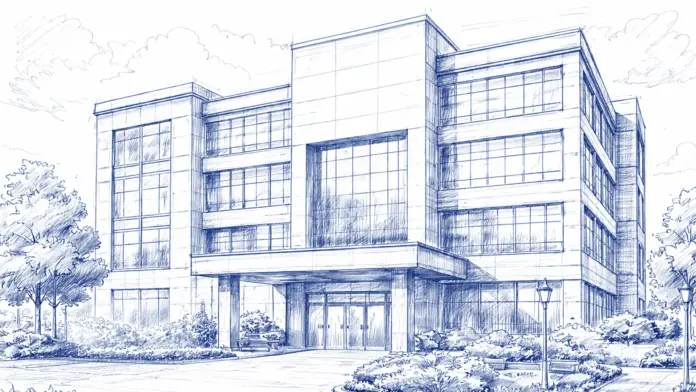
Facility Overview
 15 - 30
 Latest Reviews



Rehab Score
 Our Methodology


Location
Accepted Insurance

Other Forms of Payment
Private insurance refers to any kind of healthcare coverage that isn't from the state or federal government. This includes individual and family plans offered by an employer or purchased from the Insurance Marketplace. Every plan will have different requirements and out of pocket costs so be sure to get the full details before you start treatment.
Financial aid can take many forms. Centers may have grants or scholarships available to clients who meet eligibility requirements. Programs that receive SAMHSA grants may have financial aid available for those who need treatment as well. Grants and scholarships can help you pai for treatment without having to repay.
Self-pay involves paying for treatment out of your own pocket. You can use savings or credit, get a personal loan, or receive help from family and friends to fund your treatment. If you don't have insurance or your insurance plan doesn't cover a specific program, self-pay can help ensure you still get the care you need.
Addiction Treatments
Levels of Care
Outpatient rehab enables clients to receive addiction treatment while continuing to work and reside at home. Many programs offer evening, night, and weekend services so that clients may receive treatment on their own schedule. Outpatient treatment modalities typically include addiction counseling, recovery-focused life skills training, and/or medication assisted treatment (MAT). Many programs also provide step-down care, including partial hospitalization (PHP), intensive outpatient (IOP), and standard outpatient services, to align with clients' evolving needs.
Designed for individuals who don't require round-the-clock care, a partial hospitalization program (PHP) is a form of outpatient care with a higher level of support. PHP treatment can be an alternative to inpatient hospitalization or a step-down option. With daily sessions lasting 6 to 8 hours, up to 5 days a week, a partial hospitalization program may offer medication management, relapse prevention techniques, and behavioral therapy interventions. PHP treatment can be fully or partially covered by insurance.
Clients enrolled in an intensive outpatient program (IOP) travel to treatment centers for specialized care multiple times per week. Intensive outpatient treatment allows clients to receive robust care while continuing to live at home. Most programs require between nine and 20 treatment hours per week, with the frequency and intensive of sessions decreasing as clients stabilize. Services generally include a combination of addiction counseling, medication assisted treatment (MAT), recovery-focused life skills training, and holistic therapies.
Treatments
Alcoholism is a pattern of alcohol use that involves continued drinking even when it causes problems. Alcoholism is also characterized by a physical dependence on alcohol, which causes the body to experience withdrawal symptoms when alcohol is not present. Due to this physical dependence, medically-supervised detox is often necessary to safely recover from alcoholism. Alcohol rehab in Georgia offers a three-step process of detox, rehab, and maintenance to help individuals recover from alcohol addiction.
A quality drug rehab in Georgia can help you overcome addiction. This environment is designed to help you address the complex issues contributing to drug dependence. The goal of treatment is to give you the tools you need to make a full recovery.
 Opioid Addiction
Addiction treatment programs in Georgia help individuals to address substance abuse problems. With various programs available, including outpatient, inpatient, and partial hospitalization programs, you can find the right level of care for your specific needs. You can generally expect drug and alcohol rehab to incorporate evidence-based therapies, such as cognitive-behavioral therapy (CBT), skills training, recovery meetings, and mindfulness-based therapy. When combined, these interventions can successfully help you overcome addiction and continue to enjoy long-term mental health.
In Georgia, specialized dual-diagnosis addiction treatment programs address co-occurring substance use disorders and mental health conditions. Care levels include outpatient, inpatient, and partial hospitalization. Therapies like cognitive behavioral therapy, or dialectical behavioral therapy, equine therapy, mindfulness-based therapy, skills training, and recovery groups — like 12-step — support you in achieving sobriety and sustaining recovery. Developing the tools to establish a solid support system (or strengthen an existing one) will also increase your chances of long-term recovery success.
Programs
Nearly one million adults age 65 and older live with a substance use disorder. Treatment providers who specialize in senior care understand the social, psychological, and physical effects of aging and how they relate to recovery. They can help clients address particular challenges and risks they may face as they get older such as overdosing and medication interactions and dependencies.
Clinical Services
While cognitive behavioral therapy in Georgia is unique for each person, this therapy follows a standard structure that has proven effective. Clients first learn about their substance use disorder, then learn and practice techniques such as coping, stress management, and resilience to change their thought and behavior patterns.
While each person is unique, the typical length for dialectical behavior therapy is six months to a year. You'll attend weekly hour long individual sessions with your therapist, as well as weekly group sessions. Homework between sessions often includes keeping a diary to track your emotions and behaviors. Your therapist uses this diary to guide the focus of each session.
 Eye Movement Desensitization And Reprocessing
People in Georgia find that group therapy offers a place to share responsibility for each other's recovery. This helps foster a collective commitment to sobriety, which increases your potential for success and creates a network of mutual support that often follows into personal friendships.
Men and women in Georgia may experience Motivational Interviewing techniques while undergoing individual therapy for drug and alcohol addiction treatment. This approach helps you explore how you feel about drug use and it strengthens your commitment to maintaining treatment. It is particularly useful in the early stages of recovery.
Accreditations

The Joint Commission, formerly known as JCAHO, is a nonprofit organization that accredits rehab organizations and programs. Founded in 1951, the Joint Commision's mission is to improve the quality of patient care and demonstrating the quality of patient care.
Joint Commission Accreditation: Yes

State Licenses are permits issued by government agencies that allow rehab organizations to conduct business legally within a certain geographical area. Typically, the kind of program a rehab facility offers, along with its physical location, determines which licenses are required to operate legally.
State License: Georgia
Contact Information


Bright Path Program, 347 Carpenter Dr NE, Sandy Springs, GA 30328
Sponsored Helpline
