























































































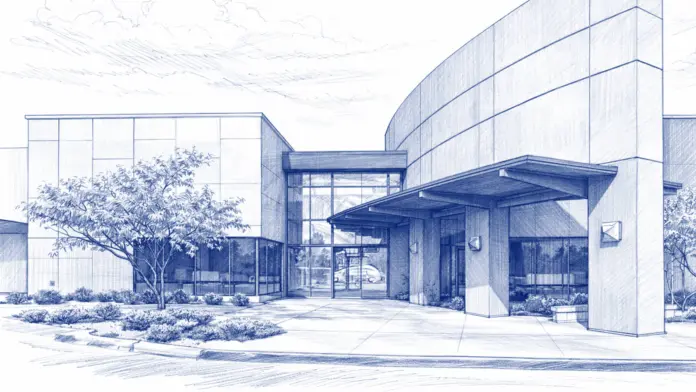
About Central Outreach Resource and Referral Center
The Central Outreach Resource and Referral Center can be found on Centre Avenue in Pittsburgh, Pennsylvania. They provide both inpatient and outpatient detox and rehabilitation programs for those struggling with addiction and co-occurring mental health issues. They also provide HIV/STI testing, referrals for higher levels of treatment and access to community outreach and educational programs.
LGBTQ+ Friendly Mental Health Support Programs
They are an LGBTQ+ friendly program and include both a nonbinary and gender expansive support group to help you heal from your conditions among like minded peers who may have experienced similar trauma.
I find it good to know that their support groups offer a safe and judgement free space where clients can be both heard and seen among their peers.
HIV Prevention and Access to Treatment
I like that for clients who have been impacted by HIV, they offer free HIV/STD testing services, HIV prevention counseling and PrEP, a safe alternative for preventing the chances of getting HIV.
PrEP is an injectable medication proven to reduce the risk of contracting HIV that can be taken every 8 weeks. They work with vulnerable community members who are at a higher risk of infection and aim to decrease barriers to care and treatment by providing support and testing services.

Rehab Score
 Our Methodology


Location
Other Forms of Payment
Medicaid is a state based program that helps lower-income individuals and families pay for healthcare. Medicaid covers addiction treatment so those enrolled can use their coverage to pay for rehab. When a program accepts Medicaid the client often pays very little or nothing out of their own pocket.
Medicare is a federal program that provides health insurance for those 65 and older. It also serves people under 65 with chronic and disabling health challenges. To use Medicare for addiction treatment you need to find a program that accepts Medicare and is in network with your plan. Out of pocket costs and preauthorization requirements vary, so always check with your provider.
Private insurance refers to any kind of healthcare coverage that isn't from the state or federal government. This includes individual and family plans offered by an employer or purchased from the Insurance Marketplace. Every plan will have different requirements and out of pocket costs so be sure to get the full details before you start treatment.
Self-pay involves paying for treatment out of your own pocket. You can use savings or credit, get a personal loan, or receive help from family and friends to fund your treatment. If you don't have insurance or your insurance plan doesn't cover a specific program, self-pay can help ensure you still get the care you need.
Addiction Treatments
Levels of Care
Inpatient rehab provides clients with an opportunity to focus solely on their sobriety away from the stressors of the home and workplace. Clients receive housing, food, and intensive clinical supervision. They also typically engage in multiple addiction counseling sessions each week, including daily individual, group, and/or family sessions. Most programs also prioritize recovery-focused life skills training, including courses in relapse prevention. Many facilities offer evidence-based holistic therapies, such as yoga and meditation.
Outpatient rehabs specialize in providing comprehensive care for clients who choose to remain in their homes and communities during treatment. Their services may include transitional support for clients stepping down from intensive inpatient programming. Ambulatory medical detox may be provided for clients at low risk for withdrawal complications. Many programs include evening, night, and weekend services to accommodate clients who are working professionals or caregivers. Addiction counseling and life skills training are common treatment modalities.
A medical detox is the safest way to wean your body off drugs and/or alcohol in an inpatient setting. When detoxing from addictive substances, the physical and psychological side effects of withdrawal can cause mood swings, anxiety, nausea, or flu-like symptoms. In medically assisted detox, a team of medical professionals are on hand 24/7 to help alleviate potential withdrawal symptoms, administer medications to alleviate withdrawal symptoms, and ultimately keep you safe and comfortable throughout this process.
Clients receiving services from a rehab aftercare program are usually stable and in the maintenance phase of recovery, having completed detox and/or intensive inpatient treatment. Rehab aftercare services can vary widely based on clients' individual and evolving needs, but often include peer coaching, relapse prevention support, 12 step program induction, and medical, mental health, and social service referrals. Individual care plans are typically developed by the client in partnership with their case manager and care team.
Treatments
Drug rehab in Pennsylvania is devoted to the treatment of addiction. Levels of care, treatment methods, and settings differ, but the aim of each program is to end drug dependency and empower participants to achieve long-term recovery.
Alcoholism is a syndrome of dependent alcohol use. Also called alcohol use disorder (AUD), the symptoms include craving alcohol, not being able to stop drinking, and feeling anxious or irritable when not drinking. For many people, alcohol rehab in Pennsylvania is a beneficial treatment. Programs offer many levels of care, including medical and behavioral therapies.
 Opioid Addiction
Programs
HIV/AIDS programs support disease prevention and management in high-risk individuals in recovery. Individuals who engage in intravenous drug use and other addictive behaviors are at a higher risk of becoming infected with HIV. Rehab centers that specialize in treating this population typically have a high number of nurses, physicians, and psychiatrists on staff who can make sure both their medical and mental health needs are met.
Recovery is most successful when clients feel accepted and validated by their peers and treatment providers. Facilities that offer LGBTQ-inclusive programming are committed to creating a safe space where everyone can grow and recover without fear of judgment or discrimination. They will have dedicated policies in place to create a safe and supportive environment that fosters free expression.
Clinical Services
Cognitive behavioral therapy (CBT) in Pennsylvania can be helpful to individuals who are experiencing substance use disorder and various mental health conditions. It helps you identify damaging thought and behavior patterns and replace them with healthy ones.
Dialectical behavior therapy in Pennsylvania is an evidence based technique that involves group therapy, individual therapy, and phone coaching. Group sessions focus on learning behavioral skills. Individual therapy gives you the opportunity to apply what you're learning to your personal situations. Phone coaching allows you to call your therapist during the week for help with challenging situations.
Group therapy sessions in Pennsylvania offer you a safe space when you're struggling with drug and alcohol addiction. You can openly discuss your challenges and the progress you're making in rehabilitation. Sharing this responsibility with others in your group fosters a commitment to sobriety and helps create strong bonds with your peers.
Personalized therapy sessions in Pennsylvania typically include a safe and nonjudgmental setting in which you can express your deepest emotions and feelings and explore the factors that have contributed to addiction. Therapists tailor the sessions to help you develop healthier thought patterns and behaviors, which improve your self control and build a foundation for your long term sobriety.
Contact Information


1860 Centre Ave, Pittsburgh, PA 15219
Sponsored Helpline
