





























































































About Community Medical Services
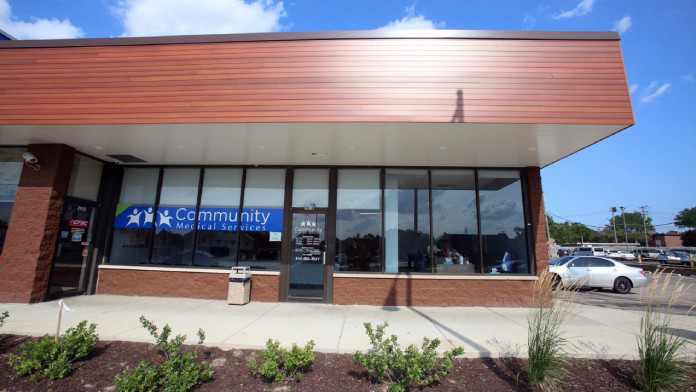
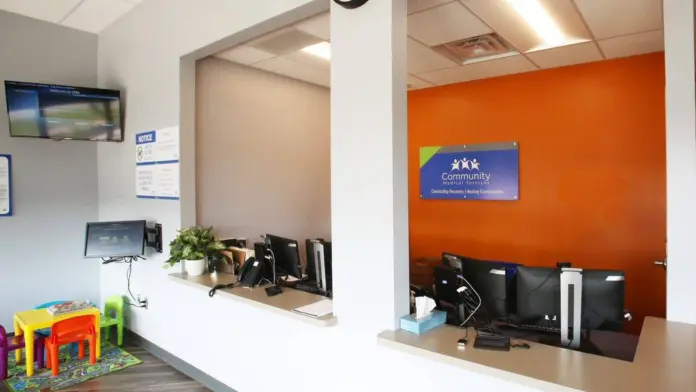
Located in Milwaukee, Wisconsin, Community Medical Services has outpatient addiction treatment services for adults. Here you’ll find a holistic approach to treating substance abuse that includes counseling, medication assisted treatment, and peer support. A specialized program for pregnant women with opioid addiction helps provide prenatal care and medication assisted therapy in a safe environment.
Through individual and group counseling, you’ll engage in an individualized treatment plan and develop healthy coping skills. Integrated peer support is a part of support groups, correctional health, and community outreach. Methadone, buprenorphine, and naltrexone medications are used to treat withdrawal symptoms and help reduce drug cravings. Medication treatment at this organization is also personalized, meaning medication recommendations are made based on your unique needs and lifestyle. The goal is to find the best treatment for your recovery journey.
One notable thing about Community Medical Services is that they developed an app called Recovery Connect. Through the app you’ll be able to communicate with your counselor, track your goals, and stay accountable. You can log your thoughts and triggers, as well as receive counselor support at the moment when you need it most. The app is free of charge.
CMS supports pregnant inmates in the local prison system by giving them screening for opioid use disorder, peer support and education, and care coordination. They also deliver medication and counseling services.
People who’ve received services at Community Medical Services say this is an amazing clinic with a wonderful staff. Another former client said this facility saved their life.
Latest Reviews



Rehab Score
 Our Methodology


Gallery
Other Forms of Payment
Private insurance refers to any kind of healthcare coverage that isn't from the state or federal government. This includes individual and family plans offered by an employer or purchased from the Insurance Marketplace. Every plan will have different requirements and out of pocket costs so be sure to get the full details before you start treatment.
Self-pay involves paying for treatment out of your own pocket. You can use savings or credit, get a personal loan, or receive help from family and friends to fund your treatment. If you don't have insurance or your insurance plan doesn't cover a specific program, self-pay can help ensure you still get the care you need.
Medicaid is a state based program that helps lower-income individuals and families pay for healthcare. Medicaid covers addiction treatment so those enrolled can use their coverage to pay for rehab. When a program accepts Medicaid the client often pays very little or nothing out of their own pocket.
Addiction Treatments
Levels of Care
Outpatient Programs (OP) are for those seeking mental rehab or drug rehab, but who also stay at home every night. The main difference between outpatient treatment (OP) and intensive outpatient treatment (IOP) lies in the amount of hours the patient spends at the facility. Most of the time an outpatient program is designed for someone who has completed an inpatient stay and is looking to continue their growth in recovery. Outpatient is not meant to be the starting point, it is commonly referred to as aftercare.
Inpatient rehab is designed to stabilize clients who are exiting detox or those who are in some form of crisis. They are an important preliminary step designed to prepare clients for outpatient, sober living, or community-based care. Clients live at the treatment center and engage in intensive addiction counseling. Group and family therapy is common. Many programs also emphasize recovery-focused life skills training to support clients' sustained sobriety. Some programs offer evidence-based holistic therapies, such as meditation.
Individuals staying in a sober living home in Wisconsin benefit from support and friendship with others in recovery. They're also encouraged to continue rehab through support groups and outpatient treatment. Halfway house residents further benefit from increased responsibility and mutual accountability that helps them practice recovery skills. Their time at a sober living home prepares them to transition back to regular life after treatment.
24-hour clinical care in Wisconsin is an essential safety protocol during addiction treatment. Medical staff provides treatment to address withdrawal symptoms and other health issues. Mental health professionals are available to address co-occurring disorders or other psychological concerns. Other resources may include family counselors, case managers, and nutritionists.
Medical detox involves weaning your body off drugs and/or alcohol in an inpatient setting, and is often the first step in addiction recovery. Quitting alcohol and certain drugs (like benzodiazepines or opioids) can cause dangerous side effects once you have become physically dependent. In medically assisted detox, a team of on-site healthcare professionals will work to keep you safe and comfortable during this process. Additionally, they may administer medications when needed to alleviate any withdrawal symptoms.
Clinical Services
As a form of substance use treatment, cognitive behavioral therapy in Wisconsin offers several advantages. The duration of this talk therapy is typically 20 sessions or less, so it can be more affordable, with quicker results. It's also offered in multiple formats, so it can be tailored to meet individual needs.
Conflict resolution and stress are common triggers for addictive behavior. Within a group therapy setting, participants learn to practice essential skills to improve relationships, manage conflict, and reduce stress. Each of these is a crucial factor in maintaining recovery.
Individual therapy offers you a tailored approach to treat drug addiction. This focuses on your unique needs and offers you personalized support outside of a group setting. You begin to understand what triggers your addictive behavior and develop coping skills that can support your recovery.
When conducting motivational interviewing in Wisconsin, therapists engage with their clients as equal partners. They don't provide unsolicited advice or confront clients. Instead, they ask questions and listen, with the goal of empowering clients to recognize any need for change and their ability to make those changes.
Trauma therapy gives you the opportunity to understand and manage the emotional and physical responses that often follow witnessing or experiencing a traumatic event. Working with an experienced and trained therapist, you can process the events of the trauma and develop healthier coping strategies to reduce your symptoms.
During couples therapy, you will engage in activities that promote forgiveness, healthy communication, and understanding. You'll receive "homework" to practice these skills during the week between sessions. Couples therapy typically lasts around 12 weeks.
One focus of family therapy is to create a network for the individual in recovery. Families must identify dysfunctional patterns and develop healthier ways of interacting. This can significantly improve their loved one's treatment outcome.
Amenities
-
 Residential Setting
 -
 Private Rooms
Staff & Accreditations
Staff
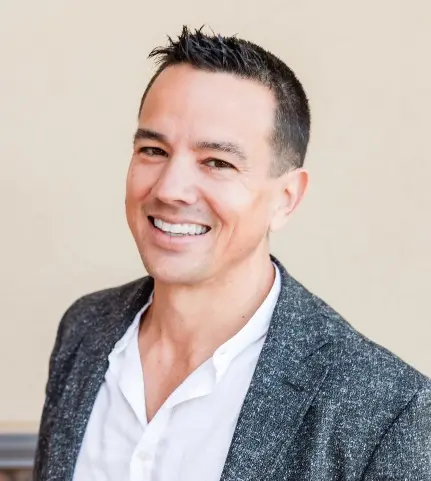
Nick Stavros
CEO

Dr. Robert Sherrick, M.D. FASAM
Chief Science Officer

Laura Contreras
CFO
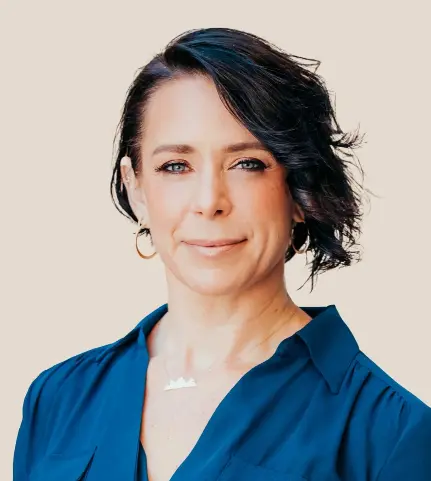
Stacie Baird
Chief People Officer
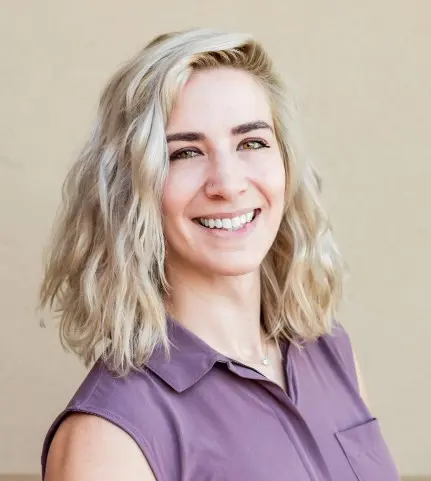
Hillary Tamar, M.D.
Medical Director
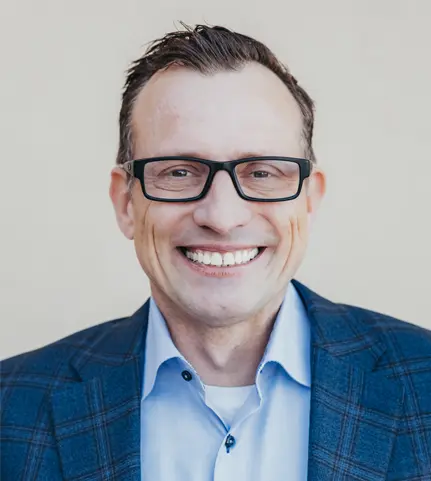
Christopher Flowers
COO
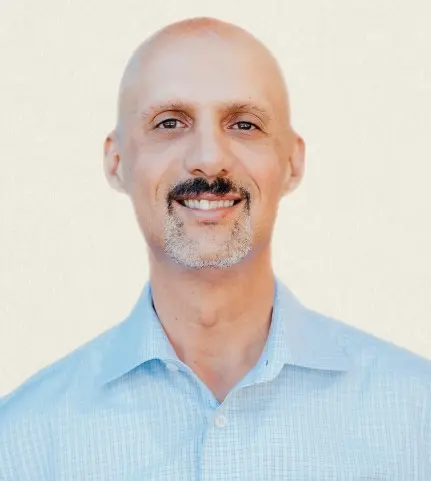
Michael Hailye
Chief Technology Officer
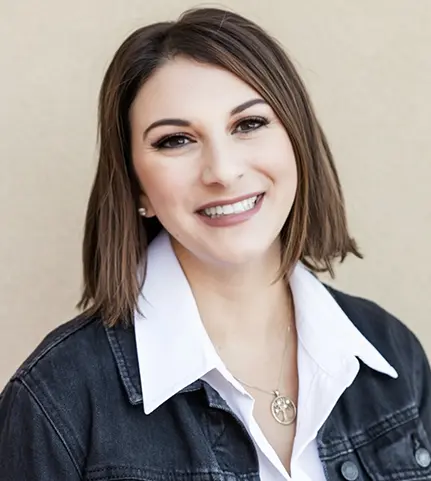
Jennifer Mason
Executive VP of Operations
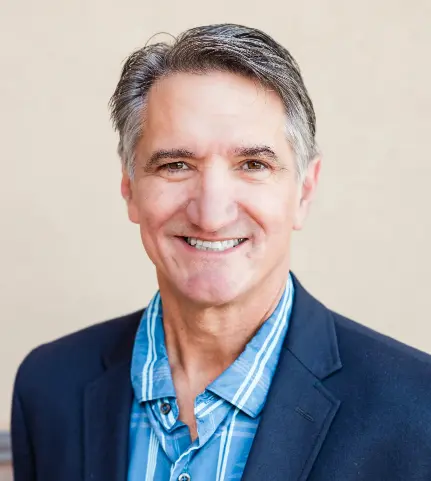
Mark Stavros, M.D.
Medical Director, Western Territory
Accreditations

The Commission on Accreditation of Rehabilitation Facilities (CARF) is a non-profit organization that specifically accredits rehab organizations. Founded in 1966, CARF's, mission is to help service providers like rehab facilities maintain high standards of care.
CARF Accreditation: Yes
Rehab.com regularly reviews this listing for accuracy but changes may occur between updates. For the most up-to-date information, please contact Community Medical Services.
Contact Information


2814 S 108th St
West Allis, WI 53227
Sponsored Helpline

