






























































































Like ALL programs in or out patient if you WANT to stop and only need the means, guidance and support to do it than this Is the place . If it was forced upon you or just not ready then may be the place but it may take you more than 1 attempt . In the beginning it’s about ...
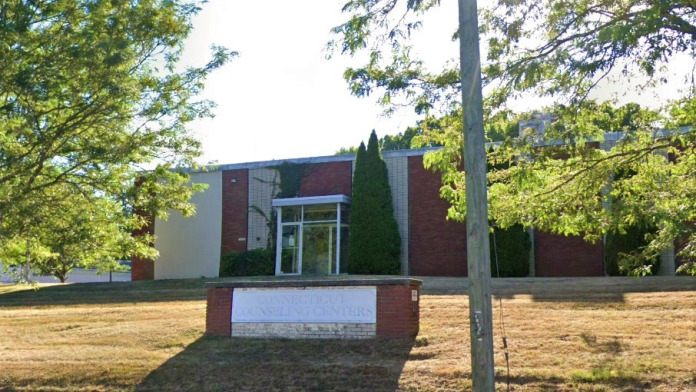
About Connecticut Counseling Centers, Inc.
The intensive outpatient programs meet three times per week for three hours each day. Specialized tracks are available for substance abuse, mental health, and co-occurring disorders. Sessions are available in the mornings and evenings. Treatment includes individual and group therapy, and medication management. Spanish-speaking groups and gender-specific groups are available.
MARS or medication-assisted recovery support is a peer support program with a structured 20-hour curriculum. This group provides information, peer support, recovery-oriented activities, and peer advocacy services for adults receiving medication-assisted treatment.
The medication-assisted treatment program includes medical assessment, a comprehensive psychosocial assessment, identification of co-occurring disorders, individual and group therapy, HIV and hepatitis C testing and counseling, and referrals for other community services needed.
Latest Reviews
Have been a patient here for multiple years. Maria went out of her way multiple times to help me; as well as my current counselor Nicole. If you comply with their program it can be life changing. Please disregard negative comments. Their nurses-June,Vicki,Jim. Etc are awesome, encouraging, and professional. Recovery is difficult but the staff here is great.
I can't say enough wonderful things, about this extraordinary place. Initially, being from San Diego, after reading the terrible reviews, I was so apprehensive, reluctant to go here, to the point of getting sick, thinking this place sounds awful. I couldn't have been more wrong. Shame on these people writing those terrible reviews. It's a bunch lies, on truths, fictitious statements. I went in expecting the worst. ALMOST IMMEDIATELY UPON ENTERING THE BUILDING, I KNEW HOW LONG THOSE REVIEWS WERE. IT WAS RIGHT IN MY FACE I've never experienced so many wonderful people, all in one place. You'd be lucky to get just one kind person, but in this place, the love is everywhere. I mean it. I can't say enough. No judgement, no looking down, no feelings of shame because of the way they speak to you. To the contrary, they treat you wonderfully, with kindness and compassion and with a real desire to help. God bless every single person at this facility. They truly are doing GOD'S work. Angels, here on earth, to help those in pain, we numb ourselves, with the drugs, just to get through another day. If I can do it, after my hellish life, I stand confident, anyone is capable. This place touched my heart. I go by actions and their actions at CT Counseling, tell me all I need to know. They ;I've what they're doing and truly care about other people, with a genuine desire to help others.There is no question about it.
Glad I came Almost completed TY
Reviewed on 11/22/2023
Like ALL programs in or out patient if you WANT to stop and only need the means, guidance and support to do it than this
Is the place . If it was forced upon you or just not ready then may be the place but it may take you more than 1 attempt . In the beginning it’s about reducing amount of your intake substance as you increase amount of medication. That amount and that pace is unique to the individual and CCC recognizes that and also respects that . As long as you trend in proper direction and continue to show progress you have the support of your Counselor. Once stabilized they develop your treatment plan. When you have decreased and eliminated substances and have found a comfortable level of medication dosage that is when you now replaced your bad habit routine with a daily monitored stabilized routine that also is unique to the comfort level of individual discussing a wide range of topics with your assigned counselor: once trust is earned having clean random monthly tests you don’t have to be at the facility unless you chose to and you can begin to take home monitored medication to responsibly proceed with your outpatient program. Your counselor will encourage the timing the is best to decrease at the pace that works for you until you are done and substance free. So much better than 30 day, 90 day ,12 month 0r any predetermined length of time programs because every person is unique whether they feel confident they can do it in a year, 3 yrs, 5 , 10 or stay with this support system as a new part of life what is important is that new life is what you WANTED to achieve and join the team of success stories! In most other reviews I agree that it is about money for the center , but what business , paying their employees ,is not about making money to stay afloat? Also not all counselors are ex addicts that have felt & know exactly what & how we feel, but we can open up & let them learn about the uncontrollable disease & struggles of how our mind works!

Rehab Score
 Our Methodology
Scoring is assigned by a proprietary system which helps surface key metrics that determine quality. The 10-point scale factors in categories such as operations, customer satisfaction, and trust metrics. Read Full Methodology

7.2 / 10
Gallery
Other Forms of Payment
Medicaid is a state based program that helps lower-income individuals and families pay for healthcare. Medicaid covers addiction treatment so those enrolled can use their coverage to pay for rehab. When a program accepts Medicaid the client often pays very little or nothing out of their own pocket.
Private insurance refers to any kind of healthcare coverage that isn't from the state or federal government. This includes individual and family plans offered by an employer or purchased from the Insurance Marketplace. Every plan will have different requirements and out of pocket costs so be sure to get the full details before you start treatment.
Self-pay involves paying for treatment out of your own pocket. You can use savings or credit, get a personal loan, or receive help from family and friends to fund your treatment. If you don't have insurance or your insurance plan doesn't cover a specific program, self-pay can help ensure you still get the care you need.
Financial aid can take many forms. Centers may have grants or scholarships available to clients who meet eligibility requirements. Programs that receive SAMHSA grants may have financial aid available for those who need treatment as well. Grants and scholarships can help you pai for treatment without having to repay.
Sliding scale payments are based on a client's income and family size. The goal is to make treatment affordable to everyone. By taking these factors into account, addiction recovery care providers help ensure that your treatment does not become a financial burden to you or your family, eliminating one barrier to care.
Military members, veterans, and eligible dependents have access to specific insurance programs that help them get the care they need. TRICARE and VA insurance can help you access low cost or no cost addiction and mental health treatment. Programs that accept military insurance often have targeted treatment focused on the unique challenges military members, veterans, and their families face.
Medicare is a federal program that provides health insurance for those 65 and older. It also serves people under 65 with chronic and disabling health challenges. To use Medicare for addiction treatment you need to find a program that accepts Medicare and is in network with your plan. Out of pocket costs and preauthorization requirements vary, so always check with your provider.
Private insurance refers to any kind of healthcare coverage that isn't from the state or federal government. This includes individual and family plans offered by an employer or purchased from the Insurance Marketplace. Every plan will have different requirements and out of pocket costs so be sure to get the full details before you start treatment.
Addiction Treatments
Levels of Care
Outpatient Programs (OP) are for those seeking mental rehab or drug rehab, but who also stay at home every night. The main difference between outpatient treatment (OP) and intensive outpatient treatment (IOP) lies in the amount of hours the patient spends at the facility. Most of the time an outpatient program is designed for someone who has completed an inpatient stay and is looking to continue their growth in recovery. Outpatient is not meant to be the starting point, it is commonly referred to as aftercare.
Drug and alcohol addiction often takes a heavy toll on one's body. Over time, a physical dependence can develop, meaning the body physiologically needs the substance to function. Detox is the process of removing drugs and/or alcohol from the body, a process that can be lethal if mismanaged. Medical detox is done by licensed medical professionals who monitor vital signs and keep you safe, healthy, and as comfortable as possible as you go through detox and withdrawal.
Intensive Outpatient Programs (IOP) are for those who want or need a very structured treatment program but who also wish to live at home and continue with certain responsibilities (such as work or school). IOP substance abuse treatment programs vary in duration and intensity, and certain outpatient rehab centers will offer individualized treatment programs.
Intervention services can be crucial to successfully plan and complete a drug intervention in Connecticut. A professional interventionist can walk loved ones through the careful step-by-step process of carrying out an intervention. This process may be necessary if an individual is causing physical harm to themselves or others, when it is apparent that they aren't going to get help, or when they deny they have a problem at all.
Rehab aftercare programs promote clients' long-term sobriety through a suite of services designed to provide a complete continuum of care. Drug rehab aftercare typically begins as soon as patients exit inpatient care and often includes formal outpatient treatment. Clients who no longer require outpatient counseling, education, or other treatment generally continue to receive rehab aftercare services, such as peer coaching, career counseling, or 12 step program induction. Clients typically develop their program in collaboration with their case manager.
Treatments
The goal of treatment for alcoholism is abstinence. Those with poor social support, poor motivation, or psychiatric disorders tend to relapse within a few years of treatment. For these people, success is measured by longer periods of abstinence, reduced use of alcohol, better health, and improved social functioning. Recovery and Maintenance are usually based on 12 step programs and AA meetings.
Drug rehab in Connecticut provides the professional support that is often necessary to break free from drug dependency. With proper treatment, individuals can make changes that restore balance and health to their lives and achieve long-term recovery.
Many of those suffering from addiction also suffer from mental or emotional illnesses like schizophrenia, bipolar disorder, depression, or anxiety disorders. Rehab and other substance abuse facilities treating those with a dual diagnosis or co-occurring disorder administer psychiatric treatment to address the person's mental health issue in addition to drug and alcohol rehabilitation.
Opioid rehabs specialize in supporting those recovering from opioid addiction. They treat those suffering from addiction to illegal opioids like heroin, as well as prescription drugs like oxycodone. These centers typically combine both physical as well as mental and emotional support to help stop addiction. Physical support often includes medical detox and subsequent medical support (including medication), and mental support includes in-depth therapy to address the underlying causes of addiction.
Substance rehabs focus on helping individuals recover from substance abuse, including alcohol and drug addiction (both illegal and prescription drugs). They often include the opportunity to engage in both individual as well as group therapy.
Programs
Adult rehab programs include therapies tailored to each client's specific needs, goals, and recovery progress. They are tailored to the specific challenges adult clients may face, including family and work pressures and commitments. From inpatient and residential treatment to various levels of outpatient services, there are many options available. Some facilities also help adults work through co-occurring conditions, like anxiety, that can accompany addiction.
Young adulthood can be an exciting, yet difficult, time of transition. Individuals in their late teens to mid-20s face unique stressors related to school, jobs, families, and social circles, which can lead to a rise in substance use. Rehab centers with dedicated young adult programs will include activities and amenities that cater to this age group, with an emphasis on specialized counseling, peer socialization, and ongoing aftercare.
Recovery is most successful when clients feel accepted and validated by their peers and treatment providers. Facilities that offer LGBTQ-inclusive programming are committed to creating a safe space where everyone can grow and recover without fear of judgment or discrimination. They will have dedicated policies in place to create a safe and supportive environment that fosters free expression.
Clinical Services
Group therapy is any therapeutic work that happens in a group (not one-on-one). There are a number of different group therapy modalities, including support groups, experiential therapy, psycho-education, and more. Group therapy involves treatment as well as processing interaction between group members.
Trauma therapy addresses traumatic incidents from a client's past that are likely affecting their present-day experience. Trauma is often one of the primary triggers and potential causes of addiction, and can stem from child sexual abuse, domestic violence, having a parent with a mental illness, losing one or both parents at a young age, teenage or adult sexual assault, or any number of other factors. The purpose of trauma therapy is to allow a patient to process trauma and move through and past it, with the help of trained and compassionate mental health professionals.
According to cognitive behavioral therapy in Connecticut, individuals can change their behaviors by changing their thoughts. Applied to substance use disorder, this can be an effective treatment method to help patients transform their thoughts and lives.
Clients participating in dialectical behavior therapy in Connecticut can expect to attend weekly skills focused group meetings as well as one on one sessions with the therapist. Individual sessions usually last one hour, and groups, made up of four to 10 people, last 1.5 to 2 hours. The focus is to help clients accept situations, recognize emotions, and acknowledge the need for change.
During couples therapy in Connecticut, you will learn skills such as problem solving, conflict resolution, and anger management. The goal is to develop techniques that will help you successfully navigate relationship challenges.
Family therapy sessions work to strengthen the family unit by addressing addiction related conflicts and fostering support between family members. Your therapist guides family members in developing effective communication strategies and creating an environment that aids in your loved one's recovery.
Motivational interviewing in Connecticut is a method of communication designed to stimulate motivation and commitment to change. It encourages clients to move toward goals by exploring their own motivations for change rather than coercing them to change through advice, warnings, or judgment.
Individual therapy uses evidence based treatment modalities to focus on building a strong therapeutic alliance between yourself and your therapist. This crucial relationship fosters trust that enables you to discuss your struggles and work together to develop effective strategies to overcome addiction.
Staff & Accreditations
Staff

Robert Lambert, MA, LADC
President & Executive Director
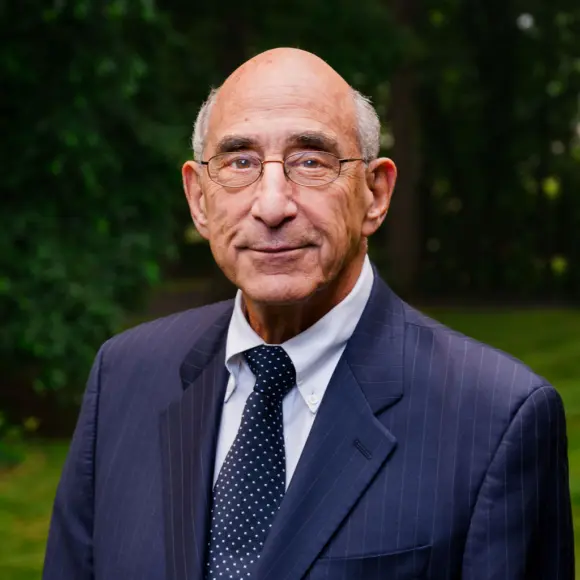
Mark Kraus, MD, FASAM
Chief Medical Officer
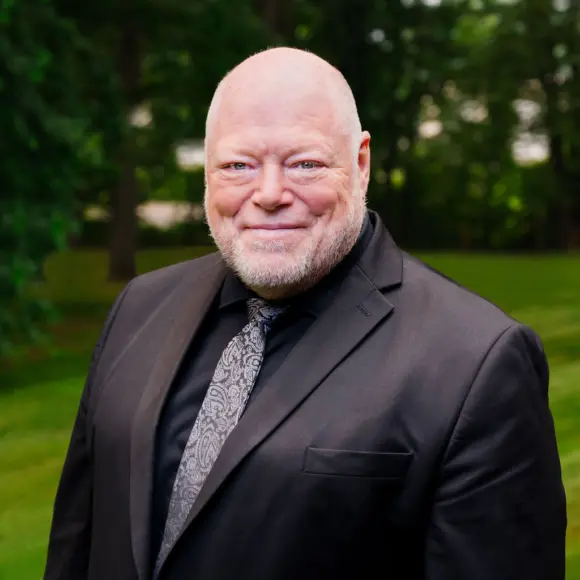
Alan Nolan, LCSW
Director of Clinical Operations
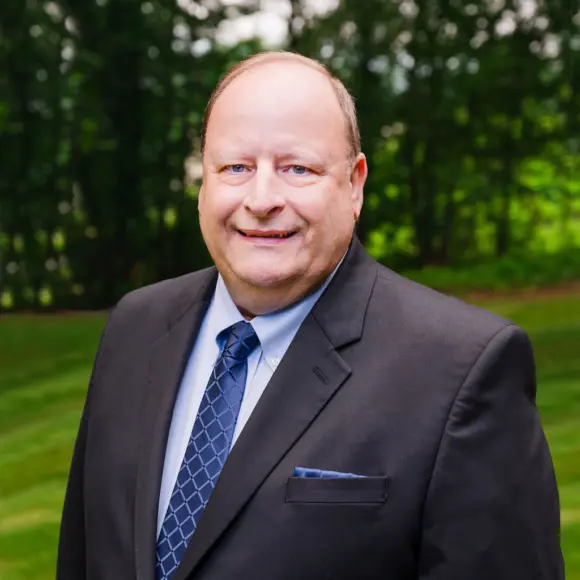
David Schiavo
Director of Human Resources

Jason Bradway, MSA
Director of Information System
Accreditations

The Substance Abuse and Mental Health Services Administration (SAMHSA) is a branch of the U.S. Department of Health and Human Services. Established in 1992 by congress, SAMHSA's mission is to reduce the impact of substance abuse and mental illness on American's communities.
SAMHSA Listed: Yes

The Commission on Accreditation of Rehabilitation Facilities (CARF) is a non-profit organization that specifically accredits rehab organizations. Founded in 1966, CARF's, mission is to help service providers like rehab facilities maintain high standards of care.
CARF Accreditation: Yes

State Licenses are permits issued by government agencies that allow rehab organizations to conduct business legally within a certain geographical area. Typically, the kind of program a rehab facility offers, along with its physical location, determines which licenses are required to operate legally.
State License: Connecticut
Rehab.com regularly reviews this listing for accuracy but changes may occur between updates. For the most up-to-date information, please contact Connecticut Counseling Centers, Inc..
Contact Information

60 Beaverbrook Road
Danbury CT, 06810
Get Help Now - 860-264-6018
Sponsored Helpline
Sponsored Helpline



