They are o helpful, nice, and so understanding! They will help you with so much stuff. I could improve my life and now be a better person, thanks to his place.
About Creoks Health Services
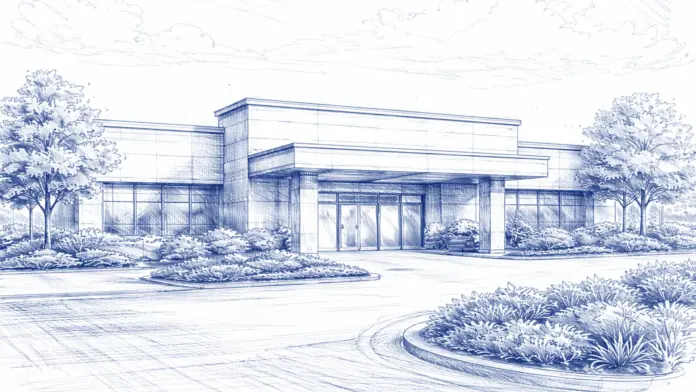
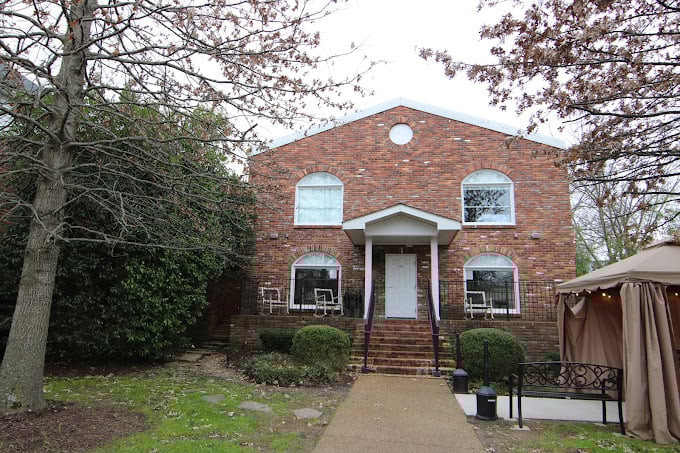
Their Sallisaw clinic is a nonprofit Certified Community Behavioral Health Clinic that is funded by Oklahoma Medicaid. CCBHC clinics are mandated to provide mental health and substance abuse care to everyone no matter their ability to pay. Their adult services include assessment and screening, diagnosis, and treatment planning, individual, group, and family counseling, psychiatric consultation, medication management, and coordination of care with your primary care provider. They incorporate scientifically tested therapies such as cognitive behavioral therapy.
You’ll access care in an outpatient setting to allow you to continue to work, attend school, and live at home. Children and youth up to the age 25 can receive the same kinds of services but with the addition of play therapy provided through clinics, school based programs, and in home care. When circumstances require it, services can be handled through a juvenile or adult drug court.
CREOKS Mental Health Services acknowledges and is respectful of the indigenous communities and Native Persons whose lands they occupy in Oklahoma. They are certified by the Oklahoma Department of Mental Health and Substance Abuse Services and are CARF accredited.
If you use Oklahoma Medicaid, which is now called SoonerCare), you can receive free screenings for depression, anxiety, or substance abuse without prior authorization. Once you visit a mental health clinic for a screening, they will help you access further services as needed.

Latest Reviews
Rehab Score
Other Forms of Payment
Medicaid is a state based program that helps lower-income individuals and families pay for healthcare. Medicaid covers addiction treatment so those enrolled can use their coverage to pay for rehab. When a program accepts Medicaid the client often pays very little or nothing out of their own pocket.
Self-pay involves paying for treatment out of your own pocket. You can use savings or credit, get a personal loan, or receive help from family and friends to fund your treatment. If you don't have insurance or your insurance plan doesn't cover a specific program, self-pay can help ensure you still get the care you need.
Addiction Treatments
Levels of Care
Outpatient Programs (OP) are for those seeking mental rehab or drug rehab, but who also stay at home every night. The main difference between outpatient treatment (OP) and intensive outpatient treatment (IOP) lies in the amount of hours the patient spends at the facility. Most of the time an outpatient program is designed for someone who has completed an inpatient stay and is looking to continue their growth in recovery. Outpatient is not meant to be the starting point, it is commonly referred to as aftercare.
Clients enrolled in rehab aftercare programs have typically completed weeks or months of intensive treatment, often in inpatient detox and/or rehab centers, and may be receiving outpatient care. Drug rehab aftercare is designed to approach recovery as a life-long process. Clients and their case managers and care teams typically work together to formulate clients' continuing care plan, which may include peer coaching, career counseling, and 12 step program facilitation, among other services.
A drug intervention in Oklahoma can be an effective tool for a loved one who's struggling with alcohol and drug addiction. Intervention services include trained interventionists to help families plan and carry out an intervention with their loved one. It is often helpful to involve a non-partial expert in this highly emotional process. The interventionist provides expert insight and can recommend the best course of treatment for the individual and family.
Treatments
Many of those suffering from addiction also suffer from mental or emotional illnesses like schizophrenia, bipolar disorder, depression, or anxiety disorders. Rehab and other substance abuse facilities treating those with a dual diagnosis or co-occurring disorder administer psychiatric treatment to address the person's mental health issue in addition to drug and alcohol rehabilitation.
When you experience a mental health and substance abuse disorder at the same time, a dual-diagnosis rehab can offer the specialized forms of care needed in order to address these co-occurring disorders. Expert staff members combine evidence-based therapies like cognitive-behavioral therapy (CBT), dialectical behavior therapy (DBT), eye movement desensitization and reprocessing (EMDR), and experiential therapy in order to address both disorders simultaneously. Oklahoma dual-diagnosis rehabs provide personalized treatment plans that prioritize your well-being, supporting holistic healing and empowering you towards lasting change.

Programs
Adult rehab programs include therapies tailored to each client's specific needs, goals, and recovery progress. They are tailored to the specific challenges adult clients may face, including family and work pressures and commitments. From inpatient and residential treatment to various levels of outpatient services, there are many options available. Some facilities also help adults work through co-occurring conditions, like anxiety, that can accompany addiction.
Young adulthood can be an exciting, yet difficult, time of transition. Individuals in their late teens to mid-20s face unique stressors related to school, jobs, families, and social circles, which can lead to a rise in substance use. Rehab centers with dedicated young adult programs will include activities and amenities that cater to this age group, with an emphasis on specialized counseling, peer socialization, and ongoing aftercare.
Clinical Services
Group therapy is any therapeutic work that happens in a group (not one-on-one). There are a number of different group therapy modalities, including support groups, experiential therapy, psycho-education, and more. Group therapy involves treatment as well as processing interaction between group members.
In individual therapy, a patient meets one-on-one with a trained psychologist or counselor. Therapy is a pivotal part of effective substance abuse treatment, as it often covers root causes of addiction, including challenges faced by the patient in their social, family, and work/school life.

Trauma therapy addresses traumatic incidents from a client's past that are likely affecting their present-day experience. Trauma is often one of the primary triggers and potential causes of addiction, and can stem from child sexual abuse, domestic violence, having a parent with a mental illness, losing one or both parents at a young age, teenage or adult sexual assault, or any number of other factors. The purpose of trauma therapy is to allow a patient to process trauma and move through and past it, with the help of trained and compassionate mental health professionals.

Whether a marriage or other committed relationship, an intimate partnership is one of the most important aspects of a person's life. Drug and alcohol addiction affects both members of a couple in deep and meaningful ways, as does rehab and recovery. Couples therapy and other couples-focused treatment programs are significant parts of exploring triggers of addiction, as well as learning how to build healthy patterns to support ongoing sobriety.
Research clearly demonstrates that recovery is far more successful and sustainable when loved ones like family members participate in rehab and substance abuse treatment. Genetic factors may be at play when it comes to drug and alcohol addiction, as well as mental health issues. Family dynamics often play a critical role in addiction triggers, and if properly educated, family members can be a strong source of support when it comes to rehabilitation.
Without proper life skills, it is difficult to build a path to a better future. Life skills training gives you the tools you need to gain control of daily life and face challenges head on. This makes life skills training a crucial part of recovery programs in Oklahoma.
Amenities
-
Private Setting
Staff
Brent Black
CEO
Phil Black
Chief People Officer
Amber Gutierrez
Chief Communications Officer
Wade Hunter
COO
Jennifer Johnson
Chief Legal Officer
Jenny Stubblefield
CFO
Brandi Smith
Chief Clinical Officer
Ashley Westmoreland
Chief of Staff & Chief Strategy Officer
Contact Information
1108 N Wheeler Ave
Sallisaw, OK 74955