





























































































Their high turnover rate for employees is definetly a red flag. Your money is not worth it to hear what they have to teach you. The appointment that I scheduled 2 weeks ago was cancelled the same day I was supposed to have it. They are supposed to help those in need, but ref ...
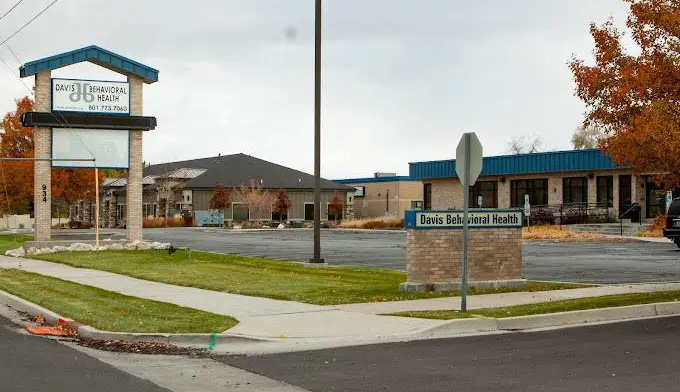
About Davis Behavioral Health
Before you begin treatment, they’ll take the time to evaluate your needs. This helps them understand where you’re at in your recovery journey, how far you’ve already come, and what you need moving forward. Once they have those answers they’ll develop a custom treatment plan that closely follows the recovery model framework. Something I like about this place is that they allow you to be an active participant in the treatment planning.
While everyone’s plan is unique, some of the most common services offered here include individual and group counseling, medication management, recovery support and case management. They also offer crisis stabilization services for clients who need immediate care. If you’re overcoming an opioid addiction, they may offer to support this process through the use of FDA addiction medications. These medications can help ease your pain, reduce your cravings, and make you less likely to relapse.
One former client said their therapist was amazing and easy to talk to, while another said their counseling sessions brought them back to the person they’d lost along the way.
Latest Reviews
It's help me a little bit but not much
Response from the owner1 week ago
River - thank you for taking the time to leave this positive review!
I have been coming to DBH since I was just a young boy and I have loved every minute of it. The therapists and the councilors and staff are people that truly care for their clients and they are in more ways my family that I always needed. It is such a blessing to have them available for my recovery and to keep my mind in a sane place. I see this place at least 5 times a week and would recommend them to anyone. Even when I moved out of state I kept in touch a lot and the first thing I did when I got back was check in with them and they helped me get on my feet again. They reintroduced me to Journey House again and I have daily people and friends now that support every thing and every decision that I make. they help with home arrangements and therapeutic action. I needed to take a few days off during Covid 19 and they would bring me lunch. They were the shining star I was looking for and I came home to them and they welcomed me with open arms. I love you and will always be yours truly. Thankyou from Wings Blahut
Response from the owner1 week ago
Wings - thank you for taking the time to leave this positive review! We are pleased to hear that the services you have received at Davis Behavioral Health have been helpful to you.
The people are fantastic!
Response from the owner1 week ago
Sharalee - thank you for taking the time to leave this positive review! 
Rehab Score
 Our Methodology
Scoring is assigned by a proprietary system which helps surface key metrics that determine quality. The 10-point scale factors in categories such as operations, customer satisfaction, and trust metrics. Read Full Methodology

7 / 10
Gallery
Accepted Insurance
Health Choice

EMI Health
MotivHealth
Public Employees Health Program (PEHP)
SelectHealth
Other Forms of Payment
Private insurance refers to any kind of healthcare coverage that isn't from the state or federal government. This includes individual and family plans offered by an employer or purchased from the Insurance Marketplace. Every plan will have different requirements and out of pocket costs so be sure to get the full details before you start treatment.
Self-pay involves paying for treatment out of your own pocket. You can use savings or credit, get a personal loan, or receive help from family and friends to fund your treatment. If you don't have insurance or your insurance plan doesn't cover a specific program, self-pay can help ensure you still get the care you need.
Financial aid can take many forms. Centers may have grants or scholarships available to clients who meet eligibility requirements. Programs that receive SAMHSA grants may have financial aid available for those who need treatment as well. Grants and scholarships can help you pai for treatment without having to repay.
Sliding scale payments are based on a client's income and family size. The goal is to make treatment affordable to everyone. By taking these factors into account, addiction recovery care providers help ensure that your treatment does not become a financial burden to you or your family, eliminating one barrier to care.
Medicare is a federal program that provides health insurance for those 65 and older. It also serves people under 65 with chronic and disabling health challenges. To use Medicare for addiction treatment you need to find a program that accepts Medicare and is in network with your plan. Out of pocket costs and preauthorization requirements vary, so always check with your provider.
Military members, veterans, and eligible dependents have access to specific insurance programs that help them get the care they need. TRICARE and VA insurance can help you access low cost or no cost addiction and mental health treatment. Programs that accept military insurance often have targeted treatment focused on the unique challenges military members, veterans, and their families face.
Medicaid is a state based program that helps lower-income individuals and families pay for healthcare. Medicaid covers addiction treatment so those enrolled can use their coverage to pay for rehab. When a program accepts Medicaid the client often pays very little or nothing out of their own pocket.
Addiction Treatments
Levels of Care
Outpatient Programs (OP) are for those seeking mental rehab or drug rehab, but who also stay at home every night. The main difference between outpatient treatment (OP) and intensive outpatient treatment (IOP) lies in the amount of hours the patient spends at the facility. Most of the time an outpatient program is designed for someone who has completed an inpatient stay and is looking to continue their growth in recovery. Outpatient is not meant to be the starting point, it is commonly referred to as aftercare.
Clients often choose to enter intensive outpatient programs (IOP) when they exit inpatient rehab. Others turn to IOP as an alternative to hospitalization. Intensive outpatient rehabs offer high-level care for clients in early recovery and those at an elevated risk of relapse, typically requiring them to commit to between nine and 20 hours of treatment per week. The most prevalent treatment modalities include psychotherapy, recovery education, medication assisted treatment (MAT), and holistic therapies, such as meditation.
Clients receiving services in a rehab aftercare program have generally been stable and sober for a period of weeks and months and no longer require high intensity treatment. Many have stepped down from inpatient rehab to outpatient treatment. Others have been discharged from formal treatment but need support in maintaining their sobriety. Clients typically work with their case manager and care team to develop a long-term care plan that aligns with their unique needs and goals.
If your friend or family member is suffering physically or psychologically from substance use but denies there is a problem, it might be time for a drug intervention in Utah. This process involves meeting with an intervention specialist from a facility's intervention services program. This specialist will interview family members to gain an understanding of the situation, then facilitate the intervention. Their expertise can prove invaluable in navigating this complex confrontation.
Medical detox is the safest way to remove addictive substances from your body under the care of medical professionals. In an inpatient environment, you'll be monitored 24/7 by doctors, nurses, and clinical experts, who will help keep you as safe and comfortable as possible and administer medication if needed to treat any withdrawal symptoms. The process may take up to a week or longer depending on your needs, and is often at least partially covered by insurance.
Treatments
Professional addiction treatment at an alcohol rehab in Utah can help people struggling with alcohol use disorder. This disorder occurs when someone becomes psychologically or physically dependent on alcohol. During treatment, individuals undergo detox to safely withdraw from alcohol. Then, they participate in a customized treatment plan that uses behavioral therapies and support systems to help them move forward in recovery.
When you enter a drug rehab in Utah, the process usually involves four stages: treatment initiation, early abstinence, maintaining abstinence, and advanced recovery. Treatment methods can rely on medications, counseling, or both, in either an outpatient or inpatient setting.
 Opioid Addiction
In Utah, individuals looking for substance abuse treatment can find several inpatient and outpatient treatment programs. Typically, you can expect the program to include evidence-based therapies such as cognitive-behavioral therapy (CBT), dialectical behavior therapy (DBT), psychoeducation, skills development groups, and experiential therapies, like equine therapy, and adventure therapy. By receiving expert addiction treatment and learning new coping strategies, you'll drastically improve your mental health and the ability to achieve long-term sobriety.
Programs
Adult rehab programs include therapies tailored to each client's specific needs, goals, and recovery progress. They are tailored to the specific challenges adult clients may face, including family and work pressures and commitments. From inpatient and residential treatment to various levels of outpatient services, there are many options available. Some facilities also help adults work through co-occurring conditions, like anxiety, that can accompany addiction.
Young adulthood can be an exciting, yet difficult, time of transition. Individuals in their late teens to mid-20s face unique stressors related to school, jobs, families, and social circles, which can lead to a rise in substance use. Rehab centers with dedicated young adult programs will include activities and amenities that cater to this age group, with an emphasis on specialized counseling, peer socialization, and ongoing aftercare.
Clinical Services
Cognitive Behavioral Therapy (CBT) is a therapy modality that focuses on the relationship between one's thoughts, feelings, and behaviors. It is used to establish and allow for healthy responses to thoughts and feelings (instead of unhealthy responses, like using drugs or alcohol). CBT has been proven effective for recovering addicts of all kinds, and is used to strengthen a patient's own self-awareness and ability to self-regulate. CBT allows individuals to monitor their own emotional state, become more adept at communicating with others, and manage stress without needing to engage in substance abuse.
Dialectical Behavior Therapy (DBT) is a modified form of Cognitive Behavioral Therapy (CBT), a treatment designed to help people understand and ultimately affect the relationship between their thoughts, feelings, and behaviors. DBT is often used for individuals who struggle with self-harm behaviors, such as self-mutilation (cutting) and suicidal thoughts, urges, or attempts. It has been proven clinically effective for those who struggle with out-of-control emotions and mental health illnesses like Borderline Personality Disorder.
Group therapy is any therapeutic work that happens in a group (not one-on-one). There are a number of different group therapy modalities, including support groups, experiential therapy, psycho-education, and more. Group therapy involves treatment as well as processing interaction between group members.
In individual therapy, a patient meets one-on-one with a trained psychologist or counselor. Therapy is a pivotal part of effective substance abuse treatment, as it often covers root causes of addiction, including challenges faced by the patient in their social, family, and work/school life.
Trauma therapy addresses traumatic incidents from a client's past that are likely affecting their present-day experience. Trauma is often one of the primary triggers and potential causes of addiction, and can stem from child sexual abuse, domestic violence, having a parent with a mental illness, losing one or both parents at a young age, teenage or adult sexual assault, or any number of other factors. The purpose of trauma therapy is to allow a patient to process trauma and move through and past it, with the help of trained and compassionate mental health professionals.
Whether a marriage or other committed relationship, an intimate partnership is one of the most important aspects of a person's life. Drug and alcohol addiction affects both members of a couple in deep and meaningful ways, as does rehab and recovery. Couples therapy and other couples-focused treatment programs are significant parts of exploring triggers of addiction, as well as learning how to build healthy patterns to support ongoing sobriety.
Research clearly demonstrates that recovery is far more successful and sustainable when loved ones like family members participate in rehab and substance abuse treatment. Genetic factors may be at play when it comes to drug and alcohol addiction, as well as mental health issues. Family dynamics often play a critical role in addiction triggers, and if properly educated, family members can be a strong source of support when it comes to rehabilitation.
Life skills training helps you handle the daily obligations of work, school, and family. It rebuilds your self awareness and self confidence so you can face these challenges with healthy coping strategies rather than succumb to relapse.
The goal of experiential therapy is to help you work through trauma or intense feelings by interacting with your environment and others. In a safe environment, you are able to resolve conflicts or challenges from the past. Techniques include adventure courses, equine therapy, martial arts, and music.
When your body no longer gets nicotine from cigarettes, you will most likely experience withdrawal and craving symptoms. Nicotine replacement therapy is designed to ease these symptoms so you are more comfortable and less likely to relapse.
Amenities
-
 Private Setting
Staff
Maureen Womack
CEO
Ryan Westergard
CFO
Rehab.com regularly reviews this listing for accuracy but changes may occur between updates. For the most up-to-date information, please contact Davis Behavioral Health.
Contact Information

934 S Main St
Layton, UT 84041
Get Help Now - 385-390-3465
Sponsored Helpline
Sponsored Helpline



