















































































































About ETANO Center
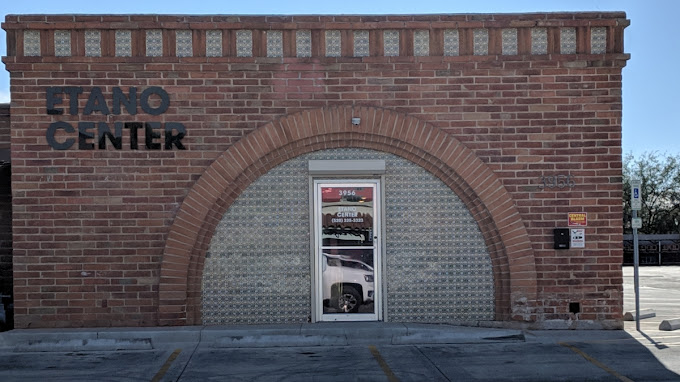
Tuscan, Arizona is a year-round outdoor playground and a UNESCO City of Gastronomy. It’s also home to ETANO Center. Established in 2005, this CARF accredited outpatient clinic provides specialized opioid addiction treatment for adults. You can access multiple targeted approaches in a supportive, judgment-free zone.
Their programs offer long and short-term interventions to meet you where you are in recovery. They create a personalized treatment plan with your goals at the forefront. You’ll participate in medication assisted treatment (MAT) with proven therepuetic interventions. Group therapy, individual counseling, peer support, addiction education and laboratory and medical services are available.
They prescribe FDA-approved medications like buprenorphine, methadone, and naltrexone to help you manage the uncomfortable symptoms of quitting opioids. You’ll participate in treatment best practices to recognize and address addiction’s psychological effects and promote sustained recovery.
For me, their extended take-home program really stood out. As you progress in treatment, you’ll earn the privilege of taking your medication home. They offer a 28-day supply with random drug testing and medication verification. I think this is a great approach because you won’t have to go to the office daily to get your dose. You’ll also have greater autonomy and flexibility which allows you to focus on improving other essential life aspects.
Another great feature is their outpatient detox program. This program helps you quit opioids with methadone, counseling and treatment planning. Throughout your journey they taper the course of your doses. Depending on your unique situation you could continue care for 31 to 180 days. I like this approach because you have a set process for when you’ll be completely off methadone. And, the coping skills you learn throughout treatment can help you sustain recovery.
Latest Reviews



Rehab Score
 Our Methodology


Gallery

Other Forms of Payment
Private insurance refers to any kind of healthcare coverage that isn't from the state or federal government. This includes individual and family plans offered by an employer or purchased from the Insurance Marketplace. Every plan will have different requirements and out of pocket costs so be sure to get the full details before you start treatment.
Self-pay involves paying for treatment out of your own pocket. You can use savings or credit, get a personal loan, or receive help from family and friends to fund your treatment. If you don't have insurance or your insurance plan doesn't cover a specific program, self-pay can help ensure you still get the care you need.
Military members, veterans, and eligible dependents have access to specific insurance programs that help them get the care they need. TRICARE and VA insurance can help you access low cost or no cost addiction and mental health treatment. Programs that accept military insurance often have targeted treatment focused on the unique challenges military members, veterans, and their families face.
Addiction Treatments
Levels of Care
Outpatient Programs (OP) are for those seeking mental rehab or drug rehab, but who also stay at home every night. The main difference between outpatient treatment (OP) and intensive outpatient treatment (IOP) lies in the amount of hours the patient spends at the facility. Most of the time an outpatient program is designed for someone who has completed an inpatient stay and is looking to continue their growth in recovery. Outpatient is not meant to be the starting point, it is commonly referred to as aftercare.
Intensive Outpatient programs are for those who want or need a very structured treatment program but who also wish to live at home and continue with certain responsibilities (such as work or school). IOP substance abuse treatment programs vary in duration and intensity, and certain outpatient rehab centers will offer individualized treatment programs. The Intensive Outpatient Program gives patients the chance to participate in a structured treatment plan part-time while they transition back to home and work or other responsibilities.
Completing a drug or alcohol rehab program shouldn't spell the end of substance abuse treatment. Aftercare involves making a sustainable plan for recovery, including ongoing support. This can include sober living arrangements like halfway houses, career counseling, and setting a patient up with community programs like Alcoholics Anonymous (AA) or Narcotics Anonymous (NA).
Programs
Adult rehab programs include therapies tailored to each client's specific needs, goals, and recovery progress. They are tailored to the specific challenges adult clients may face, including family and work pressures and commitments. From inpatient and residential treatment to various levels of outpatient services, there are many options available. Some facilities also help adults work through co-occurring conditions, like anxiety, that can accompany addiction.
Clinical Services
Individual therapy for drug and alcohol addiction includes focused attention on the unique challenges that trigger addictive behavior. During individual therapy sessions, you have a safe space in which to discuss stressors and emotional struggles. Therapy fosters trust and open communication that helps develop personalized strategies to overcome addiction.
In Arizona, group therapy helps promote accountability and motivation for men and women who want to stay committed to addiction recovery. It fosters a sense of community where you can share your progress and learn new coping strategies from your peers.
Rehab.com regularly reviews this listing for accuracy but changes may occur between updates. For the most up-to-date information, please contact ETANO Center.
Contact Information


3956 E Pima St
Tucson, AZ 85712
Sponsored Helpline


