















































































































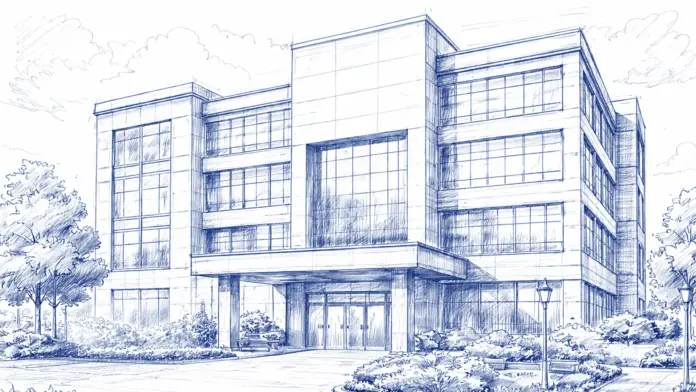
About Fellowship Home of Raleigh
Men in recovery can turn to Fellowship Home of Raleigh’s Men’s Home for additional substance use disorder support. They can host up to 18 men at one time.
This home is situated in the downtown section of Raleigh, North Carolina, and offers support that is grounded in the principles of a 12 Step program. During your stay, you’re required to get a sponsor, attend meetings, do chores in the house and hold employment.
Insurance doesn’t cover the cost of services. Instead, each resident pays rent.
Small Steps Toward Big Changes
Staff in a sober living home like this typically don’t provide treatment, as their services are designed for those who have already completed a SUD program. Instead, staff are there for supervision and to provide direct support. For example, they can help you get to recovery meetings via transportation services or assist you in your job hunt.
A Close Community
While residents are free to manage their day to day activities, many choose to work together through in home skills classes or off site in recovery support groups. This shared experience allows residents to support one another during a critical stage of recovery and build a strong support network within the residence.
Latest Reviews



Rehab Score
 Our Methodology


Location
Addiction Treatments
Levels of Care
Clients receiving treatment at an inpatient rehab facility are typically in early recovery or are at heightened risk of relapse. Clients in inpatient care remain at the facility for the duration of their program, enabling them to focus solely on their recovery. Inpatient treatment typically involves extensive psychotherapy, often including group and family counseling as well as one-on-one sessions. Recovery-focused life skills education is another common service. Many rehabs also offer evidence-based holistic therapies.
Treatments
North Carolina offers substance abuse treatment programs that provide a holistic and evidence-based approach. Through a comprehensive mental health assessment, addiction experts can provide an individualized care plan specific to your needs. You can expect most rehabs programs to provide individual and group therapy, recovery meetings, and evidence-based therapies such as cognitive-behavioral therapy (CBT). Depending on your circumstances and severity of addiction, you may need more intensive care. Levels of care include outpatient, residential inpatient, intensive outpatient, and partial hospitalization. By choosing the right level of care, you're more likely to succeed in long-term recovery.
Programs
Men face specific challenges and concerns when seeking addiction treatment. Gender-specific recovery programs help them tackle these issues head-on in an environment that's focused, targeted, and distraction-free. It also gives them the opportunity to connect with and learn from other men who have been through a similar journey and can offer support for the next step.
Rehabs for women provide a safe, nurturing space for female clients to heal. These treatment programs consider the specific obstacles that women can face during recovery and place a special emphasis on mental, social, physical, and reproductive health. They explore how each woman's experience has shaped the trajectory of their substance use, addressing issues such as sexual abuse and past trauma.
Contact Information


506 Cutler St, Raleigh, NC 27603
Sponsored Helpline

