





























































































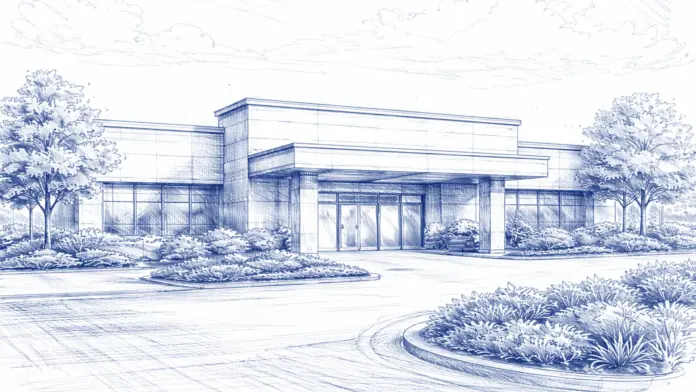
About Gut Feelings Psychosomatic Medicine
Gut Feelings Psychosomatic Medicine in Oakland, California, offers integrative and interventional psychiatry. The center focuses on the connection between the gut and the brain to improve mental health.
Psychotherapy is integrated with medication and/or treatments. Therapy is available for individuals, couples and children or teens with their families.
Medication Management for Mental Health
Medications can be prescribed in conjunction with Spravato or IV Ketamine treatments. You are referred to a local treatment facility if you need medically assisted detox. The center can prescribe medication for co-occurring mental health disorders.
Ketamine Infusion Therapy
Ketamine infusion therapy has proven to be effective in reducing substance use cravings and promoting abstinence. This treatment promotes restoration in the connection between the mind, body and nervous system.
Spravato for Depression
Spravato specifically treats medication resistant depression. We know that depression often leads to substance use disorders. Spravato modulates brain receptors that regulate mood.
Transcranial Magnetic Stimulation and Stellate Ganglion Block
Transcranial magnetic stimulation (TMS) therapy reduces cravings and reduces the potential of a relapse. TMS uses magnetic pulses to stimulate mood regulating areas of the brain.
Stellate ganglion block (SGB) treats disorders such as acute anxiety, PTSD and chronic pain. We have seen that these disorders commonly lead to substance use disorders. SGB blocks sympathetic nerve signals temporarily promoting a reset of the autonomic nervous system.
Latest Reviews

We also truly appreciate your kind words about our staff. They care deeply about providing a welcoming, attentive experience at every visit. For privacy reasons, we can’t discuss any clinical details in a public forum, but if there’s ever anything we can do to support you further, please don’t hesitate to contact our office directly. Wishing you continued peace and well-being.


Your description of the “jaw clamp” sensation is a great way to help others understand what to expect—it’s accurate and reassuring. We miss seeing you, too, and we’re cheering you on as you continue feeling better. Thank you again for your thoughtful review and for encouraging others to take that first step toward healing. 💙
—The Gut Feelings Team

Rehab Score
 Our Methodology


Location
Accepted Insurance
Other Forms of Payment
Private insurance refers to any kind of healthcare coverage that isn't from the state or federal government. This includes individual and family plans offered by an employer or purchased from the Insurance Marketplace. Every plan will have different requirements and out of pocket costs so be sure to get the full details before you start treatment.
Self-pay involves paying for treatment out of your own pocket. You can use savings or credit, get a personal loan, or receive help from family and friends to fund your treatment. If you don't have insurance or your insurance plan doesn't cover a specific program, self-pay can help ensure you still get the care you need.
Addiction Treatments
Levels of Care
Clients receiving treatment at an outpatient rehab typically do not require hospitalization or intensive supervision and support. Outpatient addiction counseling and recovery education are often offered during the morning, evening, night, and weekend, allowing clients to tailor treatment to their own schedule. Partial hospitalization (PHP) and intensive outpatient (IOP) programs are the most time-intensive and are designed for clients who are at an increased relapse risk and/or who need more robust therapeutic support.
Treatments
Alcoholism, or alcohol use disorder (AUD), is defined by alcohol dependence. This is a state the body reaches when it experiences withdrawal symptoms in the absence of alcohol. A person who has AUD craves alcohol and continues to drink despite adverse consequences. Because withdrawing from alcohol can pose health risks, individuals with AUD should seek professional alcohol rehab in California to overcome their alcohol addiction. This process typically involves medical detox, rehabilitation, and maintenance.
Drug rehab in California teaches participants constructive ways to stay clean and sober. Treatment revolves around helping individuals stop using the substance they are addicted to and learn healthy habits to avoid relapse.
 Opioid Addiction
Inpatient treatment for drug and alcohol addiction with a focus on mental health is a good fit for people who need closer monitoring and care. Treatment may occur in a hospital setting, a clinic, or a luxury rehab center. Mental health counselors and staff are available 24/7. Therapies typically include group and individual counseling, relapse prevention education, and emotional coping skills training.
Clinical Services
Cognitive behavioral therapy in California is a method that therapists often use for the effective treatment of substance use disorders. It is based on the principle that substance abuse stems from unhelpful ways of thinking and patterns of behavior, which can be changed by helping the individual learn better ways of coping.
While participating in dialectical behavior therapy in California, you'll focus on four key areas of skill development: mindfulness, interpersonal effectiveness, emotion regulation, and distress tolerance. Treatment includes weekly individual and group sessions.
 Transcranial Magnetic Stimulation
Rehab.com regularly reviews this listing for accuracy but changes may occur between updates. For the most up-to-date information, please contact Gut Feelings Psychosomatic Medicine.
Contact Information


400 30th St Suite 407, Oakland, CA 94609
Sponsored Helpline


