






























































































I went with my husband to his appointment with Dr. Schmoll this morning. I have not gone with him to the VA before. It was his 2nd time going to this beautiful facility. We were treated like we were special by Marlene and the doctor both. She asked for so much information ...
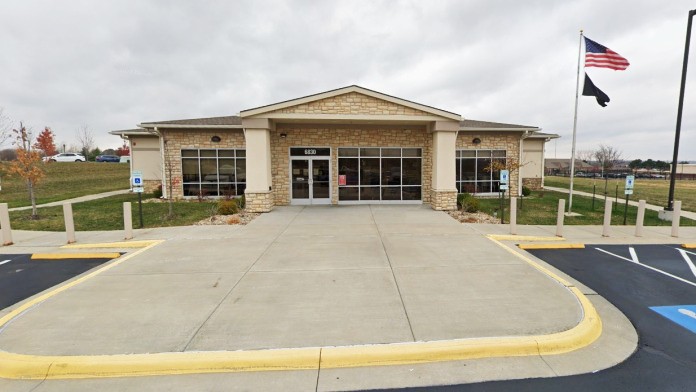
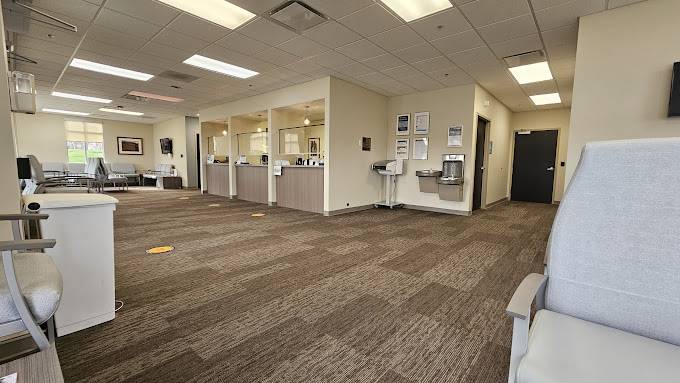
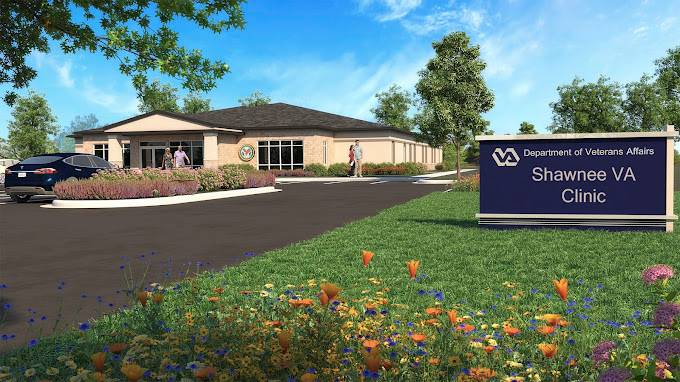
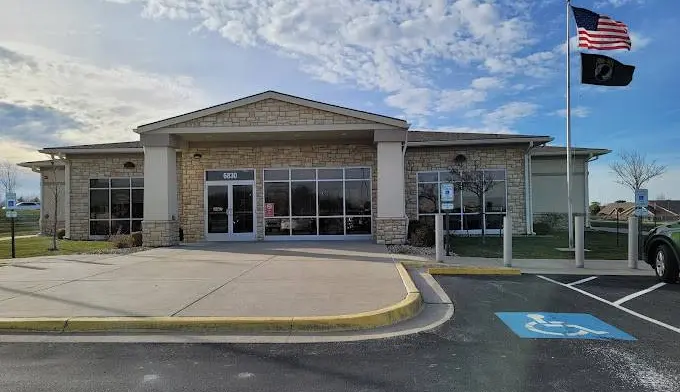
About Shawnee VA Clinic
Their inpatient rehab offers a stable space to live while in treatment. Clients can access individual, group, family, and couples therapy. Clients develop relapse prevention skills and rebuild relationships while participating in co occurring disorder care and specialized treatment for Veterans. They also provide medication management and case management.
Their outpatient program assists clients who can live at home and maintain responsibilities while in treatment. Clients can benefit from lower intensity treatment with similar therapeutic approaches as inpatient rehab.
Kansas City VAMC – Shawnee VA Clinic accepts TRICARE. They may also work with major insurance companies, like Humana, Ambetter, Cigna, UnitedHealthcare, Magellan Health, and HCSC, to cover treatment costs to some extent. Insurance coverage differs, especially with out of network benefits. Contact your provider to verify your insurance.
Latest Reviews
I went with my partner to his annual checkup with NP Johng, at the Shawnee VA Clinic, and he made the whole process painless and so informative. Everyone on the staff was so courteous and respectful, kind and knowledgeable; it was amazing. NP Johng was extremely thorough, encouraging, personable, patient, kind and knowledeable and answered all our many questions with great respect; not treating my partner as if he was just a number. We learned so much about how to improve his health and how to make changes for the better; emphasizing the valuable use of properly dosed medication in conjunction with lifestyle changes for maximum health benefits. We are very appreciative of the entire process, thank you so much, NP Johng and all of the staff at Shawnee VA Clinic.
The service at Shawnee VA Clinic was exceptional! Thank goodness for the advice given to us, it was truly appreciated and we were able to get our loved one into a nearby emergency room right away!
Everyone I have had any encounter with here as been very helpful and friendly.

Rehab Score
 Our Methodology
Scoring is assigned by a proprietary system which helps surface key metrics that determine quality. The 10-point scale factors in categories such as operations, customer satisfaction, and trust metrics. Read Full Methodology

7.5 / 10
Gallery
Accepted Insurance
Other Forms of Payment
Private insurance refers to any kind of healthcare coverage that isn't from the state or federal government. This includes individual and family plans offered by an employer or purchased from the Insurance Marketplace. Every plan will have different requirements and out of pocket costs so be sure to get the full details before you start treatment.
Self-pay involves paying for treatment out of your own pocket. You can use savings or credit, get a personal loan, or receive help from family and friends to fund your treatment. If you don't have insurance or your insurance plan doesn't cover a specific program, self-pay can help ensure you still get the care you need.
Financial aid can take many forms. Centers may have grants or scholarships available to clients who meet eligibility requirements. Programs that receive SAMHSA grants may have financial aid available for those who need treatment as well. Grants and scholarships can help you pai for treatment without having to repay.
Military members, veterans, and eligible dependents have access to specific insurance programs that help them get the care they need. TRICARE and VA insurance can help you access low cost or no cost addiction and mental health treatment. Programs that accept military insurance often have targeted treatment focused on the unique challenges military members, veterans, and their families face.
Medicaid is a state based program that helps lower-income individuals and families pay for healthcare. Medicaid covers addiction treatment so those enrolled can use their coverage to pay for rehab. When a program accepts Medicaid the client often pays very little or nothing out of their own pocket.
Medicare is a federal program that provides health insurance for those 65 and older. It also serves people under 65 with chronic and disabling health challenges. To use Medicare for addiction treatment you need to find a program that accepts Medicare and is in network with your plan. Out of pocket costs and preauthorization requirements vary, so always check with your provider.
Addiction Treatments
Levels of Care
Outpatient Programs (OP) are for those seeking mental rehab or drug rehab, but who also stay at home every night. The main difference between outpatient treatment (OP) and intensive outpatient treatment (IOP) lies in the amount of hours the patient spends at the facility. Most of the time an outpatient program is designed for someone who has completed an inpatient stay and is looking to continue their growth in recovery. Outpatient is not meant to be the starting point, it is commonly referred to as aftercare.
Intensive Outpatient Programs (IOP) are for those who want or need a very structured treatment program but who also wish to live at home and continue with certain responsibilities (such as work or school). IOP substance abuse treatment programs vary in duration and intensity, and certain outpatient rehab centers will offer individualized treatment programs.
Clients in a rehab aftercare program typically have completed intensive inpatient treatment but may be receiving outpatient care. Many have concluded outpatient treatment as well and are in the maintenance phase of their recovery. Rehab aftercare services are designed to provide a full continuum of care as clients apply their recovery skills at home, in the workplace, and in the community. Clients typically receive peer coaching, career counseling, and 12 step recovery program induction, among other services.
Treatments
Many of those suffering from addiction also suffer from mental or emotional illnesses like schizophrenia, bipolar disorder, depression, or anxiety disorders. Rehab and other substance abuse facilities treating those with a dual diagnosis or co-occurring disorder administer psychiatric treatment to address the person's mental health issue in addition to drug and alcohol rehabilitation.
Mental health rehabs focus on helping individuals recover from mental illnesses like bipolar disorder, clinical depression, anxiety disorders, schizophrenia, and more. Mental health professionals at these facilities are trained to understand and treat mental health issues, both in individual and group settings.
Programs
Adult rehab programs include therapies tailored to each client's specific needs, goals, and recovery progress. They are tailored to the specific challenges adult clients may face, including family and work pressures and commitments. From inpatient and residential treatment to various levels of outpatient services, there are many options available. Some facilities also help adults work through co-occurring conditions, like anxiety, that can accompany addiction.
Young adulthood can be an exciting, yet difficult, time of transition. Individuals in their late teens to mid-20s face unique stressors related to school, jobs, families, and social circles, which can lead to a rise in substance use. Rehab centers with dedicated young adult programs will include activities and amenities that cater to this age group, with an emphasis on specialized counseling, peer socialization, and ongoing aftercare.
Serving in the military is both mentally and physically challenging, and can result in trauma that persists even after combat ends. Military programs are tailored to the specific and often complex needs of active duty personnel, veterans, and military families. Clients often access these programs through the U.S. Department of Veterans Affairs (VA).
Clinical Services
Cognitive Behavioral Therapy (CBT) is a therapy modality that focuses on the relationship between one's thoughts, feelings, and behaviors. It is used to establish and allow for healthy responses to thoughts and feelings (instead of unhealthy responses, like using drugs or alcohol). CBT has been proven effective for recovering addicts of all kinds, and is used to strengthen a patient's own self-awareness and ability to self-regulate. CBT allows individuals to monitor their own emotional state, become more adept at communicating with others, and manage stress without needing to engage in substance abuse.
Group therapy is any therapeutic work that happens in a group (not one-on-one). There are a number of different group therapy modalities, including support groups, experiential therapy, psycho-education, and more. Group therapy involves treatment as well as processing interaction between group members.
In individual therapy, a patient meets one-on-one with a trained psychologist or counselor. Therapy is a pivotal part of effective substance abuse treatment, as it often covers root causes of addiction, including challenges faced by the patient in their social, family, and work/school life.
Trauma therapy addresses traumatic incidents from a client's past that are likely affecting their present-day experience. Trauma is often one of the primary triggers and potential causes of addiction, and can stem from child sexual abuse, domestic violence, having a parent with a mental illness, losing one or both parents at a young age, teenage or adult sexual assault, or any number of other factors. The purpose of trauma therapy is to allow a patient to process trauma and move through and past it, with the help of trained and compassionate mental health professionals.
Research clearly demonstrates that recovery is far more successful and sustainable when loved ones like family members participate in rehab and substance abuse treatment. Genetic factors may be at play when it comes to drug and alcohol addiction, as well as mental health issues. Family dynamics often play a critical role in addiction triggers, and if properly educated, family members can be a strong source of support when it comes to rehabilitation.
Amenities
-
 Residential Setting
Staff & Accreditations
Staff
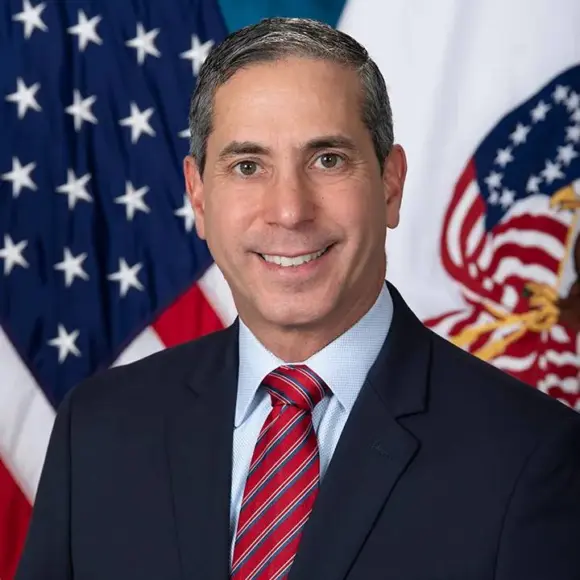
Jaime Areizaga-Soto
Chairman of the Board of Veterans’ Appeals
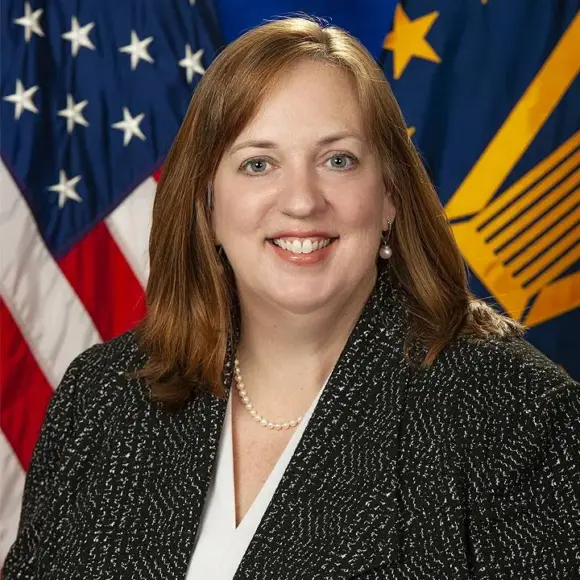
Margaret “Meg” Kabat
VA Chief of Staff
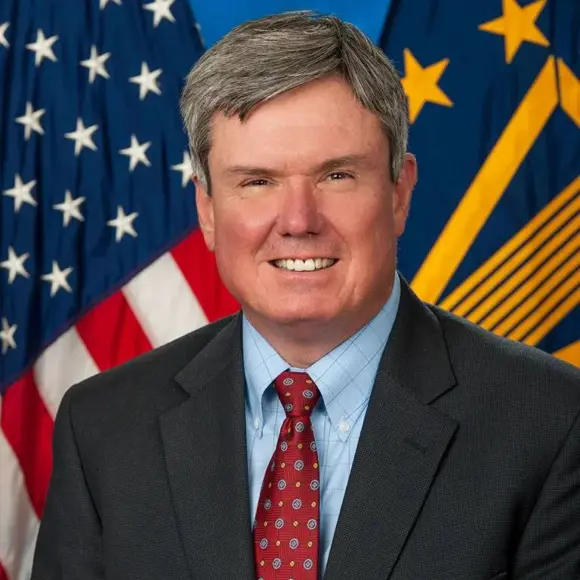
Edward J. Murray
Principal Deputy Assistant Secretary for Management & Deputy CFO

Michael D. Parrish, PhD
Chief Acquisition Officer & Principal Executive Director
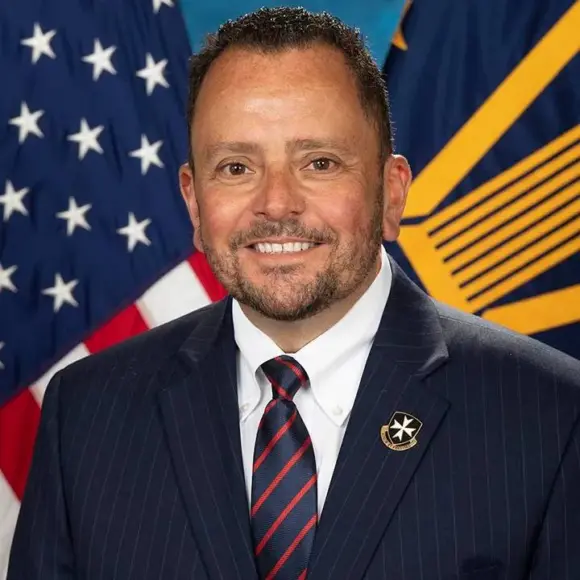
James Albino
Director, Center for Minority Veterans
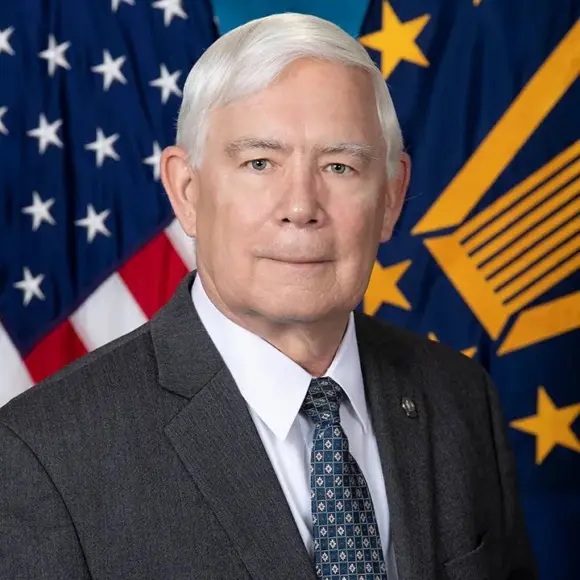
John Becker, MHA, LFACHE, FEHFI
Chief Facilities Strategy Officer
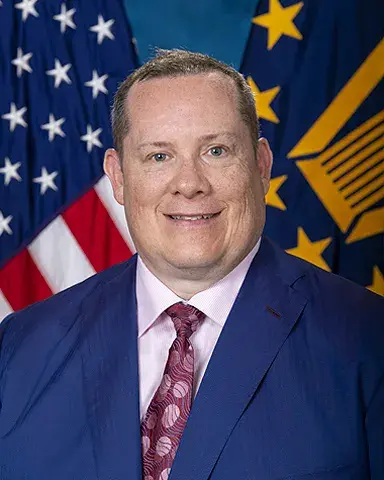
John E. Bell III
Executive Director, Loan Guaranty Service
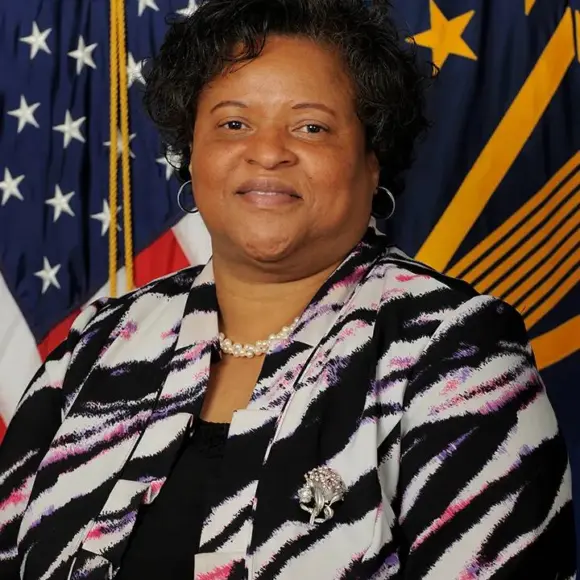
Angela Billups, Ph.D.
Executive Director
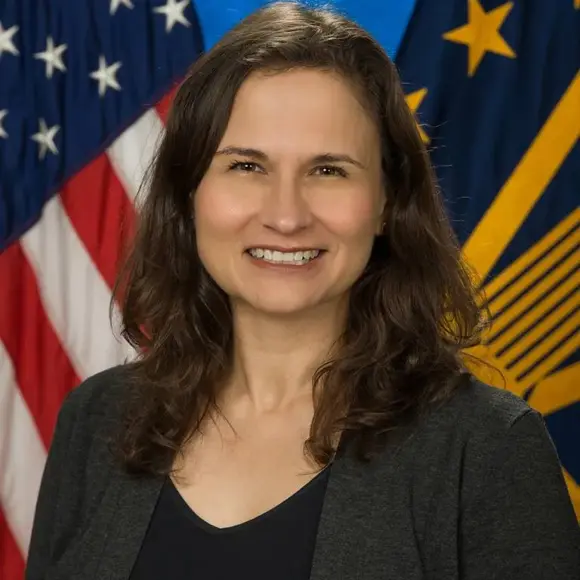
Stephanie Birdwell
Executive Director, Office of Tribal Government Relations
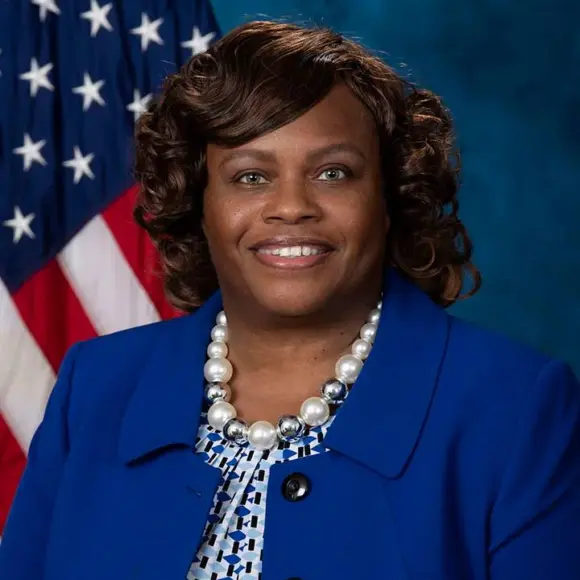
Mary Bradford
Deputy Director, Center for Women Veterans

Michael D. Brennan, Ph.D.
Executive Director

Marilyn Brower
Deputy Executive Director, Office of Asset Enterprise Management
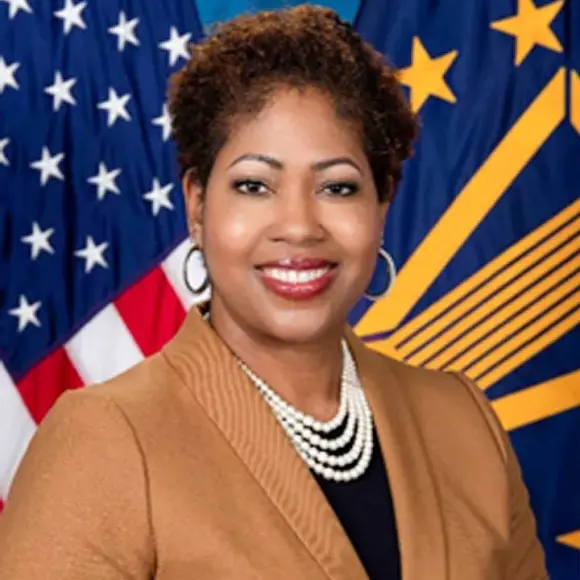
Valerie Mattison Brown, MS, MPA, FACHE
Chief Strategy Officer for the Veterans Health Administration (VHA)
Accreditations

The Joint Commission, formerly known as JCAHO, is a nonprofit organization that accredits rehab organizations and programs. Founded in 1951, the Joint Commision's mission is to improve the quality of patient care and demonstrating the quality of patient care.
Joint Commission Accreditation: Yes
Accreditation Number: 8354
Rehab.com regularly reviews this listing for accuracy but changes may occur between updates. For the most up-to-date information, please contact Shawnee VA Clinic.
Contact Information

6830 Anderson Drive
Shawnee, KS 66226
Get Help Now - 913-363-0419
Sponsored Helpline
Sponsored Helpline



