















































































































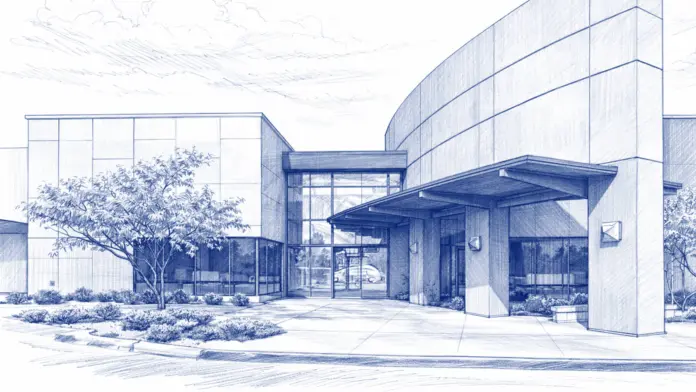
About Louisville Recovery Center
Louisville Recovery Center offers addiction treatment and mental health services in Louisville, Kentucky for adolescents and adults. The program provides flexible care and extended aftercare services, with specialized treatment for dual diagnosis issues to support long-term recovery. The center integrates evidence-based therapies with a Christ-centered, whole-person approach and provides inclusive care for the LGBTQ+ community.
.
Flexible Recovery Support
The program begins with an assessment and an individualized recovery plan. Guests have flexible scheduling that accommodates work, school or family responsibilities. Sessions are offered during the day and evening to meet diverse needs and busy schedules.
Clients access evidence-based therapies through group counseling and family therapy alongside holistic methods like meditation, equine therapy, yoga and fitness activities. These services address the spiritual, emotional and physical aspects of healing.
Overall Wellness and Comfort
The center treats co-occurring mental health and substance use disorders with tools such as medication-assisted treatment to reduce cravings and symptoms, and includes nutritional support. A dedicated program for teens addresses adolescent addiction and mental health, while aftercare programming offers peer coaching and alumni services for at least one year.
The goal is for guests to have the support needed for sustained recovery through accountability and peer connection.

Rehab Score
 Our Methodology


Location
Other Forms of Payment
Private insurance refers to any kind of healthcare coverage that isn't from the state or federal government. This includes individual and family plans offered by an employer or purchased from the Insurance Marketplace. Every plan will have different requirements and out of pocket costs so be sure to get the full details before you start treatment.
Self-pay involves paying for treatment out of your own pocket. You can use savings or credit, get a personal loan, or receive help from family and friends to fund your treatment. If you don't have insurance or your insurance plan doesn't cover a specific program, self-pay can help ensure you still get the care you need.
Addiction Treatments
Levels of Care
Often beneficial for individuals who don't require 24-hour supervision, a partial hospitalization program (PHP) can be an alternative to inpatient rehab or a transitional option. PHP treatment typically involves 6 to 8 hours of treatment per day, up to 5 days a week for an average of 90 days. PHP treatment often includes relapse prevention strategies, medication management, and other behavioral therapy interventions. While the cost of a partial hospitalization program can vary, it is often covered by insurance.
Intensive outpatient programs (IOP) specialize in high-level care for clients requiring robust support. This includes those in early recovery, those in crisis, and those stepping down from inpatient care. Clients typically participate in a minimum of nine treatment hours per week, but many intensive outpatient rehabs offer up to 20 hours of service weekly. Their primary treatment modalities generally combine psychotherapy and recovery education. Medication assisted treatment (MAT) for alcohol and/or opioid recovery is widely available.
Outpatient rehabs enable clients to integrate addiction treatment into their daily lives. Clients typically continue to work and reside at home, but may engage in daily therapeutic sessions, depending on need. Outpatient treatment generally involves individual, group, and/or family therapy, recovery-focused life skills training, and a variety of ancillary services, such as career counseling or vocational training. Outpatient rehabs often encompass multiple levels of care, including partial hospitalization (PHP), intensive outpatient (IOP), sober living, and standard outpatient.
Treatments
Alcoholism is a term used to describe a level of drinking that causes harm to a person's health. Also known as alcohol addiction or alcohol use disorder (AUD), the dependency involves a strong, often uncontrollable urge to drink.This condition is treatable through alcohol rehab in Kentucky. Programs typically involve supervised detox, behavioral treatments, medications, and mutual-support groups.
 Opioid Addiction
Drug rehab in Kentucky often starts with detox, then includes inpatient or outpatient treatment, and continues with aftercare support. Specific methods used during each of these phases varies, but often include individual and group counseling, medication, and recreational therapies.
In Kentucky, comprehensive substance abuse treatment programs are available to address addiction and any co-occurring mental health disorders. Typically, treatment programs offer various levels of care, including outpatient, inpatient, and partial hospitalization. Treatment activities include individual and group therapy, recovery support meetings, evidence-based therapies such as cognitive-behavioral therapy (CBT), dialectical behavior therapy (DBT), and psychoeducation. By the end of treatment you will have the resources and supportive recovery community to sustain long-term mental health and sobriety.
Inpatient addiction treatment means you will reside at the facility and receive rehab and mental health services. Comprehensive treatment programs include mental health aspects, medical and psychological support, experiential therapies, cognitive behavioral therapies (CBT), and various therapeutic interventions aimed at addressing addiction and improving mental health. Additionally, individual and group counseling are standard mental health offerings, as are relapse prevention education programs.
In Kentucky, dual-diagnosis addiction treatment programs prioritize comprehensive care for individuals with co-occurring substance use disorders and mental health conditions. Levels of care include residential rehab, detox, and intensive outpatient programs. Interventions like cognitive behavioral therapy, or dialectical behavioral therapy, therapy, education and family counseling treat both mental health conditions at the same time. The benefits of dual-diagnosis treatment are enhanced outcomes, improved health, and they provide you with the skills to maintain your sobriety and manage your mental health.
Programs
Teen programs are designed to address the unique pressures teens face, pressures that can drive them to experiment with dangerous, addictive substances. They need programs that meet them exactly where they are and give them tools for long-term recovery. Therapy can help teenagers understand and work through underlying issues so they can reclaim the life ahead of them.
Adult rehab programs include therapies tailored to each client's specific needs, goals, and recovery progress. They are tailored to the specific challenges adult clients may face, including family and work pressures and commitments. From inpatient and residential treatment to various levels of outpatient services, there are many options available. Some facilities also help adults work through co-occurring conditions, like anxiety, that can accompany addiction.
Clinical Services
Cognitive behavioral therapy in Kentucky involves learning to recognize unhealthy thinking patterns and developing problem solving skills to cope with life's challenges. It will help you have greater confidence in your abilities so you can change your patterns of behavior and break free from substance abuse.
Creative arts therapy in Kentucky involves therapy sessions that incorporate creative activities. A trained professional uses art forms such as music or dance to facilitate emotional expression and healing. Clients do not need any artistic skills to participate.
Men and women in Kentucky participating in group therapy learn to express their feelings and struggles with drug addiction in a non judgmental atmosphere. Your peers can offer you empathy and encouragement because they understand your journey to recovery. This fosters a sense of community and belonging that may extend far after group therapy sessions.
Contact Information


1831 Williamson Ct, Louisville, KY 40223
Sponsored Helpline
