


















































































































The team at Malibu Detox are very professional and serious about helpingtheir clients to succeed. They are compassionate and caring for each and everyclient. The home atmosphere is very comfortable and welcoming. We were able to visit our daughter on several occasions. We no ...
About Malibu Detox and Residential Treatment Center
Malibu Detox and Residential Treatment Center offers personalized addiction treatment options to individuals in Topanga, California. The facility treats addictions to substances such as alcohol, meth, heroin and prescription drugs. The programs available include a medical detox program and aftercare services.
Comprehensive Detox Services For Safe Withdrawal
The facility understands that different addictions require different treatments, which is why their detox services are customized to each individual’s needs. The staff will review what substances you were addicted to, your medical history and prior treatments to determine how they can best assist you in the detox process.
You’ll be monitored by the staff 24 hours a day to ensure your comfort and safety. The withdrawal symptoms you may experience during detox include body aches, mood changes and muscle cramping.
Malibu Detox and Residential Treatment Centers will use addiction medicine to relieve you of your withdrawal symptoms if necessary. While you’re undergoing detox, you’ll also receive nutritional support, group therapy, and individual counseling. The process typically lasts anywhere between seven to 14 days.
Comfortable Care and Evidence Based Therapies
When you’ve completed detox, your recovery will continue in residential treatment. Clients stay in a home like environment with living spaces that are furnished and decorated. The facility is surrounded by natural scenery that can help promote self reflection and healing.
When you start your recovery journey outside of the facility, you can enjoy sober activities such as hiking at Topanga State Park or Red Rock Canyon Park. You’ll be treated with a variety of evidence based therapies such as motivational interviewing, recreational therapy, and experiential therapy. Clients will develop healthy coping mechanisms and learn new skills to prevent them from relapsing.
Fact checked and written by:
Eric Owens
Edited by:
Courtney Myers, MS
Latest Reviews
This program was alright but some of the staff was pretty terrible to deal with. The counselors and facilitators were great but the other staff were pretty unprofessional and rude. Not to mention when I was there the place burned down and myself and another member had some pretty expensive personal items left behind by the staff which were lost in the fires and we were not reimbursed or even told anything for that matter. Its like after we left they really didnt care. I really liked Charles and rory however this place really just didn't give me the feeling I expected it to nor did it live up to the reputation . I left there more stressed out than I came and things were just really sloppy. I was promised a certificate of completion for both programs they offered and never heard anything back after I was discharged and still haven't received them 4 months later. I really hope they turn things around because I was really disappointed.
Response from the owner4 months ago
We appreciate your feedback. Please know that this is not the experience we want to provide at our facility, and we take your feedback seriously. We’re continuously improving our processes, and all feedback is helpful in doing so. Please reach out to us directly if you’d like to discuss this further at feedback@aliyahg.com
This program gave me an immence amount of understanding about my underlying issues, (alcohol use is only a symptom), and clear guidance about what to do about it, what to expect, and how to do it. If you’re considering using this program, I highly recommend you come here. Many of my peers had bad experiences elsewhere, but are fully immersed here. Here’s the catch…. If you’re looking for a “vacation that will achieve sobriety, you should not attend this program. This is work, all day, every day. But it works. Get ready for a transformation!
Response from the owner4 months ago
Thank you for taking the time to leave us a review! We strive to provide the best treatment possible, and it means so much to read this.
Amazing program! Beautiful facilities and wonderful staff! Highly recommend!
Response from the owner4 months ago
Thank you for sharing your positive experience at our facility! It means a lot to us. 
Rehab Score
 Our Methodology
Scoring is assigned by a proprietary system which helps surface key metrics that determine quality. The 10-point scale factors in categories such as operations, customer satisfaction, and trust metrics. Read Full Methodology

7.5 / 10
Location
Accepted Insurance
Other Forms of Payment
Private insurance refers to any kind of healthcare coverage that isn't from the state or federal government. This includes individual and family plans offered by an employer or purchased from the Insurance Marketplace. Every plan will have different requirements and out of pocket costs so be sure to get the full details before you start treatment.
Self-pay involves paying for treatment out of your own pocket. You can use savings or credit, get a personal loan, or receive help from family and friends to fund your treatment. If you don't have insurance or your insurance plan doesn't cover a specific program, self-pay can help ensure you still get the care you need.
Military members, veterans, and eligible dependents have access to specific insurance programs that help them get the care they need. TRICARE and VA insurance can help you access low cost or no cost addiction and mental health treatment. Programs that accept military insurance often have targeted treatment focused on the unique challenges military members, veterans, and their families face.
Addiction Treatments
Levels of Care
Rehab aftercare programs offer clients in addiction recovery a robust continuum of care after clients have completed active treatment. These services address recovery as a life-long process and are designed to evolve with clients' changing needs. Clients may partner with their case managers and/or addiction recovery team to identify the rehab aftercare services that are right for them. They may receive career counseling, housing assistance, peer coaching, 12 step program induction, among many other services.
Drug and alcohol addiction often takes a heavy toll on one's body. Over time, a physical dependence can develop, meaning the body physiologically needs the substance to function. Detox is the process of removing drugs and/or alcohol from the body, a process that can be lethal if mismanaged. Medical detox is done by licensed medical professionals who monitor vital signs and keep you safe, healthy, and as comfortable as possible as you go through detox and withdrawal.
During the first phase of recovery – detox – it is crucial to have 24-hour clinical care in California. This care provides constant monitoring in order to ensure your safely and comfort as you progress through the withdrawal process for drug or alcohol addiction. Licensed professionals prescribe medications to treat withdrawal symptoms and provide frequent monitoring to ensure your safely as addictive toxins leave your system.
Treatments
The goal of treatment for alcoholism is abstinence. Those with poor social support, poor motivation, or psychiatric disorders tend to relapse within a few years of treatment. For these people, success is measured by longer periods of abstinence, reduced use of alcohol, better health, and improved social functioning. Recovery and Maintenance are usually based on 12 step programs and AA meetings.
Drug rehab in California teaches participants constructive ways to stay clean and sober. Treatment revolves around helping individuals stop using the substance they are addicted to and learn healthy habits to avoid relapse.
Many of those suffering from addiction also suffer from mental or emotional illnesses like schizophrenia, bipolar disorder, depression, or anxiety disorders. Rehab and other substance abuse facilities treating those with a dual diagnosis or co-occurring disorder administer psychiatric treatment to address the person's mental health issue in addition to drug and alcohol rehabilitation.
Opioid rehabs specialize in supporting those recovering from opioid addiction. They treat those suffering from addiction to illegal opioids like heroin, as well as prescription drugs like oxycodone. These centers typically combine both physical as well as mental and emotional support to help stop addiction. Physical support often includes medical detox and subsequent medical support (including medication), and mental support includes in-depth therapy to address the underlying causes of addiction.
Substance rehabs focus on helping individuals recover from substance abuse, including alcohol and drug addiction (both illegal and prescription drugs). They often include the opportunity to engage in both individual as well as group therapy.
Programs
Adult rehab programs include therapies tailored to each client's specific needs, goals, and recovery progress. They are tailored to the specific challenges adult clients may face, including family and work pressures and commitments. From inpatient and residential treatment to various levels of outpatient services, there are many options available. Some facilities also help adults work through co-occurring conditions, like anxiety, that can accompany addiction.
Young adulthood can be an exciting, yet difficult, time of transition. Individuals in their late teens to mid-20s face unique stressors related to school, jobs, families, and social circles, which can lead to a rise in substance use. Rehab centers with dedicated young adult programs will include activities and amenities that cater to this age group, with an emphasis on specialized counseling, peer socialization, and ongoing aftercare.
Clinical Services
Cognitive behavioral therapy in California is a method that therapists often use for the effective treatment of substance use disorders. It is based on the principle that substance abuse stems from unhelpful ways of thinking and patterns of behavior, which can be changed by helping the individual learn better ways of coping.
While participating in dialectical behavior therapy in California, you'll focus on four key areas of skill development: mindfulness, interpersonal effectiveness, emotion regulation, and distress tolerance. Treatment includes weekly individual and group sessions.
 Equine Therapy
During group therapy, men and women learn to express their emotions openly in a non judgmental setting. This helps you process your feelings and reduces feelings of social isolation that are often associated with addiction.
In individual therapy, a patient meets one-on-one with a trained psychologist or counselor. Therapy is a pivotal part of effective substance abuse treatment, as it often covers root causes of addiction, including challenges faced by the patient in their social, family, and work/school life.
The goal of creative arts therapy in California is to encourage growth and transformation. It can be used in individual and group settings with both children and adults. Options include movement, music, and painting.
The use of experiential therapy can be helpful for the treatment of behavioral disorders, including drug and alcohol addiction. This method teaches you how to release negative emotions and cope with pain from the past. Activities such as art, music, and animal care are used to facilitate this process.
Amenities
-
 Private Setting
 -
 Mountain Views
 -
 Spa
Spa -
 Private Rooms
Staff & Accreditations
Staff
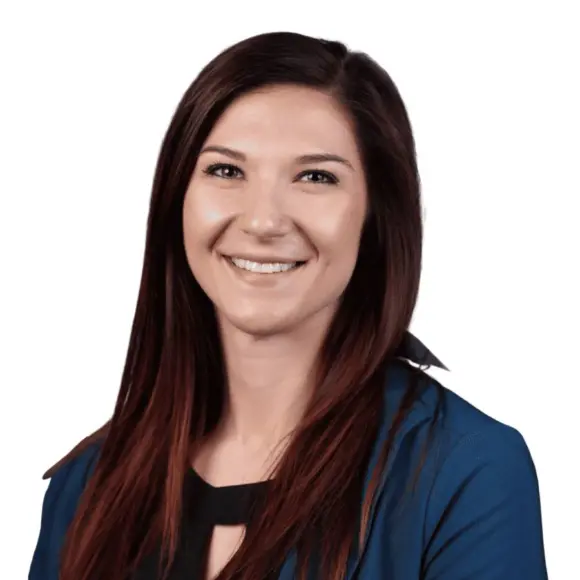
Kylee Briney, MBA
Regional Director of Operations
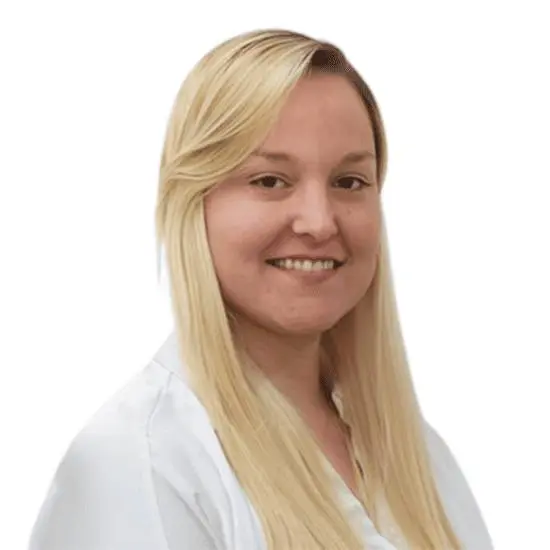
MK Diekmann, CATC-I
Assistant Executive Director
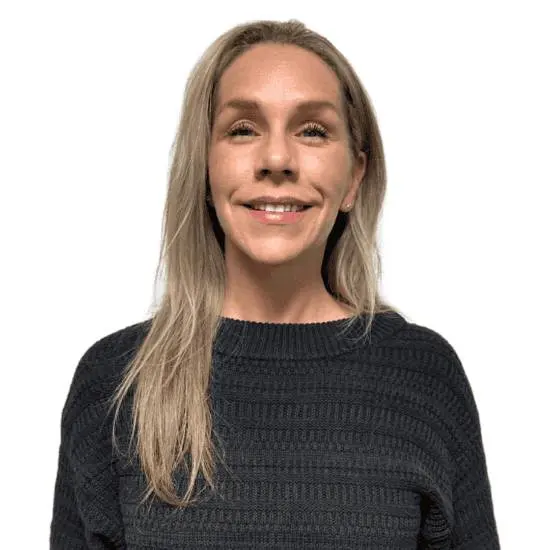
Jennifer Ray
Director of Admissions

Ronelo Sia, Jr.
Director of Operations
Accreditations

The Joint Commission, formerly known as JCAHO, is a nonprofit organization that accredits rehab organizations and programs. Founded in 1951, the Joint Commision's mission is to improve the quality of patient care and demonstrating the quality of patient care.
Joint Commission Accreditation: Yes
Accreditation Number: 588595
Contact Information

22766 Saddle Peak Rd
Topanga CA, 90290
Get Help Now - 310-810-3958
Sponsored Helpline
Sponsored Helpline

