










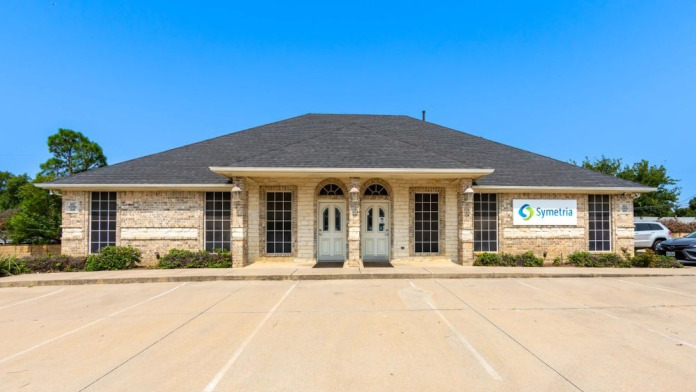
Symetria — Hurst Outpatient Rehab & Suboxone Clinic
1
Top 10 Rehab Centers In Hurst



















































































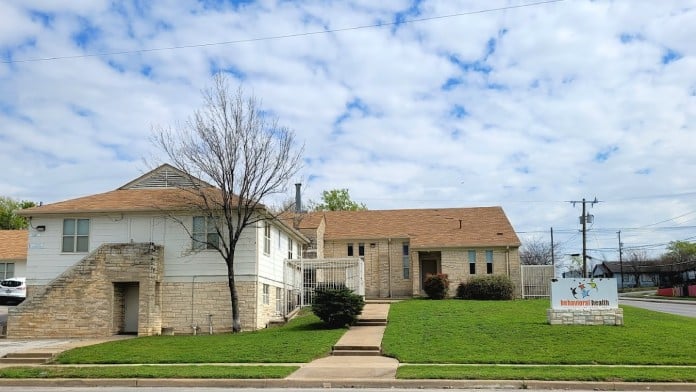
My Health My Resources of Tarrant County (MHMR) has been serving Texas residents since 1969. It is the second-largest community center in the state. One of their outpatient clinics is based in Fort Worth in the Far Greater Northside Historical area. They are steps away from the Route 91 bus stop.
Here, they provide mental health, addiction and substance use, and intellectual and developmental disabilities services among other services. MHMR is accredited by CARF. They provide a sliding scale fee to qualifying clients and accept private insurance, self-pay and Medicaid.
MHMR offers ambulatory detox. This method of detox allows you to avoid hospitalization and continue to live at home. They offer Buprenorphine and Naloxone to assist with withdrawal.
You’ll also get access to medical monitoring and individual and group counseling. I like that they offer auricular acupuncture which can help with symptoms.
MHMR provides comprehensive treatment for addiction recovery for youth and adults. I like that they offer trauma-sensitive substance use treatment.
They provide prevention, education and testing services for HIV-affected folks. There is no cost for HIV services. To get started, you’ll need to have a phone interview. Their call center is available for your call 24/7/365.
Your treatment plan may include substance use education, weekly family group sessions, individual and group therapy and dual-diagnosis treatment.
I like that they also offer gender-specific treatment, parenting groups and seeking safety trauma groups. They can give you referrals to other community mental health or substance use services if needed.
They offer a Spanish-language treatment program as well.

 Our Methodology


Medicaid is a state based program that helps lower-income individuals and families pay for healthcare. Medicaid covers addiction treatment so those enrolled can use their coverage to pay for rehab. When a program accepts Medicaid the client often pays very little or nothing out of their own pocket.
Private insurance refers to any kind of healthcare coverage that isn't from the state or federal government. This includes individual and family plans offered by an employer or purchased from the Insurance Marketplace. Every plan will have different requirements and out of pocket costs so be sure to get the full details before you start treatment.
Self-pay involves paying for treatment out of your own pocket. You can use savings or credit, get a personal loan, or receive help from family and friends to fund your treatment. If you don't have insurance or your insurance plan doesn't cover a specific program, self-pay can help ensure you still get the care you need.
Financial aid can take many forms. Centers may have grants or scholarships available to clients who meet eligibility requirements. Programs that receive SAMHSA grants may have financial aid available for those who need treatment as well. Grants and scholarships can help you pai for treatment without having to repay.
Sliding scale payments are based on a client's income and family size. The goal is to make treatment affordable to everyone. By taking these factors into account, addiction recovery care providers help ensure that your treatment does not become a financial burden to you or your family, eliminating one barrier to care.
Medicare is a federal program that provides health insurance for those 65 and older. It also serves people under 65 with chronic and disabling health challenges. To use Medicare for addiction treatment you need to find a program that accepts Medicare and is in network with your plan. Out of pocket costs and preauthorization requirements vary, so always check with your provider.
Military members, veterans, and eligible dependents have access to specific insurance programs that help them get the care they need. TRICARE and VA insurance can help you access low cost or no cost addiction and mental health treatment. Programs that accept military insurance often have targeted treatment focused on the unique challenges military members, veterans, and their families face.
MHMR has several outpatient clinics that provide psychiatric mental health services to adults who reside in Tarrant County. The clinics are located in Arlington, Fort Worth and the Hurst-Euless-Bedford areas. Services at the clinics include: case management, eligibility determination, medication management, patient and family education, peer support, rehabilitation therapies, supported employment, supportive housing, and symptom management.
State Hospital Aftercare – Aftercare Services provides continuity of care to clients who have been admitted to state hospitals. The Aftercare staff monitors and makes recommendations regarding the provision of care while the client is hospitalized and coordinates the continuity of services, such as medication management, psychiatric evaluation, follow-up appointments and service coordination when the client is discharged back into the community.
Many of those suffering from addiction also suffer from mental or emotional illnesses like schizophrenia, bipolar disorder, depression, or anxiety disorders. Rehab and other substance abuse facilities treating those with a dual diagnosis or co-occurring disorder administer psychiatric treatment to address the person's mental health issue in addition to drug and alcohol rehabilitation.
Mental health rehabs focus on helping individuals recover from mental illnesses like bipolar disorder, clinical depression, anxiety disorders, schizophrenia, and more. Mental health professionals at these facilities are trained to understand and treat mental health issues, both in individual and group settings.
Adult rehab programs include therapies tailored to each client's specific needs, goals, and recovery progress. They are tailored to the specific challenges adult clients may face, including family and work pressures and commitments. From inpatient and residential treatment to various levels of outpatient services, there are many options available. Some facilities also help adults work through co-occurring conditions, like anxiety, that can accompany addiction.
MHMR offers many services for veterans who need help with sobriety, mental health, support groups, housing and benefits. They provide peer support for veterans with substance abuse, mental health and/or PTSD through 34 Bring Everyone In the Zone (BEITZ) group meetings a week in 15 locations.
Young adulthood can be an exciting, yet difficult, time of transition. Individuals in their late teens to mid-20s face unique stressors related to school, jobs, families, and social circles, which can lead to a rise in substance use. Rehab centers with dedicated young adult programs will include activities and amenities that cater to this age group, with an emphasis on specialized counseling, peer socialization, and ongoing aftercare.
Research clearly demonstrates that recovery is far more successful and sustainable when loved ones like family members participate in rehab and substance abuse treatment. Genetic factors may be at play when it comes to drug and alcohol addiction, as well as mental health issues. Family dynamics often play a critical role in addiction triggers, and if properly educated, family members can be a strong source of support when it comes to rehabilitation.
Group therapy is any therapeutic work that happens in a group (not one-on-one). There are a number of different group therapy modalities, including support groups, experiential therapy, psycho-education, and more. Group therapy involves treatment as well as processing interaction between group members.
In individual therapy, a patient meets one-on-one with a trained psychologist or counselor. Therapy is a pivotal part of effective substance abuse treatment, as it often covers root causes of addiction, including challenges faced by the patient in their social, family, and work/school life.
Life skills trainings involve all the skills a person must have in order to function successfully in the world. These include time management, career guidance, money management, and effective communication. Truly successful addiction recovery is based on the ability to not only live substance-free, but to thrive. Life skills teaches the practical necessities of functioning in society, which sets clients up for success in life, and therefore sobriety.
Trauma therapy addresses traumatic incidents from a client's past that are likely affecting their present-day experience. Trauma is often one of the primary triggers and potential causes of addiction, and can stem from child sexual abuse, domestic violence, having a parent with a mental illness, losing one or both parents at a young age, teenage or adult sexual assault, or any number of other factors. The purpose of trauma therapy is to allow a patient to process trauma and move through and past it, with the help of trained and compassionate mental health professionals.
 Residential Setting
  Private Setting
 CEO
Chief of Staff
Chief Medical Officer
Chief Program Officer
CIO
CFO

The Commission on Accreditation of Rehabilitation Facilities (CARF) is a non-profit organization that specifically accredits rehab organizations. Founded in 1966, CARF's, mission is to help service providers like rehab facilities maintain high standards of care.
CARF Accreditation: Yes
Rehab.com regularly reviews this listing for accuracy but changes may occur between updates. For the most up-to-date information, please contact MHMRTC – Northwest Clinic.

2400 Nw 24th Street
Fort Worth, TX 76106
Sponsored Helpline

Excellent front office staff set the time for a positive visit. However, I sat in lobby 2 hours before seeing anyone. Very frustrating. However this location is WAY better than the crazy chaos and bad energy at the Circle Dr location. Night and day different because this location is a standalone, way more chill. So much more pleasant. I just didn't like spending 4 hours there. All the staff cares though, and listens. Extra big thanks for the free rides provided my Tarrant county. It's like Uber or Lyft, a private ride in private car, to and from your appointment. Fantastic and much appreciated!! The drivers are fantastic, very good drivers, friendly, pleasant conversations.

Worst place to seek care ! Go elsewhere

They do not help... I have been trying to get a case manager since April... They just pump you full of drugs then abandon you.. yall where supposed to have helped me

The help you get is great but the staff is very unorganized. If you have to work after your appointment make sure you give yourself several hours because on random days you’ll be here for 2 hours after your appointment.
 Back
Back
Sharing your insights and experiences can help others learn more about this rehab center.

 Written By: Mari Mendoza
BS
Written By: Mari Mendoza
BS


