






























































































the place was like summer camp and I am currently sober but I was told I would get Dave's hot chicken never got it. shoutout staff for positive vibes and being there for everyone.
About Muir Wood Adolescent and Family Services – Teen Treatment Program
Muir Wood Adolescent and Family Services- Skillman Lane provides treatment to adolescents age 12-17. Services include:
Residential
This program includes individual therapy, group therapy, family therapy, psychological assessments, fitness and nutrition classes, peer support, experimental therapies, and 12 Step programming. Clients participate in classes that cover topics related to addiction and recovery, mental health, and challenges common during adolescent years. Clients may participate in aftercare programming or step down into lower levels of care such as partial hospitalization, intensive outpatient, and outpatient treatment.
Medication Assisted Treatment
FDA-approved medications are combined with mental health counseling to provide clients with a physical and emotional path to overcoming addiction. Mental health counseling focuses on preventing relapse and uncovering the issues that perpetuate addiction. Medications help with cravings and withdrawal symptoms. As clients leave residential treatment they may continue with medication assisted treatment under the care of medical personnel.
`
Latest Reviews
Muir wood treated my son with respect and support. He had everything he needed. At first, I did not know what to expect. The communication was amazing. My son made great progress. Developed amazing friendships with kids that are trying to do better just like him. The staff was very supportive and knowledgeable. My son came out. I changed man. He became a better version of himself. I will forever be eternally grateful to Muir Wood.
The team at Muirwood is absolutely incredible! Their dedication, support, passion for helping teens and so much more, brought my boy back. They taught him things that I clearly wasn't able to. He learned coping skills and a good safety plan. He felt safe there and I just couldn't be more grateful for everyone there. They kept me informed every step of the way. If your teen is struggling and is needing help, I would absolutely suggest sending them to Muirwood. Incredible folks over there! My boy wants to be a counselor there when he's old enough so he can help others the way he was helped. Warms my heart!
Response from the owner6 days ago
Thank you so much for your heartfelt review, Sheena. We are so glad for you and your family.
Our child was at Muir Woods for 45 days. Although it was very difficult decision to place them there, it was necessary and I dont regret it. Dana H. was our therapist and she is a true professional. She helped our child to open up and start to get better and bigger person.
Even our child said it was though to be at Muir Woods but he agreed it changed him for a better and he grew as a person and feels much better about himself and his future now.
I am sure we did right decision to get oir child to Muir Woods.

Rehab Score
 Our Methodology
Scoring is assigned by a proprietary system which helps surface key metrics that determine quality. The 10-point scale factors in categories such as operations, customer satisfaction, and trust metrics. Read Full Methodology

7.5 / 10
Gallery
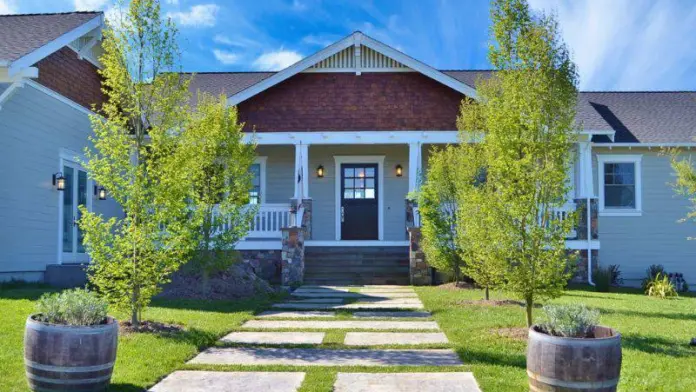
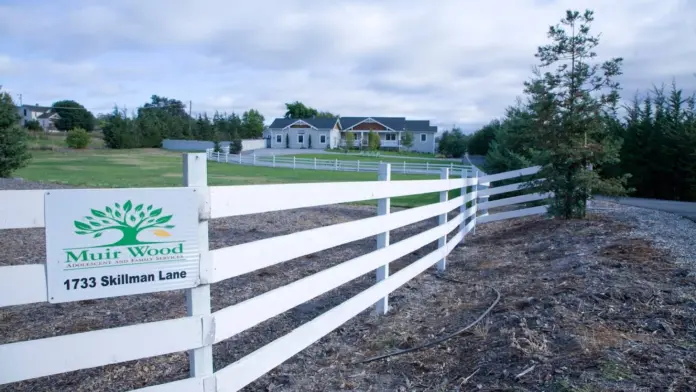
Accepted Insurance

Managed Health Network (MHN)
Other Forms of Payment
Private insurance refers to any kind of healthcare coverage that isn't from the state or federal government. This includes individual and family plans offered by an employer or purchased from the Insurance Marketplace. Every plan will have different requirements and out of pocket costs so be sure to get the full details before you start treatment.
Self-pay involves paying for treatment out of your own pocket. You can use savings or credit, get a personal loan, or receive help from family and friends to fund your treatment. If you don't have insurance or your insurance plan doesn't cover a specific program, self-pay can help ensure you still get the care you need.
Financial aid can take many forms. Centers may have grants or scholarships available to clients who meet eligibility requirements. Programs that receive SAMHSA grants may have financial aid available for those who need treatment as well. Grants and scholarships can help you pai for treatment without having to repay.
Military members, veterans, and eligible dependents have access to specific insurance programs that help them get the care they need. TRICARE and VA insurance can help you access low cost or no cost addiction and mental health treatment. Programs that accept military insurance often have targeted treatment focused on the unique challenges military members, veterans, and their families face.
Addiction Treatments
Levels of Care
Outpatient Programs (OP) are for those seeking mental rehab or drug rehab, but who also stay at home every night. The main difference between outpatient treatment (OP) and intensive outpatient treatment (IOP) lies in the amount of hours the patient spends at the facility. Most of the time an outpatient program is designed for someone who has completed an inpatient stay and is looking to continue their growth in recovery. Outpatient is not meant to be the starting point, it is commonly referred to as aftercare.
Inpatient rehab provides intensive treatment for clients exiting detox, those in early recovery, and those at an elevated risk of relapse. Unlike outpatient drug rehab, clients receiving inpatient care reside at the facility for the duration of the program. The length of stay may range from two weeks to 18 months or more, depending on the client's needs and the program's design. Inpatient treatment typically involves extensive addiction education and recovery-focused life skills training.
Intensive Outpatient Programs (IOP) are for those who want or need a very structured treatment program but who also wish to live at home and continue with certain responsibilities (such as work or school). IOP substance abuse treatment programs vary in duration and intensity, and certain outpatient rehab centers will offer individualized treatment programs.
Rehab aftercare programs offer clients in addiction recovery a robust continuum of care after clients have completed active treatment. These services address recovery as a life-long process and are designed to evolve with clients' changing needs. Clients may partner with their case managers and/or addiction recovery team to identify the rehab aftercare services that are right for them. They may receive career counseling, housing assistance, peer coaching, 12 step program induction, among many other services.
12-step programs are addiction recovery models based on Alcoholics Anonymous (AA). A number of substance abuse programs (including some drug and alcohol rehab centers) use the 12 steps as a basis for treatment. Beginning steps involve admitting powerlessness over the addiction and creating a spiritual basis for recovery. Middle steps including making direct amends to those who've been hurt by the addiction, and the final step is to assist others in addiction recovery in the same way. 12-Step offshoots including Narcotics Anonymous (NA), Cocaine Anonymous (CA), Dual Recovery Anonymous (DRA), Sex and Love Addicts Anonymous (SLAA) and Gamblers Anonymous (GA).
Drug and alcohol addiction often takes a heavy toll on one's body. Over time, a physical dependence can develop, meaning the body physiologically needs the substance to function. Detox is the process of removing drugs and/or alcohol from the body, a process that can be lethal if mismanaged. Medical detox is done by licensed medical professionals who monitor vital signs and keep you safe, healthy, and as comfortable as possible as you go through detox and withdrawal.
Treatments
The goal of treatment for alcoholism is abstinence. Those with poor social support, poor motivation, or psychiatric disorders tend to relapse within a few years of treatment. For these people, success is measured by longer periods of abstinence, reduced use of alcohol, better health, and improved social functioning. Recovery and Maintenance are usually based on 12 step programs and AA meetings.
Drug rehab in California teaches participants constructive ways to stay clean and sober. Treatment revolves around helping individuals stop using the substance they are addicted to and learn healthy habits to avoid relapse.
Many of those suffering from addiction also suffer from mental or emotional illnesses like schizophrenia, bipolar disorder, depression, or anxiety disorders. Rehab and other substance abuse facilities treating those with a dual diagnosis or co-occurring disorder administer psychiatric treatment to address the person's mental health issue in addition to drug and alcohol rehabilitation.
A combined mental health and substance abuse rehab has the staff and resources available to handle individuals with both mental health and substance abuse issues. It can be challenging to determine where a specific symptom stems from (a mental health issue or an issue related to substance abuse), so mental health and substance abuse professionals are helpful in detangling symptoms and keeping treatment on track.
Programs
Young adulthood can be an exciting, yet difficult, time of transition. Individuals in their late teens to mid-20s face unique stressors related to school, jobs, families, and social circles, which can lead to a rise in substance use. Rehab centers with dedicated young adult programs will include activities and amenities that cater to this age group, with an emphasis on specialized counseling, peer socialization, and ongoing aftercare.
Clinical Services
Cognitive Behavioral Therapy (CBT) is a therapy modality that focuses on the relationship between one's thoughts, feelings, and behaviors. It is used to establish and allow for healthy responses to thoughts and feelings (instead of unhealthy responses, like using drugs or alcohol). CBT has been proven effective for recovering addicts of all kinds, and is used to strengthen a patient's own self-awareness and ability to self-regulate. CBT allows individuals to monitor their own emotional state, become more adept at communicating with others, and manage stress without needing to engage in substance abuse.
Dialectical Behavior Therapy (DBT) is a modified form of Cognitive Behavioral Therapy (CBT), a treatment designed to help people understand and ultimately affect the relationship between their thoughts, feelings, and behaviors. DBT is often used for individuals who struggle with self-harm behaviors, such as self-mutilation (cutting) and suicidal thoughts, urges, or attempts. It has been proven clinically effective for those who struggle with out-of-control emotions and mental health illnesses like Borderline Personality Disorder.
Group therapy is any therapeutic work that happens in a group (not one-on-one). There are a number of different group therapy modalities, including support groups, experiential therapy, psycho-education, and more. Group therapy involves treatment as well as processing interaction between group members.
In individual therapy, a patient meets one-on-one with a trained psychologist or counselor. Therapy is a pivotal part of effective substance abuse treatment, as it often covers root causes of addiction, including challenges faced by the patient in their social, family, and work/school life.
Trauma therapy is a structured approach used by therapists to help you heal from a past traumatic event. Your therapist works with you to identify the traumatic memory and process the information so you experience emotional healing and a sense of safety and stability.
The goal of couples therapy in California is to strengthen the couple's relationship. The therapist may take one or more approaches to counseling which may include the Gottman method, emotionally focused therapy, behavioral therapy, and psychodynamic couple's therapy.
Research clearly demonstrates that recovery is far more successful and sustainable when loved ones like family members participate in rehab and substance abuse treatment. Genetic factors may be at play when it comes to drug and alcohol addiction, as well as mental health issues. Family dynamics often play a critical role in addiction triggers, and if properly educated, family members can be a strong source of support when it comes to rehabilitation.
Life skills trainings involve all the skills a person must have in order to function successfully in the world. These include time management, career guidance, money management, and effective communication. Truly successful addiction recovery is based on the ability to not only live substance-free, but to thrive. Life skills teaches the practical necessities of functioning in society, which sets clients up for success in life, and therefore sobriety.
Recreational therapy is included in alcohol and drug addiction treatment to focus on engaging you in healthy activities that reduce your cravings and improve your overall health and well being. When you participate in group sports, art, or nature walks, you develop new interests and find a meaningful way to spend your time and reduce your cravings.
Amenities
-
 Gym
Gym -
 Yoga Studio
 -
 Residential Setting
 -
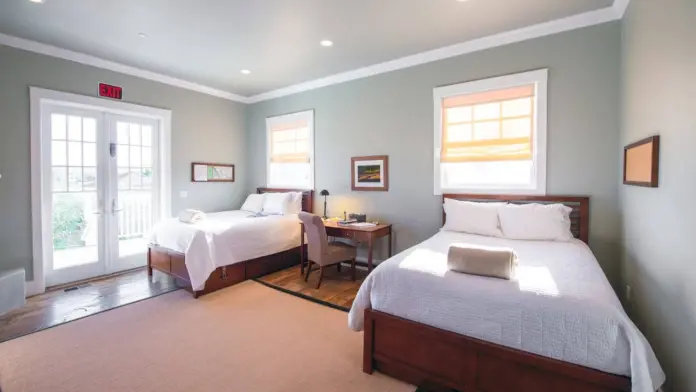
 Private Rooms
Staff & Accreditations
Staff
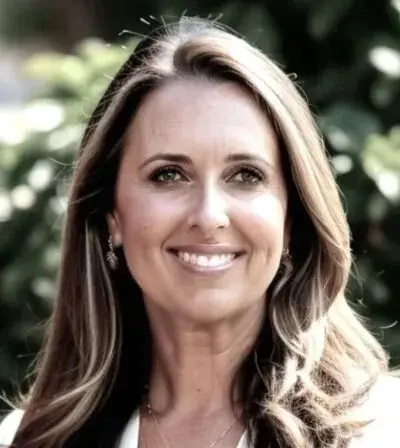
Stacey Irving
Chief Executive Officer
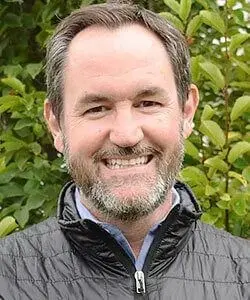
Scott Sowle
Founder
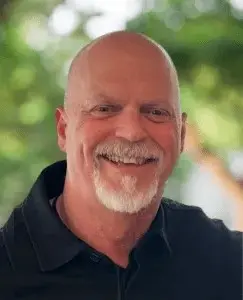
Bryan Bowen Partner
Chief Operating Officer
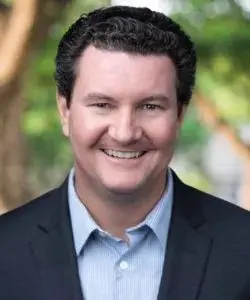
Ian Wolds, PsyD, DR
Chief Clinical Officer

Pat D’Amico, BS
Chief Marketing Officer
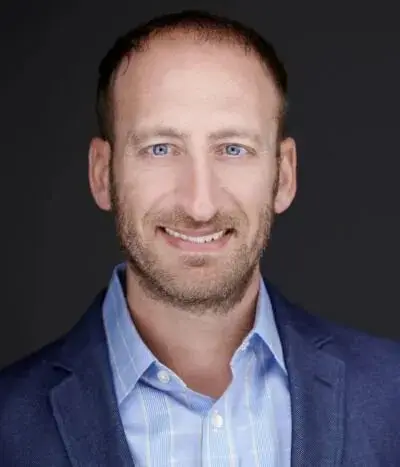
Danny Pencak
Chief Financial Officer
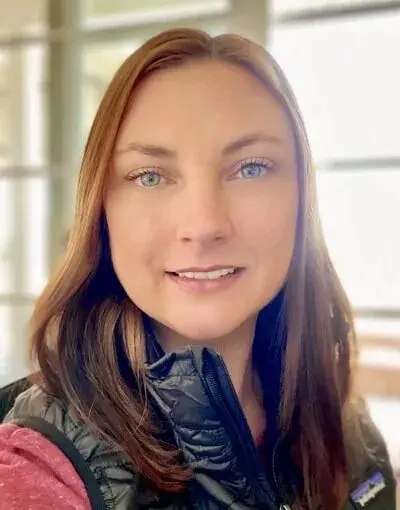
Maura Sangster, BS, CADC II, ICADC
Director of Admissions

Kelli Azevedo
Director of Operations
Accreditations

The Joint Commission, formerly known as JCAHO, is a nonprofit organization that accredits rehab organizations and programs. Founded in 1951, the Joint Commision's mission is to improve the quality of patient care and demonstrating the quality of patient care.
Joint Commission Accreditation: Yes
Rehab.com regularly reviews this listing for accuracy but changes may occur between updates. For the most up-to-date information, please contact Muir Wood Adolescent and Family Services – Teen Treatment Program.
Contact Information

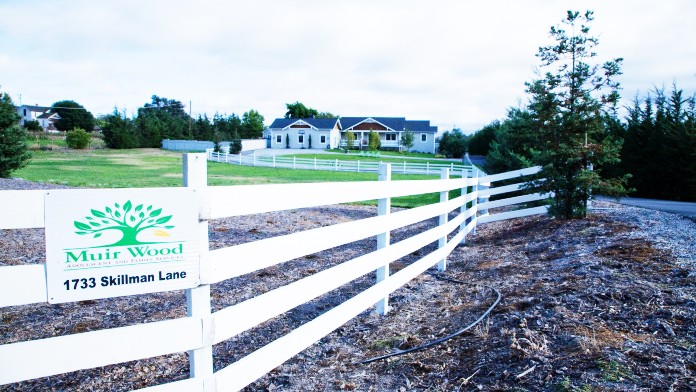
1733 Skillman Lane
Petaluma, CA 94952
Get Help Now - 415-941-4204
Sponsored Helpline
Sponsored Helpline


