










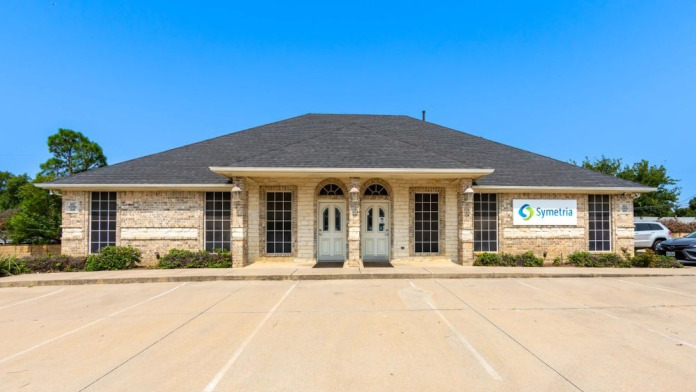
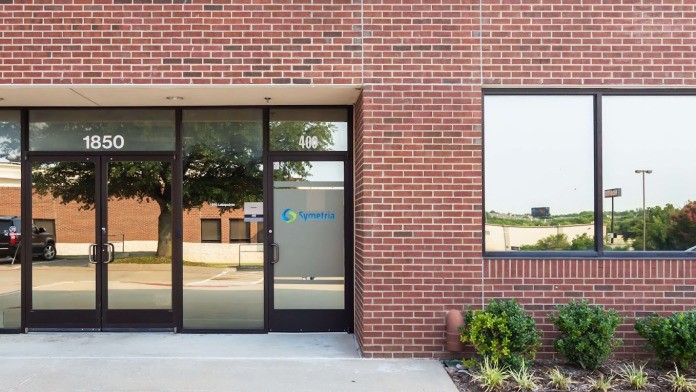
Symetria — Hurst Outpatient Rehab & Suboxone Clinic
1
Top 10 Rehab Centers In Hurst



















































































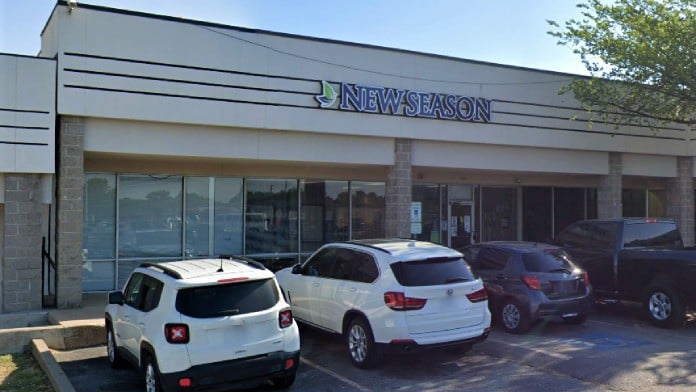
The medications available to clients for treatment are methadone, buprenorphine and Suboxone. All three can help minimize cravings and withdrawal symptoms. Methadone is FDA approved and is designed to be a stabilizer for the body, allowing patients to function physically and emotionally. Buprenorphine and Suboxone are also effective for individuals with lower levels of physical dependence. Counselors will work with patients to recognize their causes of addictions and their addiction triggers and develop a plan that will make improvements in all areas of their lives.
The types of counseling at this facility include individual, family and group counseling. Counselors will help clients to better cope with stress, find new ways of improving and handle setbacks. At all times throughout treatment, the staff will make sure to maintain a client’s confidentiality. In addition to the services at this facility, New Season Treatment Center can also provide referrals to other services that a client may need to support their continued sobriety.


 Our Methodology


Private insurance refers to any kind of healthcare coverage that isn't from the state or federal government. This includes individual and family plans offered by an employer or purchased from the Insurance Marketplace. Every plan will have different requirements and out of pocket costs so be sure to get the full details before you start treatment.
Self-pay involves paying for treatment out of your own pocket. You can use savings or credit, get a personal loan, or receive help from family and friends to fund your treatment. If you don't have insurance or your insurance plan doesn't cover a specific program, self-pay can help ensure you still get the care you need.
Medicare is a federal program that provides health insurance for those 65 and older. It also serves people under 65 with chronic and disabling health challenges. To use Medicare for addiction treatment you need to find a program that accepts Medicare and is in network with your plan. Out of pocket costs and preauthorization requirements vary, so always check with your provider.
Medicaid is a state based program that helps lower-income individuals and families pay for healthcare. Medicaid covers addiction treatment so those enrolled can use their coverage to pay for rehab. When a program accepts Medicaid the client often pays very little or nothing out of their own pocket.
Outpatient Programs (OP) are for those seeking mental rehab or drug rehab, but who also stay at home every night. The main difference between outpatient treatment (OP) and intensive outpatient treatment (IOP) lies in the amount of hours the patient spends at the facility. Most of the time an outpatient program is designed for someone who has completed an inpatient stay and is looking to continue their growth in recovery. Outpatient is not meant to be the starting point, it is commonly referred to as aftercare.
Inpatient rehab programs are geared toward clients in early recovery. They also provide intensive support for clients in crisis and those at an increased relapse risk. Clients receive housing and meals while in inpatient care, allowing them to focus solely on their recovery. Most programs prioritize addiction counseling but may draw on various psychotherapeutic modalities, including CBT, DBT, RBT, trauma therapy, and motivational interviewing. Life skills training and holistic therapies are also common in inpatient care.
Intensive outpatient programs offer high-level care for clients as an increased risk of relapse, including those in early recovery, those with a strong history of relapse, and those experiencing a crisis. Intensive outpatient treatment typically requires clients to engage in nine to 20 hours of care weekly, with treatment modalities that combine psychotherapy and recovery education, and holistic therapies, such as acupuncture and animal therapy. Medication assisted treatment (MAT) is also common in alcohol and/or opioid recovery.
12 step programs promote participants' sustained sobriety through rigorous and ongoing peer coaching and personal spiritual growth. Participants routinely attend 12 step meetings, which are available multiple times per day, 365 days per year in most communities. This ensures that those in recovery have prompt access to the structure and support they need when they need it. These programs use spiritual precepts to address the root causes of addiction and encourage compassion, self-awareness, forgiveness, accountability, and acceptance.
24-hour clinical care in Texas provides a safe environment for medical detox. This setting is crucial to provide medical care during withdrawal. Certain withdrawal symptoms can cause life-threatening conditions, but patients in a supervised clinical setting have treatment readily available to address any symptoms before they become severe. Treatment can also be provided for co-occurring physical and mental health issues.
Drug and alcohol addiction often takes a heavy toll on one's body. Over time, a physical dependence can develop, meaning the body physiologically needs the substance to function. Detox is the process of removing drugs and/or alcohol from the body, a process that can be lethal if mismanaged. Medical detox is done by licensed medical professionals who monitor vital signs and keep you safe, healthy, and as comfortable as possible as you go through detox and withdrawal.
The goal of treatment for alcoholism is abstinence. Those with poor social support, poor motivation, or psychiatric disorders tend to relapse within a few years of treatment. For these people, success is measured by longer periods of abstinence, reduced use of alcohol, better health, and improved social functioning. Recovery and Maintenance are usually based on 12 step programs and AA meetings.
During rehab in Texas, you'll deal with underlying issues that contribute to addiction. By addressing these challenges and learning healthy ways to cope with them, you'll develop strategies that help you live a drug-free lifestyle.
Opioid rehabs specialize in supporting those recovering from opioid addiction. They treat those suffering from addiction to illegal opioids like heroin, as well as prescription drugs like oxycodone. These centers typically combine both physical as well as mental and emotional support to help stop addiction. Physical support often includes medical detox and subsequent medical support (including medication), and mental support includes in-depth therapy to address the underlying causes of addiction.
Substance rehabs focus on helping individuals recover from substance abuse, including alcohol and drug addiction (both illegal and prescription drugs). They often include the opportunity to engage in both individual as well as group therapy.
Adult rehab programs include therapies tailored to each client's specific needs, goals, and recovery progress. They are tailored to the specific challenges adult clients may face, including family and work pressures and commitments. From inpatient and residential treatment to various levels of outpatient services, there are many options available. Some facilities also help adults work through co-occurring conditions, like anxiety, that can accompany addiction.
Young adulthood can be an exciting, yet difficult, time of transition. Individuals in their late teens to mid-20s face unique stressors related to school, jobs, families, and social circles, which can lead to a rise in substance use. Rehab centers with dedicated young adult programs will include activities and amenities that cater to this age group, with an emphasis on specialized counseling, peer socialization, and ongoing aftercare.
Recovery is most successful when clients feel accepted and validated by their peers and treatment providers. Facilities that offer LGBTQ-inclusive programming are committed to creating a safe space where everyone can grow and recover without fear of judgment or discrimination. They will have dedicated policies in place to create a safe and supportive environment that fosters free expression.
Group therapy is any therapeutic work that happens in a group (not one-on-one). There are a number of different group therapy modalities, including support groups, experiential therapy, psycho-education, and more. Group therapy involves treatment as well as processing interaction between group members.
In individual therapy, a patient meets one-on-one with a trained psychologist or counselor. Therapy is a pivotal part of effective substance abuse treatment, as it often covers root causes of addiction, including challenges faced by the patient in their social, family, and work/school life.
Research clearly demonstrates that recovery is far more successful and sustainable when loved ones like family members participate in rehab and substance abuse treatment. Genetic factors may be at play when it comes to drug and alcohol addiction, as well as mental health issues. Family dynamics often play a critical role in addiction triggers, and if properly educated, family members can be a strong source of support when it comes to rehabilitation.
The right life skills training will help you build the skills you need for recovery. You'll learn how to solve problems, improve your social life, enhance your mental health, and make good decisions. This is a key component of drug rehab programs in Texas.
 Residential Setting
  Private Rooms
 CEO
CFO
Senior VP of Business Development & Marketing
Senior VP of Clinical
Head of Human Resources

The Substance Abuse and Mental Health Services Administration (SAMHSA) is a branch of the U.S. Department of Health and Human Services. Established in 1992 by congress, SAMHSA's mission is to reduce the impact of substance abuse and mental illness on American's communities.
SAMHSA Listed: Yes

The Commission on Accreditation of Rehabilitation Facilities (CARF) is a non-profit organization that specifically accredits rehab organizations. Founded in 1966, CARF's, mission is to help service providers like rehab facilities maintain high standards of care.
CARF Accreditation: Yes

State Licenses are permits issued by government agencies that allow rehab organizations to conduct business legally within a certain geographical area. Typically, the kind of program a rehab facility offers, along with its physical location, determines which licenses are required to operate legally.
State License: Texas

The Joint Commission, formerly known as JCAHO, is a nonprofit organization that accredits rehab organizations and programs. Founded in 1951, the Joint Commision's mission is to improve the quality of patient care and demonstrating the quality of patient care.
Joint Commission Accreditation: Yes
Rehab.com regularly reviews this listing for accuracy but changes may occur between updates. For the most up-to-date information, please contact New Season Treatment Center – Dallas.

1050 N Westmoreland Rd
Suite 330
Dallas, TX 75211
Sponsored Helpline

I know and understand that with time things are going to change but damn. Yes its a pay clinic and knew it going into but its life and things happen you loose a job, for whatever reason, finances change as well. You would think there would be more resources to help ppl who find themselves unable to pay everyday and not wanting to go out and use because of missing a dose. It sucks the only option is for you to transfer to another clinic for help. When in the beginning that's all you came there for was help with your addiction and life issues not create a whole new one because u can't pay regularly. That's makes this clinic no better than a street dealer. Money is all they care for after you done opened up and told a stranger your whole life story. Reopening trauma again with a stranger who u learn to trust just for someone to tell you that you need to go some place else because of your not able to pay one day out of the week even though you always clear your balance the next day. Why because you don't want to to use on the street.


Ive been looking for a new clinic to transfer too and I ask the same 2 questions everywhere I called.. Ive had 28 takes for more than 3 years and I prefer diskettes, really bad heartburn with liquid. I asked Trent the program manager these two questions.. Do you have diskettes and is there any issue with me starting at 28 after reviewing my file. Np at all and yes we carry diskettes... Well 3 days before I run out of doses I show up to their clinic and the nurse tells me they dont carry diskettes.. Literally a HUGE waste of time... Either Trent is ZONED out or is on a quota to get people in.... DISAPPOINTED

I really love this clinic and the staff. I've been going here for about 4 years now and having access to this medication literally saved my life. I'm very grateful for all the staff, especially my counselor, Tessa. She is AMAZING! She's fairly new but since I became her patient she has gone above and beyond to help me in every way. Compared to my last counselor here, the difference is night and day. You can tell she really cares about her patients. I think this place has improved so so much since I first started coming. I think that has to do with Lorenzo becoming the director. I have seen such an improvement with the staff and everything since he took over. So if you're serious about wanting to get clean and change your life for the better, I'd highly recommend this clinic!! Edit: it's a year later and while I still think this clinic is good in a lot of ways, I truly feel like they made a mistake by replacing Lorenzo. The new director is "nice" but he hasn't once introduced himself to me or anyone else that I know of. He's very stand offish and just stays in his office. I feel like he's very corporate, so he's nice in that sense, but I don't feel like he's genuine. I recently transferred to a different clinic because of a situation that happened with him. I hope this company will stop making their counselors do so much paperwork, it literally takes away from the bonding time with their patients. That's one thing I've always disliked about this clinic. Also last year I went thru like 3 or 4 counselors. You know how hard it is to open up to someone over and over again? To have them say to you that they won't be going anywhere then weeks later they're gone? The turnover rate is extremely high for a reason and I really hope corporate starts listening to their employees or treating them better. edit: I ended up transferring to a different clinic. they got a new director after Lorenzo and this guy is the definition of corporate. He doesn't seem like he has an authentic bone in his body. he is the straw that broke the camels back for me. I was 2 mins late to the clinic one day and he would not let me dose. I was in hysterics crying because I didn't want to relapse, I knew if I didn't dose that it was a big possibility because of certain circumstances happening in my personal life. he didn't care. I totally understand that getting to the clinic before close to dose is my responsibility. but he told me there was nothing he could do which was a lie because I had seen plenty of people dose a few minutes after they closed before. so I told him I would be transferring to another clinic after 5 years of being at new season. and I'm so happy I did. my new clinic is amazing. the counselors aren't always stressed and doing mountains of paperwork. the check in process is so quick. I'm always in and out in less than 5 mins most days. at new season I was always getting flagged for something when I'd check in because the counselors would be so behind and backed up that theyd be having me sign documents months after. or there'd only be 2 to 3 counselors working there at a time so everything was always backed up. my new clinic is also SO MUCH CHEAPER.
 Back
Back
Sharing your insights and experiences can help others learn more about this rehab center.


 Written By: Michelle Tavares
MSN, RN
Written By: Michelle Tavares
MSN, RN


