






























































































The staff is rude! They made me wait too much time! I'm dealing with depression and I didn't appreciate people making me wait as if my problem isn't a big deal!
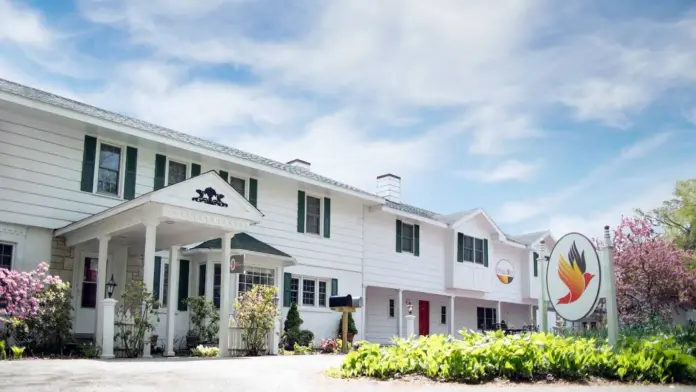
About Parkdale Center: Indiana Drug and Alcohol Rehab
Although they don’t offer detox services, they have a withdrawal management program for guests who can safely withdraw from substance use. The service provides guidance and customized support throughout the process. A thorough physical and mental health assessment will help them design a personalized care plan that works for your unique needs.
The program includes skills and techniques that provide a foundation for long-term recovery and future career advocacy. Since their treatment is focused on helping professionals they understand there are substantial responsibilities that often come with high-level success. The team is skilled in treating those in stressful circumstances. You’ll have a judgment-free setting where you are supported and respected.
Parkdale is a private rehab where you have peers who understand the challenges and pressures you face as a busy career professional. Some of the perks to Parkdale include retaining the access you need to continue with work responsibilities while getting treatment. You can make calls and keep your laptop during your stay to uphold work commitments. They also have career restoration services that may help you get back on track while overcoming addiction for good.
They work with most health insurance plans including Cigna, Anthem, and Magellan. You can also verify benefits online before entering treatment.
Latest Reviews
Parkdale saved my life. Rigo and David are amazing people. Thanks to everyone there at Parkdale, keep up the good work. One day at a time.
After completing inpatient rehabilitation, I transitioned into the Intensive Outpatient Program (IOP) at Parkdale Center and I can say with my whole heart that it was one of the most life-changing and soul-healing experiences I’ve ever had. Parkdale didn’t just help me continue my recovery, they helped me to continue to find myself again. They believed in me, held space for my pain, and gave me the tools and encouragement to continue to rise stronger than I ever thought possible.
From the leadership to the support staff, everyone at Parkdale exudes compassion, professionalism, and a deep commitment to healing. But what makes Parkdale truly exceptional are people like Rigo and Claudia. They treated me not like a number or a case, but like family. There was zero judgment, only humility, kindness, and an unwavering belief in my potential. Rigo felt like a steady big brother, firm when needed, but always full of heart. Claudia radiates warmth and made me feel safe, seen, and cared for in a way that felt almost sacred. These two, and so many others at Parkdale (like Dr. Chris, Denise, Ty, David) restored my faith in people and reminded me that recovery is possible when you’re surrounded by those who genuinely care.
Parkdale is the best at what they do because they combine clinical excellence with human connection. Their program isn’t just about sobriety, it’s about rebuilding your life with dignity, strength, and purpose. If someone I love ever needed help, Parkdale is the place I would trust.
Pictured: Claudia (COO). Took time out of her busy schedule to chat with me and learn about the quality of my care.
Response from the owner3 weeks ago
Thank you so much for sharing your heartfelt experience with Parkdale Center. Your words are a moving testament to the power of compassionate, person-centered care—and we're truly honored to have been part of your recovery journey.
Having used their facilities for our Union members and for a family member, the counselors are caring, responsive, and communicate very well on a treatment plan and objectives & goals. Ms Tori awesome!!!!! The group meetings and accountability for each other in treatment works in a great atmosphere. I would strongly recommend this facility if a friend, co-worker, and family members are in need of help with addictions and/or mental health. It is located in chesterton nearby for visitation purposes.
Response from the owner3 weeks ago
Thank you so much for your kind words and recommendation! We’re honored to have been able to support both your Union members and your family. Our team, including Ms. Tori, is truly dedicated to providing compassionate care and a structured path to recovery. It’s wonderful to hear that our group meetings and accountability system have made a positive impact. We appreciate you sharing your experience and for trusting us with the care of your loved ones. 
Rehab Score
 Our Methodology
Scoring is assigned by a proprietary system which helps surface key metrics that determine quality. The 10-point scale factors in categories such as operations, customer satisfaction, and trust metrics. Read Full Methodology

8 / 10
Gallery
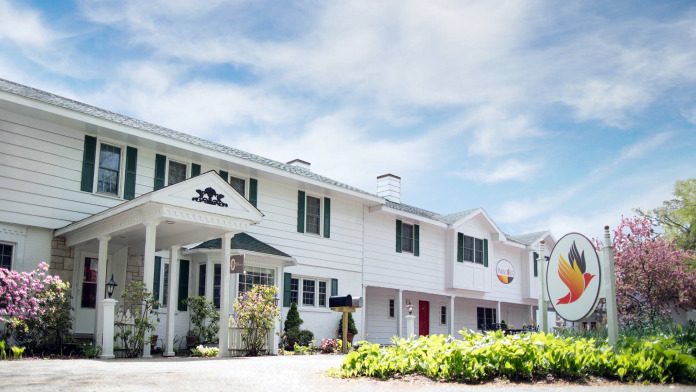
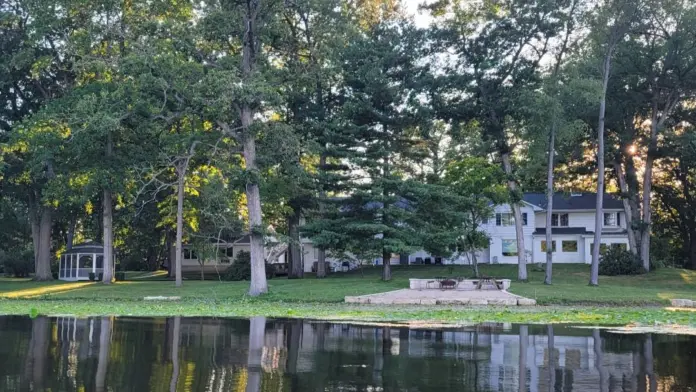
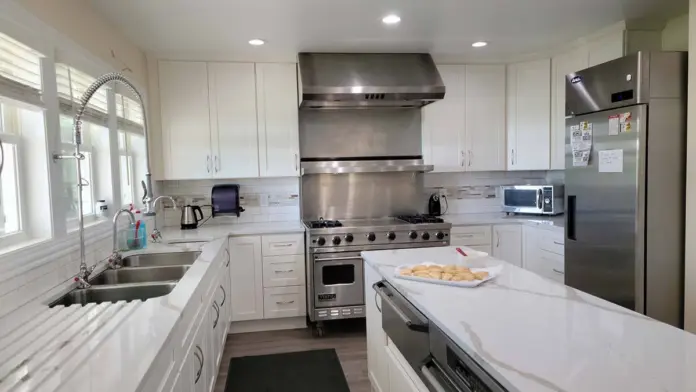

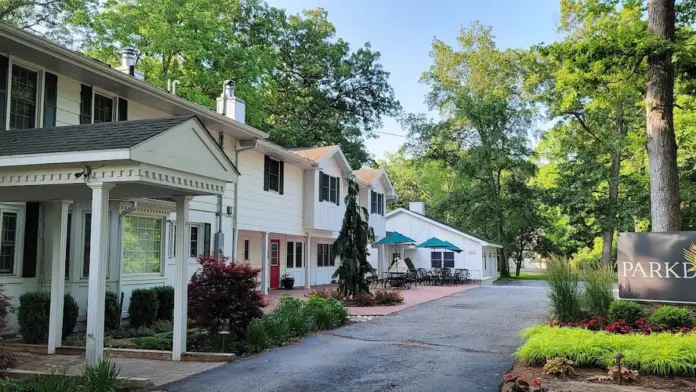
Accepted Insurance
Other Forms of Payment
Private insurance refers to any kind of healthcare coverage that isn't from the state or federal government. This includes individual and family plans offered by an employer or purchased from the Insurance Marketplace. Every plan will have different requirements and out of pocket costs so be sure to get the full details before you start treatment.
Self-pay involves paying for treatment out of your own pocket. You can use savings or credit, get a personal loan, or receive help from family and friends to fund your treatment. If you don't have insurance or your insurance plan doesn't cover a specific program, self-pay can help ensure you still get the care you need.
Addiction Treatments
Levels of Care
If you need some flexibility and choice when it comes to your recovery, outpatient rehab programs are a great option because they do not require intensive inpatient treatment. Clients remain in their own homes and may continue to work or attend school while in active treatment. Outpatient treatment typically includes addiction counseling and continuing recovery education, including courses in self-care and relapse prevention. Medication assisted treatment (MAT) is available in many treatment centers for clients in opioid and/or alcohol recovery.
The Intensive Out-Patient Program (IOP) is often recommended by their clinical team for individuals that have met specific treatment goals. This particular program is recommended for certain individuals whose situation does not necessarily require partial hospitalization. IOP is often the “next-step” after the Partial Hospitalization Program (PHP) and is designed to build on the skills and education learned in initial programming. Success in these programs strengthen overall sobriety while building a recovery portfolio for future advocacy. IOP services include: psychotherapy groups, family groups, recreational alternative groups, individual therapy, alternative groups, 12-steps groups and exercise.
Clients receiving support in a rehab aftercare program have completed inpatient care and may also be preparing to exit formal outpatient care. Outpatient services are typically categorized as rehab aftercare, but these services often continue beyond the cessation of formal treatment. Rehab aftercare services are designed to promote life-long recovery through comprehensive, wraparound care, which may include medical, mental health, and social services. These programs are usually created in collaboration with the client's case manager and care team.
12-step programs are addiction recovery models based on Alcoholics Anonymous (AA). A number of substance abuse programs (including some drug and alcohol rehab centers) use the 12 steps as a basis for treatment. Beginning steps involve admitting powerlessness over the addiction and creating a spiritual basis for recovery. Middle steps including making direct amends to those who've been hurt by the addiction, and the final step is to assist others in addiction recovery in the same way. 12-Step offshoots including Narcotics Anonymous (NA), Cocaine Anonymous (CA), Dual Recovery Anonymous (DRA), Sex and Love Addicts Anonymous (SLAA) and Gamblers Anonymous (GA).
When families plan a drug intervention in Indiana, the goal is to create self-awareness in their loved one, so they acknowledge the need for treatment and get help. A professional interventionist can work with the individual's family members to organize this intervention and provide direction for follow-up. During the intervention, loved ones share how the individual's substance abuse has affected them, and the interventionist adds a clinical perspective on how treatment can help the situation.
A partial hospitalization program (PHP) can provide intensive rehab on a short-term basis. While PHP treatment typically requires a commute, telehealth may be available. PHP treatment costs can vary but are often covered by most insurance. The program duration can vary to meet your specific needs and require you to meet for a minimum of 20 hours a week for an average of 90 days. PHP Treatment services often include relapse prevention strategies, medication management, individual and group counseling, and other behavioral therapy interventions.
When removing addictive substances from your body under the care of licensed medical professionals, the process is called medically assisted detox. Once you've become physically dependent on substances like alcohol, opioids, or benzodiazepines, quitting can be uncomfortable or even dangerous. To minimize risks to your health and overall discomfort, a team of medical professionals monitors you 24/7 and provides medications if necessary (like Suboxone or methadone) to ease potential symptoms of withdrawal.
Treatments
The goal of treatment for alcoholism is abstinence. Those with poor social support, poor motivation, or psychiatric disorders tend to relapse within a few years of treatment. For these people, success is measured by longer periods of abstinence, reduced use of alcohol, better health, and improved social functioning. Recovery and Maintenance are usually based on 12 step programs and AA meetings.
For long-term recovery from drug addiction, drug rehab in Indiana is often key. This treatment gives individuals who are struggling with a substance use disorder the tools to manage their disorder and achieve long-term sobriety.
Many of those suffering from addiction also suffer from mental or emotional illnesses like schizophrenia, bipolar disorder, depression, or anxiety disorders. Rehab and other substance abuse facilities treating those with a dual diagnosis or co-occurring disorder administer psychiatric treatment to address the person's mental health issue in addition to drug and alcohol rehabilitation.
A combined mental health and substance abuse rehab has the staff and resources available to handle individuals with both mental health and substance abuse issues. It can be challenging to determine where a specific symptom stems from (a mental health issue or an issue related to substance abuse), so mental health and substance abuse professionals are helpful in detangling symptoms and keeping treatment on track.
Opioid rehabs specialize in supporting those recovering from opioid addiction. They treat those suffering from addiction to illegal opioids like heroin, as well as prescription drugs like oxycodone. These centers typically combine both physical as well as mental and emotional support to help stop addiction. Physical support often includes medical detox and subsequent medical support (including medication), and mental support includes in-depth therapy to address the underlying causes of addiction.
Programs
Adult rehab programs include therapies tailored to each client's specific needs, goals, and recovery progress. They are tailored to the specific challenges adult clients may face, including family and work pressures and commitments. From inpatient and residential treatment to various levels of outpatient services, there are many options available. Some facilities also help adults work through co-occurring conditions, like anxiety, that can accompany addiction.
Young adulthood can be an exciting, yet difficult, time of transition. Individuals in their late teens to mid-20s face unique stressors related to school, jobs, families, and social circles, which can lead to a rise in substance use. Rehab centers with dedicated young adult programs will include activities and amenities that cater to this age group, with an emphasis on specialized counseling, peer socialization, and ongoing aftercare.
Recovery is most successful when clients feel accepted and validated by their peers and treatment providers. Facilities that offer LGBTQ-inclusive programming are committed to creating a safe space where everyone can grow and recover without fear of judgment or discrimination. They will have dedicated policies in place to create a safe and supportive environment that fosters free expression.
Clinical Services
Cognitive Behavioral Therapy (CBT) is a therapy modality that focuses on the relationship between one's thoughts, feelings, and behaviors. It is used to establish and allow for healthy responses to thoughts and feelings (instead of unhealthy responses, like using drugs or alcohol). CBT has been proven effective for recovering addicts of all kinds, and is used to strengthen a patient's own self-awareness and ability to self-regulate. CBT allows individuals to monitor their own emotional state, become more adept at communicating with others, and manage stress without needing to engage in substance abuse.
Individual dialectical behavior therapy (DBT) takes place in weekly, 60 minute sessions. You'll have homework to do, such as keeping a diary to track your emotions and actions. You'll also attend group sessions, which are intended to be skills practicing sessions. DBT in Indiana typically lasts six months to a year.
Group therapy provides a unique experience for men and women to encounter a supportive environment where you can share your experiences and gain insight from your peers who understand your struggles. Group therapy improves your journey and helps promote sustainable recovery.
In individual therapy, a patient meets one-on-one with a trained psychologist or counselor. Therapy is a pivotal part of effective substance abuse treatment, as it often covers root causes of addiction, including challenges faced by the patient in their social, family, and work/school life.
Motivational interviewing aims to stimulate the client's personal motivation and commitment to change. Rather than receive advice and warnings from the therapist, the client is given the opportunity to share their concerns and reach their own conclusions.
During trauma therapy in Indiana, your therapist helps you process traumatic experiences and learn how they affect your emotional, mental, and physical responses. You learn effective coping strategies that help to reduce the symptoms and improve your mental health and well being.
Whether a marriage or other committed relationship, an intimate partnership is one of the most important aspects of a person's life. Drug and alcohol addiction affects both members of a couple in deep and meaningful ways, as does rehab and recovery. Couples therapy and other couples-focused treatment programs are significant parts of exploring triggers of addiction, as well as learning how to build healthy patterns to support ongoing sobriety.
Research clearly demonstrates that recovery is far more successful and sustainable when loved ones like family members participate in rehab and substance abuse treatment. Genetic factors may be at play when it comes to drug and alcohol addiction, as well as mental health issues. Family dynamics often play a critical role in addiction triggers, and if properly educated, family members can be a strong source of support when it comes to rehabilitation.
Nutrition therapy, aka medical nutrition therapy (MNT), is a way of treating physical, emotional, and medical conditions through diet. Specific dietary plans are designed by professional nutritionists or registered dietitians, and patients follow them in order to positively affect their physical and mental health.
Creativity is inherently healing, and can help those in recovery express thoughts or feelings they might not otherwise be able to. Creative arts therapy can include music, poetry/writing, painting, sculpting, dance, theater, sandplay, and more. Unlike traditional art, the final product matters far less than the experience of creation and expression itself.
Experiential therapy is often provided in conjunction with talk therapy. It is offered in inpatient and outpatient settings and may occur in individual or group formats. The basic components are an activity that evokes creative expression and emotion and a therapist to facilitate analysis of your reactions and perceptions.
Feelings of withdrawal and intense cigarette cravings make quitting smoking difficult. Nicotine replacement therapy can double your chances of long term success. This therapy provides a small amount of nicotine, so you can slowly wean yourself off this addictive substance.
Staff & Accreditations
Staff
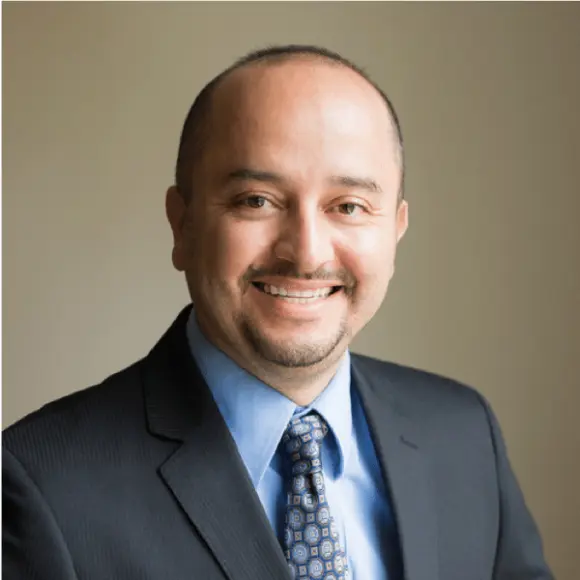
Rodrigo Garcia, MSN, MBA, CRNA
Founder, CEO

Claudia Garcia, MBA, BSN, RN, LAC
COO
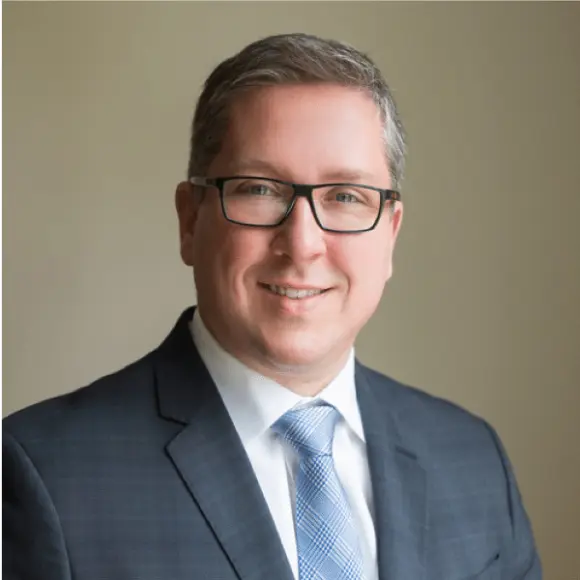
Dr. David Cummins, MD, FASAM
Founder, Medical Director
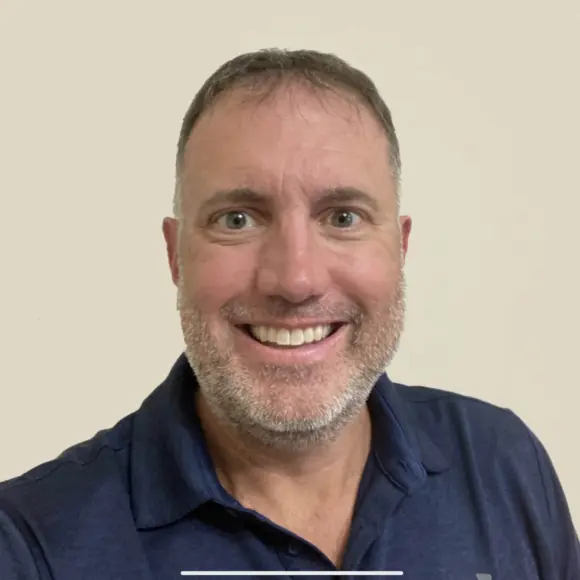
Scott Geans
CFO
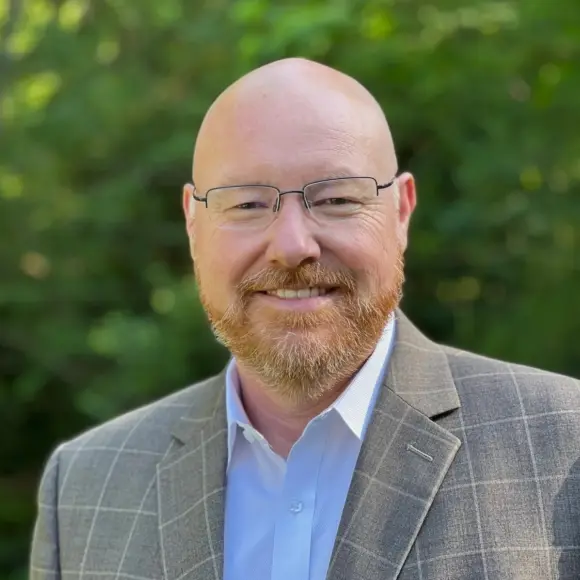
Dr. Jeffery Coto, DNP, MS-CNS, RN, NPD-BC, CCRN, CPCO
CCO
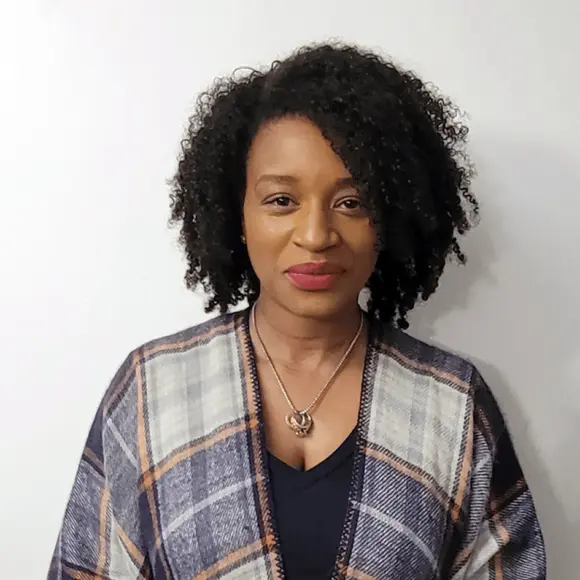
LaShania Odds-Ellison
Executive Assistant

Jasmine Dixon, LMHC
Program Director
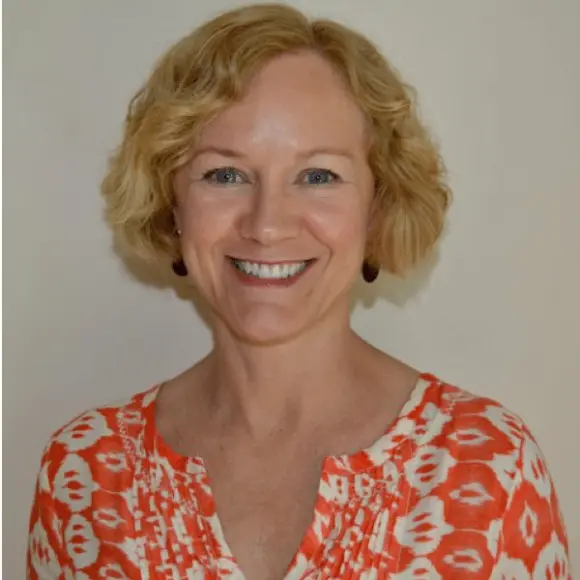
Dr. Christine Paquin, DNP, RN, PMHCNS-BC
Psychiatric Clinical Nurse Specialist
Accreditations

The Commission on Accreditation of Rehabilitation Facilities (CARF) is a non-profit organization that specifically accredits rehab organizations. Founded in 1966, CARF's, mission is to help service providers like rehab facilities maintain high standards of care.
CARF Accreditation: Yes
Rehab.com regularly reviews this listing for accuracy but changes may occur between updates. For the most up-to-date information, please contact Parkdale Center: Indiana Drug and Alcohol Rehab.
Contact Information

350 Indian Boundary Rd.
Chesterton, IN 46304
Get Help Now - 219-250-4974
Sponsored Helpline
Sponsored Helpline


