





























































































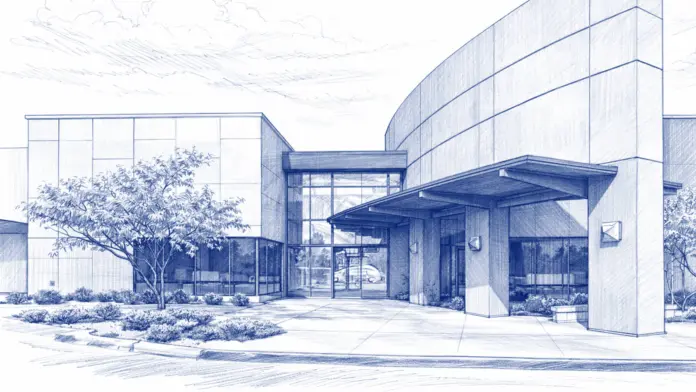
About Porch Light Health
There’s a lot to celebrate in Colorado Springs, Colorado and thanks to Porch Light Health’s suboxone clinic, you can add your addiction recovery to that list. Adults can receive medically supervised withdrawal services and MAT from this outpatient office and find professional help to break free from alcohol, meth, opioids, heroin and benzodiazepines.
Specialty Treatment Provided
They even have support for co-occurring mental health disorders. Porch Light Health boasts specialty treatment tracks for veterans, first responders, BIPOC and LGBTQIA+ individuals. They have a sliding fee scale for those without insurance. No one is turned away because they can’t afford care.
Care for Teens and Adults
Something that stands out to me about this clinic is its inclusion of teen clients. It’s not uncommon for MAT providers to work with such young individuals, but here they modify their approach to reflect common challenges experienced at that stage of life. Subjects like peer pressure, negative environmental influences and natural curiosity are all addressed in this program.
Safe Treatment for Pregnant Women
SUD treatment for pregnant women needs to address the increased health risks of the mother and her developing child. Doctors at this location are dedicated to providing pregnant mothers treatment that’s both comprehensive and safe while still addressing the heightened health risks. Care is provided up to 39 weeks of gestation.
Latest Reviews



Rehab Score
 Our Methodology


Location
Accepted Insurance
Other Forms of Payment
Medicaid is a state based program that helps lower-income individuals and families pay for healthcare. Medicaid covers addiction treatment so those enrolled can use their coverage to pay for rehab. When a program accepts Medicaid the client often pays very little or nothing out of their own pocket.
Medicare is a federal program that provides health insurance for those 65 and older. It also serves people under 65 with chronic and disabling health challenges. To use Medicare for addiction treatment you need to find a program that accepts Medicare and is in network with your plan. Out of pocket costs and preauthorization requirements vary, so always check with your provider.
Private insurance refers to any kind of healthcare coverage that isn't from the state or federal government. This includes individual and family plans offered by an employer or purchased from the Insurance Marketplace. Every plan will have different requirements and out of pocket costs so be sure to get the full details before you start treatment.
Sliding scale payments are based on a client's income and family size. The goal is to make treatment affordable to everyone. By taking these factors into account, addiction recovery care providers help ensure that your treatment does not become a financial burden to you or your family, eliminating one barrier to care.
Self-pay involves paying for treatment out of your own pocket. You can use savings or credit, get a personal loan, or receive help from family and friends to fund your treatment. If you don't have insurance or your insurance plan doesn't cover a specific program, self-pay can help ensure you still get the care you need.
Addiction Treatments
Levels of Care
Outpatient rehabs offer a wide variety of services and levels of care to align with clients' unique and evolving needs. Outpatient care is best suited for clients who are stable and for those who wish to remain at home while receiving treatment. Clients typically receive addiction counseling and recovery-focused life skills training, including participating in evening, night, and weekend sessions to accommodate clients' schedules. Clients at an increased relapse risk may receive more frequent and intensive treatment.
Treatments
Alcoholism is defined as a physical dependence on alcohol. In this state, the body experiences withdrawal symptoms in the absence of alcohol. Over time, a person with alcohol use disorder also must drink greater amounts of alcohol to achieve the same effects. To overcome alcohol use disorder, alcohol rehab in Colorado is usually necessary, a process which includes supervised medical detox. This is followed by intensive rehab, then a maintenance program that may include 12-step support.
Professional services are often necessary to recover from addiction. Drug rehab in Colorado provides the expert services needed to address the complex issues of addiction and help individuals start their recovery journey.
 Opioid Addiction
Colorado offers a range of substance abuse treatment programs that encompass various levels of care to meet your specific needs. These addiction treatment programs often encompass medical detox, outpatient, inpatient, and partial hospitalization programs. You'll find each program includes individual and group therapy, and educational groups to provide you with the tools to achieve and sustain your recovery.
Colorado offers dual-diagnosis addiction treatment programs that encompass various levels of care to meet your individual needs, including medical detox, outpatient, inpatient, and partial hospitalization programs for individuals with co-occurring mental health and substance use disorders. These dual-diagnosis rehab programs incorporate evidence-based therapies such as cognitive-behavioral therapy (CBT) or dialectical behavior therapy (DBT) to successfully address substance use disorders and co-occurring diagnoses.
Programs
Teen programs are designed to address the unique pressures teens face, pressures that can drive them to experiment with dangerous, addictive substances. They need programs that meet them exactly where they are and give them tools for long-term recovery. Therapy can help teenagers understand and work through underlying issues so they can reclaim the life ahead of them.
Adult rehab programs include therapies tailored to each client's specific needs, goals, and recovery progress. They are tailored to the specific challenges adult clients may face, including family and work pressures and commitments. From inpatient and residential treatment to various levels of outpatient services, there are many options available. Some facilities also help adults work through co-occurring conditions, like anxiety, that can accompany addiction.
Clinical Services
The main principle of cognitive behavioral therapy (CBT) in Colorado is that substance use disorders are based on faulty thinking and behavior patterns. The goal of this treatment is to help the individual learn better ways of coping with challenges, which will lead to changes in thinking and behavior.
Dialectical behavior therapy is skills based and present oriented. You'll be asked to keep a diary of emotions and related behaviors and practice the skills you've been learning between sessions. The focus of skills development is on mindfulness, distress tolerance, emotion regulation, and interpersonal effectiveness.
Men and women in Colorado have access to customized individual therapy sessions for drug and alcohol addiction treatment. These sessions explore your life experiences and patterns of substance abuse. Your therapist helps you recognize harmful behaviors and thoughts that empower you to make positive changes for lasting recovery.
Group therapy in Colorado offers you a platform to share your stories about drug addiction and co occurring mental health conditions. You'll receive encouragement and empathy from peers who understand your journey, fostering a sense of community and belonging.
Accreditations

The Substance Abuse and Mental Health Services Administration (SAMHSA) is a branch of the U.S. Department of Health and Human Services. Established in 1992 by congress, SAMHSA's mission is to reduce the impact of substance abuse and mental illness on American's communities.
SAMHSA Listed: Yes

State Licenses are permits issued by government agencies that allow rehab organizations to conduct business legally within a certain geographical area. Typically, the kind of program a rehab facility offers, along with its physical location, determines which licenses are required to operate legally.
State License: Colorado
Rehab.com regularly reviews this listing for accuracy but changes may occur between updates. For the most up-to-date information, please contact Porch Light Health.
Contact Information


1120 E Elizabeth St Building G, Ste 2, Fort Collins, CO 80524
Sponsored Helpline

