





























































































About SalusCare
SalusCare is a nonprofit addiction treatment and behavioral health provider in Fort Myers, Florida offering outpatient substance use services and detoxification as well as medication assisted treatment at its Evans Campus. They are known for their sliding fee scale, broad insurance acceptance, and the free Maternal Assistance Program for eligible women.
What kinds of addiction treatment does SalusCare offer?
SalusCare provides outpatient substance use treatment, detoxification services, and Medication Assisted Treatment for alcohol and opioid use disorders at the Evans Avenue Campus in Fort Myers. MAT pairs medications with counseling and support to reduce cravings and support long term recovery.
The center also offers psychiatry and therapy services for clients with co-occurring mental health and substance use concerns.
Who can get help at SalusCare?
The program serves adults, adolescents, and teens facing substance use challenges including those with co-occurring mental health diagnoses. SalusCare also runs a specialized Maternal Assistance Program that provides free substance abuse treatment and support for pregnant women and women up to 12 months postpartum who meet eligibility criteria.
Does SalusCare accept insurance or offer financial help?
SalusCare accepts Medicaid, Medicare, and most major private insurance plans. The center offers a sliding fee scale and financial assistance for those who qualify.
Latest Reviews



Rehab Score
 Our Methodology


Gallery

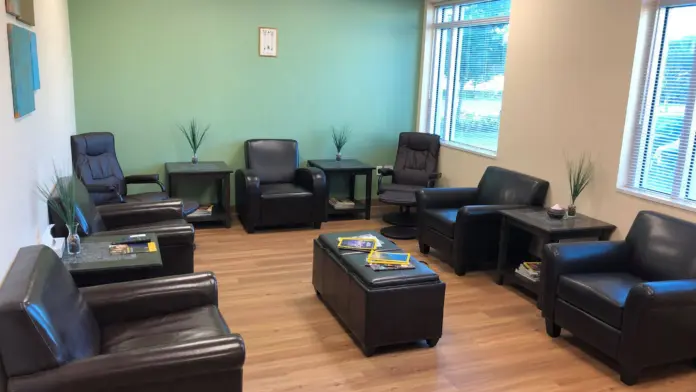
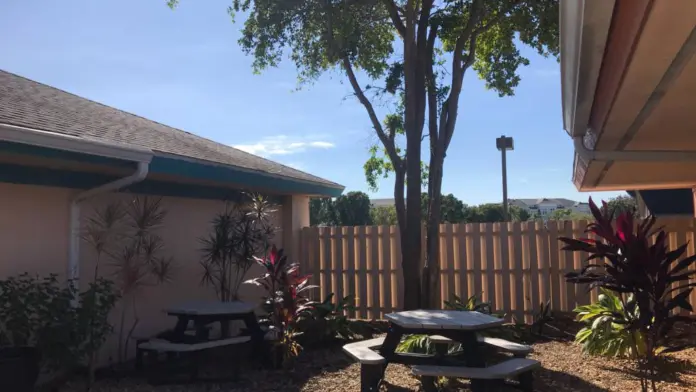
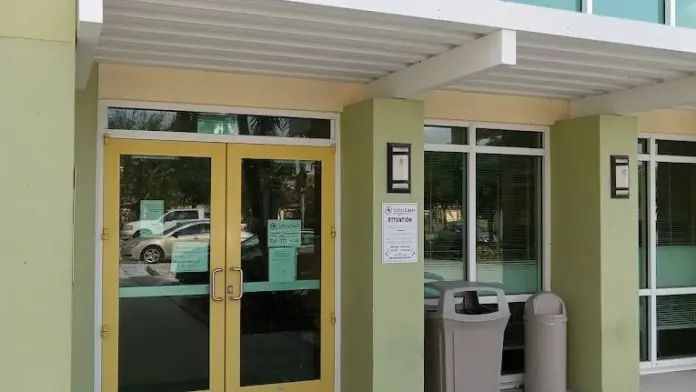
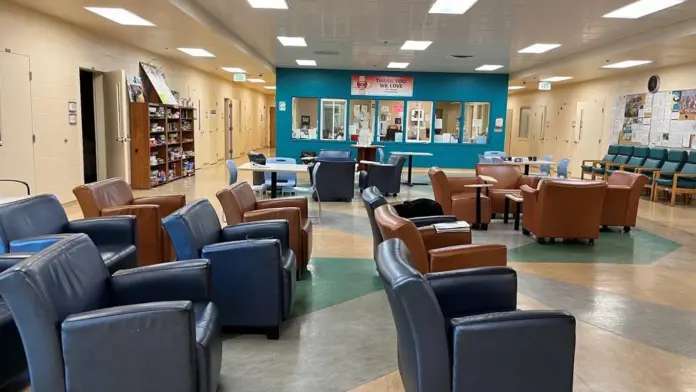
Accepted Insurance
Other Forms of Payment
Private insurance refers to any kind of healthcare coverage that isn't from the state or federal government. This includes individual and family plans offered by an employer or purchased from the Insurance Marketplace. Every plan will have different requirements and out of pocket costs so be sure to get the full details before you start treatment.
Self-pay involves paying for treatment out of your own pocket. You can use savings or credit, get a personal loan, or receive help from family and friends to fund your treatment. If you don't have insurance or your insurance plan doesn't cover a specific program, self-pay can help ensure you still get the care you need.
Sliding scale payments are based on a client's income and family size. The goal is to make treatment affordable to everyone. By taking these factors into account, addiction recovery care providers help ensure that your treatment does not become a financial burden to you or your family, eliminating one barrier to care.
Medicaid is a state based program that helps lower-income individuals and families pay for healthcare. Medicaid covers addiction treatment so those enrolled can use their coverage to pay for rehab. When a program accepts Medicaid the client often pays very little or nothing out of their own pocket.
Addiction Treatments
Levels of Care
Outpatient Therapy Services consist of voluntary therapy and counseling, in both individual and group settings, for those with a mental health or substance abuse diagnosis. Before beginning outpatient therapy, an assessment must be conducted to determine the appropriate level of care. After the assessment, a clinician will review your treatment options and work with you and your family to find the best possible option. Outpatient Therapy is provided at the Evans Campus, Ortiz Campus, and Cape Coral Campus.
Clients typically choose inpatient rehab when they are in early recovery or are experiencing a crisis that puts them at an increased risk of relapse. They reside at the treatment center for the length of their program, which may range from two weeks to more than 18 months, depending on the program design. Intensive psychotherapy is often the primary treatment modality, but clients in inpatient care may also receive holistic treatment and recovery-focused life skills training.
Intensive outpatient programs (IOP) involve frequent and robust therapeutic sessions for clients requiring high-level care. Clients may engage in a combination of medication assisted treatment (MAT), addiction counseling, recovery skills training, and holistic therapies for a minimum of nine and a maximum of 20 hours per week. Intensive outpatient rehab is designed primarily for persons in early recovery, those exiting detox or inpatient care, and those at an elevated relapse risk.
The TLC (Transitional Living Center) is a 16-bed co-ed substance abuse residential treatment program for adults utilizing an intensive, therapeutic and educational program, emphasizing individualized treatment. This program emphasizes family and other interpersonal relations, which are necessary for a healthy recovery. SalusCare residential treatment programs are also equipped to address co-occurring mental health diagnoses. For more information, contact the Transitional Living Campus.
Detoxification Services is an inpatient 29-bed facility, under the direction of a physician, and serves adults undergoing acute withdrawal from alcohol and/or drugs. Detoxification Services are available 24/7 in the only detoxification facility in Lee, Glades, and Hendry counties. Duration of care ranges from 3 to 10 days, depending upon the severity of the withdrawal symptoms. Our facility is located near a major hospital, which is available for any critical physical complications. Located at the SalusCare Evans Avenue Campus.
Treatments
The goal of treatment for alcoholism is abstinence. Those with poor social support, poor motivation, or psychiatric disorders tend to relapse within a few years of treatment. For these people, success is measured by longer periods of abstinence, reduced use of alcohol, better health, and improved social functioning. Recovery and Maintenance are usually based on 12 step programs and AA meetings.
Drug rehab in Florida provides quality treatment to help individuals overcome dependency related to a wide range of addictive substances. Programs address both the physical and mental aspects of addiction in order to help you make a full recovery.
Many of those suffering from addiction also suffer from mental or emotional illnesses like schizophrenia, bipolar disorder, depression, or anxiety disorders. Rehab and other substance abuse facilities treating those with a dual diagnosis or co-occurring disorder administer psychiatric treatment to address the person's mental health issue in addition to drug and alcohol rehabilitation.
A combined mental health and substance abuse rehab has the staff and resources available to handle individuals with both mental health and substance abuse issues. It can be challenging to determine where a specific symptom stems from (a mental health issue or an issue related to substance abuse), so mental health and substance abuse professionals are helpful in detangling symptoms and keeping treatment on track.
Opioid rehabs specialize in supporting those recovering from opioid addiction. They treat those suffering from addiction to illegal opioids like heroin, as well as prescription drugs like oxycodone. These centers typically combine both physical as well as mental and emotional support to help stop addiction. Physical support often includes medical detox and subsequent medical support (including medication), and mental support includes in-depth therapy to address the underlying causes of addiction.
Programs
Adult rehab programs include therapies tailored to each client's specific needs, goals, and recovery progress. They are tailored to the specific challenges adult clients may face, including family and work pressures and commitments. From inpatient and residential treatment to various levels of outpatient services, there are many options available. Some facilities also help adults work through co-occurring conditions, like anxiety, that can accompany addiction.
Young adulthood can be an exciting, yet difficult, time of transition. Individuals in their late teens to mid-20s face unique stressors related to school, jobs, families, and social circles, which can lead to a rise in substance use. Rehab centers with dedicated young adult programs will include activities and amenities that cater to this age group, with an emphasis on specialized counseling, peer socialization, and ongoing aftercare.
Clinical Services
Therapists who apply cognitive behavioral therapy in Florida believe patient thoughts and behaviors are closely linked. They use this treatment method to help clients change their thought patterns so they can also change behaviors and break free from substance abuse.
Group therapy provides a safe and supportive environment for people in Florida who are struggling with drug addiction. There you can openly discuss the challenges and progress you're making without fear of judgment from your peers who experience many of the same things you are.
In individual therapy, a patient meets one-on-one with a trained psychologist or counselor. Therapy is a pivotal part of effective substance abuse treatment, as it often covers root causes of addiction, including challenges faced by the patient in their social, family, and work/school life.
Amenities
-
 Residential Setting
 -
 Private Rooms
Staff & Accreditations
Staff
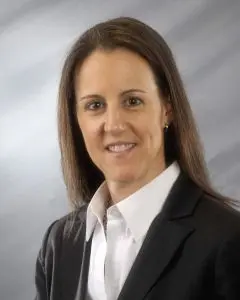
Stacey Cook, M.S.W., LCSW, CPNLP
President & CEO

Ronne Apicella, B.S.
VP & CFO
Zaheer Aslam, MD
VP & Chief Medical Officer
Mary Gray, B.S.
VP & Chief Human Resources Officer
Jessica Plazewski, M.A., LMHC, MCAP, CBHCMS
VP & COO
Debra Patterson, M.A., LMHC
VP Quality Management
Michelle Sutherland
Executive Administrator
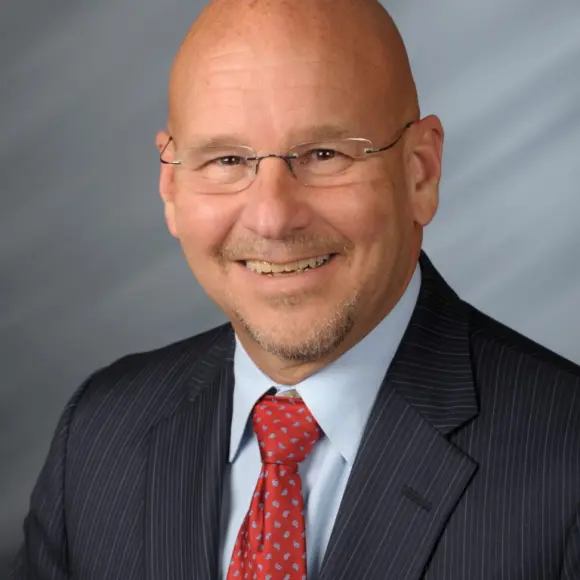
Marshall T. Bower, Esq
Chairman, BOD
Accreditations

The Commission on Accreditation of Rehabilitation Facilities (CARF) is a non-profit organization that specifically accredits rehab organizations. Founded in 1966, CARF's, mission is to help service providers like rehab facilities maintain high standards of care.
CARF Accreditation: Yes
Rehab.com regularly reviews this listing for accuracy but changes may occur between updates. For the most up-to-date information, please contact SalusCare.
Contact Information


3763 Evans Avenue
Fort Myers FL, 33901
Sponsored Helpline


