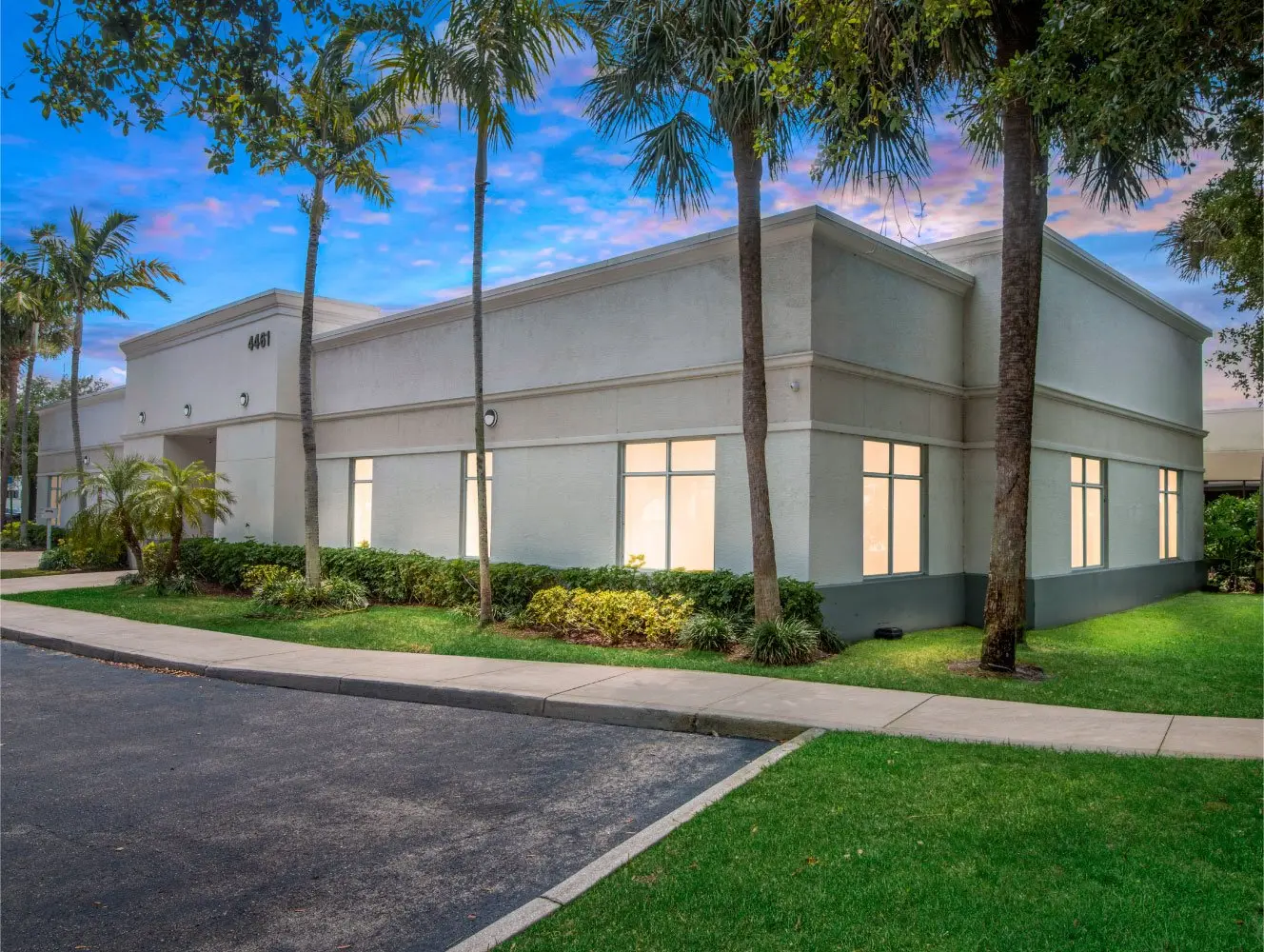
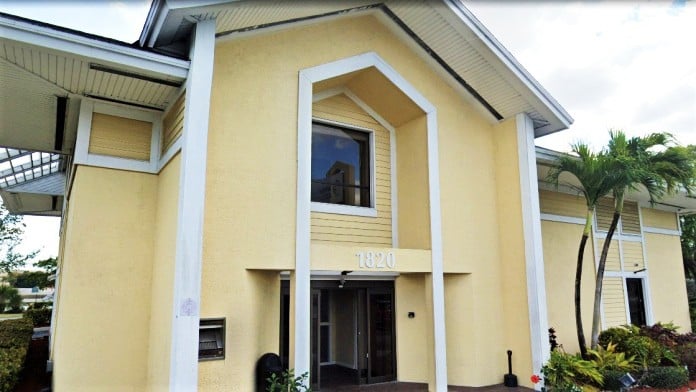
Seaside Wellness of Palm Beach provides substance use treatment for adults. The Palm Beach Shores, Florida center includes services for mental health conditions with gender-specific programming designed to address the unique recovery needs men and women often face. Clients describe the environment as healing and restorative, praising the staff for saving lives and restoring dignity.
Residential Detox Services
Seaside Wellness of Palm Beach provides residential detox treatment that allows guests to focus on withdrawal without outside interferences that can distract them from treatment. It also includes a structured setting so guests can have time to reflect and change negative thought patterns that may not be conducive to a sober lifestyle.
Including Flexible Options
As guests step down from residential care, they can transition to outpatient treatment. The clinical team uses individual and group therapy, trauma counseling, relapse prevention, and 12-step facilitation to support recovery.
Clients learn to address past traumas that may have led to substance abuse while developing healthy coping skills for the future. They may also work on anger management and stress reduction.
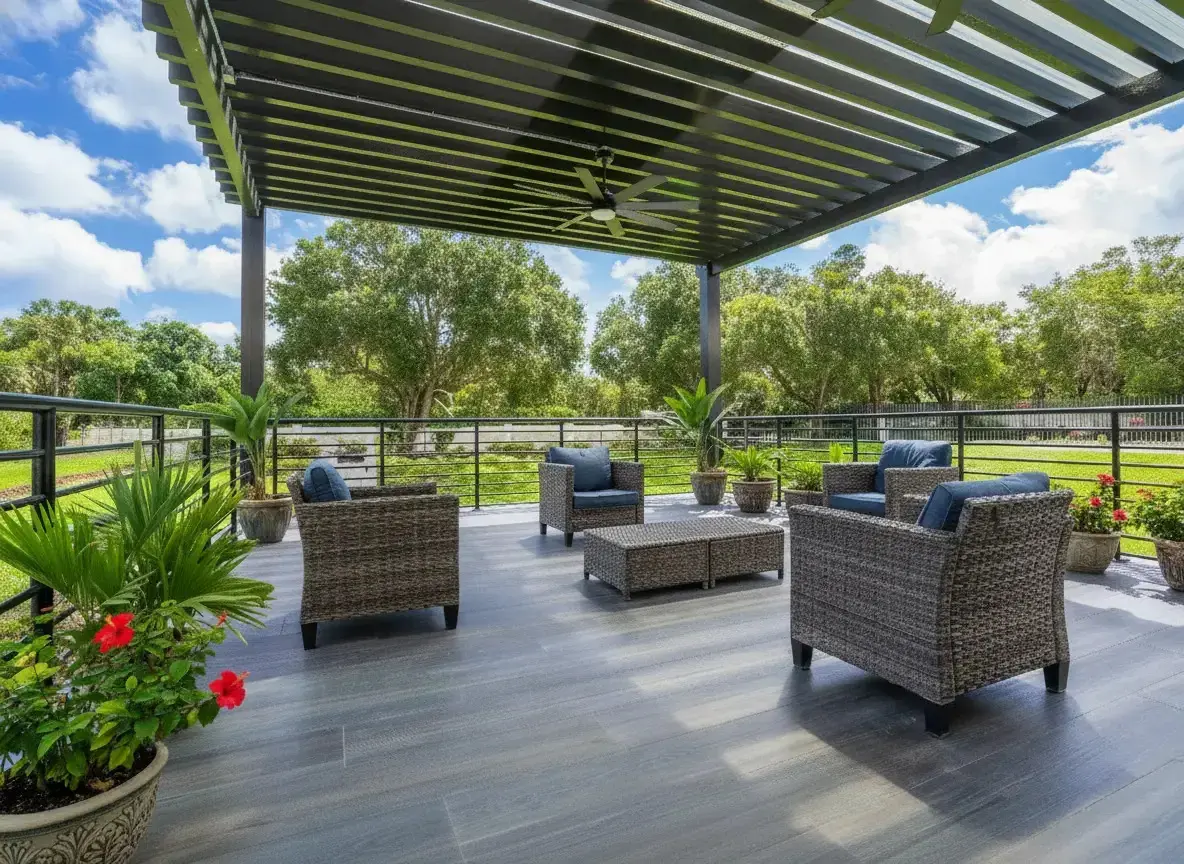
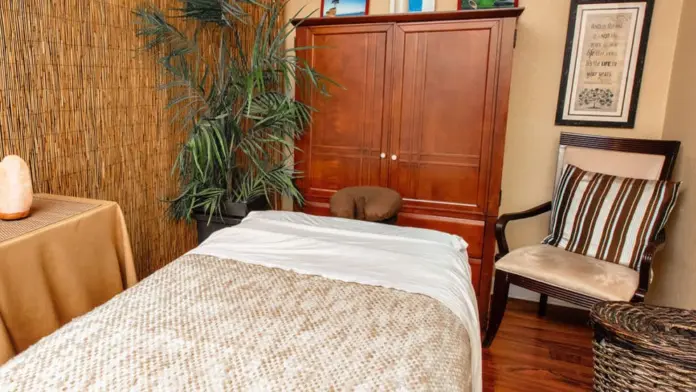
The center offers gender-specific programming tailored to the experiences and needs of men and women in recovery. The facility includes wellness-focused amenities such as a yoga studio and massage room, blending clinical care with holistic healing practices.
They accept private health insurance, including Aetna and Blue Cross Blue Shield.
Seaside saved my life. The techs here are absolutely amazing. The facilitator was well educated and actually cared. Everyone here made me feel welcomed. There are flaws in the program and we had some issues beyond our control, but I digress. If you’re struggling with mental health, this place and these people absolutely saved my life.
Response from the owner1 week ago
Mitchell, thank you so much for sharing your experience. We’re grateful to hear that our team made you feel welcomed, supported, and genuinely cared for during your time at Seaside. Your kind words about our techs and facilitators mean a great deal to us.
My experience at Seaside Wellness was better than I could have expected. The staff genuinely cared about me and made me feel supported throughout my time there. I came in feeling lost and left with hope, direction, and tools I can actually use moving forward. I’m very grateful for everyone who helped me.
Response from the owner1 week ago
Thank you so much, Kendall! We're so glad you felt supported here and that you left with real tools to build on. We'll be sure to share this with the team. Wishing you continued success in recovery!
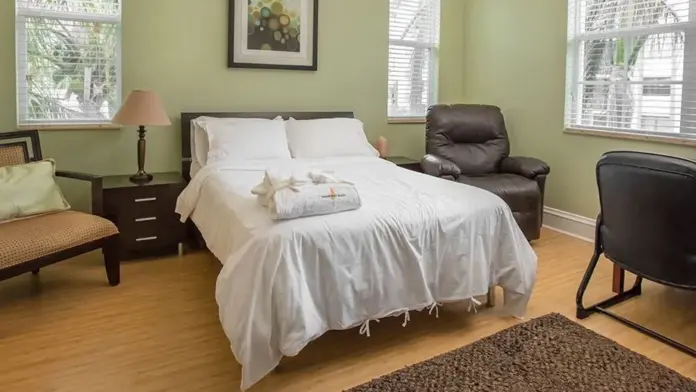
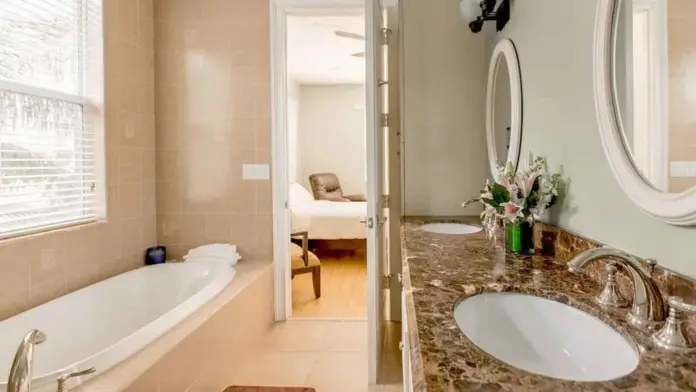
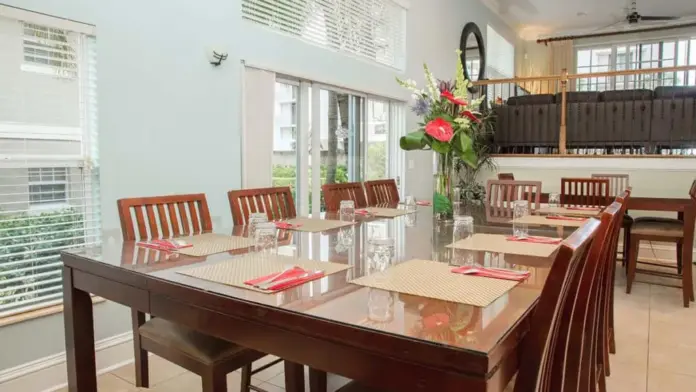
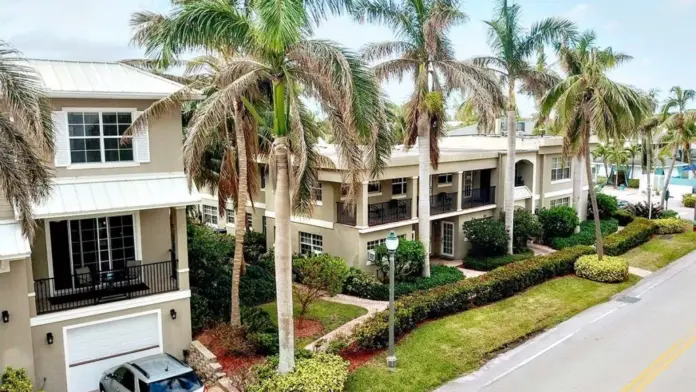
I was recently discharged from Seaside Wellness, and I truly couldn’t have chosen a better place to begin my recovery journey. The facility is beautiful, welcoming, and provides a comfortable environment where you can focus on healing.
The staff are amazing. A special thank you to David, my intake tech, who was incredibly understanding and patient from the moment I arrived. Collin, Gabby, Al, Davonte, and Ms. Janell made my experience so much more comfortable. Their conversations, encouragement, support, personal stories, and advice meant more to me than they probably realize.
Michael and Tim were also incredibly supportive and honest with me, which I appreciated even more because I needed that honesty during my recovery. Last but certainly not least, Kate, Brian, and Pastor C truly made a lasting impact on my life and changed the way I look at the world.
The only reason I’m giving 4 instead of 5 stars is because I was disappointed with the discharge follow-up care. The therapy referrals I received appeared to have been pulled from a Google search without much verification. One of the referrals ended up being for occupational therapy, which wasn’t what I needed. I’m still searching for a therapist who is the right fit.
Despite that, my experience at Seaside Wellness was life-changing, and I am incredibly grateful to everyone who played a part in my recovery. Thank you all for your kindness, compassion, and support. I will never forget the difference you made in my life.
Response from the owner1 week ago
Thank you for taking the time to share your thoughtful feedback. We truly appreciate your kind words and will be sure to share your recognition with our team. Feedback like yours helps us continually evaluate our processes and the experience we strive to provide. If you'd like to discuss your feedback further, please feel free to contact us at (866) 565-2148
Scoring is assigned by a proprietary system which helps surface key metrics that determine quality. The 10-point scale factors in categories such as operations, customer satisfaction, and trust metrics. Read Full Methodology
7 / 10
Gallery
Accepted Insurance
Please contact to verify your specific insurance provider.
Seaside Wellness of Palm Beach works with several private insurance providers, please contact to verify your specific insurance provider.
Private insurance refers to any kind of healthcare coverage that isn't from the state or federal government. This includes individual and family plans offered by an employer or purchased from the Insurance Marketplace. Every plan will have different requirements and out of pocket costs so be sure to get the full details before you start treatment.
Self-pay involves paying for treatment out of your own pocket. You can use savings or credit, get a personal loan, or receive help from family and friends to fund your treatment. If you don't have insurance or your insurance plan doesn't cover a specific program, self-pay can help ensure you still get the care you need.
Addiction Treatments
Levels of Care
Rehab aftercare programs are a collection of highly individualized services designed to promote long-term recovery. These services evolve as your needs change. Case managers and recovery teams typically begin formulating the rehab aftercare service plan early in the recovery process to facilitate your reintegration back into the home, workplace, and community.
Clients typically choose inpatient rehab when they are in early recovery or are experiencing a crisis that puts them at an increased risk of relapse. They reside at the treatment center for the length of their program, which may range from two weeks to more than 18 months, depending on the program design. Intensive psychotherapy is often the primary treatment modality, but clients in inpatient care may also receive holistic treatment and recovery-focused life skills training.
Intensive outpatient programs (IOP) involve frequent and robust therapeutic sessions for clients requiring high-level care. Clients may engage in a combination of medication assisted treatment (MAT), addiction counseling, recovery skills training, and holistic therapies for a minimum of nine and a maximum of 20 hours per week. Intensive outpatient rehab is designed primarily for persons in early recovery, those exiting detox or inpatient care, and those at an elevated relapse risk.
If a person with a substance use disorder continually denies their problem or refuses to get treatment, a drug intervention in Florida may be necessary. Intervention services can help mediate the intervention by providing an addiction expert. This professional can de-escalate situations and facilitate a healthier discussion between the individual and their loved ones. Specialists can also help families handle issues they don't know how to navigate on their own.
Outpatient rehabs encompass multiple levels of care to facilitate clients' progress through their recovery journey. Clients who are stepping down from inpatient treatment may require intensive outpatient (IOP) treatment, which involves more frequent and substantive therapeutic interventions than does standard outpatient care. Outpatient centers typically provide extensive addiction counseling, including individual, group, and family therapy. Medication assisted treatment programs (MAT) and recovery-focused life skills training are also common in outpatient care.
Often referred to as "day treatment," a partial hospitalization program (PHP) offers an intensive treatment option that allows individuals to return home at night. PHP treatment typically requires a minimum of 20 hours a week for an average of 90 days. Participants attend daily therapeutic sessions, receive medication management, and have access to skilled medical professionals. While costs can vary, most insurance will fully or partially cover a partial hospitalization program.
A sober living home in Florida often serves as a transitional residence for individuals coming out of inpatient rehab. This helps those in recovery avoid isolation that can sometimes happen after they return home from treatment. It offers a supportive environment where they can practice skills learned in rehab. Offering a combination of structure and freedom, men's or women's sober living is a good stepping stone to independent life in recovery.
Telehealth offers many benefits for Florida residents. It lets you see your healthcare provider from anywhere. This saves time because you don't have to travel to a doctor's office or take time off work to get there. It also provides more options, because you can choose health care specialists who are located far from you.
12 step programs support recovery through emotional, psychological, and spiritual development to address the root causes of addiction. These programs are peer directed, with participants regularly attending 12 step meetings, which are anonymous, free, and accessible day and night, year-round. Recovery is based on "working the steps" to understand the source of addiction, take accountability for one's life choices, and relinquish control for that which cannot be changed. Age-specific, gender-separate, and other specialized programs are widely available.
Treatments
When a person has alcohol use disorder (AUD), also referred to as alcoholism or alcohol addiction, they experience withdrawal symptoms when they stop drinking. This physical dependence results from overuse of alcohol, which may be used as a coping mechanism or escape. Individuals who have AUD can overcome the alcohol addiction through alcohol rehab in Florida. This treatment process involves essential therapy and supports to help the individual achieve and maintain recovery.
Drug rehab in Florida provides quality treatment to help individuals overcome dependency related to a wide range of addictive substances. Programs address both the physical and mental aspects of addiction in order to help you make a full recovery.
Mental Health And Substance Abuse
Opioid Addiction
In Florida, substance abuse treatment focuses on treating mental health and substance use disorders concurrently to improve recovery outcomes and overall health. Levels of care include medical detox, outpatient, residential treatment, and intensive outpatient programs. Clinicians utilize evidence-based therapies such as dialectical behavioral therapy (DBT) or medication-assisted treatment, group therapy, and skills training activities. This comprehensive approach to treatment helps to ensure sustained recovery.
Programs
Adult rehab programs include therapies tailored to each client's specific needs, goals, and recovery progress. They are tailored to the specific challenges adult clients may face, including family and work pressures and commitments. From inpatient and residential treatment to various levels of outpatient services, there are many options available. Some facilities also help adults work through co-occurring conditions, like anxiety, that can accompany addiction.
Men face specific challenges and concerns when seeking addiction treatment. Gender-specific recovery programs help them tackle these issues head-on in an environment that's focused, targeted, and distraction-free. It also gives them the opportunity to connect with and learn from other men who have been through a similar journey and can offer support for the next step.
Rehabs for women provide a safe, nurturing space for female clients to heal. These treatment programs consider the specific obstacles that women can face during recovery and place a special emphasis on mental, social, physical, and reproductive health. They explore how each woman's experience has shaped the trajectory of their substance use, addressing issues such as sexual abuse and past trauma.
Clinical Services
Therapists who apply cognitive behavioral therapy in Florida believe patient thoughts and behaviors are closely linked. They use this treatment method to help clients change their thought patterns so they can also change behaviors and break free from substance abuse.
Dialectical behavior therapy in Florida consists of individual therapy and group instruction. This structured program is a form of psychotherapy that incorporates the development of skills for managing emotions and relationships.
Individual therapy often includes Cognitive Behavioral Therapy. This is a structured approach to identifying and changing negative thought patterns. During therapy you learn how what you think drives your actions so you can develop healthier coping strategies to manage addiction triggers and reduce drug use.
During family therapy sessions, you navigate the complexities of addiction and are provided tools to help improve communication and resolve conflicts. When you work together, families can better support their loved one's recovery and restore balance and harmony within the household.
Group therapy provides a safe and supportive environment for people in Florida who are struggling with drug addiction. There you can openly discuss the challenges and progress you're making without fear of judgment from your peers who experience many of the same things you are.
Eye Movement Desensitization And Reprocessing
Recreational therapy helps you recover from addiction by giving you structured activities that promote your physical health and mental well being. These activities could range from sports and fitness to creative arts and provide a constructive outlet for your emotions and stress.
Equine Therapy
Amenities
Yoga Studio
Massage Room
Accreditations
The Joint Commission, formerly known as JCAHO, is a nonprofit organization that accredits rehab organizations and programs. Founded in 1951, the Joint Commision's mission is to improve the quality of patient care and demonstrating the quality of patient care.
Joint Commission Accreditation: Yes
Rehab.com regularly reviews this listing for accuracy but changes may occur between updates. For the most up-to-date information, please contact Seaside Wellness of Palm Beach.
I had a really positive experience at this treatment center. The staff were compassionate, professional, and truly cared about my recovery. The environment was clean, supportive, and made me feel safe throughout the process. I’m grateful for the help I received and would h ...
Read More
Great experience here!! Excellent programming for all types of mental health conditions. Caring clinical, nursing, and technical staff who have similar struggles. Good food to top it all off.
Response from the owner
Thank you for the kind words! We're so glad our clinical, nursing, and tech teams could support you, and that the food was a bonus. Wishing you all the best moving forward!
Michael Bryant Hardaway
5 days ago
5
Seaside Wellness helped me get my life back on track and my mental health under control. I can’t thank the staff enough for all they did for me.
Response from the owner
Thank you so much, Michael! We're glad our team could support you in getting back on track, and we'll be sure to share this with them. Wishing you continued strength moving forward!
Mitchell Aman
1 week ago
4
Seaside saved my life. The techs here are absolutely amazing. The facilitator was well educated and actually cared. Everyone here made me feel welcomed. There are flaws in the program and we had some issues beyond our control, but I digress. If you’re struggling with mental health, this place and these people absolutely saved my life.
Response from the owner
Mitchell, thank you so much for sharing your experience. We’re grateful to hear that our team made you feel welcomed, supported, and genuinely cared for during your time at Seaside. Your kind words about our techs and facilitators mean a great deal to us.
kendall wilks
3 weeks ago
5
My experience at Seaside Wellness was better than I could have expected. The staff genuinely cared about me and made me feel supported throughout my time there. I came in feeling lost and left with hope, direction, and tools I can actually use moving forward. I’m very grateful for everyone who helped me.
Response from the owner
Thank you so much, Kendall! We're so glad you felt supported here and that you left with real tools to build on. We'll be sure to share this with the team. Wishing you continued success in recovery!
By calling the helpline you agree to the terms of use. We do not receive any commission or fee that is dependent upon which treatment provider a caller chooses. There is no obligation to enter treatment.
Calls to numbers on a specific treatment center listing will be routed to that treatment center. Calls to any general helpline could be forwarded to SAMHSA or a verified treatment provider.
If you wish to connect with non-sponsor centers, you can browse top-rated listings, visit our homepage and browse by state, or visit SAMHSA.

 Sponsored Helpline











































































































 Yoga Studio
  Massage Room