




























































































Shawnee Mission leaks your personal info throughout the gossip the nurses do, not cool. Children are running in the hallways all the time. I always walked away completely confused after my therapies
About Shawnee Mission Medical Center
Shawnee Mission Medical Center offers inpatient, intensive outpatient, dual diagnosis treatment, and outpatient psychiatry services.
Inpatient treatment is for those who need continual monitoring during the beginning stages of treatment. The program offers individual, family, and group therapy, along with expressive therapy. Medication management, nutritional guidance, and spiritual support are also provided.
The intensive outpatient program at Shawnee Mission Medical Center provides evidence-based treatments with cognitive behavioral therapy, dialectical behavioral therapy, group therapy, and medication management. This level of care is best suited for those who either do not need to be inpatient or who are stepping down after inpatient treatment.
Those who need mental health treatment while receiving treatment for addiction are best supported through the dual diagnosis program. These services can be offered inpatient or outpatient, and provide care for both conditions at the same time.
The outpatient program at Shawnee Mission is for those dealing with mental health conditions. Meetings with a psychiatrist will take place on a regular basis.
Fact checked and written by:
Peter Lee, PhD
Edited by:
Quentin Blount
Facility Overview
 504
504 Number of Available Beds
Latest Reviews
A hidden gem!
Caring and competent staff who work for the best outcome for the patient.
Very professional and knowledgable. Very helpful and pleasant. Especially the check in spaces and waiting areas. Very efficient.
Response from the owner1 month ago
Helping people feel whole in body, mind, and spirit is why we’re here. We’re grateful you shared this review and that we could be part of your care! 
Rehab Score
 Our Methodology
Scoring is assigned by a proprietary system which helps surface key metrics that determine quality. The 10-point scale factors in categories such as operations, customer satisfaction, and trust metrics. Read Full Methodology

8.2 / 10
Gallery

Accepted Insurance
Other Forms of Payment
Medicaid is a state based program that helps lower-income individuals and families pay for healthcare. Medicaid covers addiction treatment so those enrolled can use their coverage to pay for rehab. When a program accepts Medicaid the client often pays very little or nothing out of their own pocket.
Private insurance refers to any kind of healthcare coverage that isn't from the state or federal government. This includes individual and family plans offered by an employer or purchased from the Insurance Marketplace. Every plan will have different requirements and out of pocket costs so be sure to get the full details before you start treatment.
Self-pay involves paying for treatment out of your own pocket. You can use savings or credit, get a personal loan, or receive help from family and friends to fund your treatment. If you don't have insurance or your insurance plan doesn't cover a specific program, self-pay can help ensure you still get the care you need.
Financial aid can take many forms. Centers may have grants or scholarships available to clients who meet eligibility requirements. Programs that receive SAMHSA grants may have financial aid available for those who need treatment as well. Grants and scholarships can help you pai for treatment without having to repay.
Medicare is a federal program that provides health insurance for those 65 and older. It also serves people under 65 with chronic and disabling health challenges. To use Medicare for addiction treatment you need to find a program that accepts Medicare and is in network with your plan. Out of pocket costs and preauthorization requirements vary, so always check with your provider.
 Monthly
Private insurance refers to any kind of healthcare coverage that isn't from the state or federal government. This includes individual and family plans offered by an employer or purchased from the Insurance Marketplace. Every plan will have different requirements and out of pocket costs so be sure to get the full details before you start treatment.
Addiction Treatments
Levels of Care
Shawnee Mission Medical Center’s Behavioral Health Unit is an inpatient program with two components - mental health stabilization and medical detoxification from addictive substances. For individuals needing crisis mental health stabilization services, they offer around the clock care to ensure that patients are safe and comfortable while they work with their team of specialized professionals to achieve stability and wellness.
Shawnee Mission Health's focus on addiction recovery is another component of the Behavioral Health Unit. For some individuals, the necessary first step to sobriety is detoxing from alcohol, drug and/or medication addictions in a safe and therapeutic environment. A comprehensive assessment will assist in determining what level of care is needed as some addictions can be safely treated in an outpatient setting. Shawnee Mission Health's blended team of medical professionals and addiction recovery therapists work hand in hand to provide patients not only with complete safety while detoxing but also recovery based groups and tools to begin building the important foundation of maintaining sobriety. Additionally, because they recognize the significance of an ongoing support system to achieve recovery, patients are offered a family meeting facilitated by a licensed therapist.
12-step programs are addiction recovery models based on Alcoholics Anonymous (AA). A number of substance abuse programs (including some drug and alcohol rehab centers) use the 12 steps as a basis for treatment. Beginning steps involve admitting powerlessness over the addiction and creating a spiritual basis for recovery. Middle steps including making direct amends to those who've been hurt by the addiction, and the final step is to assist others in addiction recovery in the same way. 12-Step offshoots including Narcotics Anonymous (NA), Cocaine Anonymous (CA), Dual Recovery Anonymous (DRA), Sex and Love Addicts Anonymous (SLAA) and Gamblers Anonymous (GA).
The Intensive Outpatient Program (IOP) at Shawnee Mission Medical Center combines best practice therapy with the proven effectiveness of small group support to build lasting recovery foundations for their patients. Not only do they patients receive coping skills, coaching and therapeutic support from a licensed clinical therapists, they also benefit from the power of pursuing wellness through a shared group experience. Additionally, Shawnee Mission Medical IOP patients receive medication management care from their team of experienced psychiatrists. In order to ensure that their patients receive the most effective and influential care, they offer three different focused IOP programs - Mental Health, Addiction Recovery, and Dual Diagnosis. The Mental Health Intensive Outpatient Program empowers patients to achieve wellness by providing a safe environment for processing emotions mindfully and teaching patients how to utilize coping skills based on Dialectical Behavioral Therapy and Cognitive Behavioral Therapy models. Licensed mental health therapists guide patients in cultivating healthy balance in activities and relationships while learning to cope with mental illness symptoms. Our patients build life-long mental health recovery skills that help them to overcome difficulties stemming from grief and loss, trauma, depression, anxiety and other mental illnesses.
Completing a drug or alcohol rehab program shouldn't spell the end of substance abuse treatment. Aftercare involves making a sustainable plan for recovery, including ongoing support. This can include sober living arrangements like halfway houses, career counseling, and setting a patient up with community programs like Alcoholics Anonymous (AA) or Narcotics Anonymous (NA).
Outpatient rehab physical therapy is designed for patients who are in need of physical therapy due to an injury or serious medical condition but are independent enough to receive these services while living at home. The focus of outpatient physical therapy is helping people improve their mobility and quality of life, so they can get back to daily activities. Visits tend to be between 40 and 60 minutes, with additional exercises that a patient can do at home. An outpatient physical therapy clinic may also offer other services such as aquatic therapy, biofeedback, massage, and more.
Treatments
The Dual Diagnosis Intensive Outpatient Program brings restorative care to individuals suffering from both mental illness and substance abuse issues. Leading research reveals that for some individuals, stand-alone mental health or addiction recovery treatment is at best, incomplete, and therefore we offer a comprehensive recovery program uniquely tailored for dually diagnosed patients. Our therapists will assist patients in understanding how substance abuse adversely affects mental health and how self-medication of mental illness may lead to addiction issues. Patients will become empowered through processing and skill building to pursue holistic recovery and wellness.
A combined mental health and substance abuse rehab has the staff and resources available to handle individuals with both mental health and substance abuse issues. It can be challenging to determine where a specific symptom stems from (a mental health issue or an issue related to substance abuse), so mental health and substance abuse professionals are helpful in detangling symptoms and keeping treatment on track.
A person with alcoholism, also known as alcohol use disorder (AUD), is unable to stop drinking despite experiencing negative consequences. They continue to drink, even if it causes problems at home or work. When an individual becomes dependent on alcohol, expert intervention is often necessary to recover. Psychological, social, and medical supports are available at alcohol rehab in Kansas which makes long-term recovery possible.
The length, intensity, setting, and treatment methods vary for each drug rehab in Kansas. Plans of care can be tailored to meet each person's own unique situation and needs. With the right program, individuals can successfully achieve long-term sobriety.
 Opioid Addiction
Programs
Adult rehab programs include therapies tailored to each client's specific needs, goals, and recovery progress. They are tailored to the specific challenges adult clients may face, including family and work pressures and commitments. From inpatient and residential treatment to various levels of outpatient services, there are many options available. Some facilities also help adults work through co-occurring conditions, like anxiety, that can accompany addiction.
Young adulthood can be an exciting, yet difficult, time of transition. Individuals in their late teens to mid-20s face unique stressors related to school, jobs, families, and social circles, which can lead to a rise in substance use. Rehab centers with dedicated young adult programs will include activities and amenities that cater to this age group, with an emphasis on specialized counseling, peer socialization, and ongoing aftercare.
Clinical Services
Cognitive Behavioral Therapy (CBT) is a therapy modality that focuses on the relationship between one's thoughts, feelings, and behaviors. It is used to establish and allow for healthy responses to thoughts and feelings (instead of unhealthy responses, like using drugs or alcohol). CBT has been proven effective for recovering addicts of all kinds, and is used to strengthen a patient's own self-awareness and ability to self-regulate. CBT allows individuals to monitor their own emotional state, become more adept at communicating with others, and manage stress without needing to engage in substance abuse.
Dialectical Behavior Therapy (DBT) is a modified form of Cognitive Behavioral Therapy (CBT), a treatment designed to help people understand and ultimately affect the relationship between their thoughts, feelings, and behaviors. DBT is often used for individuals who struggle with self-harm behaviors, such as self-mutilation (cutting) and suicidal thoughts, urges, or attempts. It has been proven clinically effective for those who struggle with out-of-control emotions and mental health illnesses like Borderline Personality Disorder.
The Electroconvulsive Therapy Program (ECT) at Shawnee Mission Medical Center provides an alternative and effective treatment option for individuals suffering from depression, bipolar and other psychiatric disorders. ECT is a procedure performed by a specialized psychiatrist where an electrical impulse is used to stimulate the brain causing changes in brain chemistry while quickly reversing symptoms of certain mental illnesses. Studies reveal that ECT is a highly therapeutic treatment option particularly for individuals that are not improving with medications and therapy alone. Shawnee Mission Health's ECT patients are thoroughly assessed for progress and medically monitored throughout the course of treatment. On average, a patient will receive ECT treatments two to three times a week for a total of 10-12 treatments. Additionally we offer ongoing maintenance treatments to help prevent a relapse of mental illness symptoms.
Experiential therapy is a form of therapy in which clients are encouraged to surface and work through subconscious issues by engaging in real-time experiences. Experiential therapy departs from traditional talk therapy by involving the body, and having clients engage in activities, movements, and physical and emotional expression. This can involve role-play or using props (which can include other people). Experiential therapy can help people process trauma, memories, and emotion quickly, deeply, and in a lasting fashion, leading to substantial and impactful healing.
Research clearly demonstrates that recovery is far more successful and sustainable when loved ones like family members participate in rehab and substance abuse treatment. Genetic factors may be at play when it comes to drug and alcohol addiction, as well as mental health issues. Family dynamics often play a critical role in addiction triggers, and if properly educated, family members can be a strong source of support when it comes to rehabilitation.
Group therapy is any therapeutic work that happens in a group (not one-on-one). There are a number of different group therapy modalities, including support groups, experiential therapy, psycho-education, and more. Group therapy involves treatment as well as processing interaction between group members.
In individual therapy, a patient meets one-on-one with a trained psychologist or counselor. Therapy is a pivotal part of effective substance abuse treatment, as it often covers root causes of addiction, including challenges faced by the patient in their social, family, and work/school life.
Life skills trainings involve all the skills a person must have in order to function successfully in the world. These include time management, career guidance, money management, and effective communication. Truly successful addiction recovery is based on the ability to not only live substance-free, but to thrive. Life skills teaches the practical necessities of functioning in society, which sets clients up for success in life, and therefore sobriety.
Nutrition therapy, aka medical nutrition therapy (MNT), is a way of treating physical, emotional, and medical conditions through diet. Specific dietary plans are designed by professional nutritionists or registered dietitians, and patients follow them in order to positively affect their physical and mental health.
Trauma therapy addresses traumatic incidents from a client's past that are likely affecting their present-day experience. Trauma is often one of the primary triggers and potential causes of addiction, and can stem from child sexual abuse, domestic violence, having a parent with a mental illness, losing one or both parents at a young age, teenage or adult sexual assault, or any number of other factors. The purpose of trauma therapy is to allow a patient to process trauma and move through and past it, with the help of trained and compassionate mental health professionals.
Amenities
-
 Private Setting
 -
 Yoga Studio
 -
 WiFi
WiFi
Staff & Accreditations
Staff

Dr. Alan Verrill, MD
CEO
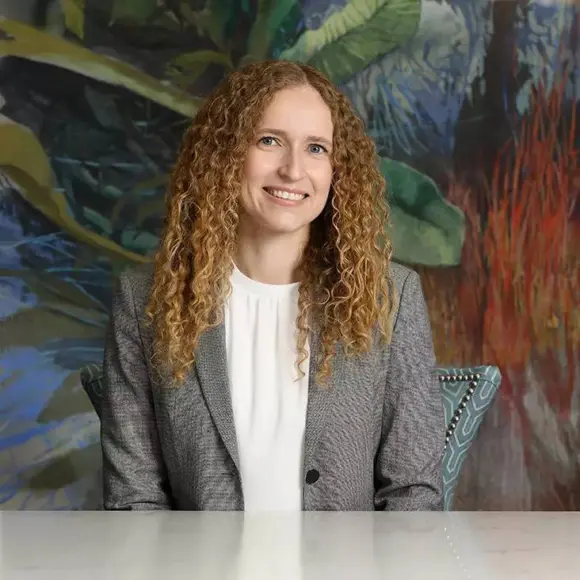
Mairilise Pothin Owen
CFO

Daniel Fontoura
COO

Dr.Lisa Hays, MD
Chief Medical Officer
Accreditations

The Joint Commission, formerly known as JCAHO, is a nonprofit organization that accredits rehab organizations and programs. Founded in 1951, the Joint Commision's mission is to improve the quality of patient care and demonstrating the quality of patient care.
Joint Commission Accreditation: Yes
Rehab.com regularly reviews this listing for accuracy but changes may occur between updates. For the most up-to-date information, please contact Shawnee Mission Medical Center.
Contact Information

9100 West 74th Street
Overland Park, KS 66204
Get Help Now - 913-363-0419
Sponsored Helpline
Sponsored Helpline


