





























































































About Sol Recovery Community
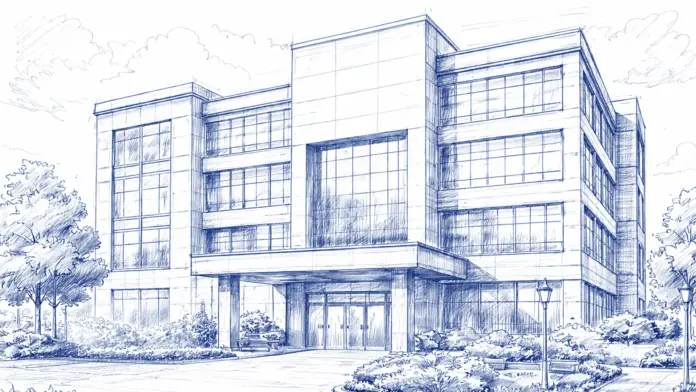
Sol Recovery Community is located in Woods Cross, Utah and offers outpatient addiction and mental health treatment services. The facility is conveniently close to I-15 (Veterans Memorial Highway) and a quick walk to Washington Park.
You can pay for treatment services with most major health insurance plans. They also accept Medicaid for qualifying clients. The program is for adults 18 and over.
Empowering Addiction Treatment
The organization focuses on a whole person approach, not just treating addiction symptoms. One clinician noted, “We believe in empowering our clients to rediscover their strength and hope through a community-based approach.”
The clinicians offer culturally sensitive treatment. All clients are welcome, including those in the LGBTQIA+ community. For Spanish speaking clients, they provide treatment services in Spanish.
Sense of Community
Clients have noted the nonjudgmental and compassionate staff. Testimonials have highlighted the individualized care and strong sense of community that have led to successful recovery journeys.
The staff focuses on restoring dignity and hope to their clients through the recovery journey. Building connections and peer support are foundational elements of the program.

Rehab Score
 Our Methodology


Location
Other Forms of Payment
Private insurance refers to any kind of healthcare coverage that isn't from the state or federal government. This includes individual and family plans offered by an employer or purchased from the Insurance Marketplace. Every plan will have different requirements and out of pocket costs so be sure to get the full details before you start treatment.
Self-pay involves paying for treatment out of your own pocket. You can use savings or credit, get a personal loan, or receive help from family and friends to fund your treatment. If you don't have insurance or your insurance plan doesn't cover a specific program, self-pay can help ensure you still get the care you need.
Addiction Treatments
Levels of Care
Outpatient rehab programs enable clients to integrate addiction treatment with their routine work and home life. Many facilities offer virtual services and evening, night, and weekend sessions to accommodate clients' schedules. Outpatient care typically includes rigorous psychotherapy, including group and family counseling. Most programs also prioritize addiction education and recovery-focused life skills training. Medication assisted treatment (MAT) is common for clients with alcohol and/or opioid dependency.
Clients often choose to enter intensive outpatient programs (IOP) when they exit inpatient rehab. Others turn to IOP as an alternative to hospitalization. Intensive outpatient rehabs offer high-level care for clients in early recovery and those at an elevated risk of relapse, typically requiring them to commit to between nine and 20 hours of treatment per week. The most prevalent treatment modalities include psychotherapy, recovery education, medication assisted treatment (MAT), and holistic therapies, such as meditation.
A partial hospitalization program (PHP) offers intensive treatment to those with moderate to severe addictions while allowing them to return home. It is often an alternative to inpatient hospitalization and a "step-down" option from residential programs. PHP treatment is tailored to your needs and lasts an average of 90 days. Weekly sessions are up to 8 hours for 5 days a week and can include relapse prevention, medication management, and behavioral therapy services. The cost of PHP treatment varies but is often fully or partially covered by providers.
Treatments
Professional addiction treatment at an alcohol rehab in Utah can help people struggling with alcohol use disorder. This disorder occurs when someone becomes psychologically or physically dependent on alcohol. During treatment, individuals undergo detox to safely withdraw from alcohol. Then, they participate in a customized treatment plan that uses behavioral therapies and support systems to help them move forward in recovery.
When you enter a drug rehab in Utah, the process usually involves four stages: treatment initiation, early abstinence, maintaining abstinence, and advanced recovery. Treatment methods can rely on medications, counseling, or both, in either an outpatient or inpatient setting.
 Opioid Addiction
Clinical Services
During individual therapy, men and women in Utah work with their therapists to build healthier daily habits and create coping strategies to manage stress. These are two components necessary for sustained sobriety and improved overall health.
Community building is an important aspect of group therapy sessions in Utah. The sense of community building among participants encourages more transparent sharing of experiences in a judgment free environment. You create strong bonds with the people in your group that support your journey to recovery.
Rehab.com regularly reviews this listing for accuracy but changes may occur between updates. For the most up-to-date information, please contact Sol Recovery Community.
Contact Information


512 W 750 S Ste A, Woods Cross, UT 84010
Sponsored Helpline



