






























































































Brooke , counselor is the best. She has always went far and beyond.this place saved my life! I really needed help and they were always there,even when I was wrong,they always helped me. I'd say to anyone,go go go
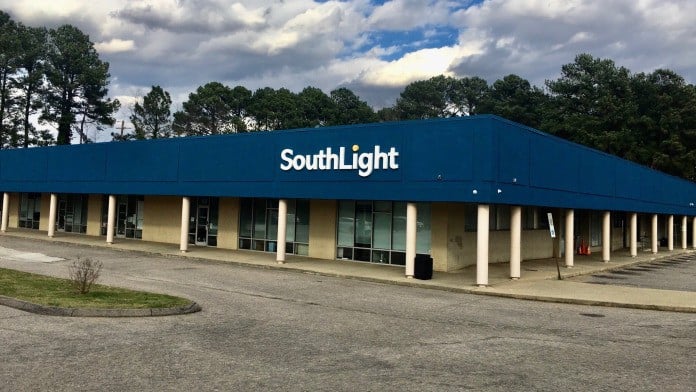
About SouthLight Healthcare
They offer outpatient individual and group counseling in an office setting. They use an evidence based approach and a healing relationship to help you gain the knowledge and skills you need to deal with mental health and substance use issues that are preventing you from living your best life at the moment. Medication assisted treatment (MAT) is offered alongside support and counseling for opioid use treatment. Ongoing assistance with medication administration in the clinic is provided by a medication prescriber and nursing staff. Pregnant women and women with children aged three months to 11 years can receive treatment through the women and children’s residential program.
For those who require additional time and assistance in maintaining their recovery they offer an intensive outpatient program (IOP) for substance use. Members engage in group, individual and family counseling as well as case management services for up to nine hours per week. The focus of treatment is to help clients develop the skills, knowledge and behaviors necessary to maintain recovery objectives. Treatment typically lasts for three months.
A community based multidisciplinary team is available through their community support team for individuals who are having difficulty accessing traditional outpatient services. Their assertive community treatment team provides a multidisciplinary team rooted in the community for individuals with severe and ongoing mental health issues.
Peer support services can be provided independently or in conjunction with other services. As they accompany you on your recovery path, certified peer specialists provide shared life experiences in substance use and mental health recovery.
In lieu of traditional prosecution, they offer substance use assessment and education to clients accused of drug and alcohol offenses. These services allow participants to have their charges dismissed.
Latest Reviews
Working with "Jae" is becoming a dream come true. She has a great personality, she dots i and crosses the t every time and is a great communicator. As a peer support specialist she really does an excellent job at taking the stress and anxiety out of the situation at hand. Working in conjunction with the TCL (Transition to Community Living) Program she was able to help me get my very own apartment, that I just moved into yesterday. It means everything to me because this time last year I was homeless, an amputee and I felt hopeless. I just want to say to anyone going through anything similar or even worse don't give up on yourself nor the process. Be faithful, patient, kind and allow life to work out in your favor. Working with SouthLight is becoming a dream come true. Just do your part and stay consistent.
Response from the owner3 weeks ago
We want to thank you for taking the time to share these kind words! We work hard to make a difference and appreciate you supporting other's with your post here! We take all feedback as helpful!
I cannot think this place enough for saving my life.Dr Ben is the most caring professional really wanting to help doctors I’ve ever seen. This place has gotten so much better in the last six years. It’s like night and day difference and I cannot express enough how I love the employees each and every nurse knows all about me they are so friendly and they’re there to help you too and get you through it. I got to give a shout out to Toya Mika Michelle Athena Felicia these are the nurses that you get your dose at the windows. I have to say every time I go in there they are always smiling and happy now how many places can you say is like that. I can go early in the morning or later on in the afternoon every single time for six years they have always been smiling and caring not once has anybody just filled up my bottles and not said nothing and mad. I definitely can’t leave this guy out Shaun Thompson I fell in love with my first counselor there, Miss Charon, and when I found out she was leaving I was truly sad. I really loved her a lot. I still do. I still tell her Merry Christmas and everything I got lucky though they gave me Shaun and my name is Shaun too so I guess that was a sign. He has truly got me through some tough times.I don’t understand why they don’t have five stars reviews, but it is impossible to satisfy everybody so I always look at it like that because they couldn’t be no kinder and helpful people than the people that work there. So if you read this, you know, I truly recommend going to Southlight they will help you.
Response from the owner3 weeks ago
Thank you for this kind rating! We work hard to provide the highest quality of care and want to remain humble and open to any feedback that helps us to continue! Thank you also for seeking to encourage people with your words here.
Wonderful place to get Opiod addiction treatments, have meetings daily and provide EXCELLENT mental health services as well!
Response from the owner3 weeks ago
Thank you for your positive feedback! We are committed to providing the best care possible and are glad to know that our services made a difference. 
Rehab Score
 Our Methodology
Scoring is assigned by a proprietary system which helps surface key metrics that determine quality. The 10-point scale factors in categories such as operations, customer satisfaction, and trust metrics. Read Full Methodology

8.1 / 10
Gallery
Accepted Insurance
Other Forms of Payment
Private insurance refers to any kind of healthcare coverage that isn't from the state or federal government. This includes individual and family plans offered by an employer or purchased from the Insurance Marketplace. Every plan will have different requirements and out of pocket costs so be sure to get the full details before you start treatment.
Self-pay involves paying for treatment out of your own pocket. You can use savings or credit, get a personal loan, or receive help from family and friends to fund your treatment. If you don't have insurance or your insurance plan doesn't cover a specific program, self-pay can help ensure you still get the care you need.
Financial aid can take many forms. Centers may have grants or scholarships available to clients who meet eligibility requirements. Programs that receive SAMHSA grants may have financial aid available for those who need treatment as well. Grants and scholarships can help you pai for treatment without having to repay.
Sliding scale payments are based on a client's income and family size. The goal is to make treatment affordable to everyone. By taking these factors into account, addiction recovery care providers help ensure that your treatment does not become a financial burden to you or your family, eliminating one barrier to care.
Medicare is a federal program that provides health insurance for those 65 and older. It also serves people under 65 with chronic and disabling health challenges. To use Medicare for addiction treatment you need to find a program that accepts Medicare and is in network with your plan. Out of pocket costs and preauthorization requirements vary, so always check with your provider.
Medicaid is a state based program that helps lower-income individuals and families pay for healthcare. Medicaid covers addiction treatment so those enrolled can use their coverage to pay for rehab. When a program accepts Medicaid the client often pays very little or nothing out of their own pocket.
Addiction Treatments
Levels of Care
Outpatient Programs (OP) are for those seeking mental rehab or drug rehab, but who also stay at home every night. The main difference between outpatient treatment (OP) and intensive outpatient treatment (IOP) lies in the amount of hours the patient spends at the facility. Most of the time an outpatient program is designed for someone who has completed an inpatient stay and is looking to continue their growth in recovery. Outpatient is not meant to be the starting point, it is commonly referred to as aftercare.
Drug and alcohol addiction often takes a heavy toll on one's body. Over time, a physical dependence can develop, meaning the body physiologically needs the substance to function. Detox is the process of removing drugs and/or alcohol from the body, a process that can be lethal if mismanaged. Medical detox is done by licensed medical professionals who monitor vital signs and keep you safe, healthy, and as comfortable as possible as you go through detox and withdrawal.
Intensive Outpatient Programs (IOP) are for those who want or need a very structured treatment program but who also wish to live at home and continue with certain responsibilities (such as work or school). IOP substance abuse treatment programs vary in duration and intensity, and certain outpatient rehab centers will offer individualized treatment programs.
Residential treatment programs are those that offer housing and meals in addition to substance abuse treatment. Rehab facilities that offer residential treatment allow patients to focus solely on recovery, in an environment totally separate from their lives. Some rehab centers specialize in short-term residential treatment (a few days to a week or two), while others solely provide treatment on a long-term basis (several weeks to months). Some offer both, and tailor treatment to the patient's individual requirements.
Completing a drug or alcohol rehab program shouldn't spell the end of substance abuse treatment. Aftercare involves making a sustainable plan for recovery, including ongoing support. This can include sober living arrangements like halfway houses, career counseling, and setting a patient up with community programs like Alcoholics Anonymous (AA) or Narcotics Anonymous (NA).
12 step programs are based on a model of life-long recovery and are rooted in peer support and spiritual development. Regular attendance at 12 step meetings is the cornerstone of treatment, as is the selection of a peer sponsor to guide participants through the steps of recovery. These steps are based on non-denominational spiritual principles and are designed to foster self-awareness, forgiveness, acceptance, and accountability. Specialized programs are widely available, including programs for teens, seniors, and families.
Treatments
Opioid rehabs specialize in supporting those recovering from opioid addiction. They treat those suffering from addiction to illegal opioids like heroin, as well as prescription drugs like oxycodone. These centers typically combine both physical as well as mental and emotional support to help stop addiction. Physical support often includes medical detox and subsequent medical support (including medication), and mental support includes in-depth therapy to address the underlying causes of addiction.
Substance rehabs focus on helping individuals recover from substance abuse, including alcohol and drug addiction (both illegal and prescription drugs). They often include the opportunity to engage in both individual as well as group therapy.
Alcohol use disorder, commonly called alcoholism, involves an inability to control the amount or frequency you drink and feeling withdrawal symptoms when you don't drink. Treatment for alcohol addiction may involve residential or outpatient alcohol rehab in North Carolina, counseling, or 12-step programs. Typically, some form of professional treatment and support is necessary to achieve long-term recovery.
There are many types of drug rehab in North Carolina. To receive treatment for addiction, you can choose from many inpatient and outpatient programs. Often, participants start with detox and work through a full continuum of care that continues with ongoing support for long-term recovery.
In North Carolina, dual-diagnosis addiction treatment programs focus on providing integrated care for individuals with co-occurring substance use disorders and mental health diagnoses. You can generally expect a range of programs, including intensive outpatient, inpatient residential, and partial hospitalization options. Therapies like cognitive-behavioral therapy (CBT), dialectical behavior therapy (DBT), trauma-informed therapy, and family therapy address both disorders and promote mental health and well-being, giving you the tools to sustain long-term recovery.
Drug and alcohol rehab programs that simultaneously treat mental health disorders are known as dual diagnosis centers. The specialized programs recognize that mental health conditions affect the whole person - physical, emotional, and spiritual. That's why mental health is at the center of many different dual diagnosis therapies, including individual and group therapy, cognitive behavioral therapy (CBT), trauma therapy, family support therapy, and more.
Programs
Adult rehab programs include therapies tailored to each client's specific needs, goals, and recovery progress. They are tailored to the specific challenges adult clients may face, including family and work pressures and commitments. From inpatient and residential treatment to various levels of outpatient services, there are many options available. Some facilities also help adults work through co-occurring conditions, like anxiety, that can accompany addiction.
Young adulthood can be an exciting, yet difficult, time of transition. Individuals in their late teens to mid-20s face unique stressors related to school, jobs, families, and social circles, which can lead to a rise in substance use. Rehab centers with dedicated young adult programs will include activities and amenities that cater to this age group, with an emphasis on specialized counseling, peer socialization, and ongoing aftercare.
Recovery is most successful when clients feel accepted and validated by their peers and treatment providers. Facilities that offer LGBTQ-inclusive programming are committed to creating a safe space where everyone can grow and recover without fear of judgment or discrimination. They will have dedicated policies in place to create a safe and supportive environment that fosters free expression.
Serving in the military is both mentally and physically challenging, and can result in trauma that persists even after combat ends. Military programs are tailored to the specific and often complex needs of active duty personnel, veterans, and military families. Clients often access these programs through the U.S. Department of Veterans Affairs (VA).
The postpartum period is a sensitive time, especially for women in addiction recovery. Rehabs with specialized programs for new mothers will offer compassionate, personalized care to meet each client's needs as they transition from pregnancy to this season of life. Care teams may include obstetricians, pediatricians, and social workers working collaboratively to give women, children, and families a healthy future.
Clinical Services
Dialectical Behavior Therapy (DBT) is a modified form of Cognitive Behavioral Therapy (CBT), a treatment designed to help people understand and ultimately affect the relationship between their thoughts, feelings, and behaviors. DBT is often used for individuals who struggle with self-harm behaviors, such as self-mutilation (cutting) and suicidal thoughts, urges, or attempts. It has been proven clinically effective for those who struggle with out-of-control emotions and mental health illnesses like Borderline Personality Disorder.
Research clearly demonstrates that recovery is far more successful and sustainable when loved ones like family members participate in rehab and substance abuse treatment. Genetic factors may be at play when it comes to drug and alcohol addiction, as well as mental health issues. Family dynamics often play a critical role in addiction triggers, and if properly educated, family members can be a strong source of support when it comes to rehabilitation.
Group therapy is any therapeutic work that happens in a group (not one-on-one). There are a number of different group therapy modalities, including support groups, experiential therapy, psycho-education, and more. Group therapy involves treatment as well as processing interaction between group members.
In individual therapy, a patient meets one-on-one with a trained psychologist or counselor. Therapy is a pivotal part of effective substance abuse treatment, as it often covers root causes of addiction, including challenges faced by the patient in their social, family, and work/school life.
Life skills trainings involve all the skills a person must have in order to function successfully in the world. These include time management, career guidance, money management, and effective communication. Truly successful addiction recovery is based on the ability to not only live substance-free, but to thrive. Life skills teaches the practical necessities of functioning in society, which sets clients up for success in life, and therefore sobriety.
Clients who receive cognitive behavioral therapy in North Carolina typically attend five to 20 sessions. During this time, they work with their therapist to learn healthier patterns of thinking, which can help them change their behavior related to substance use.
If you're struggling with insecurity about your ability to make changes in your life, motivational interviewing in North Carolina could be a good solution. This type of therapy offers support and empowerment to help you explore your options and decide how to move forward with positive changes.
Trauma therapy helps you reclaim your life after experiencing or witnessing a traumatic event. Therapists help to process these memories, which promotes emotional healing and reduces anxiety in social situations. This improves your overall well being and increases your self confidence.
Amenities
-
 Private Setting
Accreditations

The Commission on Accreditation of Rehabilitation Facilities (CARF) is a non-profit organization that specifically accredits rehab organizations. Founded in 1966, CARF's, mission is to help service providers like rehab facilities maintain high standards of care.
CARF Accreditation: Yes

The Substance Abuse and Mental Health Services Administration (SAMHSA) is a branch of the U.S. Department of Health and Human Services. Established in 1992 by congress, SAMHSA's mission is to reduce the impact of substance abuse and mental illness on American's communities.
SAMHSA Listed: Yes
Rehab.com regularly reviews this listing for accuracy but changes may occur between updates. For the most up-to-date information, please contact SouthLight Healthcare.
Contact Information

2101 Garner Road
Raleigh, NC 27610
Get Help Now - 984-266-0532
Sponsored Helpline
Sponsored Helpline



