The people here are nice, but I have been here waiting for hours to be seen. This group of highly trained professionals has never really been able quite to figure out that they need more staff to provide a better service, the lack of staff makes that the emergency services d ...
About Aspirus St. Luke’s Behavioral Health Clinic
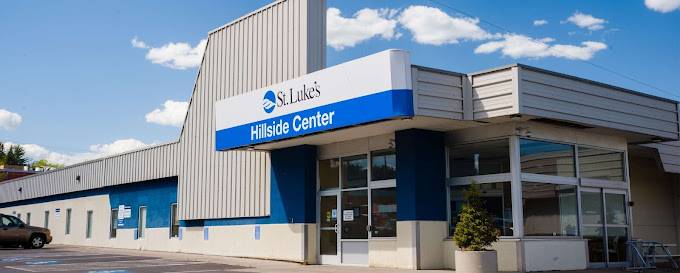
Aspirus St. Luke’s Behavioral Health Clinic is located in Duluth, Minnesota. The have an extensive array of behavioral health services, focussing mainly on mental health for children, adolescents, adults. All services require a referral.
While this location doesn’t treat substance use disorder directly, the Aspirus Health network has several other locations that do. St Luke’s is able to provide referrals to dedicated addiction treatment programs in the area.
Quality Addiction Treatment Referrals
St. Luke’s makes it easier for you to get treatment for substance use disorder because they have extensive connections and insight into the different types of treatment available. They can swiftly connect you with nearby centers that match your needs. They can also coordinate your mental health and other health care at this location with their addiction treatment centers.
They have two Duluth centers that offer their Healthy Mom Safe Baby Program – a program designed to help pregnant women experiencing addiction. This program aims to provide education and support that keeps you and your baby healthy.
Comprehensive Behavioral Healthcare
Substance use is often only one component of behavioral health. The care team at St. Luke’s can coordinate substance use treatment at another location with the behavioral health treatments they offer. These include trauma counseling, therapy for adjustment disorders, counseling for familial or relational issues, and mental health concerns.
One of their specialty programs is designed to provide practical and empathetic support to members of the LGBTQ+ community. This includes gender affirming care, mental health support focused on the LGBTQ+ experience, and family therapy.
Specialized Procedures for Severe Mental Health Conditions
Aspirus St. Luke’s has two unique treatment methods available for those facing persistent mental health concerns.
The first technique is called Transcranial Magnetic Stimulation (TMS), and it’s used to treat severe depression. It uses magnets to stimulate different parts of the brain, improving depression symptoms over time.
Electroconvulsive Therapy (ECT) is used for treatment-resistant mental health concerns like depression, bipolar disorder, or schizoaffective disorders. It involves using small shocks to stimulate the brain, similar to TMS.

Latest Reviews
Thank you for your wonderful review and for sharing your experience at Aspirus St. Luke's Hospital. We are thrilled to hear that our staff, doctors, and nurses made your stay enjoyable.
We’re glad you liked our food offerings, and your kind words about our team mean a lot to us. Thank you for the honor of providing your care and for choosing Aspirus Health.
Warm regards,
Aspirus St. Luke's Hospital Team
We are sorry to hear you did not have a positive experience during your son’s recent stay. The concerns you described regarding communication from our care team, medication administration, and the visitors policy are not in line with the experience we strive to provide. Please know that your feedback is taken seriously, and we would appreciate the opportunity to learn more so we can address this appropriately. If you are willing, please reach out to our Patient Advocate at 218-249-5400, so we may follow up directly.

Sincerely,
Aspirus St. Luke's Hospital Team
Thank you again for taking the time to share your concerns.
Sincerely,
Aspirus St. Luke's Hospital Team
Rehab Score
Gallery
Accepted Insurance
Other Forms of Payment
Private insurance refers to any kind of healthcare coverage that isn't from the state or federal government. This includes individual and family plans offered by an employer or purchased from the Insurance Marketplace. Every plan will have different requirements and out of pocket costs so be sure to get the full details before you start treatment.
Self-pay involves paying for treatment out of your own pocket. You can use savings or credit, get a personal loan, or receive help from family and friends to fund your treatment. If you don't have insurance or your insurance plan doesn't cover a specific program, self-pay can help ensure you still get the care you need.
Financial aid can take many forms. Centers may have grants or scholarships available to clients who meet eligibility requirements. Programs that receive SAMHSA grants may have financial aid available for those who need treatment as well. Grants and scholarships can help you pai for treatment without having to repay.
Medicare is a federal program that provides health insurance for those 65 and older. It also serves people under 65 with chronic and disabling health challenges. To use Medicare for addiction treatment you need to find a program that accepts Medicare and is in network with your plan. Out of pocket costs and preauthorization requirements vary, so always check with your provider.
Military members, veterans, and eligible dependents have access to specific insurance programs that help them get the care they need. TRICARE and VA insurance can help you access low cost or no cost addiction and mental health treatment. Programs that accept military insurance often have targeted treatment focused on the unique challenges military members, veterans, and their families face.
Medicaid is a state based program that helps lower-income individuals and families pay for healthcare. Medicaid covers addiction treatment so those enrolled can use their coverage to pay for rehab. When a program accepts Medicaid the client often pays very little or nothing out of their own pocket.
Addiction Treatments
Levels of Care
Residential treatment programs are those that offer housing and meals in addition to substance abuse treatment. Rehab facilities that offer residential treatment allow patients to focus solely on recovery, in an environment totally separate from their lives. Some rehab centers specialize in short-term residential treatment (a few days to a week or two), while others solely provide treatment on a long-term basis (several weeks to months). Some offer both, and tailor treatment to the patient's individual requirements.
Completing a drug or alcohol rehab program shouldn't spell the end of substance abuse treatment. Aftercare involves making a sustainable plan for recovery, including ongoing support. At St. Luke's, discharge planning begins when you are admitted to the hospital.
Treatments
Mental health rehabs focus on helping individuals recover from mental illnesses like bipolar disorder, clinical depression, anxiety disorders, schizophrenia, and more. Mental health professionals at these facilities are trained to understand and treat mental health issues, both in individual and group settings.
Programs
Adult rehab programs include therapies tailored to each client's specific needs, goals, and recovery progress. They are tailored to the specific challenges adult clients may face, including family and work pressures and commitments. From inpatient and residential treatment to various levels of outpatient services, there are many options available. Some facilities also help adults work through co-occurring conditions, like anxiety, that can accompany addiction.
Young adulthood can be an exciting, yet difficult, time of transition. Individuals in their late teens to mid-20s face unique stressors related to school, jobs, families, and social circles, which can lead to a rise in substance use. Rehab centers with dedicated young adult programs will include activities and amenities that cater to this age group, with an emphasis on specialized counseling, peer socialization, and ongoing aftercare.
Clinical Services
Cognitive Behavioral Therapy (CBT) is a therapy modality that focuses on the relationship between one's thoughts, feelings, and behaviors. It is used to establish and allow for healthy responses to thoughts and feelings (instead of unhealthy responses, like using drugs or alcohol). CBT has been proven effective for recovering addicts of all kinds, and is used to strengthen a patient's own self-awareness and ability to self-regulate. CBT allows individuals to monitor their own emotional state, become more adept at communicating with others, and manage stress without needing to engage in substance abuse.
Dialectical Behavior Therapy (DBT) is a modified form of Cognitive Behavioral Therapy (CBT), a treatment designed to help people understand and ultimately affect the relationship between their thoughts, feelings, and behaviors. DBT is often used for individuals who struggle with self-harm behaviors, such as self-mutilation (cutting) and suicidal thoughts, urges, or attempts. It has been proven clinically effective for those who struggle with out-of-control emotions and mental health illnesses like Borderline Personality Disorder.

Group therapy is any therapeutic work that happens in a group (not one-on-one). There are a number of different group therapy modalities, including support groups, experiential therapy, psycho-education, and more. Group therapy involves treatment as well as processing interaction between group members.
In individual therapy, a patient meets one-on-one with a trained psychologist or counselor. Therapy is a pivotal part of effective substance abuse treatment, as it often covers root causes of addiction, including challenges faced by the patient in their social, family, and work/school life.

Whether a marriage or other committed relationship, an intimate partnership is one of the most important aspects of a person's life. Drug and alcohol addiction affects both members of a couple in deep and meaningful ways, as does rehab and recovery. Couples therapy and other couples-focused treatment programs are significant parts of exploring triggers of addiction, as well as learning how to build healthy patterns to support ongoing sobriety.

Research clearly demonstrates that recovery is far more successful and sustainable when loved ones like family members participate in rehab and substance abuse treatment. Genetic factors may be at play when it comes to drug and alcohol addiction, as well as mental health issues. Family dynamics often play a critical role in addiction triggers, and if properly educated, family members can be a strong source of support when it comes to rehabilitation.
Creativity is inherently healing, and can help those in recovery express thoughts or feelings they might not otherwise be able to. Creative arts therapy can include music, poetry/writing, painting, sculpting, dance, theater, sandplay, and more. Unlike traditional art, the final product matters far less than the experience of creation and expression itself.
Experiential therapy is a form of therapy in which clients are encouraged to surface and work through subconscious issues by engaging in real-time experiences. Experiential therapy departs from traditional talk therapy by involving the body, and having clients engage in activities, movements, and physical and emotional expression. This can involve role-play or using props (which can include other people). Experiential therapy can help people process trauma, memories, and emotion quickly, deeply, and in a lasting fashion, leading to substantial and impactful healing.
Amenities
-
Residential Setting
Staff & Accreditations
Staff
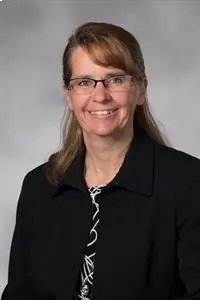
Kelly Chaudoin-Patzoldt, PsyD
Licensed Psychologist, Clinical Lead
Tammy Juten, PsyD
Licensed Psychologist
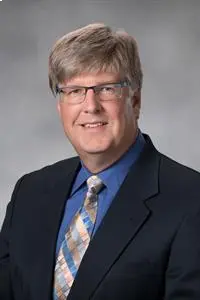
Dan Moen, MA
Licensed Psychologist
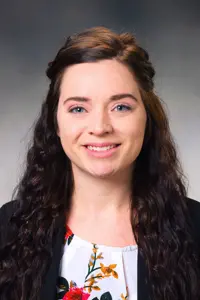
Rachel DeLuca, APRN, CNP
Psychiatry
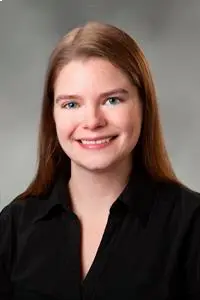
Michalene Stevermer, DO
Psychiatry
Accreditations
The Substance Abuse and Mental Health Services Administration (SAMHSA) is a branch of the U.S. Department of Health and Human Services. Established in 1992 by congress, SAMHSA's mission is to reduce the impact of substance abuse and mental illness on American's communities.
SAMHSA Listed: Yes
State Licenses are permits issued by government agencies that allow rehab organizations to conduct business legally within a certain geographical area. Typically, the kind of program a rehab facility offers, along with its physical location, determines which licenses are required to operate legally.
State License: Minnesota
The Joint Commission, formerly known as JCAHO, is a nonprofit organization that accredits rehab organizations and programs. Founded in 1951, the Joint Commision's mission is to improve the quality of patient care and demonstrating the quality of patient care.
Joint Commission Accreditation: Yes
Accreditation Number: 8130
Contact Information
220 North 6th Ave E
Duluth, MN 55805