To start with, their medication assisted treatment, usually called MAT, can help if you suffer from withdrawal pains and relapses. MAT can help ease those pains, and the clinicians supervise you so you don’t overdose by accident. This is one of the backbones of the program and is accredited by CARF, so you know there’s a professional level of care provided.
The StarParent–PADRE program is relatively unique in that they provide services to pregnant women and to fathers. This way, both parents receive care, or, in the case of single dads, they aren’t overlooked should they need access to transportation, laundry, and daycare. Family style outings may also be possible, such as trips to museums and art shows. These services are available at no added charge.
All applicants do have to be screened before they’re admitted. You’ll also have to be a resident of Texas and live in Lubbock, Crosby, Lynn, Hockley, or Cochran counties. Medicare and Medicaid are accepted.
I give 5 stars they helped me when I needed help and the food was good they made sure I was taken care of great now im on my meds and have been functioning like normal since 2021
Response from the owner2 months ago
Hi Penalove, thank you so much for your kind words! We’re thrilled to hear that our team was able to support you and that you’re doing well.
This was an amazing experience for me because they've helped me a lot and I really appreciate the staff and the nurses especially the staff itself and the nurses because they want you to accomplish more in life . The fact that it's such an amazing place is that they value you every step of the way.
Response from the owner2 months ago
Thank you for taking the time to share your feedback. We are truly grateful for your kind words about our caring staff. Our team works hard each day to support individuals with compassion, responsiveness, and excellence, and we are so happy to know we are meeting our goal of providing the highest quality care. Thank you again for recognizing our staff and for allowing us to serve you. #HopeAndHealth. #HopeAndHealth
There are several very caring staff members working here. I’m grateful for what they do on a daily basis. The staff also seems to always answer the phone when I call to check on a family member.
I would love to give it 5 stars but there are some improvements in the facility that need to be addressed.
Response from the owner2 months ago
Thank you for taking the time to share your feedback. We are grateful for your kind words about our caring staff. Our team works hard to support individuals and families with compassion and responsiveness, and we are happy to hear that this has been your experience. We also appreciate your input regarding the facility. Your feedback helps us continue to improve. Thank you again for recognizing our staff and for allowing us to serve your family. #HopeAndHealth
Scoring is assigned by a proprietary system which helps surface key metrics that determine quality. The 10-point scale factors in categories such as operations, customer satisfaction, and trust metrics. Read Full Methodology
6.7 / 10
Gallery
Accepted Insurance
Please contact to verify your specific insurance provider.
Sunrise Canyon Hospital works with several private insurance providers, please contact to verify your specific insurance provider.
Medicaid is a state based program that helps lower-income individuals and families pay for healthcare. Medicaid covers addiction treatment so those enrolled can use their coverage to pay for rehab. When a program accepts Medicaid the client often pays very little or nothing out of their own pocket.
Private insurance refers to any kind of healthcare coverage that isn't from the state or federal government. This includes individual and family plans offered by an employer or purchased from the Insurance Marketplace. Every plan will have different requirements and out of pocket costs so be sure to get the full details before you start treatment.
Self-pay involves paying for treatment out of your own pocket. You can use savings or credit, get a personal loan, or receive help from family and friends to fund your treatment. If you don't have insurance or your insurance plan doesn't cover a specific program, self-pay can help ensure you still get the care you need.
Sliding scale payments are based on a client's income and family size. The goal is to make treatment affordable to everyone. By taking these factors into account, addiction recovery care providers help ensure that your treatment does not become a financial burden to you or your family, eliminating one barrier to care.
Medicare is a federal program that provides health insurance for those 65 and older. It also serves people under 65 with chronic and disabling health challenges. To use Medicare for addiction treatment you need to find a program that accepts Medicare and is in network with your plan. Out of pocket costs and preauthorization requirements vary, so always check with your provider.
Private insurance refers to any kind of healthcare coverage that isn't from the state or federal government. This includes individual and family plans offered by an employer or purchased from the Insurance Marketplace. Every plan will have different requirements and out of pocket costs so be sure to get the full details before you start treatment.
Addiction Treatments
Levels of Care
After completing some form of inpatient care, many clients transition or step down to an outpatient rehab, while some choose to transition from detox directly into outpatient care. High-intensity outpatient programming, including partial hospitalization (PHP) and intensive outpatient (IOP) is widely available for clients in early recovery, those leaving detox, and those at an elevated relapse risk. Clients in outpatient care generally engage in robust addiction counseling and recovery education, and some also receive medication assisted treatment (MAT).
Residential treatment programs are those that offer housing and meals in addition to substance abuse treatment. Rehab facilities that offer residential treatment allow patients to focus solely on recovery, in an environment totally separate from their lives. Some rehab centers specialize in short-term residential treatment (a few days to a week or two), while others solely provide treatment on a long-term basis (several weeks to months). Some offer both, and tailor treatment to the patient's individual requirements.
Intensive outpatient programs offer high-level care for clients as an increased risk of relapse, including those in early recovery, those with a strong history of relapse, and those experiencing a crisis. Intensive outpatient treatment typically requires clients to engage in nine to 20 hours of care weekly, with treatment modalities that combine psychotherapy and recovery education, and holistic therapies, such as acupuncture and animal therapy. Medication assisted treatment (MAT) is also common in alcohol and/or opioid recovery.
Sunrise Canyon Hospital operates as a 24-hour inpatient psychiatric facility with emergency mental health screening and assessment available around the clock for all age groups in Lubbock.
Emergency crisis intervention services accessible 24/7 through direct hospital access or the StarCare Crisis Hotline for urgent behavioral health needs in the Lubbock region.
Treatments
Many of those suffering from addiction also suffer from mental or emotional illnesses like schizophrenia, bipolar disorder, depression, or anxiety disorders. Rehab and other substance abuse facilities treating those with a dual diagnosis or co-occurring disorder administer psychiatric treatment to address the person's mental health issue in addition to drug and alcohol rehabilitation.
Mental health rehabs focus on helping individuals recover from mental illnesses like bipolar disorder, clinical depression, anxiety disorders, schizophrenia, and more. Mental health professionals at these facilities are trained to understand and treat mental health issues, both in individual and group settings.
Alcoholism occurs when a person becomes physically and psychologically dependent on alcohol. Attending a professional alcohol rehab in Texas can provide customized intervention methods to address the physical, mental, and relational challenges of addiction.
During rehab in Texas, you'll deal with underlying issues that contribute to addiction. By addressing these challenges and learning healthy ways to cope with them, you'll develop strategies that help you live a drug-free lifestyle.
Opioid Addiction
Substance abuse treatment is available in Texas for anyone who's struggling with drug or alcohol addiction. These programs usually provide a comprehensive assessment and individualized treatment plan, and include evidence-based treatments, like therapies such as cognitive-behavioral therapy (CBT) to reframe unhelpful coping strategies, and dialectical behavior therapy (DBT) to help with emotional regulation and stress.
Sunrise Canyon Hospital provides integrated assessment, diagnosis, and treatment for co-occurring mental health conditions and substance use disorders in an inpatient setting.
Programs
Adult rehab programs include therapies tailored to each client's specific needs, goals, and recovery progress. They are tailored to the specific challenges adult clients may face, including family and work pressures and commitments. From inpatient and residential treatment to various levels of outpatient services, there are many options available. Some facilities also help adults work through co-occurring conditions, like anxiety, that can accompany addiction.
Young adulthood can be an exciting, yet difficult, time of transition. Individuals in their late teens to mid-20s face unique stressors related to school, jobs, families, and social circles, which can lead to a rise in substance use. Rehab centers with dedicated young adult programs will include activities and amenities that cater to this age group, with an emphasis on specialized counseling, peer socialization, and ongoing aftercare.
The providers who specialize in the children's rehab space understand the specialized needs that this population faces. School-based and social services such as tutoring and family counseling are often central to treatment. Child programs may also address the needs of youth experiencing substance abuse in the home, including a parent's or sibling's addiction.
Adolescent inpatient psychiatric services at Sunrise Canyon Hospital include assessment, diagnosis, and treatment for mental health and substance use conditions in a structured environment.
Sunrise Canyon Hospital provides a dedicated geriatric inpatient unit serving adults over 55 years old with specialized psychiatric and substance use treatment.
Clinical Services
Group therapy is any therapeutic work that happens in a group (not one-on-one). There are a number of different group therapy modalities, including support groups, experiential therapy, psycho-education, and more. Group therapy involves treatment as well as processing interaction between group members.
In individual therapy, a patient meets one-on-one with a trained psychologist or counselor. Therapy is a pivotal part of effective substance abuse treatment, as it often covers root causes of addiction, including challenges faced by the patient in their social, family, and work/school life.
Therapy sessions that incorporate motivational interviewing focus on OARS: open questions, affirmation, reflections, and summarizing. This facilitates an exchange of information and an empowering of the client to decide for themselves what changes might need to be made in their lives.
Together with an experienced trauma therapist, you work on healing emotional wounds from traumatic experiences within a trauma therapy environment. Your therapist will help you process the experience of the trauma, which promotes emotional healing and improves your overall mental health.
The purpose of family therapy is to create a supportive and understanding family dynamic within the family unit. Therapists help individual members to identify and change harmful behavior patterns and improve communication. This provides a stable foundation for the family and their loved one's recovery.
The right life skills training will help you build the skills you need for recovery. You'll learn how to solve problems, improve your social life, enhance your mental health, and make good decisions. This is a key component of drug rehab programs in Texas.
Nutrition therapy, aka medical nutrition therapy (MNT), is a way of treating physical, emotional, and medical conditions through diet. Specific dietary plans are designed by professional nutritionists or registered dietitians, and patients follow them in order to positively affect their physical and mental health.
Addiction recovery treatment in Texas will offer recreational therapy in a holistic approach to treatment. Therapy incorporates enjoyable activities that support your physical and mental health, such as team sports, creative arts, or individual sports. This activity gives you an emotional outlet, reduces your stress, and improves your mood, each of which promotes long term sobriety.
The goal of cognitive behavioral therapy (CBT) in Texas is to change thought patterns, which leads to changes in behavior. Specific techniques during CBT can include self talk, SMART goals, journaling, and positive activities.
Treatment that takes a dialectical behavior therapy approach focuses on four strategies. Distress tolerance will help you accept and tolerate intense emotions. Emotional regulation will teach you to manage those emotions. Mindfulness will keep you in the present moment instead of regret or worry. Interpersonal effectiveness will teach you to manage your relationships.
Sunrise Canyon Hospital provides comprehensive psychiatric evaluations as part of initial assessment and ongoing treatment planning for all patients.
The facility offers medication management services to stabilize patients and address psychiatric and substance use symptoms in a structured inpatient setting.
Sunrise Canyon Hospital provides 24/7 crisis intervention services to help individuals experiencing acute psychiatric or substance use crises in the Lubbock area.
Outpatient counseling services are available to support ongoing recovery and mental health management following inpatient treatment at Sunrise Canyon Hospital.
Amenities
Residential Setting
Staff & Accreditations
Staff
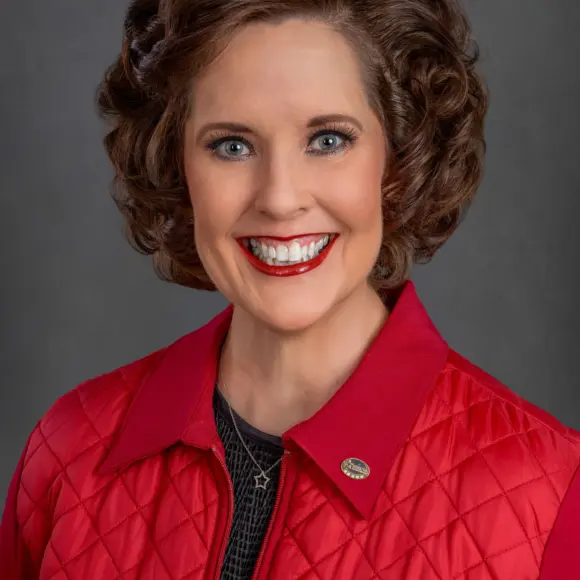
Beth Lawson
CEO
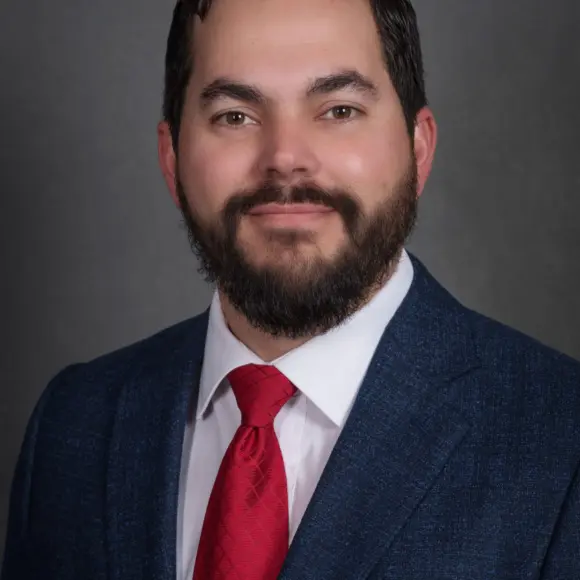
Jason Cannaday
CFO
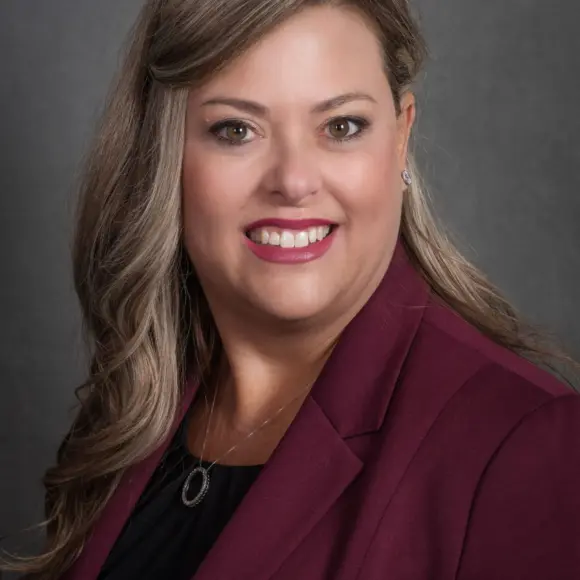
Robyn Johnston
Chief of Staff
Marle Antu
Chief of Behavioral Health Operations
Sheryl Baker
Chief of Aging & Disability Operations
Jennifer Nesbitt
Chief of Human Resources
Accreditations
The Joint Commission, formerly known as JCAHO, is a nonprofit organization that accredits rehab organizations and programs. Founded in 1951, the Joint Commision's mission is to improve the quality of patient care and demonstrating the quality of patient care.
Joint Commission Accreditation: Yes
The Commission on Accreditation of Rehabilitation Facilities (CARF) is a non-profit organization that specifically accredits rehab organizations. Founded in 1966, CARF's, mission is to help service providers like rehab facilities maintain high standards of care.
CARF Accreditation: Yes
Rehab.com regularly reviews this listing for accuracy but changes may occur between updates. For the most up-to-date information, please contact Sunrise Canyon Hospital.
If first impressions can make or break the deal then this is surely a deal breaker information is crucial and in a timely manner, not excuses, rebuttals and they will call you when they can I do not respect dishonest behavior nor will I promote foolishness on the job direct ...
Read More
I came for mental health help and they stuck me in an empty, blank room for 8 hours with nothing but my phone. Hopefully their new building will help this not happen, but please don’t come here if you are in crisis. It will make it worse.
Michelle McFerrin
1 month ago
4
Anytime I have gone there the staff has been helpful. Recently took 2 folks there that need help ...and they were able to be seen ... thank you all for all you do!
Peter W.Y. Lee is a PhD in history and culture, specializing in American Cold War culture and youth culture. He has published dozens of academic essays and online articles, edited three anthologies, and written one monograph on boyhood in postwar Hollywood films.
By calling the helpline you agree to the terms of use. We do not receive any commission or fee that is dependent upon which treatment provider a caller chooses. There is no obligation to enter treatment.
Calls to numbers on a specific treatment center listing will be routed to that treatment center. Calls to any general helpline could be forwarded to SAMHSA or a verified treatment provider.
If you wish to connect with non-sponsor centers, you can browse top-rated listings, visit our homepage and browse by state, or visit SAMHSA.

 Sponsored Helpline






























































































 30
30 





 Residential Setting