










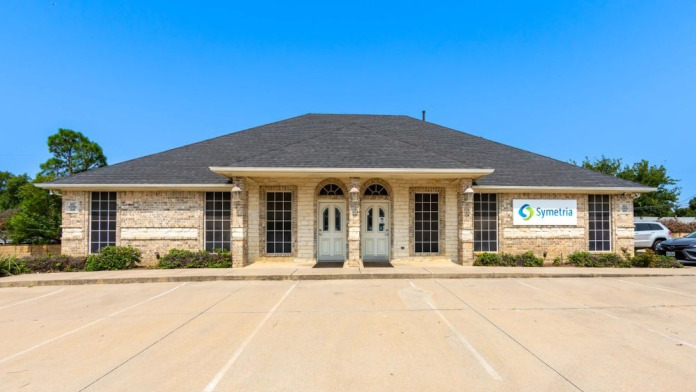
Symetria — Hurst Outpatient Rehab & Suboxone Clinic
1
Top 10 Rehab Centers In Hurst



















































































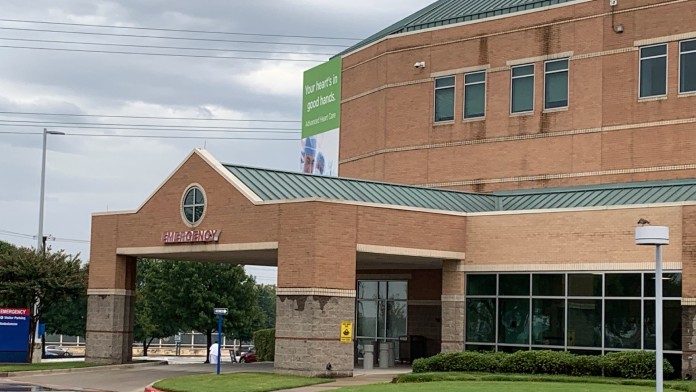
Nurses and other medical professionals who monitor the client are experienced in drug and alcohol addiction. Clients are slowly weaned off the drug. Once detox is complete, individuals are given a treatment plan to follow. Residential treatment is typically the next step.
Clients stay in gender-separate facilities that are equipped with individual fitness regimens, creative therapies, and multidisciplinary treatment. Individualized treatment is incorporated for each client where they receive personalized attention and therapy.
Intensive outpatient provides a structured, supportive environment for those in recovery. Clients engage in individual and group therapy sessions where they will learn vital coping and life skills. Required treatment hours will slowly lower as skills are built upon.
Aftercare offers individual resources to prevent relapse. Clients can engage in peer support groups, access recovery education, and program referrals.
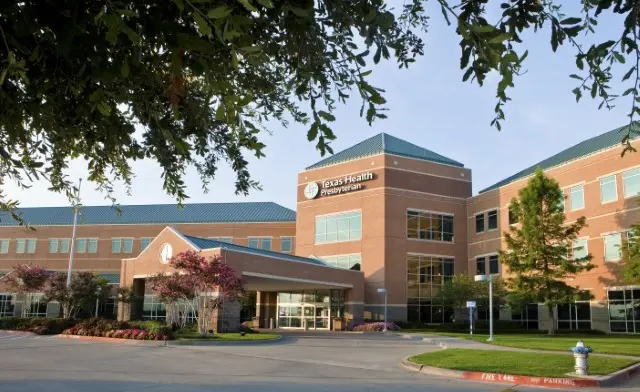
Texas Health Presbyterian Hospital – Allen accepts a wide array of insurance plans. Major insurance providers include Aetna, Medicare Advantage, Medicaid, STARKids, Aetna Signature Administrators, AHS/UT East Texas Health System, and AmBetter. Furthermore, Marketplace plans, Amerigroup, Beacon Health Options, and Blue Cross/Blue Shield are also in-network with this facility.


 Our Methodology


Private insurance refers to any kind of healthcare coverage that isn't from the state or federal government. This includes individual and family plans offered by an employer or purchased from the Insurance Marketplace. Every plan will have different requirements and out of pocket costs so be sure to get the full details before you start treatment.
Self-pay involves paying for treatment out of your own pocket. You can use savings or credit, get a personal loan, or receive help from family and friends to fund your treatment. If you don't have insurance or your insurance plan doesn't cover a specific program, self-pay can help ensure you still get the care you need.
Medicare is a federal program that provides health insurance for those 65 and older. It also serves people under 65 with chronic and disabling health challenges. To use Medicare for addiction treatment you need to find a program that accepts Medicare and is in network with your plan. Out of pocket costs and preauthorization requirements vary, so always check with your provider.
Medicaid is a state based program that helps lower-income individuals and families pay for healthcare. Medicaid covers addiction treatment so those enrolled can use their coverage to pay for rehab. When a program accepts Medicaid the client often pays very little or nothing out of their own pocket.
Military members, veterans, and eligible dependents have access to specific insurance programs that help them get the care they need. TRICARE and VA insurance can help you access low cost or no cost addiction and mental health treatment. Programs that accept military insurance often have targeted treatment focused on the unique challenges military members, veterans, and their families face.
After completing some form of inpatient care, many clients transition or step down to an outpatient rehab, while some choose to transition from detox directly into outpatient care. High-intensity outpatient programming, including partial hospitalization (PHP) and intensive outpatient (IOP) is widely available for clients in early recovery, those leaving detox, and those at an elevated relapse risk. Clients in outpatient care generally engage in robust addiction counseling and recovery education, and some also receive medication assisted treatment (MAT).
The adult inpatient program at Texas Health Behavioral Health provides 24-hour monitoring, treatment, and stabilization for adults with acute behavioral health conditions in a safe, supportive, and therapeutic environment. Patients are housed in facilities created just for them, which foster personalized attention for each patient. Customized treatment plans address next steps and ongoing recovery needs and are unique to each individual patient. Adolescents need care tailored for them and their unique needs. The Texas Health Behavioral Health programs for adolescents address the growing needs of behavioral and mental health care for adolescents with psychiatric conditions, or with behavioral or emotional difficulties. Care plans are tailored to the individual’s unique needs and are offered in a variety of settings. Specializing in adolescents ages 12 to 17, the inpatient adolescent program provides crisis stabilization and symptom reduction in a safe, structured environment.
Rehab aftercare programs are based on a model of continuing care and the premise that recovery is a life-long process requiring ongoing client support. Many rehab aftercare services include outpatient care, but clients often continue to receive support after being discharged from formal treatment. Case managers and care teams typically collaborate with clients to design their long-term care plan, which may include peer coaching, career counseling, and 12 step program induction, among other services.
12-step programs are addiction recovery models based on Alcoholics Anonymous (AA). A number of substance abuse programs (including some drug and alcohol rehab centers) use the 12 steps as a basis for treatment. Beginning steps involve admitting powerlessness over the addiction and creating a spiritual basis for recovery. Middle steps including making direct amends to those who've been hurt by the addiction, and the final step is to assist others in addiction recovery in the same way. 12-Step offshoots including Narcotics Anonymous (NA), Cocaine Anonymous (CA), Dual Recovery Anonymous (DRA), Sex and Love Addicts Anonymous (SLAA) and Gamblers Anonymous (GA).
Commonly known as "day treatment," a partial hospitalization program (PHP) offers intensive addiction treatment while allowing you to return home each day. It can serve as an alternative to inpatient hospitalization or as a step-down option. Depending on your needs, PHP treatment typically averages 90 days with a weekly requirement of 6-8 hours a day. PHP treatment offers a variety of therapeutic interventions such as individual counseling, group therapy, and psychoeducation. Oftentimes PHP treatment can be fully covered by insurance.
At certain points in the recovery process, it's important to have support available 24/7. 24-hour clinical care offers a safe environment in which to recover from drug or alcohol addiction in peace, knowing medical detox and other treatment will happen with professionals on hand.
Many of those suffering from addiction also suffer from mental or emotional illnesses like schizophrenia, bipolar disorder, depression, or anxiety disorders. Rehab and other substance abuse facilities treating those with a dual diagnosis or co-occurring disorder administer psychiatric treatment to address the person's mental health issue in addition to drug and alcohol rehabilitation.
A combined mental health and substance abuse rehab has the staff and resources available to handle individuals with both mental health and substance abuse issues. It can be challenging to determine where a specific symptom stems from (a mental health issue or an issue related to substance abuse), so mental health and substance abuse professionals are helpful in detangling symptoms and keeping treatment on track.
Adult rehab programs include therapies tailored to each client's specific needs, goals, and recovery progress. They are tailored to the specific challenges adult clients may face, including family and work pressures and commitments. From inpatient and residential treatment to various levels of outpatient services, there are many options available. Some facilities also help adults work through co-occurring conditions, like anxiety, that can accompany addiction.
Young adulthood can be an exciting, yet difficult, time of transition. Individuals in their late teens to mid-20s face unique stressors related to school, jobs, families, and social circles, which can lead to a rise in substance use. Rehab centers with dedicated young adult programs will include activities and amenities that cater to this age group, with an emphasis on specialized counseling, peer socialization, and ongoing aftercare.
Cognitive Behavioral Therapy (CBT) is a therapy modality that focuses on the relationship between one's thoughts, feelings, and behaviors. It is used to establish and allow for healthy responses to thoughts and feelings (instead of unhealthy responses, like using drugs or alcohol). CBT has been proven effective for recovering addicts of all kinds, and is used to strengthen a patient's own self-awareness and ability to self-regulate. CBT allows individuals to monitor their own emotional state, become more adept at communicating with others, and manage stress without needing to engage in substance abuse.
Group therapy is any therapeutic work that happens in a group (not one-on-one). There are a number of different group therapy modalities, including support groups, experiential therapy, psycho-education, and more. Group therapy involves treatment as well as processing interaction between group members.
In individual therapy, a patient meets one-on-one with a trained psychologist or counselor. Therapy is a pivotal part of effective substance abuse treatment, as it often covers root causes of addiction, including challenges faced by the patient in their social, family, and work/school life.
Trauma therapy addresses traumatic incidents from a client's past that are likely affecting their present-day experience. Trauma is often one of the primary triggers and potential causes of addiction, and can stem from child sexual abuse, domestic violence, having a parent with a mental illness, losing one or both parents at a young age, teenage or adult sexual assault, or any number of other factors. The purpose of trauma therapy is to allow a patient to process trauma and move through and past it, with the help of trained and compassionate mental health professionals.
Research clearly demonstrates that recovery is far more successful and sustainable when loved ones like family members participate in rehab and substance abuse treatment. Genetic factors may be at play when it comes to drug and alcohol addiction, as well as mental health issues. Family dynamics often play a critical role in addiction triggers, and if properly educated, family members can be a strong source of support when it comes to rehabilitation.
Life skills trainings involve all the skills a person must have in order to function successfully in the world. These include time management, career guidance, money management, and effective communication. Truly successful addiction recovery is based on the ability to not only live substance-free, but to thrive. Life skills teaches the practical necessities of functioning in society, which sets clients up for success in life, and therefore sobriety.
Nutrition therapy, aka medical nutrition therapy (MNT), is a way of treating physical, emotional, and medical conditions through diet. Specific dietary plans are designed by professional nutritionists or registered dietitians, and patients follow them in order to positively affect their physical and mental health.
Experiential therapy in Texas can look different for each person. You may engage in fitness activities, community service, culinary arts, or art therapy, for example. The goal is to provide a safe setting where you can interact with your environment and work through emotions and experiences with the help of that activity and the guidance of a therapist.
When used as recommended, nicotine replacement therapy in Texas provides enough nicotine to help you avoid severe cravings and withdrawal symptoms after quitting smoking. This increases comfort so you're less likely to relapse into your smoking habit.
 Yoga Studio
President

Chief Nursing Officer

Chief Quality and Medical Officer

The Joint Commission, formerly known as JCAHO, is a nonprofit organization that accredits rehab organizations and programs. Founded in 1951, the Joint Commision's mission is to improve the quality of patient care and demonstrating the quality of patient care.
Joint Commission Accreditation: Yes
Rehab.com regularly reviews this listing for accuracy but changes may occur between updates. For the most up-to-date information, please contact Texas Health Presbyterian Hospital Allen.

1105 N Central Expy
Allen, TX 75013
Sponsored Helpline

EVERYONE EXPLAINED EVERYTHING IN DETAL. I FELT I WAS BEING TAKEN CARE OF

My wife recently had to rush me to the ER during the very early morning hours because of an unexpected health event. My condition required the medical staff to admit me, and after a series of tests and monitoring, they released me during the evening hours the same day. Although I was anxious and a little scared, the medical staff at Texas Health was amazing, and I received phenomenal care during my 17-18 hour stay. We interacted with so many medical professionals that I am unable to name each of them. However, I would like to extend my sincere thanks to the entire medical staff, from the nurses, techs, the gentleman overseeing the cafeteria and certainly Doctors Stannard, Muneer, Khan, Chaudhry, and Rabiei-Turkamani who each provided me with wonderful medical care. I would also like to extend a very sincere and heartfelt thank you to nurse Juliana, who I have since renamed my guardian angel. Juliana’s level of care, compassion, kindness, and advocacy was beyond measure … thank you! We in Allen, TX are fortunate to have a hospital of this caliber in our backyard, and I can highly recommend Texas Health. Thanks for taking great care of me.

Got charged $324.50 for a pregnancy test even though I told them I have no fallopian tubes

I think the staff is wonderful. I do have a problem with the parking. You prioritize non handicapped people in your first row of parking. Most hospitals I’ve been to have the first row dedicated to disabled people. There are more spots available to non disabled people then there are disabled people and this is a hospital. For my preop appointments I’ve had to walk a considerable distance each of the 3 times I’ve been there since April this year. This last time a lady in a wheelchair also had to park way out back. I was next to the back corner of the hospital. I’d driven around the front then down the side. It’s a hike from your side rear parking lot
 Back
Back
Sharing your insights and experiences can help others learn more about this rehab center.

 Written By: Kerry Nenn
BSW Expert Author, Editor
Written By: Kerry Nenn
BSW Expert Author, Editor


