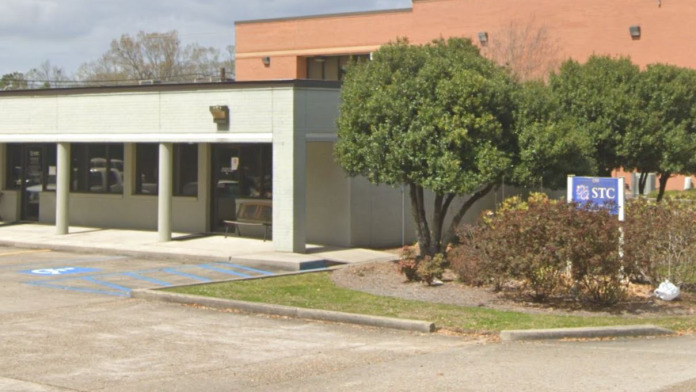
St. Christopher's Addiction Wellness Center
1
Top 10 Rehab Centers In Baton Rouge






































































































Men of Nehemiah is a non-profit residential substance abuse recovery program for men in Dallas, Texas. The unique structure of this program combines substance use disorder recovery concepts with Christian principles and a military style structure. They work with many insurance plans but will work with men regardless of their financial standing.
This program, which typically lasts between nine months and a year, also offers respite for men leaving incarceration or who are otherwise justice involved. Graduates have reported feeling stronger relationships and greater self discipline. This likely stems from the program’s emphasis on community involvement and accountability.
This highly structured program mimics the routine of the military. Your time and responsibilities are tightly managed to develop this routine and a sense of discipline you can apply to all areas of your life. During your stay, it’s used to reinforce the life skills you learn and help you develop a schedule.
This program also emphasizes the importance of giving back to both addiction recovery and a Christ driven life. One of the biggest ways participants give back is through mentorship: graduates of the program can go on to help others find the path to recovery.
Residents also travel throughout the community to bear witness and inspire others to make changes in their lives. Part of their outreach includes jails and prisons. It gives each man a taste of what it’s like to live by example and help others.
An interesting fact about this facility is that it hosts 50 clients at a time. That’s not a small community by any stretch, but by virtue of the program’s structure and community based programming, it can become a very close community. By working and healing from SUD together, clients find fellowship with one another and naturally build a support network with one another.

 50
50  91+
91+ 
 Our Methodology


Financial aid can take many forms. Centers may have grants or scholarships available to clients who meet eligibility requirements. Programs that receive SAMHSA grants may have financial aid available for those who need treatment as well. Grants and scholarships can help you pai for treatment without having to repay.
Self-pay involves paying for treatment out of your own pocket. You can use savings or credit, get a personal loan, or receive help from family and friends to fund your treatment. If you don't have insurance or your insurance plan doesn't cover a specific program, self-pay can help ensure you still get the care you need.
Inpatient rehab programs are geared toward clients in early recovery. They also provide intensive support for clients in crisis and those at an increased relapse risk. Clients receive housing and meals while in inpatient care, allowing them to focus solely on their recovery. Most programs prioritize addiction counseling but may draw on various psychotherapeutic modalities, including CBT, DBT, RBT, trauma therapy, and motivational interviewing. Life skills training and holistic therapies are also common in inpatient care.
Residents of a sober living home in Texas reside at the halfway house with others who have agreed to abstain from substances and practice sober-living skills. The relationships and accountability formed here can help individuals strengthen their mental health and achieve long-term recovery. Residents share common spaces such as kitchens and back yards, share meals together, and share household responsibilities such as cooking and cleaning.
Alcoholism occurs when a person becomes physically and psychologically dependent on alcohol. Attending a professional alcohol rehab in Texas can provide customized intervention methods to address the physical, mental, and relational challenges of addiction.
During rehab in Texas, you'll deal with underlying issues that contribute to addiction. By addressing these challenges and learning healthy ways to cope with them, you'll develop strategies that help you live a drug-free lifestyle.
Men face specific challenges and concerns when seeking addiction treatment. Gender-specific recovery programs help them tackle these issues head-on in an environment that's focused, targeted, and distraction-free. It also gives them the opportunity to connect with and learn from other men who have been through a similar journey and can offer support for the next step.
The goal of cognitive behavioral therapy (CBT) in Texas is to change thought patterns, which leads to changes in behavior. Specific techniques during CBT can include self talk, SMART goals, journaling, and positive activities.
Therapy sessions that incorporate motivational interviewing focus on OARS: open questions, affirmation, reflections, and summarizing. This facilitates an exchange of information and an empowering of the client to decide for themselves what changes might need to be made in their lives.
 Eye Movement Desensitization And Reprocessing
Together with an experienced trauma therapist, you work on healing emotional wounds from traumatic experiences within a trauma therapy environment. Your therapist will help you process the experience of the trauma, which promotes emotional healing and improves your overall mental health.
 Residential Setting
The Joint Commission, formerly known as JCAHO, is a nonprofit organization that accredits rehab organizations and programs. Founded in 1951, the Joint Commision's mission is to improve the quality of patient care and demonstrating the quality of patient care.
Joint Commission Accreditation: Yes

2010 Al Lipscomb Way, Dallas, TX 75215
Sponsored Helpline

Awful place with lot of silly men that they think they funny.


This is the best place for any individual that is willing to change theirs life . Very supportive very kind very caring. They have everything that you need to be fully recovered.
 Back
Back
Sharing your insights and experiences can help others learn more about this rehab center.