





























































































About Valley Hope of Overland Park
Your treatment plan will draw on a range of methods that best suit your recovery needs and goals. You might engage in cognitive behavioral therapy in an individual and group setting. When combined with life skills training and recovery education, you’ll complete your treatment protocol with the coping strategies you need to manage addiction triggers and maintain your sobriety.
If you’re stepping down from higher intensity inpatient treatment or you’re medically stable enough not to need hospitalization, their programs might be right for you. They have partial hospitalization and intensive outpatient programs if you need a bit more supervision and support.
You can choose from morning, evening, and night programs to create the care schedule that best meets your needs. You’ll typically get at least 12 weeks of treatment on a Monday, Wednesday, and Friday schedule. If you’d like to get counseling and support alongside your family from the comfort of your own home you might enroll in their family virtual care programs.
As you progress in your recovery, you might step down to general outpatient treatment. This might include as few as one to three hours of treatment a week, depending on your needs.
I like how robust their continuing care programs are. You can get significant aftercare support. They have monthly alumni meetings to ensure that you’re never without access to and relationships with peers in recovery. They also have programs specially designed to meet the unique needs of military personnel, veterans, and their families.
Latest Reviews



Rehab Score
 Our Methodology


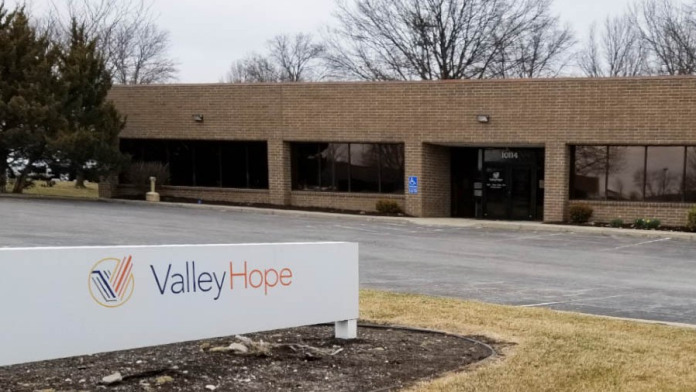
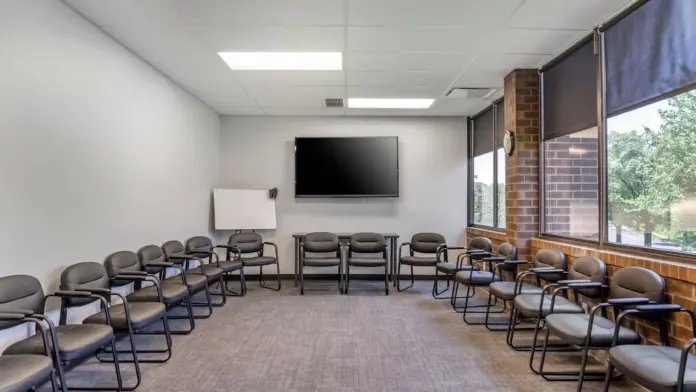
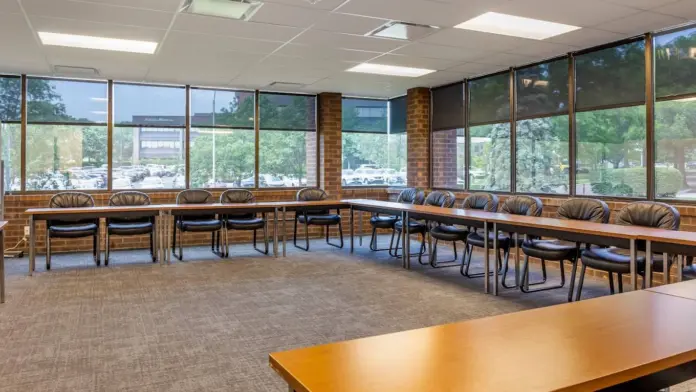
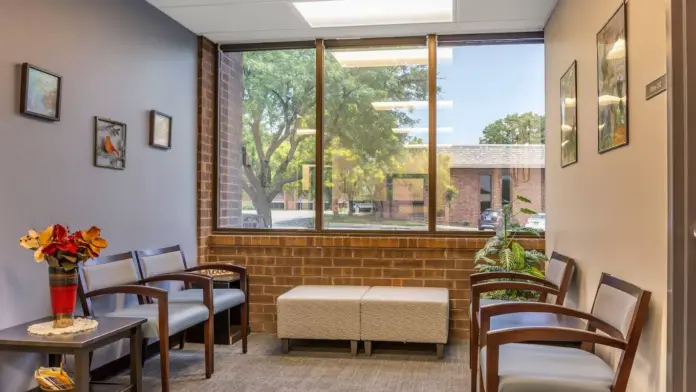
Gallery
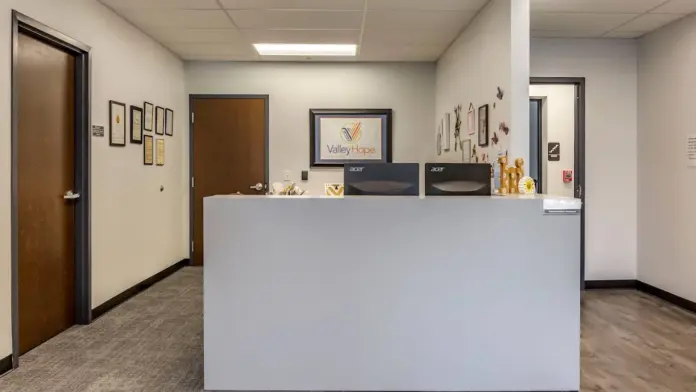
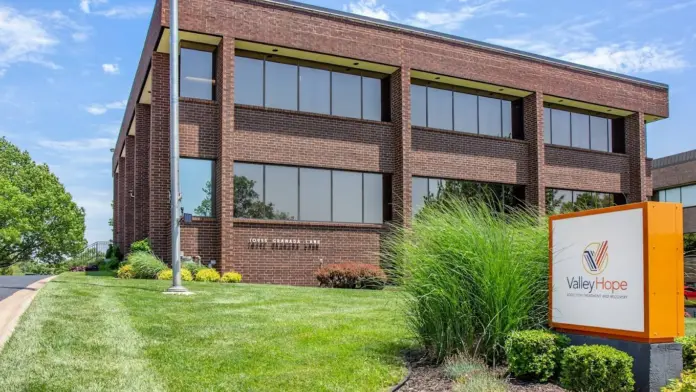
Accepted Insurance
Other Forms of Payment
Private insurance refers to any kind of healthcare coverage that isn't from the state or federal government. This includes individual and family plans offered by an employer or purchased from the Insurance Marketplace. Every plan will have different requirements and out of pocket costs so be sure to get the full details before you start treatment.
Self-pay involves paying for treatment out of your own pocket. You can use savings or credit, get a personal loan, or receive help from family and friends to fund your treatment. If you don't have insurance or your insurance plan doesn't cover a specific program, self-pay can help ensure you still get the care you need.
Military members, veterans, and eligible dependents have access to specific insurance programs that help them get the care they need. TRICARE and VA insurance can help you access low cost or no cost addiction and mental health treatment. Programs that accept military insurance often have targeted treatment focused on the unique challenges military members, veterans, and their families face.
Addiction Treatments
Levels of Care
Outpatient Programs (OP) are for those seeking mental rehab or drug rehab, but who also stay at home every night. The main difference between outpatient treatment (OP) and intensive outpatient treatment (IOP) lies in the amount of hours the patient spends at the facility. Most of the time an outpatient program is designed for someone who has completed an inpatient stay and is looking to continue their growth in recovery. Outpatient is not meant to be the starting point, it is commonly referred to as aftercare.
Clients in a rehab aftercare program typically have completed intensive inpatient treatment but may be receiving outpatient care. Many have concluded outpatient treatment as well and are in the maintenance phase of their recovery. Rehab aftercare services are designed to provide a full continuum of care as clients apply their recovery skills at home, in the workplace, and in the community. Clients typically receive peer coaching, career counseling, and 12 step recovery program induction, among other services.
12-step programs are addiction recovery models based on Alcoholics Anonymous (AA). A number of substance abuse programs (including some drug and alcohol rehab centers) use the 12 steps as a basis for treatment. Beginning steps involve admitting powerlessness over the addiction and creating a spiritual basis for recovery. Middle steps including making direct amends to those who've been hurt by the addiction, and the final step is to assist others in addiction recovery in the same way. 12-Step offshoots including Narcotics Anonymous (NA), Cocaine Anonymous (CA), Dual Recovery Anonymous (DRA), Sex and Love Addicts Anonymous (SLAA) and Gamblers Anonymous (GA).
A partial hospitalization program (PHP) offers short-term intensive rehab for those who don't require 24-hour care. Often known as "day treatment," a partial hospitalization program allows individuals to receive treatment during the day and return home in the evening. The duration of PHP treatment is flexible, allowing you to actively engage in daily 4-6 hour sessions, at least 5 days a week, for an average of 90 days. PHP treatment encompasses a range of evidence-based therapies and other behavioral therapy interventions.
Drug and alcohol addiction often takes a heavy toll on one's body. Over time, a physical dependence can develop, meaning the body physiologically needs the substance to function. Detox is the process of removing drugs and/or alcohol from the body, a process that can be lethal if mismanaged. Medical detox is done by licensed medical professionals who monitor vital signs and keep you safe, healthy, and as comfortable as possible as you go through detox and withdrawal.
Clients exiting detox, stepping down from inpatient rehab, or at an increased risk of relapse often enroll in intensive outpatient programs (IOP). These programs offer high-level support, including multiple therapeutic sessions per week. Clients typically receive between nine and 20 hours of treatment weekly. Intensive outpatient rehabs generally offer an array of services, including individual, group, and family counseling and recovery education. Medication assisted treatment (MAT) is widely available for those in alcohol and/or opioid recovery.
Treatments
The goal of treatment for alcoholism is abstinence. Those with poor social support, poor motivation, or psychiatric disorders tend to relapse within a few years of treatment. For these people, success is measured by longer periods of abstinence, reduced use of alcohol, better health, and improved social functioning. Recovery and Maintenance are usually based on 12 step programs and AA meetings.
The length, intensity, setting, and treatment methods vary for each drug rehab in Kansas. Plans of care can be tailored to meet each person's own unique situation and needs. With the right program, individuals can successfully achieve long-term sobriety.
Opioid rehabs specialize in supporting those recovering from opioid addiction. They treat those suffering from addiction to illegal opioids like heroin, as well as prescription drugs like oxycodone. These centers typically combine both physical as well as mental and emotional support to help stop addiction. Physical support often includes medical detox and subsequent medical support (including medication), and mental support includes in-depth therapy to address the underlying causes of addiction.
Substance rehabs focus on helping individuals recover from substance abuse, including alcohol and drug addiction (both illegal and prescription drugs). They often include the opportunity to engage in both individual as well as group therapy.
Programs
Adult rehab programs include therapies tailored to each client's specific needs, goals, and recovery progress. They are tailored to the specific challenges adult clients may face, including family and work pressures and commitments. From inpatient and residential treatment to various levels of outpatient services, there are many options available. Some facilities also help adults work through co-occurring conditions, like anxiety, that can accompany addiction.
Men face specific challenges and concerns when seeking addiction treatment. Gender-specific recovery programs help them tackle these issues head-on in an environment that's focused, targeted, and distraction-free. It also gives them the opportunity to connect with and learn from other men who have been through a similar journey and can offer support for the next step.
Rehabs for women provide a safe, nurturing space for female clients to heal. These treatment programs consider the specific obstacles that women can face during recovery and place a special emphasis on mental, social, physical, and reproductive health. They explore how each woman's experience has shaped the trajectory of their substance use, addressing issues such as sexual abuse and past trauma.
Clinical Services
Cognitive Behavioral Therapy (CBT) is a therapy modality that focuses on the relationship between one's thoughts, feelings, and behaviors. It is used to establish and allow for healthy responses to thoughts and feelings (instead of unhealthy responses, like using drugs or alcohol). CBT has been proven effective for recovering addicts of all kinds, and is used to strengthen a patient's own self-awareness and ability to self-regulate. CBT allows individuals to monitor their own emotional state, become more adept at communicating with others, and manage stress without needing to engage in substance abuse.
Group therapy is any therapeutic work that happens in a group (not one-on-one). There are a number of different group therapy modalities, including support groups, experiential therapy, psycho-education, and more. Group therapy involves treatment as well as processing interaction between group members.
In individual therapy, a patient meets one-on-one with a trained psychologist or counselor. Therapy is a pivotal part of effective substance abuse treatment, as it often covers root causes of addiction, including challenges faced by the patient in their social, family, and work/school life.
When applying motivational interviewing, your therapist will ask open ended questions that encourage you to think differently about your challenges. They will also affirm your strengths and abilities. They will then offer empathy and reflect your thoughts back to you so you can identify any discrepancies in your current behaviors and your future goals.
In family therapy, experienced therapists help family members navigate the challenges of addiction by fostering open lines of communication and mutual support. This approach strengthens the family unit and improves the effectiveness of the recovery process.
Amenities
-
 Private Setting
 -
 Private Rooms
Staff & Accreditations
Staff
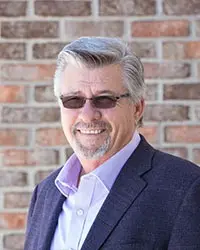
Steven Knuth
President & CEO
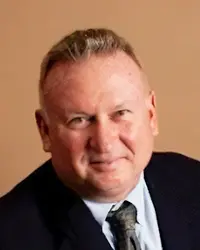
Brien-Kevin Walker, CPA
Senior VP of Finance & CFO

Dr. Jon Siebert
Director of Medical Services
Susan Warren
Director of Clinical Services
Sandy Bauer
Chief Nursing Officer
Melissa Kinworthy
Director of Clinical Services
Accreditations

The Joint Commission, formerly known as JCAHO, is a nonprofit organization that accredits rehab organizations and programs. Founded in 1951, the Joint Commision's mission is to improve the quality of patient care and demonstrating the quality of patient care.
Joint Commission Accreditation: Yes

LegitScript has reviewed Valley Hope of Overland Park as part of their certification program, and has determined that it meets the LegitScript standards for legality, safety and transparency.
LegitScript verified in June 2020

The National Association of Addiction Treatment Providers (NAATP) is a professional association that represents organizations in the field of addiction services. Founded in 1978, NAATP's mission is to advance addiction services and ensure that high-quality addiction treatment is available and accessible.
NAATP Member: Yes
Member ID: 1482
Rehab.com regularly reviews this listing for accuracy but changes may occur between updates. For the most up-to-date information, please contact Valley Hope of Overland Park.
Contact Information


10955 Granada Ln
Overland Park, KS 66211
Sponsored Helpline


