





























































































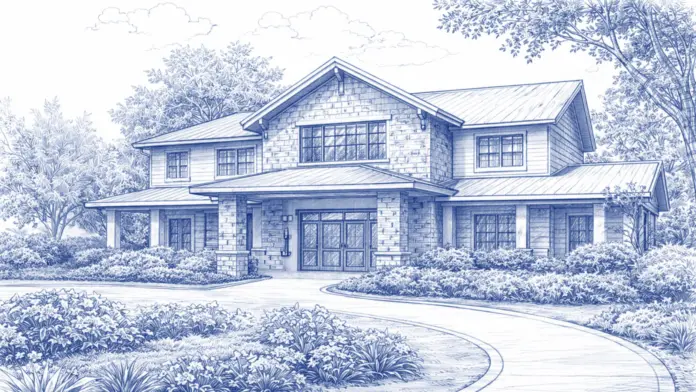
About Veteran Services – Volunteers of America
This nonprofit organization is committed to helping support both veterans and their families through a range of medical and mental and social services. Veterans face unique challenges that impact their mental health. As they deal with the experiences they had in training, on base, and during deployment — some of which were traumatic — it can be challenging to manage emotional and mental health. Unfortunately many veterans will turn to substance use to help alleviate some of the pain they might be feeling. This is where the support of Volunteers of America is invaluable.
The veteran services at Volunteers of America are designed to help you find your path to health and wellness. You can get referred to one of their transitional living facilities or find support through education and vocational support as well as life skills training. They can help you if you are struggling with dark thoughts and can connect you with basic life necessities like food and clothing.
Services look different for every veteran and for some it may mean addiction recovery and therapy while others might simply need a safe place to call home as they rebuild their life. There’s a network of support here that you can lean on and you can connect with other veterans who have faced similar challenges. You won’t feel alone, instead you’ll find companionship in individuals and staff who have experienced similar challenges.
The staff and Volunteers of America are committed to helping you and your family work toward a life of health and wellness.
Latest Reviews



Rehab Score
 Our Methodology


Location
Other Forms of Payment
Private insurance refers to any kind of healthcare coverage that isn't from the state or federal government. This includes individual and family plans offered by an employer or purchased from the Insurance Marketplace. Every plan will have different requirements and out of pocket costs so be sure to get the full details before you start treatment.
Self-pay involves paying for treatment out of your own pocket. You can use savings or credit, get a personal loan, or receive help from family and friends to fund your treatment. If you don't have insurance or your insurance plan doesn't cover a specific program, self-pay can help ensure you still get the care you need.
Financial aid can take many forms. Centers may have grants or scholarships available to clients who meet eligibility requirements. Programs that receive SAMHSA grants may have financial aid available for those who need treatment as well. Grants and scholarships can help you pai for treatment without having to repay.
Sliding scale payments are based on a client's income and family size. The goal is to make treatment affordable to everyone. By taking these factors into account, addiction recovery care providers help ensure that your treatment does not become a financial burden to you or your family, eliminating one barrier to care.
Medicare is a federal program that provides health insurance for those 65 and older. It also serves people under 65 with chronic and disabling health challenges. To use Medicare for addiction treatment you need to find a program that accepts Medicare and is in network with your plan. Out of pocket costs and preauthorization requirements vary, so always check with your provider.
Military members, veterans, and eligible dependents have access to specific insurance programs that help them get the care they need. TRICARE and VA insurance can help you access low cost or no cost addiction and mental health treatment. Programs that accept military insurance often have targeted treatment focused on the unique challenges military members, veterans, and their families face.
Medicaid is a state based program that helps lower-income individuals and families pay for healthcare. Medicaid covers addiction treatment so those enrolled can use their coverage to pay for rehab. When a program accepts Medicaid the client often pays very little or nothing out of their own pocket.
Addiction Treatments
Levels of Care
Outpatient Programs (OP) are for those seeking mental rehab or drug rehab, but who also stay at home every night. The main difference between outpatient treatment (OP) and intensive outpatient treatment (IOP) lies in the amount of hours the patient spends at the facility. Most of the time an outpatient program is designed for someone who has completed an inpatient stay and is looking to continue their growth in recovery. Outpatient is not meant to be the starting point, it is commonly referred to as aftercare.
Clients undergoing treatment in an intensive outpatient program (IOP) typically are those who are leaving inpatient rehab or who have elected to forgo residential care following detox. Clients engage in at least nine hours of treatment weekly, on average, but may receive up to 20 hours of care, with the frequency and intensity of treatment decreasing as clients stabilize. Intensive outpatient treatment often combines psychotherapy, recovery education, holistic care, and medication assisted treatment (MAT).
Rehab aftercare programs serve clients who are medically stable and well advanced in their recovery journey, having already completed detox and/or intensive inpatient treatment. Drug rehab aftercare is designed to support clients in maintaining their sobriety as they return to their home, workplace, and community. Case managers and care teams play a pivotal role in designing a long-term care plan that meets clients' unique recovery needs and goals. Relapse prevention and peer coaching are common.
Services offered by drug intervention programs often include specialists to assist with a drug intervention in Wyoming. Drug interventions are designed to encourage individuals who are struggling with addiction to get the treatment necessary for recovery. Friends and family can partner with intervention services to host an intervention and suggest a solid treatment plan to the individual. These services can also provide follow-up care for both the individual and family members.
Drug and alcohol addiction often takes a heavy toll on one’s body. Over time, a physical dependence can develop, meaning the body physiologically needs the substance to function. Detox is the process of removing drugs and/or alcohol from the body, a process that can be lethal if mismanaged. Medical detox is done by licensed medical professionals who monitor vital signs and keep you safe, healthy, and as comfortable as possible as you go through detox and withdrawal.
Programs
Adult rehab programs include therapies tailored to each client's specific needs, goals, and recovery progress. They are tailored to the specific challenges adult clients may face, including family and work pressures and commitments. From inpatient and residential treatment to various levels of outpatient services, there are many options available. Some facilities also help adults work through co-occurring conditions, like anxiety, that can accompany addiction.
Young adulthood can be an exciting, yet difficult, time of transition. Individuals in their late teens to mid-20s face unique stressors related to school, jobs, families, and social circles, which can lead to a rise in substance use. Rehab centers with dedicated young adult programs will include activities and amenities that cater to this age group, with an emphasis on specialized counseling, peer socialization, and ongoing aftercare.
Serving in the military is both mentally and physically challenging, and can result in trauma that persists even after combat ends. Military programs are tailored to the specific and often complex needs of active duty personnel, veterans, and military families. Clients often access these programs through the U.S. Department of Veterans Affairs (VA).
Clinical Services
Cognitive behavioral therapy (CBT) in Wyoming can occur in various formats. Common types of CBT include dialectical behavior therapy, acceptance and commitment therapy, mindfulness based cognitive therapy, and rational emotive behavior therapy. The main focus of each is to help participants change thought and behavior patterns.
Substance use disorder treatment in Wyoming may include dialectical behavior therapy. This evidence based approach seeks to give clients the tools they need to manage their emotions and make healthy changes in thinking and behavior. Treatment includes individual sessions, group skills sessions, and homework assignments.
Group therapy sessions empower men and women in Wyoming to recognize their inner strength and capabilities as they work to overcome addiction. This helps boost self esteem and self confidence, which are factors in relapse prevention programs. By recognizing the triggers and high risk situations, you can develop coping mechanisms to maintain sobriety.
Men and women in Wyoming seeking personalized help for drug and alcohol addiction treatment usually undergo individual therapy. This involves a collaborative effort between you and the therapist to address your needs and challenges. A customized approach helps your therapist develop effective strategies to overcome addiction and maintain a substance free life.
Motivational interviewing helps you recognize the importance of change and your capacity to make change. It empowers you to change rather than providing warnings or directions to change. This method is often used in the treatment of substance use disorder.
Trauma therapy allows you to regain control over your life and gain a greater sense of safety and Trust in your environment. Within a safe and supportive space, your therapist helps you understand your responses and process the emotional and physical effects of trauma.
For many couples, attending couples therapy in Wyoming is a powerful way to strengthen their relationship. It can be useful for improving communication, increasing intimacy, navigating addiction, or rebuilding trust. Sessions typically last about 12 weeks.
Addiction takes an emotional toll on all members of the family. Family therapy sessions help members openly talk about these challenges and develop effective coping strategies to create a stable environment that supports their loved one's recovery.
Drug rehab in Wyoming typically includes multiple life skills activities. These teach you the skills you need for everyday life in recovery. Activities may include career coaching, social interactions, problem solving, and self care.
Amenities
-
 Private Transportation
 -
 Residential Setting
 -
 Private Rooms
Staff & Accreditations
Staff
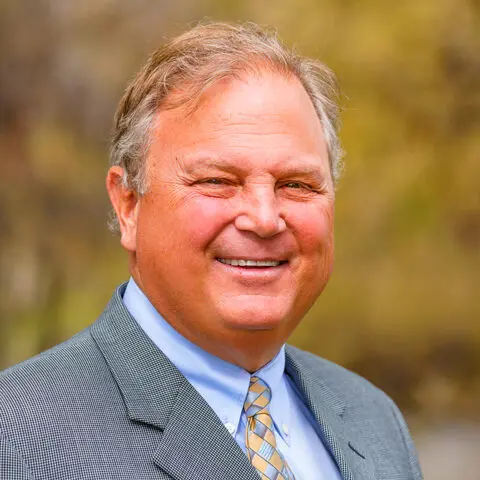
Jeff Holsinger
CEO
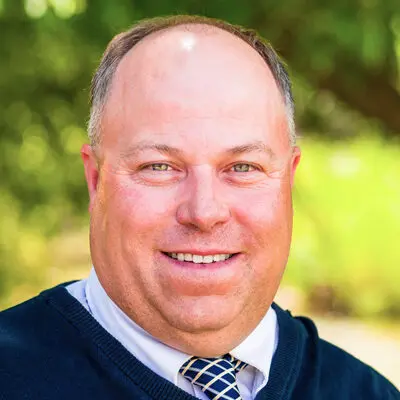
Heath Steel
Executive VP & CBO
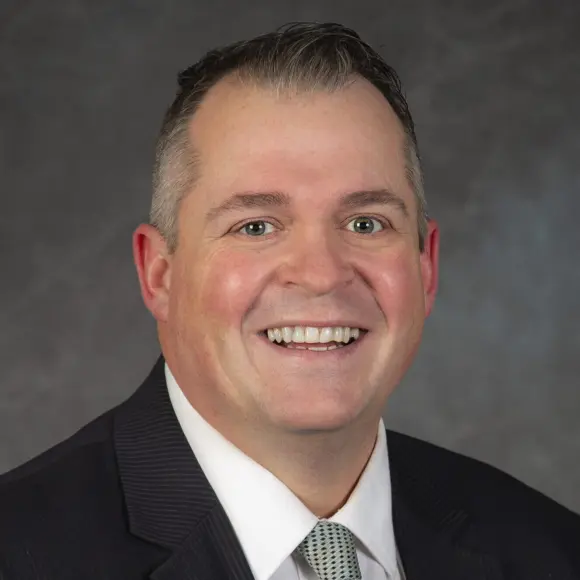
Doug Cherry
CFO
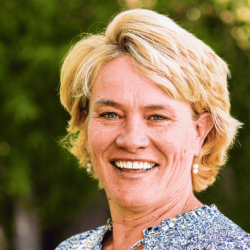
Courtney Green
CAO
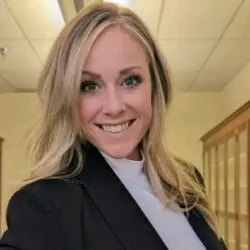
Aimee Foster
CPO
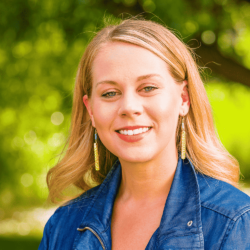
Rebekah Law
Chief of Staff
Accreditations

The Commission on Accreditation of Rehabilitation Facilities (CARF) is a non-profit organization that specifically accredits rehab organizations. Founded in 1966, CARF's, mission is to help service providers like rehab facilities maintain high standards of care.
CARF Accreditation: Yes

State Licenses are permits issued by government agencies that allow rehab organizations to conduct business legally within a certain geographical area. Typically, the kind of program a rehab facility offers, along with its physical location, determines which licenses are required to operate legally.
State License: Wyoming
Rehab.com regularly reviews this listing for accuracy but changes may occur between updates. For the most up-to-date information, please contact Veteran Services – Volunteers of America.
Contact Information


510 W 29th St
Cheyenne, WY 82001
Sponsored Helpline



