The primary treatment available is their residential four-level system. Each level lasts 30 days. This service may uncover the root causes of addiction and treat them for long-term recovery. The typical stay is 4 to 6 months.
They base the program on Abraham Maslow’s Hierarchy of Needs, which illustrates what most people need to thrive. Using this system, they focus on the positive qualities of each person rather than concentrating on negative aspects. The focus is not on riding horses, but communicating and working with them so you can regulate your emotions, build up skills and patience, and learn to care for others.
The first stage is about stabilization and decompression. The team teaches coping skills and communication strategies for positive interactions. You’ll also have opportunities to work on the needs that matter most to you.
Stage two is about your emotional intelligence and the interpretations you have of events. It helps with the root causes of substance use and teaches you how to examine your belief system to become more positive and self-aware.
Level three also works on developing coping skills and more growth as your beliefs transition and change. You’ll learn new behaviors and actions to change how you view situations. This service helps produce a healthier mindset.
The final level focuses on the spiritual, mental, emotional, and physical aspects of healing. In this rural small town, they’ll teach you how to differentiate between healthy and unhealthy factors. You’ll learn to have healthy social interactions and experiences that help with long-term sobriety.
They accept most private health insurance plans but do not accept Medicaid.
It’s never easy to make the decision to send your child to long term inpatient care. I have a daughter here now and I love this program. The staff cares. The girls get the help they need. They have strict rules and boundaries, but they also get understanding, good therapy, etc. I would recommend.
Response from the owner1 week ago
Thank you, Be, for sharing your experience! It means a lot to know that you feel supported here. If you'd like to chat more about your daughter's journey, feel free to reach out anytime!
This place saved my life in more ways than you could ever imagine. Between giving me structure to teaching me how to control my outburst and my emotions. They helped me heal so much trauma and they are my forever saving grace. I wouldnt trade anything about this experience for anything
Response from the owner1 week ago
Jacqualyne, we're incredibly grateful for your kind words. We're thrilled to have been a part of your journey. Feel free to reach out anytime to share more about your experience. Thank you! White Horse Ranch, Mooreland, other
If you are a parent or guardian seeking help for a troubled child, then you already know it is one of the most difficult situations you will encounter. As parents, we often question ourselves, wondering what we could have done different. Put those thoughts aside. Remember–you are only human. You love your child. You have done all you can. If a parent’s love could heal your child, she would already be well. I know you are exhausted, frustrated, devastated. Take a deep breath and know… There is healing available for your daughter and family.
My daughter was admitted to White Horse Ranch in early 2021. She graduated the program after five months of intensive therapy. The change in my daughter was nothing less of phenomenal. I’m not a believer, but I will often describe the staff at WHR as miracle workers.
As a parent, I participated in weekly family therapy with my daughter. Not only did I receive regular updates on my daughter’s progress, but a staff person was always available to speak with me–24 hours a day. I could call at anytime to check on my daughter. I’m a single mom and have a tight budget. My insurance covered a great portion of the expenses, but not all. However, WHR worked with me, allowing me to set up a payment plan so that my daughter got all the care she needed.
Were there bumps in the road? Of course. After all, WHR is a residential treatment center for teen girls. Therapy is grueling work for anyone, and especially for children. Ups and downs are to be expected. I know my daughter had her share. But… I knew she was in capable hands and that her safety and the safety of all the girls would be guarded and maintained.
In a world of instability, WHR maintains a strict, predictable schedule, which is a crucial part of the therapy. The girls learn how to be responsible to themselves and those around them. They learn to keep themselves and their living spaces clean and organized. They learn to organize their activities to make the most of their time. Most importantly, they learn that their choices and actions have consequences for better or for worse. That concept alone is crucial to future success. They also incorporate holiday and birthday celebrations into the schedule which my daughter really enjoyed. And the horses… the equine therapy was an incredible experience for my daughter. She learned to trust and be trusted. She took on the responsibility of caring for the needs of another living being and the rewards of that dynamic have been ongoing.
A word about the Christian environment… Yes, the environment includes an element of Christianity, mostly in the form of Christian love. But what is that? Doing unto others as you would have done unto you. That’s a Universal law that most people on earth follow. If someone has an issue with that, I don’t know what to tell them. That said, for those who are Christian, there are services offered every Sunday. However, I am a staunch atheist, so I was a bit worried about indoctrination of my child; however, the staff at WHR was respectful and accommodating, which I greatly appreciated.
With all that said, I highly recommend WHR to any parent or guardian struggling with their daughter’s behavioral and mental health issues. And remember, there is healing available for your daughter and family.
Response from the owner1 week ago
Hey Tresa, thanks a million for sharing your incredible experience at White Horse Ranch in Mooreland! It's fantastic to hear about the transformation in your daughter. We'll keep working miracles over here! Keep spreading the love!
Scoring is assigned by a proprietary system which helps surface key metrics that determine quality. The 10-point scale factors in categories such as operations, customer satisfaction, and trust metrics. Read Full Methodology
6.2 / 10
Gallery
Other Forms of Payment
Private insurance refers to any kind of healthcare coverage that isn't from the state or federal government. This includes individual and family plans offered by an employer or purchased from the Insurance Marketplace. Every plan will have different requirements and out of pocket costs so be sure to get the full details before you start treatment.
Self-pay involves paying for treatment out of your own pocket. You can use savings or credit, get a personal loan, or receive help from family and friends to fund your treatment. If you don't have insurance or your insurance plan doesn't cover a specific program, self-pay can help ensure you still get the care you need.
Sliding scale payments are based on a client's income and family size. The goal is to make treatment affordable to everyone. By taking these factors into account, addiction recovery care providers help ensure that your treatment does not become a financial burden to you or your family, eliminating one barrier to care.
Private insurance refers to any kind of healthcare coverage that isn't from the state or federal government. This includes individual and family plans offered by an employer or purchased from the Insurance Marketplace. Every plan will have different requirements and out of pocket costs so be sure to get the full details before you start treatment.
Addiction Treatments
Levels of Care
Outpatient Programs (OP) are for those seeking mental rehab or drug rehab, but who also stay at home every night. The main difference between outpatient treatment (OP) and intensive outpatient treatment (IOP) lies in the amount of hours the patient spends at the facility. Most of the time an outpatient program is designed for someone who has completed an inpatient stay and is looking to continue their growth in recovery. Outpatient is not meant to be the starting point, it is commonly referred to as aftercare.
Intensive Outpatient Programs (IOP) are for those who want or need a very structured treatment program but who also wish to live at home and continue with certain responsibilities (such as work or school). IOP substance abuse treatment programs vary in duration and intensity, and certain outpatient rehab centers will offer individualized treatment programs.
Residential treatment programs are those that offer housing and meals in addition to substance abuse treatment. Rehab facilities that offer residential treatment allow patients to focus solely on recovery, in an environment totally separate from their lives. Some rehab centers specialize in short-term residential treatment (a few days to a week or two), while others solely provide treatment on a long-term basis (several weeks to months). Some offer both, and tailor treatment to the patient's individual requirements.
A partial hospitalization program (PHP) is ideal for those with moderate to severe addictions who don't require 24-hour care. PHP treatment can be an alternative to inpatient hospitalization or a step-down option after hospital or residential care. During a partial hospitalization program, you'll engage in daily therapeutic services for a minimum of 20 hours a week with the ability to return home. The cost of a partial hospitalization program can vary but is often covered by providers.
Treatments
The goal of treatment for alcoholism is abstinence. Those with poor social support, poor motivation, or psychiatric disorders tend to relapse within a few years of treatment. For these people, success is measured by longer periods of abstinence, reduced use of alcohol, better health, and improved social functioning. Recovery and Maintenance are usually based on 12 step programs and AA meetings.
To address the issues of addiction, each drug rehab in Oklahoma is tailored to meet the individual's needs. Treatment may occur in a residential or outpatient setting, and may last from a few days to several months.
Many of those suffering from addiction also suffer from mental or emotional illnesses like schizophrenia, bipolar disorder, depression, or anxiety disorders. Rehab and other substance abuse facilities treating those with a dual diagnosis or co-occurring disorder administer psychiatric treatment to address the person's mental health issue in addition to drug and alcohol rehabilitation.
A combined mental health and substance abuse rehab has the staff and resources available to handle individuals with both mental health and substance abuse issues. It can be challenging to determine where a specific symptom stems from (a mental health issue or an issue related to substance abuse), so mental health and substance abuse professionals are helpful in detangling symptoms and keeping treatment on track.
Opioid rehabs specialize in supporting those recovering from opioid addiction. They treat those suffering from addiction to illegal opioids like heroin, as well as prescription drugs like oxycodone. These centers typically combine both physical as well as mental and emotional support to help stop addiction. Physical support often includes medical detox and subsequent medical support (including medication), and mental support includes in-depth therapy to address the underlying causes of addiction.
Addiction treatment programs in Oklahoma help individuals to address substance abuse problems. With various programs available, including outpatient, inpatient, and partial hospitalization, you can find the right level of care. Typically, you can expect treatment programs to incorporate evidence-based therapies, such as cognitive-behavioral therapy (CBT), skills training, recovery meetings, and mindfulness-based therapy. When integrated, these therapeutic interventions can help you successfully overcome substance abuse and continue to enjoy long-term mental health.
Mental health therapists will help you learn to identify your personal triggers and develop healthy coping mechanisms for stress and anxiety management. You will also learn how to maintain healthy relationships and develop a positive outlook on life, which are essential for mental health.
Programs
Recovery is most successful when clients feel accepted and validated by their peers and treatment providers. Facilities that offer LGBTQ-inclusive programming are committed to creating a safe space where everyone can grow and recover without fear of judgment or discrimination. They will have dedicated policies in place to create a safe and supportive environment that fosters free expression.
Teen programs are designed to address the unique pressures teens face, pressures that can drive them to experiment with dangerous, addictive substances. They need programs that meet them exactly where they are and give them tools for long-term recovery. Therapy can help teenagers understand and work through underlying issues so they can reclaim the life ahead of them.
Clinical Services
Cognitive Behavioral Therapy (CBT) is a therapy modality that focuses on the relationship between one's thoughts, feelings, and behaviors. It is used to establish and allow for healthy responses to thoughts and feelings (instead of unhealthy responses, like using drugs or alcohol). CBT has been proven effective for recovering addicts of all kinds, and is used to strengthen a patient's own self-awareness and ability to self-regulate. CBT allows individuals to monitor their own emotional state, become more adept at communicating with others, and manage stress without needing to engage in substance abuse.
Whether a marriage or other committed relationship, an intimate partnership is one of the most important aspects of a person's life. Drug and alcohol addiction affects both members of a couple in deep and meaningful ways, as does rehab and recovery. Couples therapy and other couples-focused treatment programs are significant parts of exploring triggers of addiction, as well as learning how to build healthy patterns to support ongoing sobriety.
Dialectical Behavior Therapy (DBT) is a modified form of Cognitive Behavioral Therapy (CBT), a treatment designed to help people understand and ultimately affect the relationship between their thoughts, feelings, and behaviors. DBT is often used for individuals who struggle with self-harm behaviors, such as self-mutilation (cutting) and suicidal thoughts, urges, or attempts. It has been proven clinically effective for those who struggle with out-of-control emotions and mental health illnesses like Borderline Personality Disorder.
Certified by the International Equine Assisted Growth and Learning Association, White Horse Ranch provides the latest and most innovative form of therapeutic interaction with horses, also known as Equine Assisted Psychotherapy. They work with retired racehorses through therapy programs that have been duly certificated by the Equine Assisted Growth and Learning Association (EAGALA).
Experiential therapy is a form of therapy in which clients are encouraged to surface and work through subconscious issues by engaging in real-time experiences. Experiential therapy departs from traditional talk therapy by involving the body, and having clients engage in activities, movements, and physical and emotional expression. This can involve role-play or using props (which can include other people). Experiential therapy can help people process trauma, memories, and emotion quickly, deeply, and in a lasting fashion, leading to substantial and impactful healing.
Research clearly demonstrates that recovery is far more successful and sustainable when loved ones like family members participate in rehab and substance abuse treatment. Genetic factors may be at play when it comes to drug and alcohol addiction, as well as mental health issues. Family dynamics often play a critical role in addiction triggers, and if properly educated, family members can be a strong source of support when it comes to rehabilitation.
Group therapy is any therapeutic work that happens in a group (not one-on-one). There are a number of different group therapy modalities, including support groups, experiential therapy, psycho-education, and more. Group therapy involves treatment as well as processing interaction between group members.
In individual therapy, a patient meets one-on-one with a trained psychologist or counselor. Therapy is a pivotal part of effective substance abuse treatment, as it often covers root causes of addiction, including challenges faced by the patient in their social, family, and work/school life.
Nutrition therapy, aka medical nutrition therapy (MNT), is a way of treating physical, emotional, and medical conditions through diet. Specific dietary plans are designed by professional nutritionists or registered dietitians, and patients follow them in order to positively affect their physical and mental health.
Trauma therapy addresses traumatic incidents from a client's past that are likely affecting their present-day experience. Trauma is often one of the primary triggers and potential causes of addiction, and can stem from child sexual abuse, domestic violence, having a parent with a mental illness, losing one or both parents at a young age, teenage or adult sexual assault, or any number of other factors. The purpose of trauma therapy is to allow a patient to process trauma and move through and past it, with the help of trained and compassionate mental health professionals.
Motivational interviewing may be used on its own or in conjunction with other treatment approaches. It is designed as a mode of communication rather than an intervention. It involves asking questions, listening, and encouraging clients to come to their own conclusions and feel empowered to make changes in their lives.
Amenities
Private Setting
Private Rooms
Residential Setting
Staff & Accreditations
Staff
Tammie R Smith
Founder
Julia Brockway
Assistant Director
Accreditations
The Commission on Accreditation of Rehabilitation Facilities (CARF) is a non-profit organization that specifically accredits rehab organizations. Founded in 1966, CARF's, mission is to help service providers like rehab facilities maintain high standards of care.
CARF Accreditation: Yes
Rehab.com regularly reviews this listing for accuracy but changes may occur between updates. For the most up-to-date information, please contact White Horse Ranch.
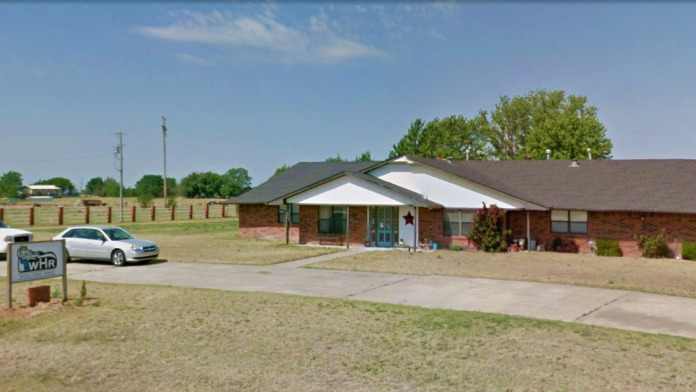
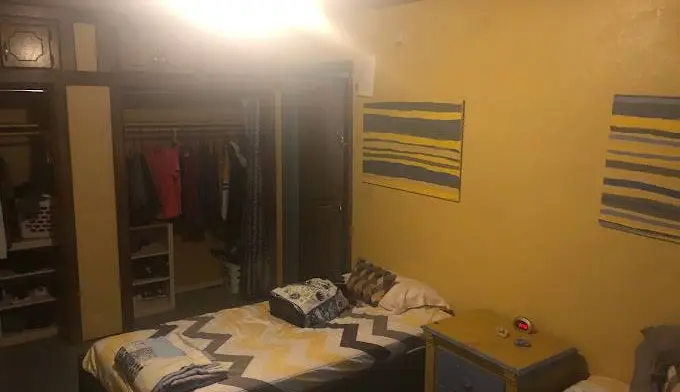
This place is a total scam. They advertise nurses, chefs, premium facility. All bs. It is a run down old small house on a small lot in rural Oklahoma. The meals are from the coffee shop the owner also runs. I was able to peek inside and the girls are left in dark rooms with ...
Read More
Seeing your five-star rating made our day, Sahar — thank you, we're over the moon. Hope to see you back soon.
Natalie Tolle
1 month ago
1
This place traumatized me beyond what i thought possible. If you love your child send them somewhere else. I found help in other places.
Coming back later to add to this. As I have learned more information from when I left.
I have level one autism, and was sent here as a safe place to figure out meds for depression, a panic disorder, and anxiety. I was not diagnosed with autism at the time, but I was diagnosed with the others, including a self harm problem. The staff was not careful about keeping me from self harming during meltdowns and episodes of distress, and actively forced strict isolation protocols on all of us. We were discouraged from even speaking to eachother, our free time was slowly taken away, our trips out were canceled, my phone calls to my family were taken, and by the end of my stay I had been drugged up on the couch on suicide watch because I broke down to my mom about how bad I was doing. They then accused me of hiding my pills under my tongue and faked a false drug test, saying I was selling my meds to the other girls despite me literally never once having had a drug problem in my life, or any history of drug use. They had me on more meds than I knew what to do with, making me lethargic and I slept most hours of the day by the end. And when my mom stopped getting calls from me and was told that they planned to send me to a military camp, yes. A military camp. She came and got me immediately. I hadnt eaten or drank anything in a while, as I was drugged up and unconscious, so as I was packing my things in trash bags, I could barely walk and was shaking badly. And the nurse there told me that not eating or drinking was a form of self harm, and they would send me to a Psych ward nearby and she promised they wouldnt be as nice as the ones I was used to. Which, mind you, I was in in my home town because of suicide attempts. Also, I faintly remember the owner, Tammie, my therapist, the nurse, and the lady who gave us pills waking me up while I was on the couch and they were saying things like "we know what you are doing. We know what you are." Things like that, to try and threaten me into compliance. They also had what they call Grievances. I believe they are on Saturdays? Or they used to be. Where one girl sits in the middle with whoever filed the grievance, and everyone in the circle takes turns tearing into the girl about what she did wrong. Its the only time we were actually encouraged to interact with eachother.
I am an adult now, working through my trauma even still, and in a much better place. And my healing would have gone much much better if it werent for this awful place.
Again. I had no history of drug use, alcohol use, or any other addictions when I came here. I was depressed, overmedicated, and needed a safe place to find what medication worked for me that wouldnt give me bad reactions. And that is the stuff they did.
DO NOT SEND YOUR DAIGHTERS HERE. It is a waste of money, it will only traumatize them more. Healing is possible. And I know its scary, I know its hard to have a kid suffering so much, and to feel desperate to find anywhere that can help. But this. Is. Not. It.
And if ANYONE reads this and has a kid there right now? Get them out. Dont wait, dont hesitate. Drive up there and get them. Please.
Micayla Armstrong
7 months ago
1
A P
1 year ago
1
They will brainwash your kids and turn them against you. They only want them for the money they can collect from insurance and state. Your children will end up more depressed than they arrived.
Patti Croft is a seasoned writer who specializes in all things technology, healthcare, and animal welfare. She holds a Masters in Business Administration and carries a wealth of hands-on experience thanks to her background in Healthcare Information Management and years of experience working in the healthcare environment.
By calling the helpline you agree to the terms of use. We do not receive any commission or fee that is dependent upon which treatment provider a caller chooses. There is no obligation to enter treatment.
Calls to numbers on a specific treatment center listing will be routed to that treatment center. Calls to any general helpline could be forwarded to SAMHSA or a verified treatment provider.
If you wish to connect with non-sponsor centers, you can browse top-rated listings, visit our homepage and browse by state, or visit SAMHSA.

 Sponsored Helpline





























































































 91+
91+ 





 Private Setting
  Private Rooms
  Residential Setting