





























































































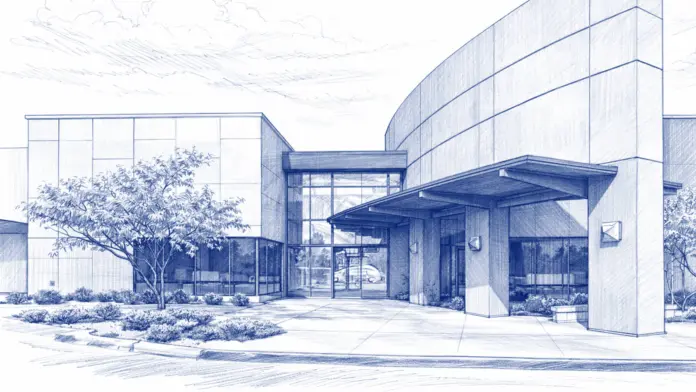
About Yale – Branford Adolescent Day Hospital
Yale Branford Adolescent Day Hospital is an outpatient addiction and mental health treatment provider in Branford, Connecticut, that serves teens between the ages of 12 and 18 years. The program offers day hospital and intensive outpatient services for adolescents facing substance use concerns, co-occurring mental health conditions and a range of psychiatric challenges.
As part of the Yale New Haven Health system, the center combines in person care with telehealth options to support both young people and their families.
Intensive Outpatient Treatment Approaches
The program provides day hospital and intensive outpatient services created specifically for adolescents. Treatment addresses substance use alongside mood disorders, trauma related concerns, eating disorders, developmental conditions, disruptive behavior and psychotic disorders. Care is guided by evidence based practices, including cognitive behavioral therapy, structured group sessions, and medical interventions when clinically appropriate.
Who Can Get Help at This Program?
Yale Branford Adolescent Day Hospital serves teens who need consistent, structured support for substance use and mental health challenges. The program also offers accessibility services, including sign language support and adapted communication methods, to ensure care is inclusive and responsive to individual needs.
Services are available both in person and through telehealth, giving families flexibility while balancing school, work, and other responsibilities. Yale Branford Adolescent Day Hospital accepts Medicaid, Medicare, private insurance, and military insurance plans. Self pay arrangements and financial assistance may also be available for eligible families.
Facility Overview
 1541
1541  15 - 30
Rehab Score
 Our Methodology


Gallery
Other Forms of Payment
Medicaid is a state based program that helps lower-income individuals and families pay for healthcare. Medicaid covers addiction treatment so those enrolled can use their coverage to pay for rehab. When a program accepts Medicaid the client often pays very little or nothing out of their own pocket.
Private insurance refers to any kind of healthcare coverage that isn't from the state or federal government. This includes individual and family plans offered by an employer or purchased from the Insurance Marketplace. Every plan will have different requirements and out of pocket costs so be sure to get the full details before you start treatment.
Self-pay involves paying for treatment out of your own pocket. You can use savings or credit, get a personal loan, or receive help from family and friends to fund your treatment. If you don't have insurance or your insurance plan doesn't cover a specific program, self-pay can help ensure you still get the care you need.
Financial aid can take many forms. Centers may have grants or scholarships available to clients who meet eligibility requirements. Programs that receive SAMHSA grants may have financial aid available for those who need treatment as well. Grants and scholarships can help you pai for treatment without having to repay.
Medicare is a federal program that provides health insurance for those 65 and older. It also serves people under 65 with chronic and disabling health challenges. To use Medicare for addiction treatment you need to find a program that accepts Medicare and is in network with your plan. Out of pocket costs and preauthorization requirements vary, so always check with your provider.
Military members, veterans, and eligible dependents have access to specific insurance programs that help them get the care they need. TRICARE and VA insurance can help you access low cost or no cost addiction and mental health treatment. Programs that accept military insurance often have targeted treatment focused on the unique challenges military members, veterans, and their families face.
Addiction Treatments
Levels of Care
Outpatient Programs (OP) are for those seeking mental rehab or drug rehab, but who also stay at home every night. The main difference between outpatient treatment (OP) and intensive outpatient treatment (IOP) lies in the amount of hours the patient spends at the facility. Most of the time an outpatient program is designed for someone who has completed an inpatient stay and is looking to continue their growth in recovery. Outpatient is not meant to be the starting point, it is commonly referred to as aftercare.
Treatments
Mental health rehabs focus on helping individuals recover from mental illnesses like bipolar disorder, clinical depression, anxiety disorders, schizophrenia, and more. Mental health professionals at these facilities are trained to understand and treat mental health issues, both in individual and group settings.
Clinical Services
Cognitive Behavioral Therapy (CBT) is a therapy modality that focuses on the relationship between one's thoughts, feelings, and behaviors. It is used to establish and allow for healthy responses to thoughts and feelings (instead of unhealthy responses, like using drugs or alcohol). CBT has been proven effective for recovering addicts of all kinds, and is used to strengthen a patient's own self-awareness and ability to self-regulate. CBT allows individuals to monitor their own emotional state, become more adept at communicating with others, and manage stress without needing to engage in substance abuse.
Dialectical Behavior Therapy (DBT) is a modified form of Cognitive Behavioral Therapy (CBT), a treatment designed to help people understand and ultimately affect the relationship between their thoughts, feelings, and behaviors. DBT is often used for individuals who struggle with self-harm behaviors, such as self-mutilation (cutting) and suicidal thoughts, urges, or attempts. It has been proven clinically effective for those who struggle with out-of-control emotions and mental health illnesses like Borderline Personality Disorder.
Experiential therapy is a form of therapy in which clients are encouraged to surface and work through subconscious issues by engaging in real-time experiences. Experiential therapy departs from traditional talk therapy by involving the body, and having clients engage in activities, movements, and physical and emotional expression. This can involve role-play or using props (which can include other people). Experiential therapy can help people process trauma, memories, and emotion quickly, deeply, and in a lasting fashion, leading to substantial and impactful healing.
Group therapy is any therapeutic work that happens in a group (not one-on-one). There are a number of different group therapy modalities, including support groups, experiential therapy, psycho-education, and more. Group therapy involves treatment as well as processing interaction between group members.
In individual therapy, a patient meets one-on-one with a trained psychologist or counselor. Therapy is a pivotal part of effective substance abuse treatment, as it often covers root causes of addiction, including challenges faced by the patient in their social, family, and work/school life.
Staff
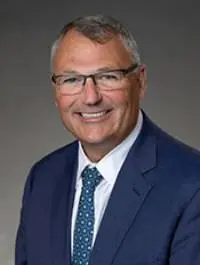
Christopher M. O’Connor, FACHE
Chief Executive Officer
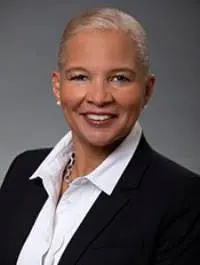
Pamela Sutton-Wallace, MPH
President

Katherine Heilpern, MD, FACEP
President

William J. Aseltyne
Executive Vice President Chief of Staff and General Counsel
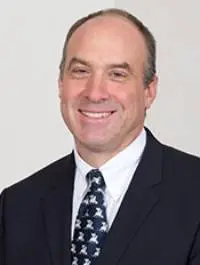
Thomas Balcezak, MD
Executive Vice President Chief Clinical Officer
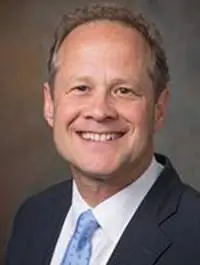
Alan Friedman, MD
Senior Vice President Chief Medical Officer

Beth Heinz, MHA, MSW
Senior Vice President Women’s and Children’s Services
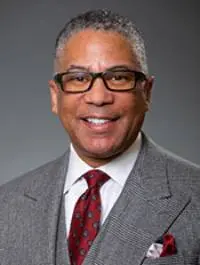
Michael D. Holmes
Executive Vice President Chief Operating Officer
Rehab.com regularly reviews this listing for accuracy but changes may occur between updates. For the most up-to-date information, please contact Yale – Branford Adolescent Day Hospital.
Contact Information

21 Business Park Drive
Branford, CT 06405
Sponsored Helpline


