





























































































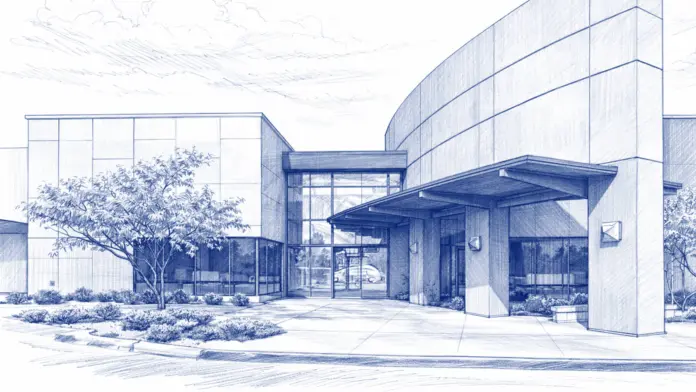


Easier for me to get to than where I live than the other locations.
About Access Ohio Mental Health Center
Access Ohio provides an intensive outpatient program, a partial hospitalization program, and medication-assisted treatment.
The daytime or evening treatment program provides therapy and recovery support. Sessions are highly structured and involve cognitive behavioral therapy and life coaching skills.
The IOP is a part-time care experience integrated with group therapy and counseling.
The MAT program uses medication in combination with counseling and behavioral therapies. FDA-approved medications are used to prevent drug cravings and reduce withdrawal symptoms.
This facility accepts Medicaid and most commercial insurance plans like Aetna, United, BlueCross/BlueShield, Cigna, Humana, and Beacon. Additionally, they accept Anthem, ComPsych, and Magellan Health. Check with your provider to verify your out-of-network benefits as an option.
Latest Reviews
Absolutely love Access Ohio!! I've been going here for well over 10 yrs. The nurses, the Dr, the ladies at the front desk, All friendly, kind, caring, compassionate, there to help in anyway they can. I'm always in & out never have to wait long at my appointment. They are great about getting you in the same day or if you need to reschedule your appointment. I've NEVER had a single appointment that I can complain about. Always have had a good experience with all the staff, Drs, nurses, counselors. I would highligly recommend this place for anyone that suffers with mental health. This is definitely a place that will help you in many different ways😁
I've had a great experience here with primary care and psychiatry. They are always helpful. Doctors, nurses, and desk staff are all accommodating, friendly, and very timely with my requests. Thank you!
This place has helped my family tremendously! I absolutely LOVE my nurse and my Dr. I would recommend them, and I have, to anyone needing psychiatry help!

Rehab Score
 Our Methodology
Scoring is assigned by a proprietary system which helps surface key metrics that determine quality. The 10-point scale factors in categories such as operations, customer satisfaction, and trust metrics. Read Full Methodology

5.9 / 10
Location
Accepted Insurance
Other Forms of Payment
Private insurance refers to any kind of healthcare coverage that isn't from the state or federal government. This includes individual and family plans offered by an employer or purchased from the Insurance Marketplace. Every plan will have different requirements and out of pocket costs so be sure to get the full details before you start treatment.
Self-pay involves paying for treatment out of your own pocket. You can use savings or credit, get a personal loan, or receive help from family and friends to fund your treatment. If you don't have insurance or your insurance plan doesn't cover a specific program, self-pay can help ensure you still get the care you need.
Medicare is a federal program that provides health insurance for those 65 and older. It also serves people under 65 with chronic and disabling health challenges. To use Medicare for addiction treatment you need to find a program that accepts Medicare and is in network with your plan. Out of pocket costs and preauthorization requirements vary, so always check with your provider.
Medicaid is a state based program that helps lower-income individuals and families pay for healthcare. Medicaid covers addiction treatment so those enrolled can use their coverage to pay for rehab. When a program accepts Medicaid the client often pays very little or nothing out of their own pocket.
Addiction Treatments
Levels of Care
Outpatient Programs (OP) are for those seeking mental rehab or drug rehab, but who also stay at home every night. The main difference between outpatient treatment (OP) and intensive outpatient treatment (IOP) lies in the amount of hours the patient spends at the facility. Most of the time an outpatient program is designed for someone who has completed an inpatient stay and is looking to continue their growth in recovery. Outpatient is not meant to be the starting point, it is commonly referred to as aftercare.
Residential treatment programs are those that offer housing and meals in addition to substance abuse treatment. Rehab facilities that offer residential treatment allow patients to focus solely on recovery, in an environment totally separate from their lives. Some rehab centers specialize in short-term residential treatment (a few days to a week or two), while others solely provide treatment on a long-term basis (several weeks to months). Some offer both, and tailor treatment to the patient's individual requirements.
Intensive outpatient programs (IOP) are designed for clients who need frequent, high-level care but do not require, or choose to forgo, inpatient treatment. Most intensive outpatient rehabs offer a minimum of nine hours of treatment weekly, though clients may receive up to 20 hours of care as needed. These programs typically combine various treatment modalities, including individual, group, and family counseling, medication assisted treatment (MAT), addiction and recovery education, and evidence-based complementary therapies, such as acupuncture and massage.
Designed for individuals with moderate to severe addictions, a partial hospitalization program (PHP) provides a more intensive form of outpatient therapy. PHP treatment can serve as an alternative to inpatient hospitalization or as a step-down option after being discharged from a hospital or residential program. A partial hospitalization program typically requires a minimum of 20 hours weekly for an average of 90 days. Depending on your care plan, PHPs can include relapse prevention, medication management, and behavioral therapy services.
During initial recovery, withdrawal from alcohol, opiates, and benzodiazepines can involve high health risk. Attempting detox outside of 24-hour clinical care in Ohio is not recommended. This can be life-threatening because medical staff are not available to treat severe symptoms of withdrawal that often occur. Such symptoms can include seizures, delirium tremens, and extreme dehydration. In a clinical setting, staff are on-site to immediately care for your physical, emotional, and mental health needs.
Medical detox involves clearing your body of drugs and/or alcohol under the 24/7 care of licensed medical professionals. If you've become dependent on alcohol or drugs (like benzodiazepines or opioids), quitting abruptly can have uncomfortable and even dangerous side effects. The purpose of medically assisted detox is to keep you as safe and comfortable as possible during this process. Medications like Suboxone or Vivitrol may be provided if necessary to mitigate any withdrawal symptoms.
Treatments
Many of those suffering from addiction also suffer from mental or emotional illnesses like schizophrenia, bipolar disorder, depression, or anxiety disorders. Rehab and other substance abuse facilities treating those with a dual diagnosis or co-occurring disorder administer psychiatric treatment to address the person's mental health issue in addition to drug and alcohol rehabilitation.
Mental health rehabs focus on helping individuals recover from mental illnesses like bipolar disorder, clinical depression, anxiety disorders, schizophrenia, and more. Mental health professionals at these facilities are trained to understand and treat mental health issues, both in individual and group settings.
Programs
Adult rehab programs include therapies tailored to each client's specific needs, goals, and recovery progress. They are tailored to the specific challenges adult clients may face, including family and work pressures and commitments. From inpatient and residential treatment to various levels of outpatient services, there are many options available. Some facilities also help adults work through co-occurring conditions, like anxiety, that can accompany addiction.
Young adulthood can be an exciting, yet difficult, time of transition. Individuals in their late teens to mid-20s face unique stressors related to school, jobs, families, and social circles, which can lead to a rise in substance use. Rehab centers with dedicated young adult programs will include activities and amenities that cater to this age group, with an emphasis on specialized counseling, peer socialization, and ongoing aftercare.
Recovery is most successful when clients feel accepted and validated by their peers and treatment providers. Facilities that offer LGBTQ-inclusive programming are committed to creating a safe space where everyone can grow and recover without fear of judgment or discrimination. They will have dedicated policies in place to create a safe and supportive environment that fosters free expression.
Clinical Services
Group therapy is any therapeutic work that happens in a group (not one-on-one). There are a number of different group therapy modalities, including support groups, experiential therapy, psycho-education, and more. Group therapy involves treatment as well as processing interaction between group members.
In individual therapy, a patient meets one-on-one with a trained psychologist or counselor. Therapy is a pivotal part of effective substance abuse treatment, as it often covers root causes of addiction, including challenges faced by the patient in their social, family, and work/school life.
Recreational therapy supports recovery from drug and alcohol addiction by providing you with enjoyable activities that improve your physical and mental health. When you engage in sports, creative arts, and nature excursions, it helps reduce your cravings and stress levels while building a supportive community of peers who can help promote your long term sobriety.
Staff & Accreditations
Staff
Kimberly Broadnax
Healthcare Coordination
Michelle Cremeans
Addiction and Substance Abuse Counseling
Dr. Pavan Dontineni, MD
Psychiatry
Dr. Eric Kahn, MD
Psychiatry
Accreditations

The Joint Commission, formerly known as JCAHO, is a nonprofit organization that accredits rehab organizations and programs. Founded in 1951, the Joint Commision's mission is to improve the quality of patient care and demonstrating the quality of patient care.
Joint Commission Accreditation: Yes
Rehab.com regularly reviews this listing for accuracy but changes may occur between updates. For the most up-to-date information, please contact Access Ohio Mental Health Center.
Contact Information

6400 E Broad St
Columbus, OH 43213
Get Help Now - 614-758-7831
Sponsored Helpline
Sponsored Helpline



