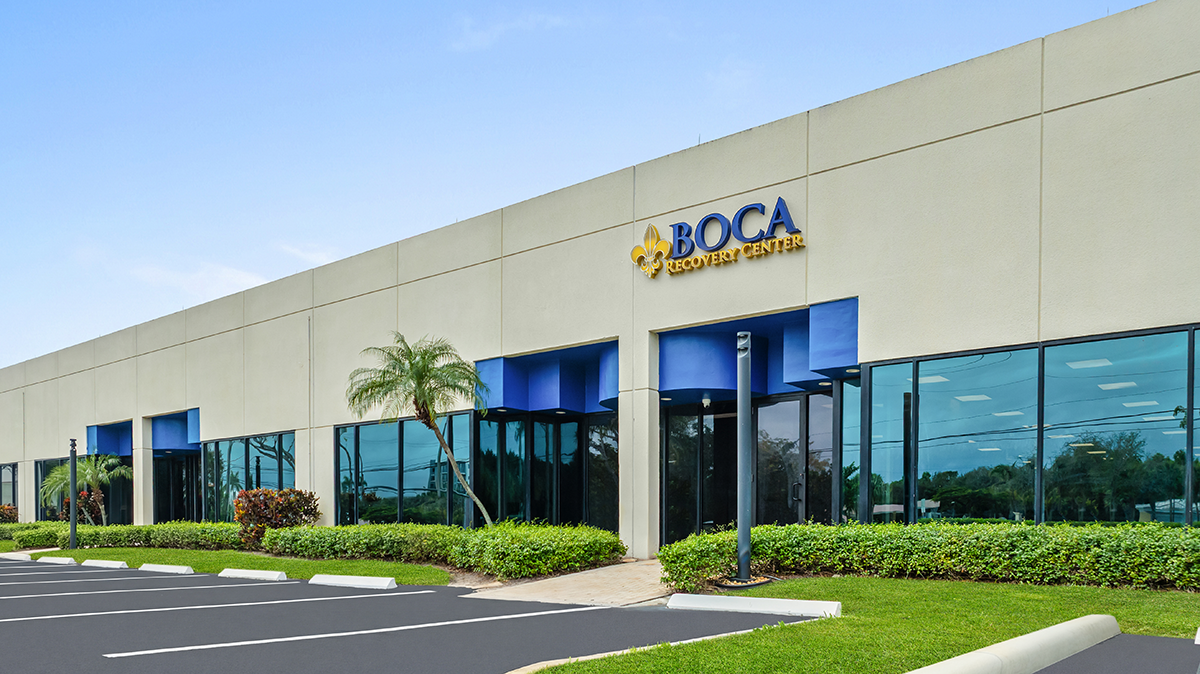
Boca Recovery Center – Alcohol & Drug Rehab Boca Raton
1
Top 10 Rehab In Boca Raton















































































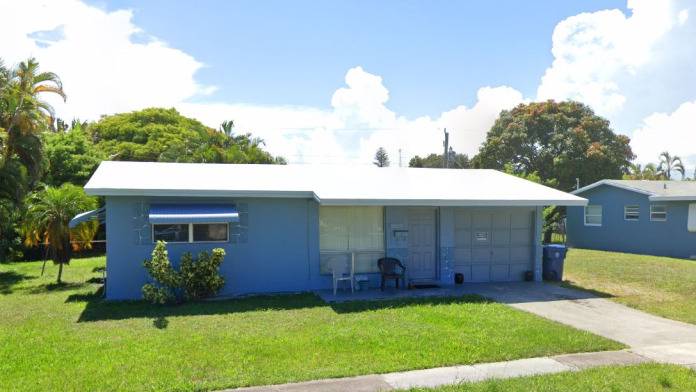
Archways Behavioral Healthcare Center’ ATAP House features inpatient residential treatment for substance abuse recovery for young adults to adults. They have a residential program in a home-like setting allowing clients to focus solely on their care and recovery. It’s located in Fort Lauderdale, Florida.
Programs at Archways that I’m impressed by include the Positive Action and Life Skills Training, providing educational services through evidence-based programs for youth to help them make positive choices in their lives and to recover from substance abuse addictions.
In addition, they host community-based events that focus on increasing awareness of substance abuse and strategize ways to prevent children from succumbing to addiction.
I really like the Positive Action educational program for youth at Archways. It promotes both learning and cooperation among peers with the mindset of ‘do unto others as you would have them do unto you.’ The program has resulted in higher rates of academic success for youth and a reduction in behavioral problems.
In addition, their LifeSkills Training program utilizes research to focus on the social and psychological factors that lead youth to abuse substances and provides tools to help them cope and manage situations that may otherwise lead them down the wrong path of abuse. It also helps them avoid ending up in high risk situations where temptations may be high and easily accessible.
Tailored care for youth ranging in age from late-teens to their mid-twenties focuses on common challenges faced within their age range, including school, jobs, families and their social circles. Adult programs are designed to meet specific goals and focus on common real world challenges like family and work pressures.
Fort Lauderdale is home to many beaches and parks as well as helpful community resources that may be integrated into your recovery and treatment programs. Middle River Terrance Park is just across the street.

 Our Methodology


Private insurance refers to any kind of healthcare coverage that isn't from the state or federal government. This includes individual and family plans offered by an employer or purchased from the Insurance Marketplace. Every plan will have different requirements and out of pocket costs so be sure to get the full details before you start treatment.
Self-pay involves paying for treatment out of your own pocket. You can use savings or credit, get a personal loan, or receive help from family and friends to fund your treatment. If you don't have insurance or your insurance plan doesn't cover a specific program, self-pay can help ensure you still get the care you need.
Sliding scale payments are based on a client's income and family size. The goal is to make treatment affordable to everyone. By taking these factors into account, addiction recovery care providers help ensure that your treatment does not become a financial burden to you or your family, eliminating one barrier to care.
Residential treatment programs are those that offer housing and meals in addition to substance abuse treatment. Rehab facilities that offer residential treatment allow patients to focus solely on recovery, in an environment totally separate from their lives. Some rehab centers specialize in short-term residential treatment (a few days to a week or two), while others solely provide treatment on a long-term basis (several weeks to months). Some offer both, and tailor treatment to the patient's individual requirements.
Completing a drug or alcohol rehab program shouldn't spell the end of substance abuse treatment. Aftercare involves making a sustainable plan for recovery, including ongoing support. This can include sober living arrangements like halfway houses, career counseling, and setting a patient up with community programs like Alcoholics Anonymous (AA) or Narcotics Anonymous (NA).
Many of those suffering from addiction also suffer from mental or emotional illnesses like schizophrenia, bipolar disorder, depression, or anxiety disorders. Rehab and other substance abuse facilities treating those with a dual diagnosis or co-occurring disorder administer psychiatric treatment to address the person's mental health issue in addition to drug and alcohol rehabilitation.
Mental health rehabs focus on helping individuals recover from mental illnesses like bipolar disorder, clinical depression, anxiety disorders, schizophrenia, and more. Mental health professionals at these facilities are trained to understand and treat mental health issues, both in individual and group settings.
Adult rehab programs include therapies tailored to each client's specific needs, goals, and recovery progress. They are tailored to the specific challenges adult clients may face, including family and work pressures and commitments. From inpatient and residential treatment to various levels of outpatient services, there are many options available. Some facilities also help adults work through co-occurring conditions, like anxiety, that can accompany addiction.
Young adulthood can be an exciting, yet difficult, time of transition. Individuals in their late teens to mid-20s face unique stressors related to school, jobs, families, and social circles, which can lead to a rise in substance use. Rehab centers with dedicated young adult programs will include activities and amenities that cater to this age group, with an emphasis on specialized counseling, peer socialization, and ongoing aftercare.
Whether a marriage or other committed relationship, an intimate partnership is one of the most important aspects of a person's life. Drug and alcohol addiction affects both members of a couple in deep and meaningful ways, as does rehab and recovery. Couples therapy and other couples-focused treatment programs are significant parts of exploring triggers of addiction, as well as learning how to build healthy patterns to support ongoing sobriety.
Research clearly demonstrates that recovery is far more successful and sustainable when loved ones like family members participate in rehab and substance abuse treatment. Genetic factors may be at play when it comes to drug and alcohol addiction, as well as mental health issues. Family dynamics often play a critical role in addiction triggers, and if properly educated, family members can be a strong source of support when it comes to rehabilitation.
Group therapy is any therapeutic work that happens in a group (not one-on-one). There are a number of different group therapy modalities, including support groups, experiential therapy, psycho-education, and more. Group therapy involves treatment as well as processing interaction between group members.
In individual therapy, a patient meets one-on-one with a trained psychologist or counselor. Therapy is a pivotal part of effective substance abuse treatment, as it often covers root causes of addiction, including challenges faced by the patient in their social, family, and work/school life.
Life skills trainings involve all the skills a person must have in order to function successfully in the world. These include time management, career guidance, money management, and effective communication. Truly successful addiction recovery is based on the ability to not only live substance-free, but to thrive. Life skills teaches the practical necessities of functioning in society, which sets clients up for success in life, and therefore sobriety.

919 NE 13th St
Fort Lauderdale, FL 33304
Sponsored Helpline


I’m extremely impressed at the dedication and commitment this facility has shown. It’s a amazing to have services and staff that go above and beyond for there clients.

I am so happy I decided to go to this program! It had changed my life for the better, not only with my substance abuse issues but also my anxiety and depression. Highly recommend! Great supportive staff!
 Back
Back
Sharing your insights and experiences can help others learn more about this rehab center.