






























































































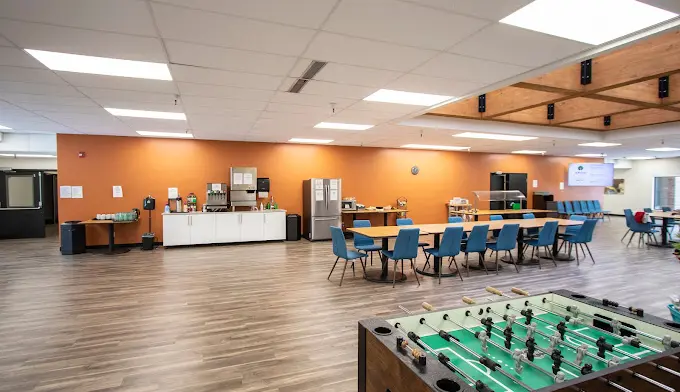
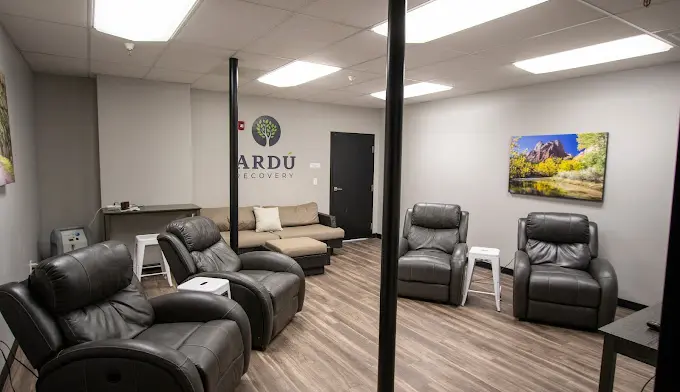
Ardu has everything top of the line: staff, treatments, food, furnishings, etc... Touring the facility and learning about Ardu was unbelievable. They’ve thought of every detail. It’s so beautiful and peaceful and such a comfortable home-like environment. I wouldn’t sen ...
About Ardú Recovery Center
They accept most major insurance. You may be able to use Medicaid depending on the type you have. They accept fee for service Medicaid, Select Health, Medicaid, Target Adult Medicaid (TAM), and Healthy U Medicaid. They do not take Medicare, Optum Medicaid or Wasatch Mental Health.
The detox they offer is a detox with 24/7 medical monitoring. They also offer holistic and nonmedical detox if you prefer. They also have a detox program for pregnant women which differs depending on what substance you’re withdrawing from.
After detox, you’ll transition to a rehabilitation program which includes treatment for co-occurring disorders. They offer inpatient and outpatient rehab programs. The inpatient program is a more intense level of care, while the outpatient program allows for more flexibility with your schedule.
You’ll have access to the full range of traditional therapeutic modalities for co-occurring disorders such as cognitive behavioral therapy (CBT), dialectical behavior therapy (DBT), eye movement desensitization and reprocessing (EMDR) and nutrition counseling. You’ll also learn about and participate in the 12 Step model of recovery like Alcoholics Anonymous.
They also offer some alternative therapies you may like, such as the float spa therapy. This is a type of sensory deprivation. You float in shallow, warm, mineral rich water inside an enclosed pod. It helps free your mind from distractions and offers deep relaxation and stress reduction.
You can also have vibroacoustic therapy, which involves lying on a treatment table while speakers transmit special frequencies through your body. It helps reduce pain and muscle tension, improve blood circulation, enhance lymphatic drainage and reduce anxiety and stress.
Because chemical dependency adversely affects the brain, they also offer IV amino acid therapy to rebalance brain chemicals. Amino acid therapy doesn’t cure addiction, but it helps restore several important amino acids that are depleted with substance use. If you like the idea of alternative therapies in addition to traditional rehab, this may be a good choice for you.
Latest Reviews
I went there to ask questions and everyone there answered very respectfully! I had a great experience with the personell! Way to go! Thanks for helping so many patients! Many blessings!
I am so gratI am grateful for Ardu and the staff. I have been to other recovery centers, and it's been nothing like Ardu. The staff is so caring and loving. This place has saved my life, and I'm loving every day being here.
Response from the owner1 week ago
Thank you for your kind words and for trusting us during such an important time. Supporting individuals and families through the recovery process is a responsibility we take seriously, and we appreciate your feedback.
Ardu' Recovery..... Oh my love... I obtained more in 45 days at their residential than I had previously in a combined 12 months elsewhere. I can not convey through mere words what they've created. A fruitless and in vain attempt would be to say that the staff aren't there for a paycheck, they are here to change lives and the do daily. That they alongside the clients help to cultivate a space of healing where one truly feels capable of being present, accountable, and vulnerable. That this is the place and these are my people. That I hope you find the courage within you to walk through those doors and the dedication to change your own life, with the help of some absolutely amazing people along the way. Though those would all be severe understatements, so if you're curious at least come check us out. What's the worst that could happen? Your life could be everything you imagined and more, things you couldn't even fathom brought to fruition, families healed and faith restored? The streets will always refund your misery but if you're looking for a place full of love, light, and like minded individuals welcome home relative.
Response from the owner1 week ago
Thank you for your feedback. Our team is deeply committed to providing compassionate, evidence-based care, and we’re grateful you took the time to recognize that effort. We wish you the very best moving forward. 
Rehab Score
 Our Methodology
Scoring is assigned by a proprietary system which helps surface key metrics that determine quality. The 10-point scale factors in categories such as operations, customer satisfaction, and trust metrics. Read Full Methodology

8.5 / 10
Gallery

Accepted Insurance
Other Forms of Payment
Private insurance refers to any kind of healthcare coverage that isn't from the state or federal government. This includes individual and family plans offered by an employer or purchased from the Insurance Marketplace. Every plan will have different requirements and out of pocket costs so be sure to get the full details before you start treatment.
Self-pay involves paying for treatment out of your own pocket. You can use savings or credit, get a personal loan, or receive help from family and friends to fund your treatment. If you don't have insurance or your insurance plan doesn't cover a specific program, self-pay can help ensure you still get the care you need.
Medicaid is a state based program that helps lower-income individuals and families pay for healthcare. Medicaid covers addiction treatment so those enrolled can use their coverage to pay for rehab. When a program accepts Medicaid the client often pays very little or nothing out of their own pocket.
Military members, veterans, and eligible dependents have access to specific insurance programs that help them get the care they need. TRICARE and VA insurance can help you access low cost or no cost addiction and mental health treatment. Programs that accept military insurance often have targeted treatment focused on the unique challenges military members, veterans, and their families face.
Financial aid can take many forms. Centers may have grants or scholarships available to clients who meet eligibility requirements. Programs that receive SAMHSA grants may have financial aid available for those who need treatment as well. Grants and scholarships can help you pai for treatment without having to repay.
Addiction Treatments
Levels of Care
Drug and alcohol addiction often takes a heavy toll on one's body. Over time, a physical dependence can develop, meaning the body physiologically needs the substance to function. Detox is the process of removing drugs and/or alcohol from the body, a process that can be lethal if mismanaged. Medical detox is done by licensed medical professionals who monitor vital signs and keep you safe, healthy, and as comfortable as possible as you go through detox and withdrawal. The length of stay at the detoxification program is determined according to the specific needs of the patient.
Residential treatment programs are those that offer housing and meals in addition to substance abuse treatment. Rehab facilities that offer residential treatment allow patients to focus solely on recovery, in an environment totally separate from their lives. Some rehab centers specialize in short-term residential treatment (a few days to a week or two), while others solely provide treatment on a long-term basis (several weeks to months). Some offer both, and tailor treatment to the patient's individual requirements.
Outpatient rehab programs enable clients to integrate addiction treatment with their routine work and home life. Many facilities offer virtual services and evening, night, and weekend sessions to accommodate clients' schedules. Outpatient care typically includes rigorous psychotherapy, including group and family counseling. Most programs also prioritize addiction education and recovery-focused life skills training. Medication assisted treatment (MAT) is common for clients with alcohol and/or opioid dependency.
Clients often choose to enter intensive outpatient programs (IOP) when they exit inpatient rehab. Others turn to IOP as an alternative to hospitalization. Intensive outpatient rehabs offer high-level care for clients in early recovery and those at an elevated risk of relapse, typically requiring them to commit to between nine and 20 hours of treatment per week. The most prevalent treatment modalities include psychotherapy, recovery education, medication assisted treatment (MAT), and holistic therapies, such as meditation.
In order to ensure your safety during the withdrawal process, rehabs offer 24-hour clinical care in Utah. You have access to experienced medical staff around the clock, and they can adminsiter treatments or perform clincial interventions that lessen withdrawal symptoms and make you more comfortable. Teatments can include medications, nutritional supplements, and mental health counseling.
A partial hospitalization program (PHP) offers intensive treatment to those with moderate to severe addictions while allowing them to return home. It is often an alternative to inpatient hospitalization and a "step-down" option from residential programs. PHP treatment is tailored to your needs and lasts an average of 90 days. Weekly sessions are up to 8 hours for 5 days a week and can include relapse prevention, medication management, and behavioral therapy services. The cost of PHP treatment varies but is often fully or partially covered by providers.
If your friend or family member is suffering physically or psychologically from substance use but denies there is a problem, it might be time for a drug intervention in Utah. This process involves meeting with an intervention specialist from a facility's intervention services program. This specialist will interview family members to gain an understanding of the situation, then facilitate the intervention. Their expertise can prove invaluable in navigating this complex confrontation.
Clients receiving services in a rehab aftercare program have generally been stable and sober for a period of weeks and months and no longer require high intensity treatment. Many have stepped down from inpatient rehab to outpatient treatment. Others have been discharged from formal treatment but need support in maintaining their sobriety. Clients typically work with their case manager and care team to develop a long-term care plan that aligns with their unique needs and goals.
Treatments
Many of those suffering from addiction also suffer from mental or emotional illnesses like schizophrenia, bipolar disorder, depression, or anxiety disorders. Rehab and other substance abuse facilities treating those with a dual diagnosis or co-occurring disorder administer psychiatric treatment to address the person's mental health issue in addition to drug and alcohol rehabilitation.
A combined mental health and substance abuse rehab has the staff and resources available to handle individuals with both mental health and substance abuse issues. It can be challenging to determine where a specific symptom stems from (a mental health issue or an issue related to substance abuse), so mental health and substance abuse professionals are helpful in detangling symptoms and keeping treatment on track.
Programs
Adult rehab programs include therapies tailored to each client's specific needs, goals, and recovery progress. They are tailored to the specific challenges adult clients may face, including family and work pressures and commitments. From inpatient and residential treatment to various levels of outpatient services, there are many options available. Some facilities also help adults work through co-occurring conditions, like anxiety, that can accompany addiction.
Young adulthood can be an exciting, yet difficult, time of transition. Individuals in their late teens to mid-20s face unique stressors related to school, jobs, families, and social circles, which can lead to a rise in substance use. Rehab centers with dedicated young adult programs will include activities and amenities that cater to this age group, with an emphasis on specialized counseling, peer socialization, and ongoing aftercare.
Recovery is most successful when clients feel accepted and validated by their peers and treatment providers. Facilities that offer LGBTQ-inclusive programming are committed to creating a safe space where everyone can grow and recover without fear of judgment or discrimination. They will have dedicated policies in place to create a safe and supportive environment that fosters free expression.
Serving in the military is both mentally and physically challenging, and can result in trauma that persists even after combat ends. Military programs are tailored to the specific and often complex needs of active duty personnel, veterans, and military families. Clients often access these programs through the U.S. Department of Veterans Affairs (VA).
Clinical Services
Cognitive Behavioral Therapy (CBT) is a therapy modality that focuses on the relationship between one's thoughts, feelings, and behaviors. It is used to establish and allow for healthy responses to thoughts and feelings (instead of unhealthy responses, like using drugs or alcohol). CBT has been proven effective for recovering addicts of all kinds, and is used to strengthen a patient's own self-awareness and ability to self-regulate. CBT allows individuals to monitor their own emotional state, become more adept at communicating with others, and manage stress without needing to engage in substance abuse.
Dialectical Behavior Therapy (DBT) is a modified form of Cognitive Behavioral Therapy (CBT), a treatment designed to help people understand and ultimately affect the relationship between their thoughts, feelings, and behaviors. DBT is often used for individuals who struggle with self-harm behaviors, such as self-mutilation (cutting) and suicidal thoughts, urges, or attempts. It has been proven clinically effective for those who struggle with out-of-control emotions and mental health illnesses like Borderline Personality Disorder.
Experiential therapy is a form of therapy in which clients are encouraged to surface and work through subconscious issues by engaging in real-time experiences. Experiential therapy departs from traditional talk therapy by involving the body, and having clients engage in activities, movements, and physical and emotional expression. This can involve role-play or using props (which can include other people). Experiential therapy can help people process trauma, memories, and emotion quickly, deeply, and in a lasting fashion, leading to substantial and impactful healing.
EMDR is a therapeutic modality originally developed to help process trauma. In an EMDR session, a patient is prompted to undergo eye movements that mimic those of REM sleep. This is accomplished by watching a therapist's finger move back and forth across, or following a bar of light. The goal is repetitive sets of eye movements that help the brain reprocess memory, which can significantly reduce the intensity of remembered traumatic incidents. Associated memories can heal simultaneously, leaving patients significantly calmer, more stable, and more emotionally relaxed.
Research clearly demonstrates that recovery is far more successful and sustainable when loved ones like family members participate in rehab and substance abuse treatment. Genetic factors may be at play when it comes to drug and alcohol addiction, as well as mental health issues. Family dynamics often play a critical role in addiction triggers, and if properly educated, family members can be a strong source of support when it comes to rehabilitation.
Group therapy is any therapeutic work that happens in a group (not one-on-one). There are a number of different group therapy modalities, including support groups, experiential therapy, psycho-education, and more. Group therapy involves treatment as well as processing interaction between group members.
In individual therapy, a patient meets one-on-one with a trained psychologist or counselor. Therapy is a pivotal part of effective substance abuse treatment, as it often covers root causes of addiction, including challenges faced by the patient in their social, family, and work/school life.
Motivational Interviewing (MI) is a clinical approach to helping people with substance abuse issues and other conditions shift behavior in positive ways. It is more goal-oriented than traditional psychotherapy, as MI counselors directly attempt to get clients to consider making behavioral change (rather than wait for them to come to conclusions themselves). Its primary purpose is to resolve ambivalence and help clients become able to make healthy choices freely.
Nutrition therapy, aka medical nutrition therapy (MNT), is a way of treating physical, emotional, and medical conditions through diet. Specific dietary plans are designed by professional nutritionists or registered dietitians, and patients follow them in order to positively affect their physical and mental health.
Recreational therapy (aka therapeutic recreation) uses creative and fun activities to help with addiction recovery. Recreational therapists lead patients in entertaining and engaging activities like sports or games; art (drawing, painting, sculpture); drama, music, and dance; and/or community outings (field trips) to improve patients' physical, social, and emotional well-being.
Trauma therapy addresses traumatic incidents from a client's past that are likely affecting their present-day experience. Trauma is often one of the primary triggers and potential causes of addiction, and can stem from child sexual abuse, domestic violence, having a parent with a mental illness, losing one or both parents at a young age, teenage or adult sexual assault, or any number of other factors. The purpose of trauma therapy is to allow a patient to process trauma and move through and past it, with the help of trained and compassionate mental health professionals.
Couples at any stage of their relationship may benefit from couples therapy in Utah. It is designed to keep relationships on the right path by teaching both partners healthy forms of communication and conflict resolution.
When your body no longer gets nicotine from cigarettes, you will most likely experience withdrawal and craving symptoms. Nicotine replacement therapy is designed to ease these symptoms so you are more comfortable and less likely to relapse.
Amenities
-
 Residential Setting
 -
 Gym
Gym
Staff & Accreditations
Staff
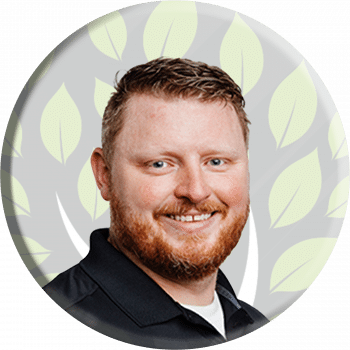
Kael Pope, LCSW
Clinical Director
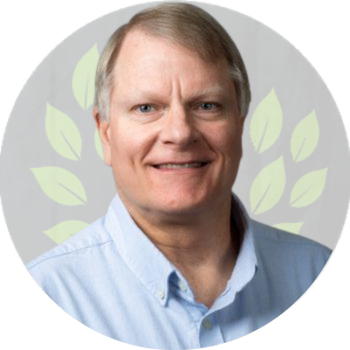
Dr. Derry Brinley
Medical Director
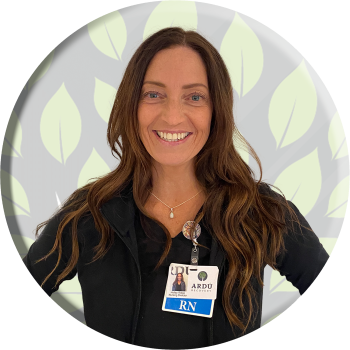
Holley Ridge
Social Detox Director
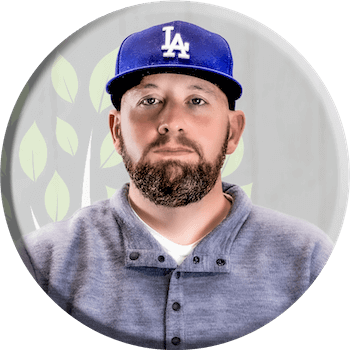
Todd Lysle
Admissions Director
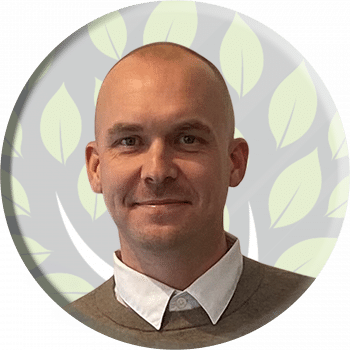
Drew Redd
Executive Director

Jennifer Gregson
Residential Director
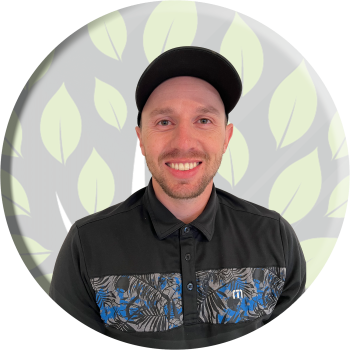
Zach Chisholm
IOP Director
Accreditations

The Commission on Accreditation of Rehabilitation Facilities (CARF) is a non-profit organization that specifically accredits rehab organizations. Founded in 1966, CARF's, mission is to help service providers like rehab facilities maintain high standards of care.
CARF Accreditation: Yes
Accreditation Number: 297649

State Licenses are permits issued by government agencies that allow rehab organizations to conduct business legally within a certain geographical area. Typically, the kind of program a rehab facility offers, along with its physical location, determines which licenses are required to operate legally.
State License: Utah
License Number: 69352

The Substance Abuse and Mental Health Services Administration (SAMHSA) is a branch of the U.S. Department of Health and Human Services. Established in 1992 by congress, SAMHSA's mission is to reduce the impact of substance abuse and mental illness on American's communities.
SAMHSA Listed: Yes
Rehab.com regularly reviews this listing for accuracy but changes may occur between updates. For the most up-to-date information, please contact Ardú Recovery Center.
Contact Information

1053 West 1020 South
Provo, UT 84601
Get Help Now - 385-390-3465
Sponsored Helpline
Sponsored Helpline



